Train to Busan: The Thrilling Zombie Adventure You Can’t Miss
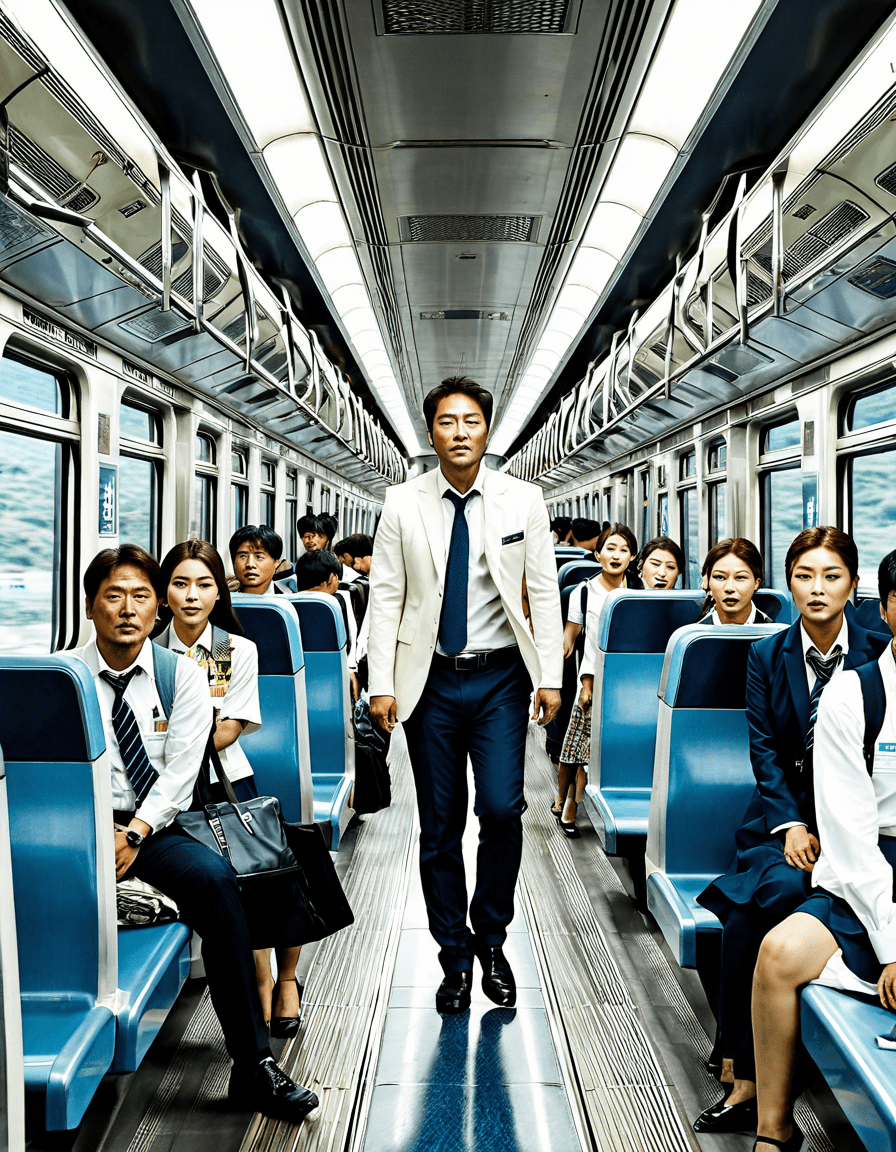
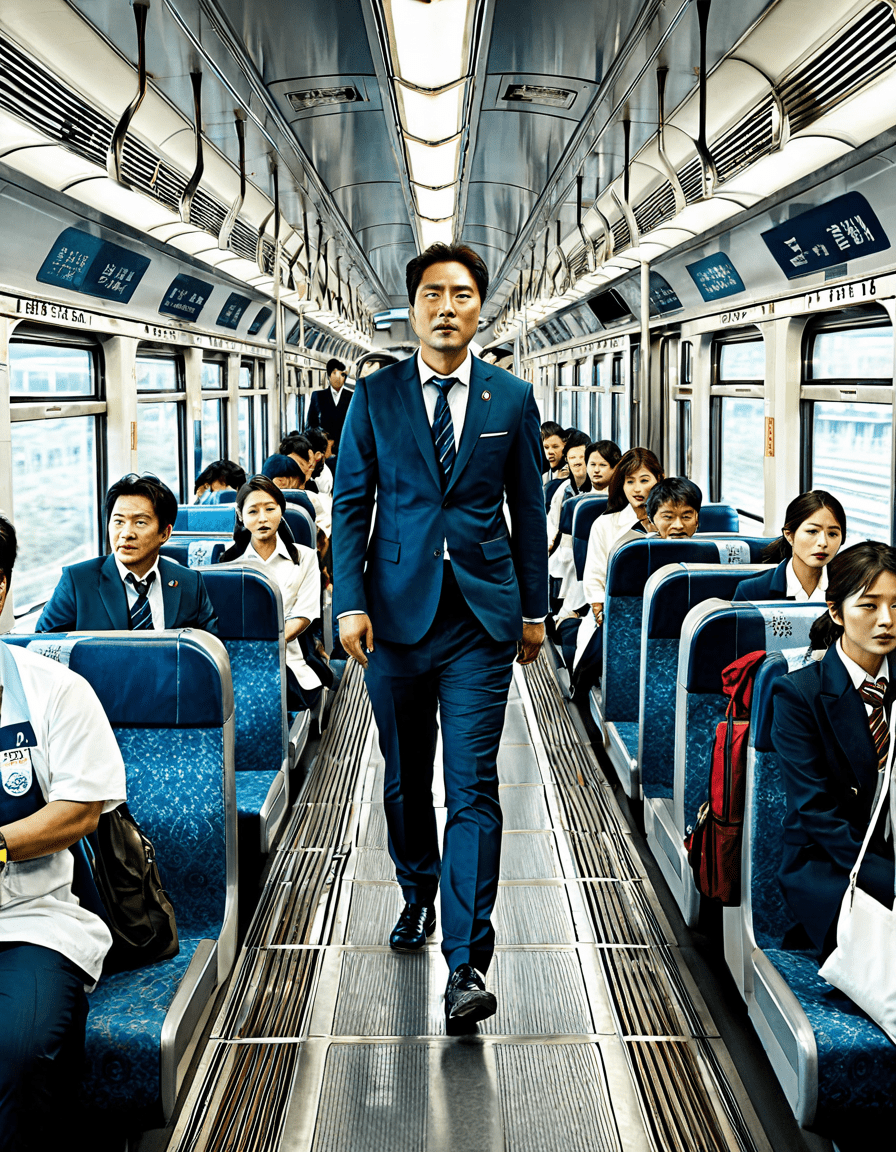
If you haven’t yet boarded the thrilling ride that is Train to Busan, you’re in for a cinematic experience that’s not just about zombies—it’s about humanity. Released in 2016, this South Korean masterpiece didn’t just walk into the zombie genre; it charged in, taking the typical slow-moving zombies and transforming them into something that’s pulse-pounding and compelling. It’s a stunning blend of pulse-pounding action and heart-wrenching drama, redefining how we view zombie films. Gone are the days of mindless hordes; instead, Train to Busan brought us characters that felt real, making its social commentary resonate on a deep level. You’re not just watching a film; you’re witnessing a narrative that tackles love, sacrifice, and human connection in the face of chaos.
The film grabs hold of your heart, making you care about the characters and their fates while keeping the tension high. The almost claustrophobic feel of the train setting brings the emotions front and center, so when the metaphorical dam breaks, and panic erupts, you’re there, riding the wave of anxiety right alongside them. The impact of Train to Busan extends beyond sheer entertainment; it challenges viewers to reflect on societal issues, changing the landscape of horror storytelling forever.
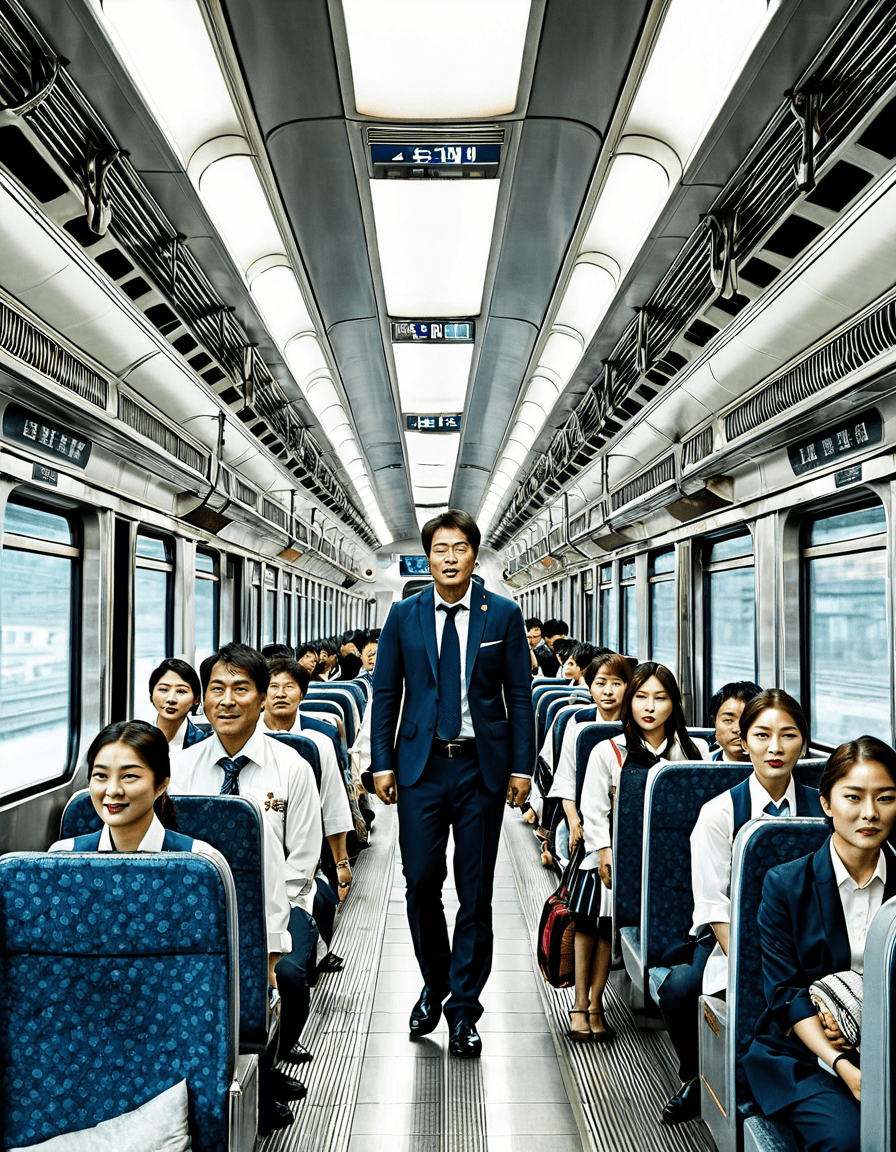
1. The Impact of Train to Busan on the Zombie Genre
When Train to Busan hit screens, it reinvigorated interest in the zombie genre. Before this film, zombie flicks depended heavily on the concept of flesh-eating creatures operating on instinct. But here, the undead serve as a backdrop for exploring deeper issues—class struggles and the fragility of human relationships during a crisis. With heart-stopping sequences and poignant moments, it shifted the focus from shock value to emotional depth, emerging as a leader in a new wave of horror.
Just think about that: a zombie film that talks about how people respond under pressure rather than just focuses on biting and bloodshed. The film’s heroes are faced with unbelievably challenging decisions that often question the limits of their morals and humanity. This level of storytelling not only sets a new benchmark but reaffirms that horror can be a vehicle for discussing more profound social themes.
The dynamics of relationships echo throughout the film, bringing a uniquely emotional perspective to a genre often filled with tropes and predictability. Whether it’s the father-daughter bond or the camaraderie among survivors, each interaction highlights a fundamental truth: love can drive us to extraordinary lengths—even in the face of death.
2. Top 7 Unforgettable Moments from Train to Busan
You’d be hard-pressed to find a film with as many memorable scenes as Train to Busan. Here are seven moments that stick with you long after the credits roll:
3. How Train to Busan Redefined Zombie Storytelling
More than just a film, Train to Busan serves as a critique of society. It deftly examines issues like class divide and human endurance while posing existential questions about survival and sacrifice. The zombies, which traditionally symbolize the loss of humanity, become a mirror reflecting our own societal fears and flaws.
As the dust settles, you realize the film cleverly shifts from a once-simple horror narrative to a commentary on deeper issues at play. The world outside is tumultuous, and while the zombies present a clear threat, it’s the human relationships that demand our attention. Love, loss, and the instinct to survive take center stage, transforming the viewer’s experience and elevating the genre.
Ultimately, the film’s mix of action-packed sequences and intimate moments creates a lasting legacy. It’s not just about being scared; it’s about feeling something real amidst the chaos—a realization that lingers long after the screen goes dark.
4. The Evolution of Zombie Films Post-Train to Busan
The footprint left by Train to Busan can be seen in subsequent releases within the horror genre. Films like Train to Busan Presents: Peninsula or series like Kingdom have followed suit, continuing the trend of focusing on emotional stakes and vibrant character arcs.
Post-2016, there’s been a noticeable shift in how zombie narratives are crafted. Gone are the days of the mindless zombie. New creators have embraced the emotional depth that Train to Busan championed, focusing on deep-rooted connections between characters rather than just their struggle against the undead.
As such, the film has ushered in an era that places emotional intelligence at the forefront of horror storytelling. Writers and directors now use the genre to challenge existing social norms, provoking thought and sparking conversation—qualities that keep viewers coming back for more.
5. The Cultural Influence of Train to Busan
Train to Busan has extended its influence far beyond just cinema. It’s inspired video games, comic adaptations, and even branded merchandise, cementing itself as a cultural touchstone. The film’s phenomenal success played a pivotal role in kicking off the Korean Wave, elevating other films like Parasite to international acclaim.
This cultural phenomenon showcases not just the prowess of South Korean filmmakers but also serves as a launchpad for future projects. The growth of interest in Korean cinema reflects an audience eager to explore diverse narratives—concrete proof that storytelling knows no boundaries.
With its mix of horror and poignant narratives, Train to Busan has opened doors for a whole new generation of storytellers, proving that genre films can offer more than just fright but can also touch hearts and change minds.
6. Why Train to Busan Remains Timeless
Here we are in 2026, still talking about Train to Busan as if it premiered yesterday—and why not? Its blend of high-octane action and emotional depth gives it a timeless quality. Themes of fear and community resonate especially in a world where global crises have become all too common.
The film forces you to confront haunting questions about life, death, and what truly matters when the chips are down. It offers a perspective that remains relevant today, reminding audiences that amidst chaos, human bonds are essential for survival.
Ultimately, Train to Busan stands as a testament to the power of storytelling. It’s a gripping adventure that leaves you emotionally spent but introspective—a true classic in the evolving landscape of modern cinema.
A Legacy That Transcends Time
More than just a thrilling zombie flick, Train to Busan serves as a poignant meditation on the human experience. As viewers, we navigate this landscape filled with fear, love, and desperation, making it easy to forget it’s not just a movie; it’s a reflection of our own lives. The film’s influence will echo through time, shaping both filmmakers’ visions and audience expectations. Don’t miss your chance to experience this exhilarating ride—it’s a vivid reminder of our shared humanity amidst the chaos. Embrace the adventure, and prepare to be challenged, thrilled, and—at times—left breathless.
Train to Busan: Fun Trivia and Interesting Facts
The Zombie Train Ride You Never Knew You Needed
Did you know that Train to Busan became a global sensation, largely due to its unique blend of horror and heartfelt storytelling? Released in 2016, this South Korean film made waves in the zombie genre, captivating audiences and critics alike. The film’s director, Yeon Sang-ho, originally pitched the idea as an animated feature before reconsidering it for live-action. A decision that clearly paid off! Fans often compare the intense survival aspects of Train to Busan to unexpected thrills found in popular video games, like Grand Theft Auto, where players are constantly on the edge of their seats.
As the film drew in fans worldwide, it sparked interesting discussions about its deep themes, including family, sacrifice, and societal breakdown. It’s fascinating how such a nail-biting horror flick can leave viewers pondering serious subjects afterward. Plus, if you’re into unique cinematic styles, you might want to explore other works from Keith Carradine, known for his versatility, just like the multi-layered characters in Train to Busan. By the way, for anyone looking to relax after a thrill ride, sipping from a Yeti wine tumbler might just be the perfect way to unwind.
Behind the Scenes and Surprising Connections
Here’s another tidbit: the film’s train itself is almost a character in its own right. The production team transformed an actual KTX train, which added authenticity to the tension and setting. Interestingly enough, this idea rhymes with the surprising setting changes in books like Hunger Games Book: Sunrise on the Reaping, where environments play a crucial role in the story’s dynamics. Plus, many fans are eager to discover the cast of Wrong Side of the Tracks, showing off how varying character dynamics can elevate movies just like in Train to Busan.
If you’re drawn to how music influences mood in film, check out the soundtrack that was carefully put together to heighten emotional moments. Those who appreciate the hard-hitting style of Rammstein might find the music of Train to Busan stirring in its own right. It’s a fascinating blend that immerses viewers deeper into the gripping narrative. The film has, over the years, inspired countless parodies, thrilling fan theories, and even Halloween costumes—showing just how iconic its portrayal of a zombie apocalypse on a moving train has become!