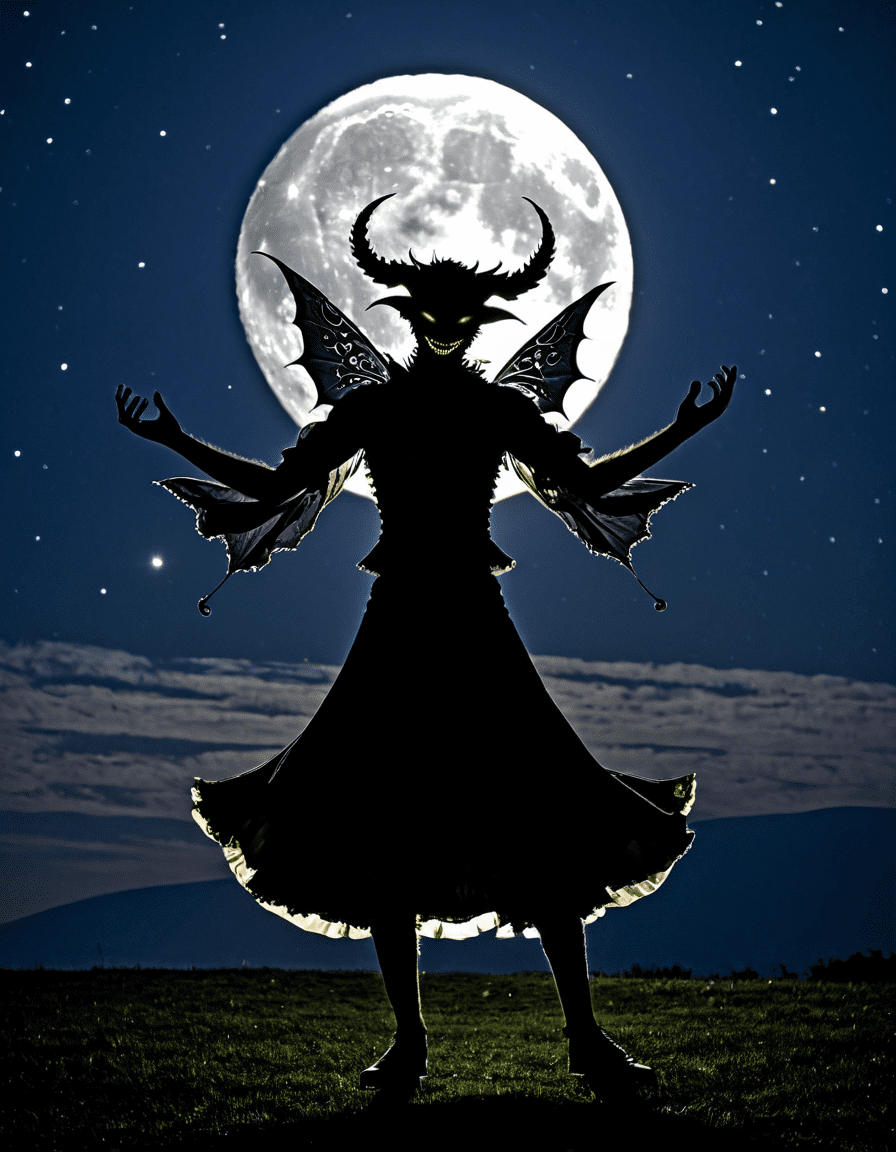
When we think of Beelzebub, we’re conjuring up images of dark forces, lurking shadows, and the eternal struggle between good and evil. With roots tracing back to ancient cultures, this name carries a weight that resonates through history and into contemporary film and literature. Often referred to as a demon or a high-ranking devil, Beelzebub brings with him a rich tapestry of myths, fears, and representations that captivate our imaginations. Let’s peel back the layers surrounding this sinister legend.
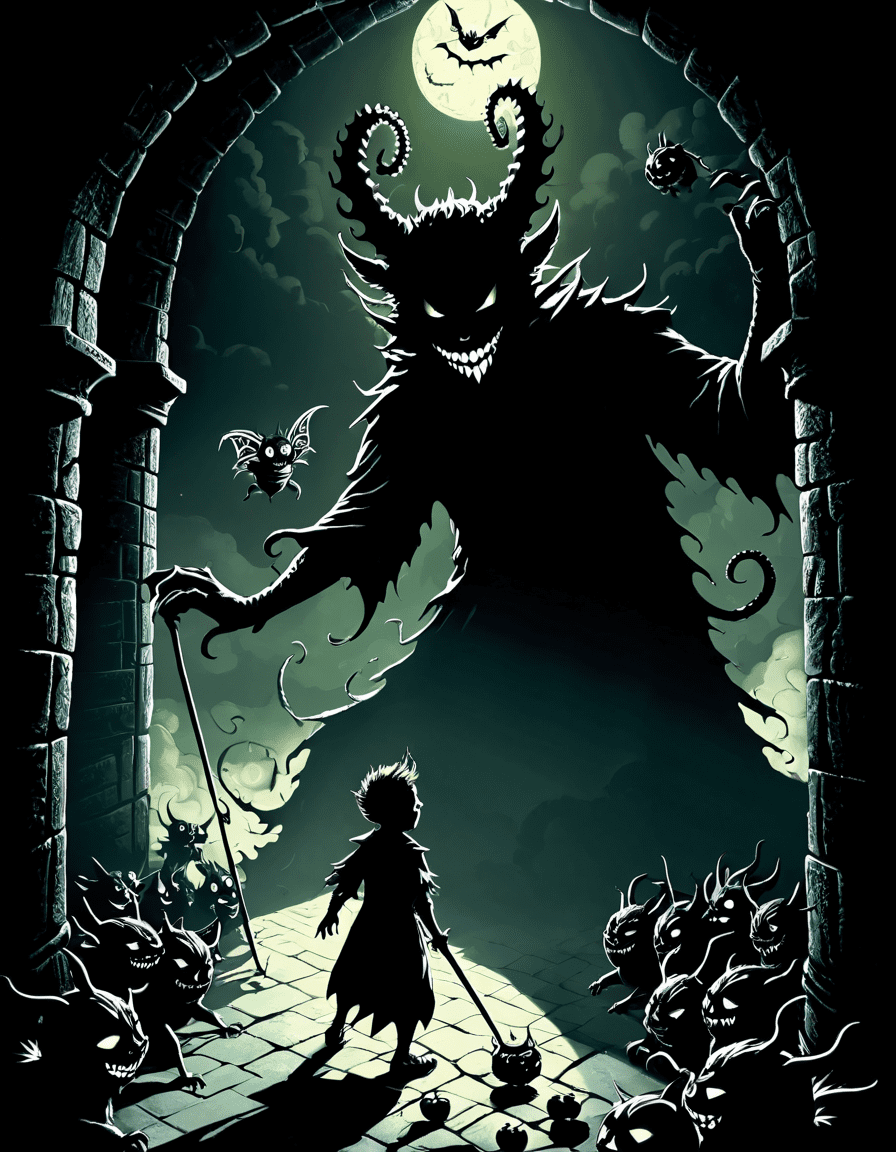
The Origin of Beelzebub: Unearthing Ancient Roots
The story of Beelzebub stretches back to a time when gods and evil spirits roamed the earth. Originating from the ancient Philistine deity Baal-Zebub, which translates to “Lord of the Flies”, this name undergoes a fascinating transformation. Initially worshipped by the Philistines of Ekron, the shift from deity to demon reflects greater societal fears of idolatry and polytheism, mirroring the tension of cultural change.
As Beelzebub became associated with corruption, he signified the fears of the unknown and the chaotic aspects of humanity. By taking an entity that once received reverence and transforming it into a symbol of malevolence, societies highlighted their anxiety surrounding moral codes and the consequences of worshipping false idols. Loaded with negativity, the shadows of Beelzebub hang over narratives of morality, urging us to confront our inner chaos.
Additionally, the Biblical context presents a rich background for understanding Beelzebub’s evolution. His depiction in religious texts showcases the struggle between divine goodness and demonic wickedness, a battle that continues to play out in modern narratives. This transformation reflects cultural shifts, while also serving as a cautionary tale against succumbing to the darker sides of human nature.
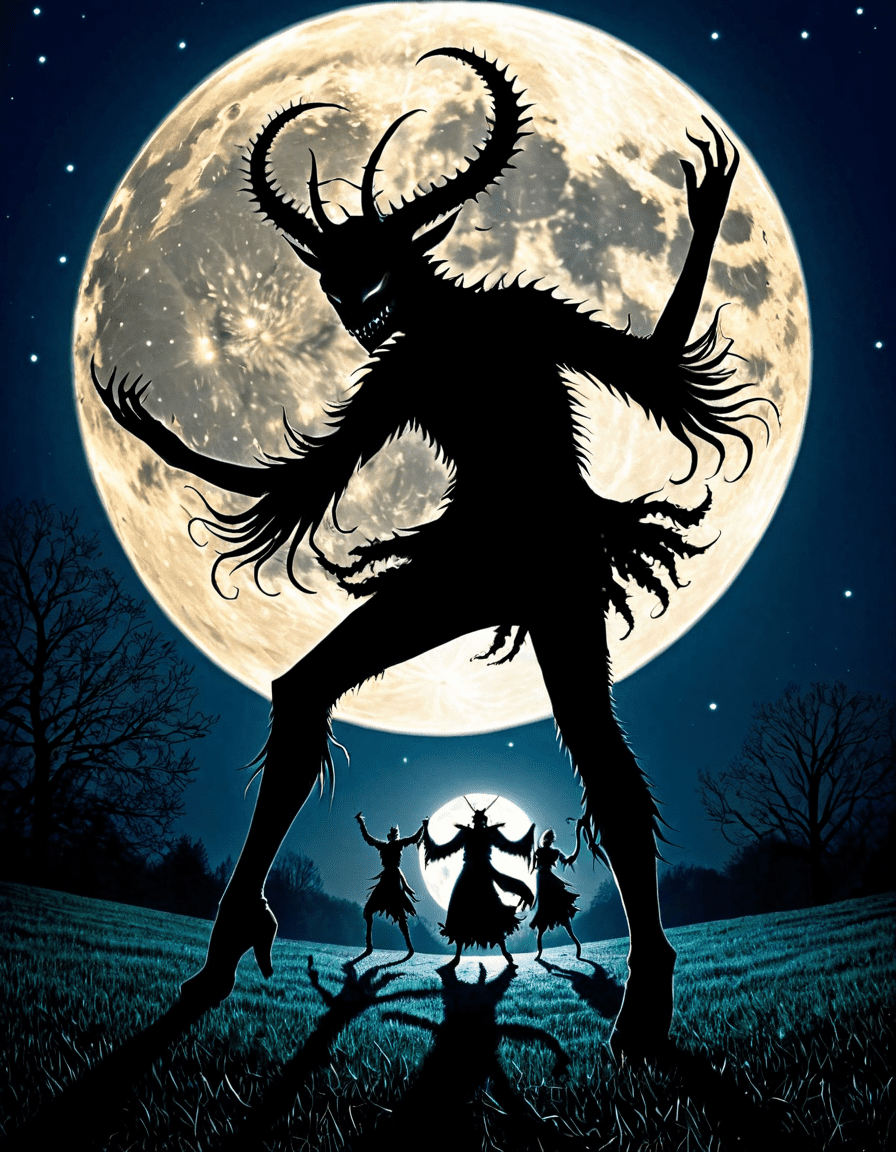
Top 5 Cultural Representations of Beelzebub
Beelzebub didn’t just stay in ancient history; he wove himself into the fabric of popular culture. From literature to film and music, his presence is unmistakable. Here are five significant representations that underscore his sinister essence:
1. William Golding’s “Lord of the Flies”
In Golding’s masterful novel, the titular “Lord of the Flies” is a direct nod to Beelzebub. The decaying pig’s head symbolizes humanity’s descent into savagery and moral ambiguity. This haunting imagery underscores the darkness lurking within us all.
2. “The Exorcist” (1973)
One of horror’s greatest triumphs, this iconic film brings Beelzebub’s influence into sharp focus through the character of Pazuzu. As he corrupts the innocent Regan, we witness a terrifying portrayal of possession, intertwining themes of good versus evil. Beelzebub here represents a force aiming to extinguish the light of purity.
3. “The Grapes of Wrath” by John Steinbeck
In this classic novel, Steinbeck employs the symbol of Beelzebub to critique societal greed during the Great Depression. The moral decay of landowners mirrors the demonic traits attributed to Beelzebub, making clear the dangers of joining the ranks of the corrupt.
4. “Beelzebub” by Atheist
This progressive metal album takes a deep dive into faith and skepticism, framing Beelzebub as a metaphor for doubt. Each track expertly tackles the complexities of belief and existence, illustrating the struggles of humanity. The use of Beelzebub serves as a thought-provoking foil to navigate through philosophical questions.
5. “Devilman Crybaby”
In this modern anime series, Beelzebub re-emerges as a character representing chaos and the intricate dance between identity and morality. The narrative grapples with concepts of good and evil, presenting a philosophical inquiry that draws heavily on Beelzebub’s duality. It offers a fresh take on a timeless legend, resonating with today’s anime lovers.
The Evolution of Beelzebub in Religious Texts
Beelzebub’s portrayal in religious literature has undergone significant metamorphosis over the centuries. Initially celebrated in some cultures, he transforms into a symbol of evil, reflecting changing societal attitudes toward sin. The Old Testament provides a foundation for this shift, revealing an ongoing tension between divine and diabolical forces.
As scholars sift through ecclesiastical writings, we see Beelzebub’s image evolve, supported by Church Fathers and medieval theologians who emphasized his demonic attributes. This evolution intertwines with developing concepts of spiritual warfare, showcasing cultural transitions anchored in the perception of deities and demons.
In redefining Beelzebub, these texts warned audiences of the perils lurking within human hearts. They underscored the resonating struggle between light and dark, echoing the challenges of moral choice. Thus, Beelzebub transforms from mere folklore to a cautionary figure, his legend intricately threaded through beliefs.
Beelzebub in Modern Psychological Discourse
It may surprise some that Beelzebub has crept into modern psychology too. Concepts like the “Beelzebub Effect” describe darker sides of human behavior manifesting in group dynamics. For example, the tendencies of mob mentality can echo the characteristics traditionally associated with Beelzebub.
Contemporary psychologists reference Beelzebub to illustrate how collective fears can lead to immoral actions. From riots to online bullying, the manifestation of evil in society intersects with the legend of Beelzebub. As we unravel these threads, the figure becomes ever more relevant in comprehending human behavior.
On a deeper level, examining Beelzebub challenges us to scrutinize our ethical stances. The figure serves as a reminder that within every societal problem lies a mirror reflecting our own moral compass. The conversations sparked around Beelzebub push us to confront uncomfortable realities, compelling us to reckon with our actions and those of others.
The Symbolism of Beelzebub in Contemporary Society
Today, Beelzebub serves as a powerful symbol amidst swirling discussions about moral ambiguity and ethical dilemmas. His presence can be felt across various platforms, from conspiracy theories to digital horror media and even political discourse. The term often embodies oppression and manipulation, characterized by ruthless intent.
Much of contemporary literature and film exploring themes of authoritarianism channels Beelzebub’s traits to depict struggles against external control. As societies grapple with issues of personal agency, the representation of Beelzebub becomes increasingly pertinent. His legacy resonates strongly with viewers and readers, prompting them to ponder the balance of power.
Beelzebub’s symbolism remains multifaceted, challenging societal norms. Amidst global unrest and the complexities of leadership, his influence—both dark and enlightening—sheds light on our pervasive struggles. Each narrative uncovering Beelzebub encourages both introspection and broader societal critique.
Reflecting on Beelzebub’s Legacy and Influence
Diving into Beelzebub’s legacy yields a captivating glimpse into our fears and frailties. From ancient texts to modern storytelling, this figure encapsulates humanity’s perpetual battle with its darker impulses. Engaging with Beelzebub means confronting our moral dilemmas and the shadowy corners of our existence.
Each portrayal of Beelzebub—whether through literature, film, or music—offers insights into our collective psyche. As we face changing societal norms, understanding his character shapes our conversations around good and evil. Cultural interpretations of Beelzebub resonate differently across generations, allowing the legend to adapt and grow.
Ultimately, the legacy of Beelzebub stands as a testament to our ongoing struggle against our darker nature. The stories we tell speak volumes about our fears and aspirations. As filmmakers and creators continue to explore his character, Beelzebub invites us to reassess our beliefs and navigate the ethical landscapes we encounter every day.
Beelzebub: The Sinister Legend Behind the Name
The Origins of Beelzebub
The name “Beelzebub” traces back to ancient texts and is often viewed as another name for Satan. Interestingly, in the Bible, Beelzebub is referred to as “Lord of the Flies,” which is a striking contrast to the cheerful cast Of Toy Story. This character’s association with decay and pestilence paints a vivid picture, making it easy to see why Beelzebub has inspired fear and intrigue across various cultures over time. Did you know that this fearsome figure has even appeared in games like Unreal Tournament? In a way, the gaming world has continued to revive and reimagine such dark figures, weaving them into narratives that keep players on the edge of their seats.
Beelzebub in Literature and Pop Culture
Beelzebub isn’t just sitting in the shadows; he makes appearances in literature and modern pop culture too. For instance, the character shows up in films that feature themes of possession and malevolence, much like in the psychological drama All About Lily chou chou, where darkness seeps into the characters’ lives. Moreover, in animation, Beelzebub’s essence translates into villainous traits, akin to the antagonists we see in games like Friday Night Funkin. These portrayals amplify the mystique surrounding Beelzebub, reminding us that stories of his sinister nature survive because they resonate with age-old fears.
The Relevance Today
Even today, the legend of Beelzebub echoes in discussions about morality and evil. His portrayal in contemporary media ties back to historical concerns about sin, further keeping the conversation alive. Let’s not forget how tales of villainy can fascinate us in unexpected ways, like when characters in The Gilded age cast portray the struggles between good and bad. It’s a reminder that even in the most glamorous settings, the lure of darkness finds a way to captivate audiences. As we navigate these themes through various lenses, like How To watch Yellowstone, it’s clear that the fear and fascination with Beelzebub are never-ending.
In diving into this iconic figure, we discover that Beelzebub is not just a historical reference but a continuous thread in our storytelling tapestry, keeping us riveted with every twist and turn. Whether through ancient scripture or modern video games, Beelzebub remains an eternal enigma, challenging us to confront the shadows within ourselves.