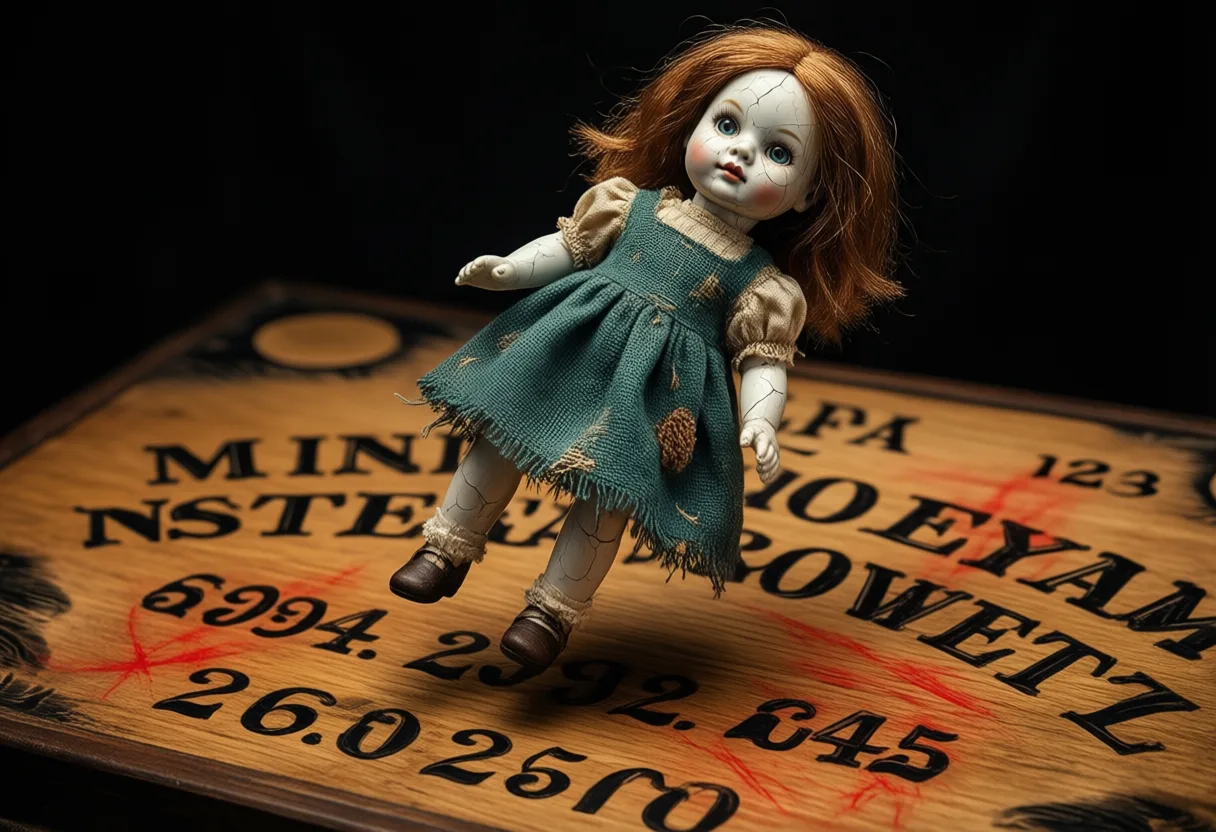
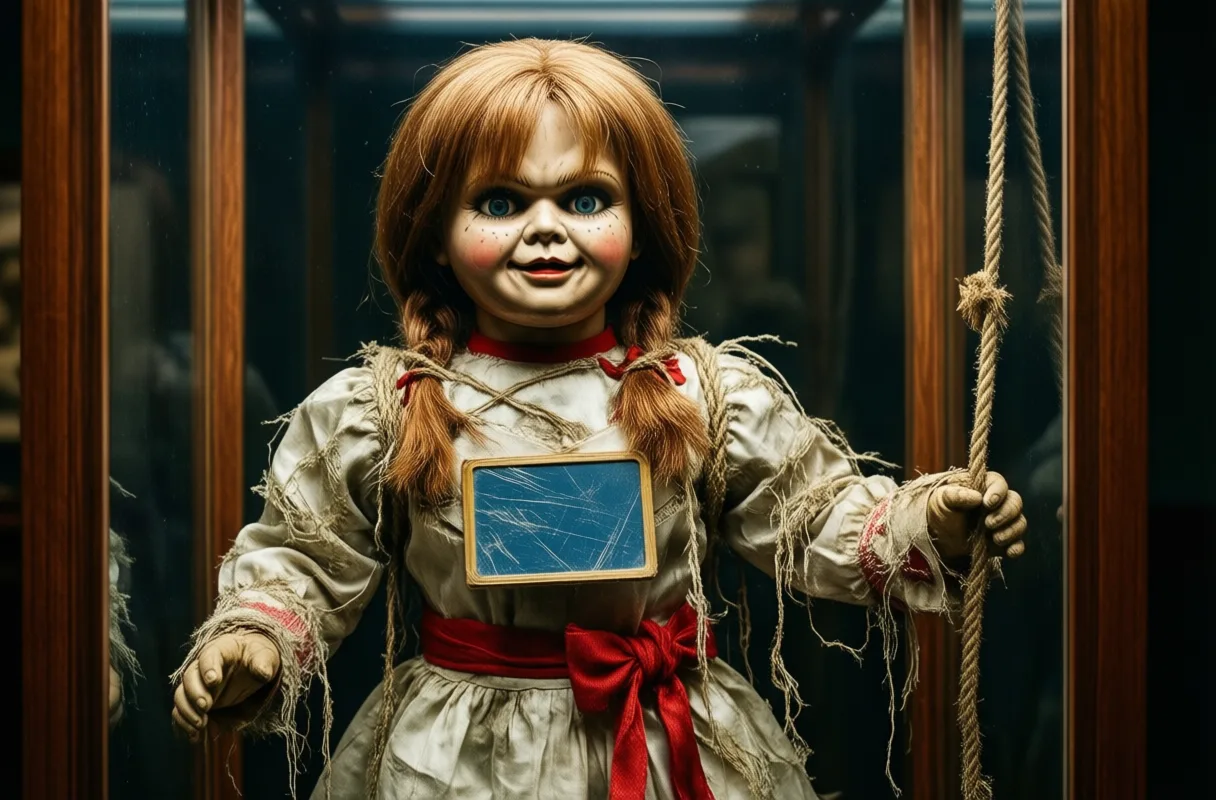
The Annabelle Doll from the movie Has become a modern icon of cinematic terror, its blank stare and porcelain face haunting living rooms and horror imaginations alike. Yet behind the celluloid chills lies a tangled web of myth, marketing, and real-world fascination with the supernatural. What began as a footnote in Paranormal lore Was amplified by Hollywood into a cultural phenomenon that blurs the line between fiction and belief.
Few props in recent horror history have carried as much symbolic weight as the Annabelle Doll. Unlike classic monsters born from literature or urban legend, this figure emerged from a curated narrative rooted in claims of hauntings, later adopted and expanded by filmmakers. Its presence in homes isn’t just about Fear-it’s about the power of suggestion, the allure of cursed objects, and how cinema can transform an obscure artifact into a global specter.
Origins in Myth and Media
The story surrounding the Annabelle Doll begins not on a studio lot, but within the annals of paranormal investigation. It is tied to the work of Ed and Lorraine Warren, a couple known for their involvement in high-profile cases that claimed to involve demonic possession and haunted objects. According to these accounts, the doll became the focus of unusual activity after being acquired by a young woman in the 1970s.
While details vary across retellings, the core narrative suggests the doll moved on its own, delivered written messages, and exerted influence over those nearby. These claims were Never Independently verified, yet they formed the foundation upon which a cinematic universe would later be built. The Warrens eventually placed the doll in a sealed case at their Occult Museum, claiming it was too dangerous to remain free.
This blend of personal testimony and unverifiable events created fertile ground for dramatization. Hollywood did not invent the idea of a haunted doll, but it refined and repackaged it for a new generation raised on found-footage tropes and shared digital nightmares. The result was a character that felt both timeless and timely-a relic dressed in vintage lace, speaking to contemporary fears of technology, isolation, and unseen forces.
- The doll's design-simple, antique, and eerily still-aligns with deep-seated psychological triggers.
- Its backstory draws from established archetypes: the possessed object, the innocent facade hiding malice.
- By anchoring fiction to alleged real events, the film gains emotional credibility, even when logic falters.
From Screen Prop to Cultural Icon
When “ Annabelle ” Premiered, it wasn’t expected to redefine the horror landscape. But its connection to The Conjuring Universe gave it instant legitimacy among fans of supernatural thrillers. The film leaned heavily on atmosphere-dim lighting, slow reveals, and the dread of violation within safe spaces like bedrooms and nurseries.
What set the Annabelle Doll from the movie Apart was its restraint. Unlike slasher villains or jump-scare mascots, it often remained motionless, forcing audiences to project menace onto its expressionless face. This minimalism echoed the techniques of Classic horror Cinema, where implication often terrified more than spectacle. Directors understood that fear lives in the pause, the glance, the moment before something moves.
Over time, sequels expanded the mythology, introducing new characters and escalating stakes. Yet each installment returned to the central image-the doll, seated, watching. Merchandisers took note. Replicas appeared online, some marketed as collectibles, others jokingly labeled “cursed.” This commercial afterlife revealed something Deeper: people wanted to own a piece of the fear, to test their courage against a symbol they knew was fake-yet still hesitated to sleep near.
The success of the franchise also highlighted a shift in how Horror stories Are told and consumed. No longer confined to isolated films, horrors now unfold across interconnected narratives, building worlds as intricate as superhero sagas. Annabelle became less a character than a recurring force-an avatar of chaos passed from one victim to the next.

The Power of Belief in Modern Horror
Modern horror thrives not on gore alone, but on the erosion of certainty. The strength of the Annabelle mythos lies in its ambiguity-was it ever truly haunted, or is the danger in believing it is? This question mirrors broader tensions in how we process fear in the digital age, where misinformation spreads faster than truth and every shadow seems to hide a camera.
Cinema has always reflected societal anxieties, and haunted object films speak to our unease with material culture. In an era of smart devices and constant surveillance, the idea of an inanimate thing gaining sentience feels disturbingly plausible. The Annabelle Doll from the movie Becomes a metaphor-not for demons, but for loss of control in a world increasingly mediated by objects we don’t fully understand.
Filmmakers tap into this subconscious discomfort with careful craft. Sound design amplifies silence; editing delays resolution; production design roots the uncanny in the familiar. These tools don’t rely on shock, but on sustained tension-a hallmark of effective horror that respects the audience’s intelligence.
Ultimately, the legacy of Annabelle is not measured in box office returns or spin-offs, but in the lingering glance toward a shelf at midnight. It proves that the most enduring horrors are not those that leap from the dark, but those that sit quietly, waiting to be believed in. And in that space between seeing and understanding, cinema finds its most potent magic.
| Feature | Real Doll | Movie Version |
|---|---|---|
| Appearance | 26-inch Raggedy Ann doll | Porcelain face, vintage lace dress |
| Hair | Red yarn hair | Not specified |
| Eyes | Button eyes | Blank stare |
| Behavior | Moved on its own, delivered messages | Haunted living spaces, caused terror |
| Current Location | Warrens’ Occult Museum, Connecticut | Fictional cinematic universe |
The Haunted History Behind the Famous Ragdoll
More Than Just a Movie Prop
The Annabelle Doll from The Conjuring Universe might look like any other vintage ragdoll, but her real-life counterpart sparked one of the most talked-about paranormal cases in modern ghost hunting. Unlike the demonic entity portrayed on screen, the actual doll involved was a simple 26-inch beige Raggedy Ann doll with red yarn hair and button eyes-nothing inherently scary about its appearance. It was purchased in the 1970s by a nursing student named Donna, who later claimed it began moving on its own and displaying aggressive behavior after she brought it home.
What makes this case stand out is that it was investigated-and taken seriously-by Ed and Lorraine Warren, well-known paranormal researchers. They concluded the object wasn’t haunted by a spirit, but rather inhabited by a malevolent entity pretending to be a little girl named Annabelle Higgins. After multiple disturbing incidents-including messages appearing on paper and physical attacks on those nearby-the Warrens eventually took possession of the doll to contain the activity.
Today, the real Annabelle resides inside a glass case at the Warrens’ Occult Museum in Connecticut, sealed off from public contact. According to those close to the museum, visitors have reported unexplained chills, nausea, or sudden dread when standing near the display-even without knowing the backstory. While skeptics dismiss the entire tale as myth-making, the story’s staying power proves how easily a simple cloth doll can become a cultural symbol of fear.
Frequently Asked Questions
What does the real Annabelle Doll look like?
The real Annabelle Doll is a 26-inch beige Raggedy Ann doll with red yarn hair and button eyes. It has a simple, non-threatening appearance unlike its cinematic version.
Who originally owned the Annabelle Doll?
The doll was purchased in the 1970s by a nursing student named Donna. She claimed it began moving on its own and displaying aggressive behavior after she brought it home.
Are the Annabelle hauntings real or fictional?
The hauntings are based on claims investigated by Ed and Lorraine Warren, who said a malevolent entity inhabited the doll. These events were never independently verified and remain unproven.
Where is the real Annabelle Doll now?
The real Annabelle Doll is kept in a glass case at the Warrens’ Occult Museum in Connecticut. It is sealed off from public contact due to its alleged dangerous nature.
This article was produced with AI assistance. How Silver Screen Magazine uses AI.
Simone Reyes tracks shifts in film distribution and digital platforms with clarity and foresight, translating complex trends into accessible insights. She bridges the gap between corporate moves and viewer experience, illuminating how the business shapes what we watch.