
Few filmmakers have left as indelible a mark on modern storytelling as Quentin Tarantino. With a voice that’s equal parts homage and rebellion, his films redefined narrative structure, dialogue rhythm, and genre conventions in ways that continue to echo across global cinema. Drawing from grindhouse grit, European arthouse precision, and American pop mythology, Tarantino didn’t just make movies-he reshaped how we think about them.

A New Language of Film
Tarantino’s arrival In the 1990s signaled a seismic shift in how stories could be told on screen. His debut, Reservoir Dogs, wasn’t just a crime thriller-it was a masterclass in tension, built almost entirely through dialogue and perspective. The film’s non-linear timeline forced audiences to piece together the narrative like a puzzle, a technique that would become a hallmark of his style.
What set Tarantino apart wasn’t just the violence or the sharp dialogue-it was the Self-aware reverence for film history. He didn’t hide his influences; he celebrated them, weaving kung fu epics, spaghetti westerns, and blaxploitation into something entirely new. Every tracking shot, every needle drop, every monologue felt like a conversation with Cinema’s past-even as they pushed it forward.
His approach to character development defied convention. Heroes were flawed, often morally ambiguous; villains could be charming, even likable. This complexity made his films feel less like escapism and more like a distorted mirror held up to culture. In his world, a hitman quotes European cinema between assignments, and a bride wages a bloody war set to anime and surf rock-because why shouldn’t she?
Reinventing Genre and Narrative
Tarantino never worked within genres-he dismantled and rebuilt them. Pulp Fiction Didn’t just blend crime, comedy, and existential drama; it shattered the timeline, making the middle the beginning and the end the middle. The film’s iconic moments-a dance contest at a retro diner, a adrenaline shot to the heart-were unforgettable not just for their shock value, but for how they served character and theme.
The structure itself became a statement. By refusing chronological order, Tarantino emphasized fate, consequence, and the illusion of control. Jules’ biblical speech before a murder, Vincent’s mundane struggle to entertain Mia Wallace, the sudden shift from casual chat to near-death in a bathroom stall-these weren’t just scenes. They were Carefully orchestrated movements in a larger symphony of style and substance.
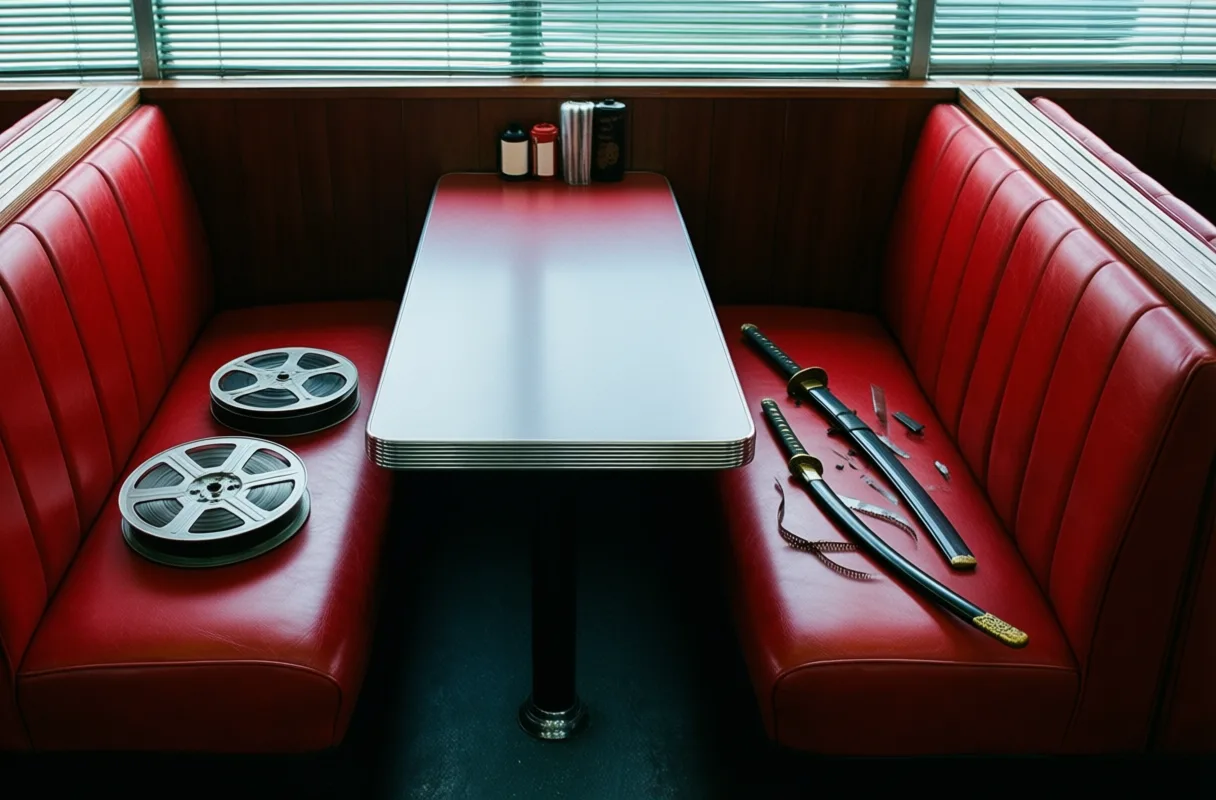
Later works like Kill Bill And Inglourious Basterds Took this further, merging fantasy with historical revisionism. Kill Bill Transformed the revenge saga into a global odyssey, stitching together anime, wuxia, and samurai traditions into a singular vision. Inglourious Basterds Rewrote World War II with audacious flair, proving that cinema could not only reflect history but reimagine it.
- Pulp Fiction Elevated pop culture references into poetic dialogue
- Kill Bill Fused Eastern and Western action traditions into a new mythos
- Inglourious Basterds Challenged the boundaries of historical fiction
Each film operated on multiple levels: surface-level entertainment, deep-cut homage, and philosophical inquiry. The result was a body of work that invited repeated viewings, not just for the twists, but for the layers beneath.
The Cultural Ripple Effect
The influence of Tarantino’s classic movies extends far beyond box office numbers or awards. Directors across Hollywood and international cinema began to experiment more boldly with structure, tone, and dialogue after his rise. The sharp, rhythmic exchanges between characters-once considered niche-became a sought-after hallmark of “cool” in screenwriting.
Television, too, absorbed his impact. Long-form storytelling on premium networks began embracing non-linear arcs and morally complex leads, echoing the freedom Tarantino found in film. The idea that a story could meander through conversations about burgers or foot massages and still feel urgent-that was a Tarantino gift to modern narrative.
Even marketing changed. The bold title cards, the curated soundtracks, the poster designs that looked like vintage exploitation art-these weren’t just aesthetic choices. They were Invitations to a Cinematic experience, treating each release as an event rather than a product.
His legacy isn’t just in the films he made, but in the permission he gave others to take risks. He proved that personal vision, when executed with confidence and craft, could become universal. And in an industry increasingly driven by franchises and algorithms, that remains a radical idea.
Today, when a filmmaker leans into genre with irony and love, when a script lingers on a monologue about a European cheese label before a shootout, they’re speaking a language Tarantino helped write. His classic movies didn’t just define a moment-they helped define the very grammar of modern cinema.
The Films That Shaped a Maverick
Quentin Tarantino didn’t just watch classic movies-he absorbed them, broke them apart, and rebuilt them into something entirely his own. His deep love for grindhouse flicks, spaghetti westerns, kung fu epics, and 70s crime thrillers isn’t just background noise; it’s the foundation of his storytelling DNA. You can feel the pulse of 1970s blaxploitation in the strut of Jackie Brown, or hear the echo of Sergio Leone’s sweeping silences in the tense standoffs of The Hateful Eight. Tarantino doesn’t imitate-he remixes, turning obscure genre tropes into mainstream fireworks.
Homages Hidden in Plain Sight
Ever notice how the opening credits of Pulp Fiction Look like they’re dancing across the screen? That playful font and motion were a direct nod to Jean-Luc Godard’s 1964 film Bande à part, a French New Wave classic Tarantino has openly admired. And that iconic briefcase with the mysterious glowing contents? No official explanation exists, but fans have long speculated it’s a wink to Kiss Me Deadly, a 1955 film noir where a similarly radiant, deadly object drives the plot. Tarantino leaves these breadcrumbs on purpose, rewarding viewers who’ve dug into the same cinematic crates he did.
Dialogue That Defies Convention
Before Tarantino, few screenwriters could make a conversation about foot massages or cheeseburgers feel like a high-stakes duel. His films often pause the action for long stretches of razor-sharp, pop-culture-drenched dialogue-a technique inspired more by 1970s character-driven dramas than traditional action flicks. The infamous “Royale with Cheese” chat in Pulp Fiction Isn’t just funny; it’s a masterclass in building tension through casual talk, showing how everyday banter can reveal personality, power dynamics, and even foreshadow violence. It’s a style now copied endlessly, but never quite matched.
Frequently Asked Questions
What makes Quentin Tarantino's storytelling unique?
Tarantino's storytelling is marked by non-linear timelines, sharp pop-culture-heavy dialogue, and a blend of genre elements. He combines homage to classic films with bold narrative risks, creating layered, character-driven scenes that challenge conventional structure.
How did Pulp Fiction change modern cinema?
Pulp Fiction redefined narrative structure by abandoning chronological order, emphasizing fate and consequence. Its mix of crime, comedy, and existential themes, along with iconic dialogue, influenced a generation of filmmakers and elevated genre filmmaking to art.
What are common themes in Tarantino's films?
Tarantino explores moral ambiguity, revenge, and the power of pop culture. His characters are often flawed or complex, and his stories blend reality with fantasy, while paying deep tribute to film history through genre remixing.
How does Tarantino pay homage to classic cinema?
He embeds references to films like Bande à part and Kiss Me Deadly through visual style, dialogue, and mysterious props. These homages reward knowledgeable viewers and connect his work to a broader cinematic tradition.
This article was produced with AI assistance. How Silver Screen Magazine uses AI.
Simone Reyes tracks shifts in film distribution and digital platforms with clarity and foresight, translating complex trends into accessible insights. She bridges the gap between corporate moves and viewer experience, illuminating how the business shapes what we watch.