The creak of a rocking chair. A porcelain doll’s unblinking stare. The faint scent of something burning in an empty room. These are the Quiet horrors That linger long after the credits roll on Annabelle, a film that taps into something deeper than jump scares-it taps into the fear that what we’ve just witnessed might have really happened. Horror, at its most effective, blurs the line between fiction and folklore, and few modern franchises have done so with such chilling precision as Annabelle, a name now synonymous with haunted objects and restless spirits.
But behind the marketing, the merchandise, and the sequels, lies a question whispered in darkened theaters and late-night conversations: Is Annabelle based on a True story? The answer, like a shadow stretching at dusk, is not entirely black or white. It’s a tale woven from real people, documented investigations, and the fertile soil of belief-where fact and faith meet in uneasy silence.

The Origins of the Haunted Doll
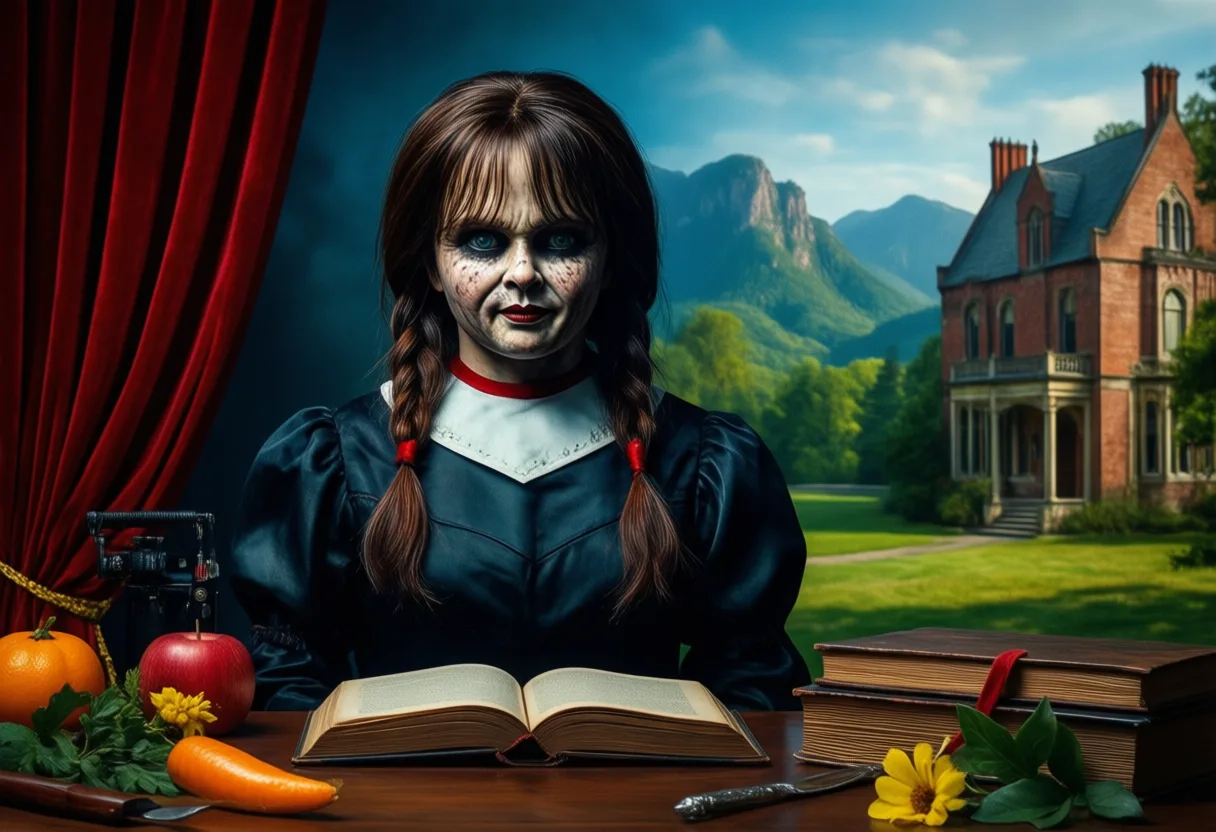
The story begins not on a Hollywood soundstage, but in the home of a young couple in the 1970s. According to accounts tied to paranormal investigators Ed and Lorraine Warren, the doll was given as a gift to a nurse named Donna, who soon reported strange and disturbing occurrences. Objects moved on their own. Whispered voices filled the night. The couple claimed the doll’s eyes followed them, its limbs shifted when no one was looking.
These events, the Warrens asserted, were not the work of a malfunctioning toy but of a malevolent presence-one that had attached itself to the inanimate object. Over time, the narrative grew: the doll was linked to a satanic cult, a murdered girl named Annabelle Higgins, and a series of escalating Hauntings That culminated in the intervention of the Warrens themselves. While no official records confirm the details of the Higgins case or the cult’s involvement, the story took root in the broader mythology of the Warrens’ decades-long career in paranormal research.
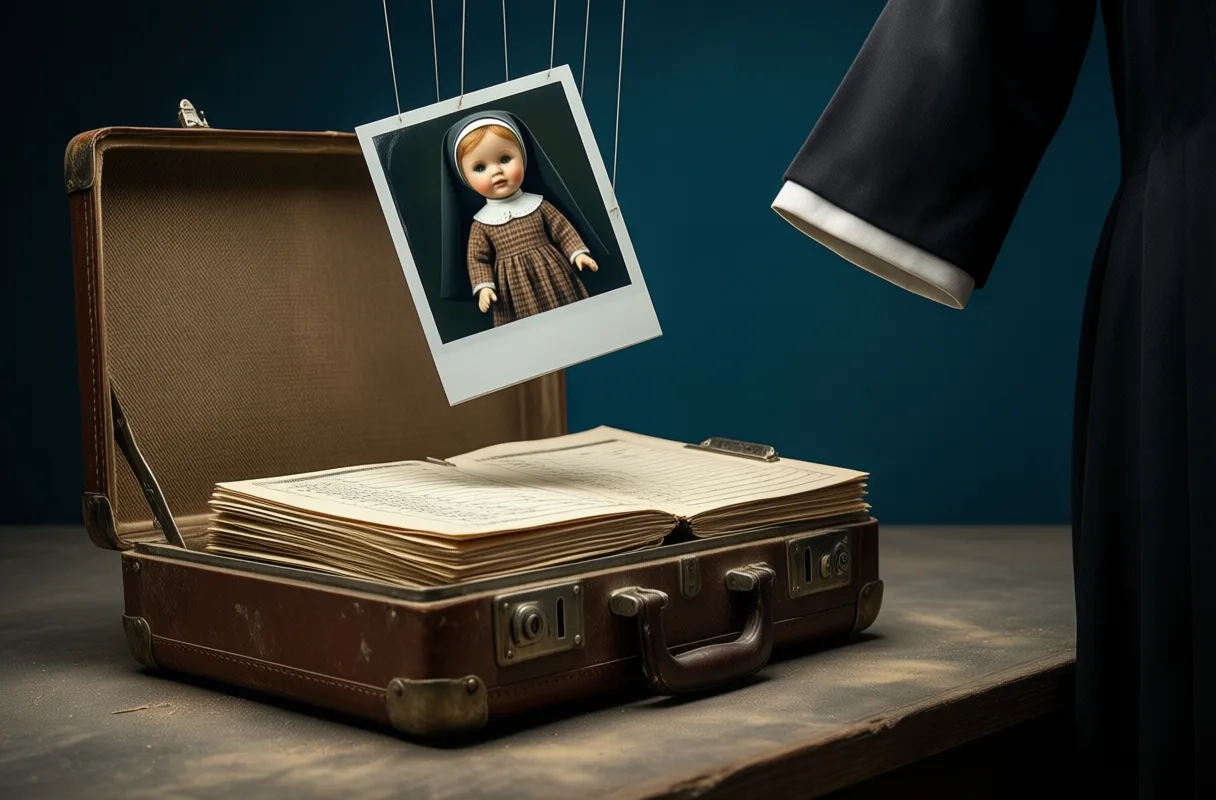
Eventually, the doll was reportedly sealed in a glass case at the Warrens’ Occult Museum in Monroe, Connecticut, labeled as “possessed” and not to be touched. Whether one believes in spirits or skepticism, the image of the doll-its faded dress, its cracked smile-has become a cultural artifact, a symbol of the unknown. Its presence in the museum lent a veneer of authenticity that filmmakers would later draw upon.
Annabelle (2014), directed by John R. Leonetti and produced by James Wan, reimagines these fragments into a cinematic narrative. The film centers on a young couple terrorized by a demonic entity after acquiring a seemingly innocent Raggedy Ann doll. While the Movie borrows Names and settings from the Warrens’ accounts, it takes significant creative liberties-most notably inventing the backstory of a murdered cult member whose spirit haunts the toy. The real events, if they occurred as described, likely bore little resemblance to the film’s plot.
Still, the connection to the Warrens gives the film a grounding in something tangible. Their investigations into the Amityville haunting and other cases have long fascinated the public, and their involvement in the Annabelle story-even if secondhand-lends it a layer of credibility. The movie doesn’t claim to be a documentary, but it invites viewers to wonder: could any of this be real?
From Myth to Movie Franchise
The success of Annabelle Wasn’t just in its box office returns-it was in how it expanded a footnote in paranormal lore into a full-fledged horror universe. What began as a side story in The Conjuring (2013) became the centerpiece of a trilogy, each film building on the last while drifting further from the original accounts. Annabelle: Creation (2017) explored the doll’s origins through a tragic tale of grief and forbidden rituals, while Annabelle Comes Home (2019) placed it within the Warrens’ artifact-filled home, unleashing its influence on other cursed objects.
This evolution reflects a broader trend in modern horror: the transformation of urban legends into cinematic franchises. Like The Texas Chain Saw Massacre Or The Exorcist, Annabelle Draws power from the suggestion that it’s “based on true events,” even when the truth is murky. The marketing leaned into this ambiguity, using phrases like “inspired by the case files of Ed and Lorraine Warren” to suggest authenticity without making definitive claims.
The films thrive on atmosphere-on the slow reveal of a figure in the corner, the distortion of a child’s lullaby, the dread of something ancient and angry trapped behind glass. Director David F. Sandberg, who helmed Annabelle Comes Home, emphasized practical effects and restrained pacing, allowing tension to build naturally. The result is a series that, while not universally praised by critics, has resonated with audiences seeking classic horror tropes executed with modern polish.
- The Annabelle Films are part of the larger Conjuring Universe, one of the most successful horror franchises of the 21st century.
- Each installment expands the mythology while maintaining visual and thematic continuity.
- The use of real-world paranormal investigators as anchors grounds the fantasy in a semblance of reality.
This blending of fact and fiction isn’t accidental-it’s strategic. Horror works best when it feels possible, when the viewer can imagine the same events unfolding in their own home. The power of Annabelle Lies not in proving the supernatural, but in making us question whether we’d know the difference.
For those intrigued by the real stories behind cinematic horror, the journey doesn’t end with Annabelle. The life of Christian musician Jeremy Camp, marked by love, loss, and resilience, was dramatized in a film that, while emotional, also raises questions about truth in biographical storytelling-Jeremy camp ’ s Shocking True Story You Won ’ T Believe. Similarly, the harrowing case of Anneliese Michel, a young German woman whose 1970s exorcism inspired The Exorcism of Emily Rose, remains one of the most debated intersections of faith and mental health-Anneliese Michel The Shocking True Story Behind 66 Exorcisms. Even sports cinema, like The Replacements, draws from real labor tensions, reimagining the 1987 NFL strike into a tale of underdogs and unity-The Replacements Shocking True story Behind The 1987 Scab Team.
The Power of Belief in Horror Cinema
What separates Annabelle From pure fantasy is its reliance on belief-not just within the story, but in the audience. Horror films based on true stories, or those claiming to be, tap into a primal unease: the idea that the world is not as orderly as we assume. The unknown isn’t just out there-it might be sitting on a shelf in a child’s bedroom, smiling silently.
This is where the genre intersects with something deeper than entertainment. As Martin Scorsese once noted, cinema is a reflection of who we are, our fears, our desires, our myths. Annabelle Reflects a culture still grappling with the unseen-where science and skepticism coexist with spiritual longing and the stories we tell to explain the inexplicable.
The doll itself, whether cursed or merely a prop, has become a vessel for collective anxiety. It represents the fear of what we bring into our homes, the gifts we accept without question, the past we cannot escape. And in that, it doesn’t need to be “real” to be true.
Films like Annabelle Endure not because they prove the existence of demons, but because they validate the human need to believe in something beyond the visible. Whether that belief leads to a museum in Connecticut or a night spent checking the locks, it speaks to the enduring power of storytelling-where the line between truth and legend is not a wall, but a threshold.
For those who want to explore the full narrative arc of the haunted doll, from its eerie origins to its cinematic resurrection, the original film remains a chilling entry point-Annabelle.
| Aspect | Real Account | Movie Version |
|---|---|---|
| Doll Origin | Mass-produced Raggedy Ann doll | Innocent-looking toy with dark backstory |
| Haunting Claims | Doll moved rooms, notes appeared | Demonic entity terrorizes family |
| Annabelle Higgins | Name claimed by entity, no records | Murdered cult member's spirit |
| Warrens' Role | Investigated, took custody of doll | Involved peripherally, more dramatized |
| Violence | No murders or physical attacks | Multiple deaths and demonic assaults |
| Doll's Current State | Locked in museum with holy symbols | Sealed in glass case, still dangerous |
The Strange Case of the So-Called Haunted Doll
From Ragdoll to Infamy
The Annabelle Doll at the center of the horror legend wasn’t some cursed antique-it was a simple, mass-produced Raggedy Ann-style doll bought in the 1970s by a nursing student named Donna. She and her roommate Angie placed it in their apartment, where odd things reportedly began happening: the doll would appear in different rooms, notes with messages like “Help us” or “Save us” showed up, and the women claimed they felt an oppressive presence. They didn’t name it Annabelle at first-the entity allegedly said its name was “Annabelle Higgins, a child who died on the property.
Enter the Paranormal Investigators
Things escalated until the two women contacted a local parapsychologist, who then brought in Ed and Lorraine Warren. The Warrens, famous (and controversial) figures in paranormal circles, examined the case and concluded the doll wasn’t haunted by a little girl’s spirit but instead was a vessel for a malevolent demonic presence. They took custody of the doll, believing it too dangerous to remain in private hands. It now sits locked in a glass case inside the Warrens’ Occult Museum in Connecticut, blessed and sealed with holy symbols to contain whatever might be inside.
Hollywood vs. Reality
While the 2014 film Annabelle And its sequels lean heavily into supernatural terror, the real story lacks many of the movie’s dramatic flourishes-there were no murders tied to the doll, no shadowy demons stalking families in broad daylight. The actual events were more about unsettling personal experiences than cinematic carnage. Still, the blend of a seemingly innocent toy, unexplained movements, and the Warrens’ involvement gave the tale enough eerie credibility to inspire one of horror’s most profitable modern franchises-even if the truth is far quieter, and somehow even creepier, than the films suggest.
Frequently Asked Questions
Is the Annabelle doll a real haunted object?
The Annabelle doll is a real Raggedy Ann-style doll that Ed and Lorraine Warren claimed was possessed by a malevolent presence. It is kept in a glass case at their Occult Museum in Connecticut.
Was the Annabelle movie based on true events?
The film is inspired by accounts from Ed and Lorraine Warren’s investigations, but takes significant creative liberties. The real events, if they occurred, were less dramatic and did not involve the murders or demonic attacks shown in the movie.
What happened to the real Annabelle doll?
The doll is reportedly locked in a glass case at the Warrens’ Occult Museum in Monroe, Connecticut. It is labeled as possessed and sealed with holy symbols to contain the entity.
Did a girl named Annabelle Higgins really die in connection with the doll?
According to the story, the entity claimed to be Annabelle Higgins, a child who died on the property. No official records confirm the existence or death of Annabelle Higgins.
This article was produced with AI assistance. How Silver Screen Magazine uses AI.
Simone Reyes tracks shifts in film distribution and digital platforms with clarity and foresight, translating complex trends into accessible insights. She bridges the gap between corporate moves and viewer experience, illuminating how the business shapes what we watch.