Charlton Heston’s legacy in the cinematic landscape shines brightly, echoing through the decades as a testament to his ability to shape unforgettable moments on screen. Renowned for his powerful performances and the memorable characters he breathed life into, Heston was more than an actor—he was a larger-than-life presence who commanded attention and admiration. As we move through 2026, we celebrate not just his iconic films but also his profound impact on the generations of actors and filmmakers who followed in his footsteps.
In the world of epic cinema, Charlton Heston stands as a paragon. With performances that spanned colossal biblical twists and thought-provoking science fiction, he evoked a unique blend of grandeur and vulnerability that resonated deeply with audiences. Heston carved his niche with every role, forever leaving his mark on the film industry.
7 Iconic Roles of Charlton Heston That Defined His Career
Charlton Heston’s portrayal of Moses still reigns supreme in the realm of biblical cinema. His strong presence and passion brought to life the story of the Exodus in a way that made it both captivating and inspiring. This film is the benchmark for religious storytelling, showcasing not just Heston’s acting chops but also the emotional power behind such a monumental narrative.
Heston’s role as Judah Ben-Hur earned him an Academy Award for Best Actor. Spanning wide in both emotion and scale, this character solidified Heston’s place on the Hollywood map. It’s hard to forget the exhilarating chariot race scene—often heralded as one of cinema’s greatest action sequences. It created a lasting cinematic legacy that has influenced action films ever since.
In this 1968 classic, Heston took on the role of Taylor, a character that would resonate with audiences for years to come. His performance uniquely blended strength and an exploration of human existence, raising compelling questions about society and authority. The film’s commentary on humanity remains a creative touchpoint in science fiction, illustrating Heston’s versatility as an actor.
In a post-apocalyptic world, Heston portrayed Robert Neville, the last man on Earth, expertly navigating themes of isolation and despair. His character’s struggle represented a commentary on survival and what it means to be human. The weight of Heston’s performance anchored the film, inviting viewers to ponder profound philosophical questions.
The duality of Heston’s characters is brilliantly showcased, as he seamlessly weaves together the narrative of Judah and Moses. His performances became emblematic of humanity’s interconnectedness, serving as a reminder of the shared stories that bring us together. Both roles challenged Heston as an artist, further showcasing his wide-ranging talent.
A nuanced portrayal of biblical heroism further established Heston’s mastery of embodying complex characters. His deep diving into Judah’s journey offered a personal exploration of family bonds and societal duties, enriching the cinematic dialogue around faith and resilience. It highlights Heston’s capacity for depth and humanity.
As the character Willard in this disaster film, Heston showcased his ability in action-packed screen moments while also delivering emotional gravitas. The film, known for its monumental visuals and thrilling sequences, positioned Heston as a staple in the early disaster-film genre, marking yet another feather in his illustrious cap.

The Influence of Charlton Heston on Contemporary Stars: A Legacy Examined
Charlton Heston’s influence reaches far into today’s acting world, where modern stars like Clint Eastwood and Tom Cruise cite him as a source of inspiration. Eastwood, often characterized by his tough-guy persona, learned from Heston the art of balancing vulnerability with strength in performances. Heston’s ability to anchor epic narratives has undeniably shaped Eastwood’s approach to storytelling.
Tom Cruise, another industry titan, appreciates Heston’s knack for grounding larger-than-life adventures. Cruise’s action-packed films echo the epic nature Heston explored in roles like Ben-Hur. By infusing charisma with depth, both actors invite audiences to engage emotionally, creating an unforgettable viewing experience.
Beyond the realm of traditional leading men, Danny Glover admires Heston’s dedication and resilience in tackling challenging, empathetic roles. Glover’s performances in films like The Color Purple reflect these qualities, demonstrating the same emotional depth that Heston illustrated throughout his own career.
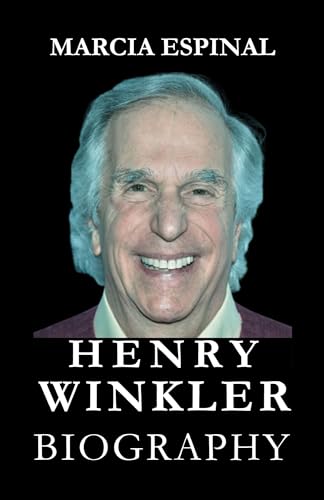
Even Henry Winkler, primarily recognized for his comedic roles, notes the inspiration he drew from Heston’s powerful portrayals. This awareness initiated Winkler’s exploration of more dramatic roles, expanding his range as an actor. It shows how Heston’s influence transcended genres, impacting all avenues of acting.
Meanwhile, the whimsical approach brought forth by Willy Wonka, played by Gene Wilder, serves as a stark contrast to Heston’s often serious portrayals. Yet, this juxtaposition illustrates Heston’s mastery in serving the needs of the narrative, reminding us that both sides of character complexity are vital in storytelling.
The Enduring Legacy of Charlton Heston in Modern Film
Charlton Heston’s impact on cinema knows no bounds, transcending his lifespan through the art and craft of filmmaking. His performances set a high bar for epic storytelling, reminding filmmakers to intertwine human essence with grand narratives. Heston’s enduring characters showcased that true heroism lies not just in action but in vulnerability, emotion, and moral complexity.
As modern filmmakers spin epic tales, from Gladiator to Dunkirk, one can see Heston’s influence echoed in the richness of character development and the ethical dilemmas characters face. Filmmakers consistently create narratives that engage not just the mind but the heart, a legacy that Heston has undoubtedly inspired.
In 2026, as we reflect on Charlton Heston’s life and career, it is evident that his impact resonates deeply within the fabric of contemporary cinema. His fearless pursuit of diverse roles, dedication to his craft, and ability to engage audiences ensure his significance as an iconic figure in epic cinema will live on.
Heston’s unique ability to inject both grandiosity and tenderness into his characters teaches us timeless lessons about humanity. This richness remains a crucial aspect of modern storytelling, reinforcing that solidarity and the human experience will always be at the core of great cinema.
Through his many memorable films, whether it be as the determined Moses or the questioning Taylor, Heston’s legacy is an enduring reminder that the soul of cinematic storytelling lies in the truth of its characters.

Charlton Heston: The Legendary Icon of Epic Cinema
Behind the Scenes of a Titan
Charlton Heston, that larger-than-life figure known for his epic roles, had quite the fascinating journey. Did you know he attended Northwestern University, where he studied drama? This foundation led to a career that spanned over six decades, making him a household name. He became a poster child for iconic roles, especially in epic films like “Ben-Hur,” where he delivered a performance that was nothing short of legendary. Interestingly, Heston’s gripping portrayal brought to mind the high-stakes narratives seen in movies like Kursk, where the tension grips audiences from start to finish.
Transitioning from stage to screen, Heston wasn’t afraid of taking risks. He was an early advocate for social causes, often using his platform to shed light on issues like drug addiction. His advocacy efforts reflect a side of him that’s less known but matters deeply, just like the tendrils of intricate relationships explored in shows like Loudermilk. By actively engaging with such causes, Heston showcased an impressive blend of star power and social responsibility.
Diverse Interests and Uncommon Facts
Beyond the cinema, Heston had a rich personal life filled with intriguing stories. Did you realize he was an avid outdoorsman? He loved hunting and fishing, spending his downtime immersed in nature. This love for adventure resonates with themes found in films exploring deep connections, including those navigating familial ties, much like the close relationships portrayed in stories about lesbian sisters. Such passions delivered a more relatable side to the man behind the screen.
Heston also had an impressive knack for oratory, thanks to his fierce dedication to the craft. He was able to command a room, reminiscent of the strong female leads we often see, much like Princess Leia in Star Wars. He was not just a serious actor but also a voice that echoed in every speech and interview, making his words carry weight. Speaking of influence, you can catch Heston’s dramatic flair in gems like Death on The Nile, where he wove suspense and character depth effortlessly. That ability to meld gravitas with engaging storytelling is part of what cements Charlton Heston as an enduring icon of cinema.