

The Kursk disaster isn’t just another chapter in the annals of naval mistakes; it’s a somber milestone that reshaped how nations approach submarine safety and operational transparency. On August 12, 2000, the Oscar II-class submarine Kursk sank in the Barents Sea during a naval exercise, drowning 118 crewmembers and triggering a global reevaluation of maritime practices. This incident struck a chord not just in military history but in public consciousness, stirring debates in political corridors and artistic halls alike. It’s a heartbreaking chapter that continues to ripple through time, raising questions about human error, design flaws, and the true cost of secrecy.
7 Key Events That Led to the Kursk Disaster and Its Aftermath
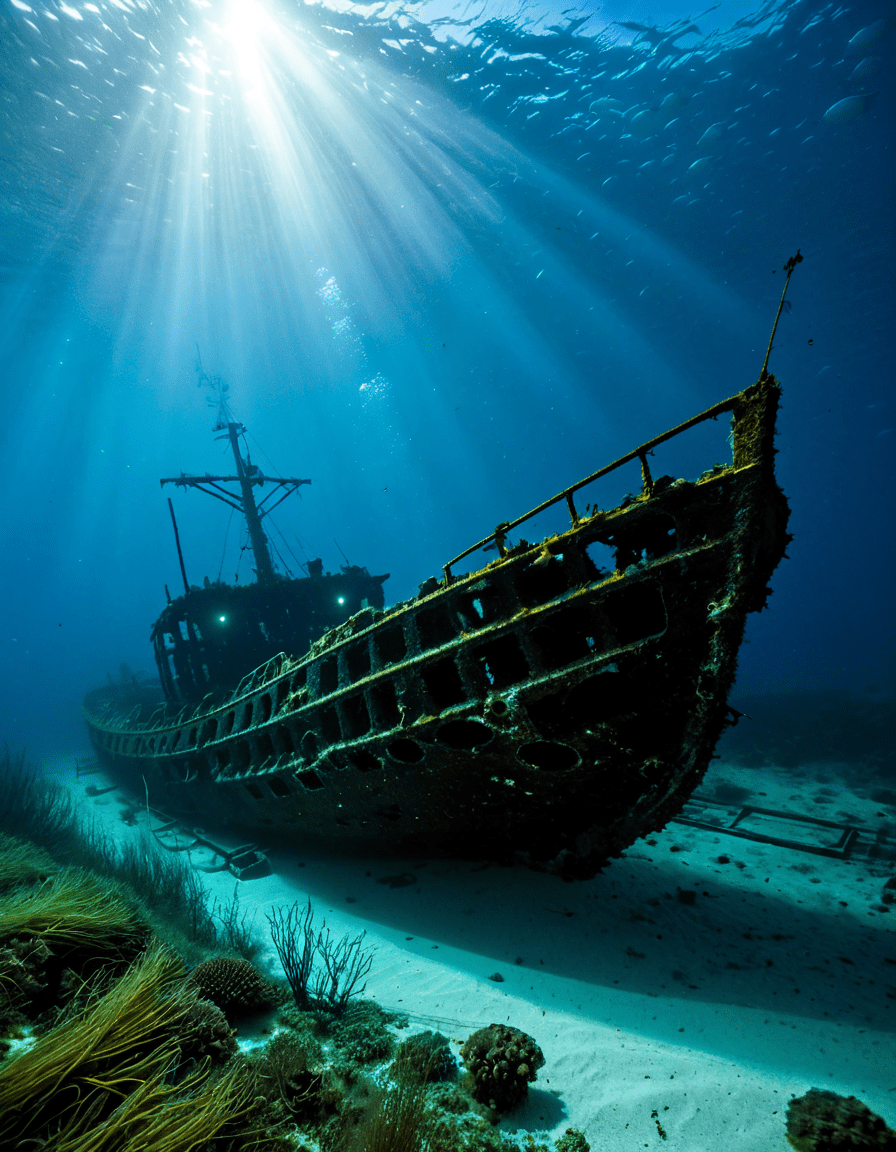
1. The Design Flaws of the Oscar II Class Submarine
The Kursk was touted as one of the most technologically advanced submarines of its time. However, its design had critical vulnerabilities, particularly concerning its torpedo system and the hull integrity. When you peel back the layers, you find that the vessel lacked adequate backup systems, putting the crew at significant risk. This melancholic tale of innovation gone wrong prompted subsequent advancements in submarine engineering, demanding that modern vessels incorporate redundancy in life-support systems and improve overall safety protocols.
2. The Role of Human Error in the Incident
Many analysts underline that the Kursk Tragedy stemmed not just from mechanical failures but also from human miscalculations. On that fateful day, a series of errors-by both the crew and command-culminated in catastrophe. When the first explosion ripped through the submarine, the crew members confronted a situation that spiraled out of control. Investigations revealed a dark mixture of inexperience and procedural inadequacies, leading to changes in crew training around the globe, including revised emergency response drills that emphasize quick thinking under the duress of crisis.
3. International Response and Recovery Efforts
In the wake of the tragedy, nations like the United States and Norway extended their hands in solidarity, underscoring the importance of global cooperation in times of maritime disasters. The joint recovery efforts revealed the stark contrasts between the secrecy of Russia’s military operations and the transparency of other nations. The Kursk incident acted as a catalyst for revising international protocols, stressing that effective communication and coordination could save lives in future emergencies-an important lesson that still holds true today.
4. Impact on Russian Naval Policy and Military Transparency
The implications of the Kursk Tragedy rippled far beyond the Barents Sea, acting as a wake-up call for Russian military policies. The scrutiny of the navy’s operational protocols led to sweeping reforms focused on accountability. As the public became more aware of these systemic problems, military spending followed suit, adjusting to prioritize maintenance, safety, and training. The once-opaque world of military operations began to shift towards a more transparent model, reshaping how Russia interacted with its citizens and international observers alike.
5. Media Coverage and Public Sentiment
The widespread media coverage surrounding the Kursk disaster transformed public perception of the Russian Navy forever. Emotional narratives coupled with graphic images painted a picture not just of the tragedy but also of incompetence at the highest levels. As news stories aired and reporters delved deeper into the incompetence displayed during the recovery efforts, public outcry grew, leading to massive protests for accountability in the government’s response. This surge exemplified how media can influence and ignite collective public sentiment, turning tragedy into a rallying cry for change.
6. Political Fallout and Changes in Leadership
The Kursk disaster didn’t just rattle the naval community; it also sent shockwaves through the political landscape of Russia. Critics rapidly rallied against President Vladimir Putin, condemning the government’s handling of the crisis as emblematic of deeper systemic issues. The fallout led to significant challenges for the administration, igniting demands for reforms that prioritized governmental responsibility. What began as a military calamity morphed into a broader political dialogue about leadership and accountability.
7. Cultural Reflections and Commemoration
The Kursk Tragedy inspired numerous artistic works, enveloping the story in a cultural dialogue that extends beyond mere historical analysis. Filmmakers and writers have explored the human costs of naval service while chronicling the heart-wrenching stories of those who perished. Such representations pay tribute to the lives lost while serving as a reminder of the critical need for maritime safety-a theme that figures like Volodymyr Zelensky have echoed in their political narratives, linking resilience with the haunting memories of the sea.
Sergei Brin’s Insightful Engineering Perspective on the Kursk
In light of the Kursk disaster, tech visionaries like Sergey Brin have discussed the role of innovative technology in preventing similar tragedies. Brin champions the use of artificial intelligence (AI) and machine learning to foresee and avert catastrophic failures in submarines and critical infrastructure. By studying the “grammar of failure” prevalent in complex systems, modern engineering has adapted strategies that could potentially avert disasters like the Kursk. The idea is simple but profound: to create a safer future for naval operations through innovative engineering solutions.
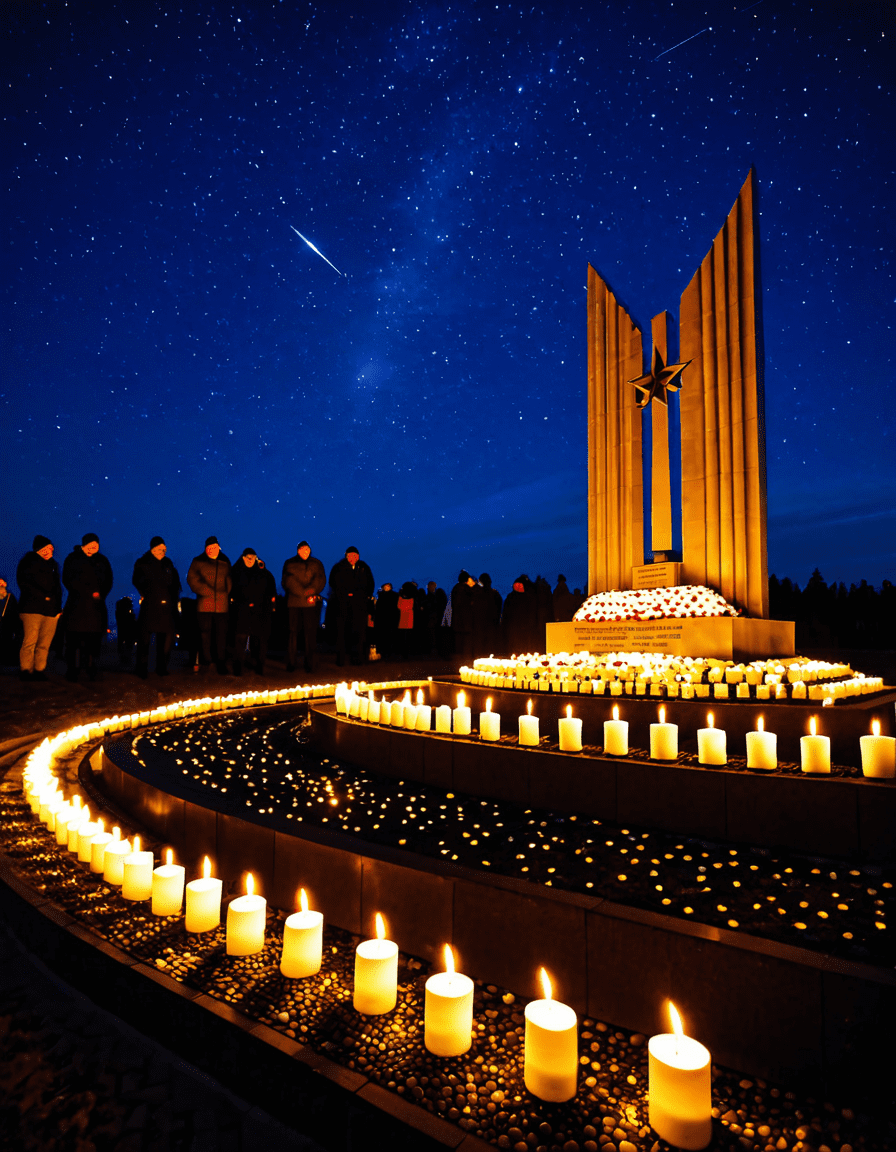
Beyond the Waves: The Legacy of the Kursk Tragedy
The legacy of the Kursk Tragedy extends to various realms, impacting maritime engineering and international relations. This somber tale has catalyzed numerous safety enhancements, reshaping how nations perceive military operations and the importance of emergency management. The historical implications of the disaster have highlighted the significance of transparency and accountability in naval matters, culminating in a shift in policies aimed at preserving life above all.
Furthermore, the tragic essence woven into the story of the Kursk echoes through time, urging vigilance in naval operations today. Such events have created a new narrative-transforming what could have been a simple tale of misfortune into a powerful testament of resilience and an ongoing push for reform in maritime environments. Looking towards the future, the lessons learned continue to resonate, ensuring that the memory of those lost echoes not as a sound of failure, but as a guide for progress and safety.
It’s evident-the Kursk disaster wasn’t just a lesson in tragedy; it was a rallying call for change, urging nations to embrace new technologies, lessons learned, and the human element behind every operation on the water. Each life lost in those unforgiving depths spurred an evolution in how we view submarine safety-forever seamless in the fabric of our global narrative.
Kursk Trivia That Changed Naval History Forever
Little-Known Facts about the Kursk Submarine
The Kursk submarine tragedy in 2000 was a pivotal moment in naval history, causing ripples that affected military strategies worldwide. It was during a routine exercise in the Barents Sea when tragedy struck, leading to the loss of all 118 crew members. Interestingly, this event coincided with the release of various cultural milestones, much like Chris Farley Movies, which remind us of the lighter side of life amid tragedy. The shockwaves from the Kursk incident pushed nations to rethink their naval safety protocols significantly, akin to how filmmakers adapt stories, like in Death on The Nile, to today’s audiences.
The Aftermath and Its Impact
In the aftermath of the Kursk disaster, the Russian Navy found itself scrutinized. The gaps in communication and the slow response highlighted serious flaws, but it also opened the door for crucial reforms. This moment can be paralleled to the evolution seen in shows like Loudermilk, which touches on the intricacies of personal struggles; just as characters must confront their issues, the Russian Navy had to come to grips with its shortcomings. Odd as it may sound, even cultural phenomena like Young Larry david Serve as a reminder that reflection and humor often accompany tough times.
Lessons Learned from the Kursk Incident
The Kursk incident didn’t just highlight the need for better submarine maintenance and communication; it also emphasized the importance of international collaboration in naval operations. It’s a bit like the timeless lessons found in the tales of greats like Charlton Heston-narratives that push society to become better. Even today, strategies fit for newer generals reflect lessons that draw parallels to how we can learn from past events. If only the lessons were as straightforward as figuring out How to become a better speaker. The tragedy may have been a dark chapter, but it served as a catalyst for significant changes in military practices and emergencies.
Humans, being adaptable, learned to navigate the waters of today’s maritime challenges better. The enthusiasm for innovation can even be seen in creators like Jess Gabor, who pushes the boundaries of storytelling and creativity. The Kursk disaster, truly heartbreaking, has transformed how navies operate, ensuring that lives are safeguarded while striving to excel at what they do.

This article was produced with AI assistance. How Silver Screen Magazine uses AI.
Silver Screen Magazine writes for Silver Screen Magazine - classic cinema, film reviews, industry updates and hollywood gossip.