Great lines from films don’t always come from comedies. Some of the most quoted moments in cinema history emerge from Tense dramas, chilling thrillers, or sweeping epics-only to be reborn as punchlines at parties, in texts, and across social media. These lines endure not just for their wit, but for the alchemy of timing, delivery, and cultural memory that turns a single phrase into a shared laugh.
What Makes a Movie Line Stand the Test of Time-And Still Kill at Parties?
Certain movie lines transcend their scenes, embedding themselves in the rhythm of everyday speech. They’re repeated not just because they’re clever, but because they capture a universal feeling-defiance, irony, or absurd confidence-in a way that feels both exaggerated and true. A well-placed line can summarize an attitude, mock a situation, or punctuate a moment with perfect comedic timing.
These Quotes Often gain new life outside the theater. What was once a dramatic declaration becomes a playful jab among friends or a knowing nod in conversation. The shift from serious to silly isn’t a flaw-it’s a sign of cultural absorption, where the public reshapes art into communal shorthand.
The most resilient lines share common traits: brevity, rhythm, and a twist that surprises the ear. Whether delivered with a smirk or a straight face, they linger because they’re Usable-flexible enough to fit a breakup, a work meeting, or a toast at a wedding. It’s no wonder that even Funny senior Quotes Pulled from yearbooks often echo the cadence of cinema’s greatest zingers-because we learn how to land a joke by watching the masters.
The Unexpected Genius Behind Seemingly Silly One-Liners
Not all humor in film comes from punch-ups or slapstick. Some of the sharpest laughs arise from lines that, on the surface, appear dead serious. The genius lies in the contrast-when a character delivers a line with absolute conviction, only for the audience to recognize its unintentional absurdity.
These moments often rely on context. A villain’s ominous warning might sound ridiculous when repeated at a barbecue. A hero’s solemn vow can become a Meme When divorced from its dramatic backdrop. The humor isn’t in the words alone, but in the gap between intention and reception.
Consider how often a line gains comedic weight through repetition. Once it’s been imitated, parodied, or misapplied, the original gravity fades, replaced by a wink. This transformation isn’t a betrayal of the film-it’s proof of its Impact. When a quote becomes a running joke, it means the audience hasn’t just watched the movie; they’ve taken it home.
When Heroes Drop Punchlines Instead of Fists
Action heroes don’t always win with muscle. Some of the most memorable victories in Cinema Come not from explosions or fight choreography, but from a single, perfectly timed line. In these moments, wit becomes the ultimate weapon-a way to deflate tension, assert dominance, or simply remind the audience that the hero is always two steps ahead.
This trend reached its peak in the 1980s and 1990s, when leading men began trading grim silence for rapid-fire quips. The shift changed audience expectations: now, a hero wasn’t just brave or skilled-he had to be Funny. A one-liner after a car chase or shootout became as essential as the stunt itself.
But the best of these lines don’t feel forced. They arise from character, not script mandates. When a hero cracks a joke in the middle of chaos, it reveals confidence, control, or a refusal to be broken by the moment. That’s why such lines stick-they’re not just jokes, they’re declarations of resilience.
How Absurdity in High-Stakes Moments Creates Unforgettable Humor
There’s a special kind of comedy that erupts when the tone of a scene doesn’t match the words being spoken. A character might deliver a life-or-death ultimatum with the calm of a weather report, or declare eternal love in the middle of a shootout. These contrasts create humor that feels both surprising and earned.
Absurdity works because it mirrors real life. People often respond to stress with inappropriate jokes or oddly specific observations. When films capture that impulse, the result feels authentic-even if the situation is wildly exaggerated. The humor isn’t just in the line, but in the recognition of human behavior under pressure.
This kind of comedy also allows audiences to breathe. In the middle of a tense sequence, a sudden quip can release built-up tension, making the story more dynamic. It’s a balancing act-too much, and the stakes feel cheapened; just right, and the moment becomes iconic.
From Deadpan Delivery to Over-the-Top Zingers: Timing Is Everything
Comedy in film is less about the joke and more about the rhythm. A line delivered a beat too early or too late can fall flat, no matter how clever it is. The best comedic actors understand this instinctively-they treat silence like a co-star, letting tension build before releasing it with a single word.
Deadpan delivery, in particular, thrives on restraint. When a character states something outrageous with complete seriousness, the contrast generates laughter without effort. Think of a detective calmly describing a bizarre crime scene or a robot interpreting human emotion with literal precision.
On the other end of the spectrum, over-the-top zingers rely on energy and exaggeration. These lines are meant to land like fireworks-bright, loud, and impossible to ignore. Whether whispered or shouted, the key is precision. The pause before the punchline, the glance to camera, the slight shift in posture-these micro-moments shape how we hear the words.
Why the Pause Before the Punchline Matters More Than the Joke Itself
Silence is one of the most powerful tools in a performer’s arsenal. A well-placed pause can heighten anticipation, emphasize irony, or create space for the audience to lean in. In comedy, that silence often does more work than the punchline itself.
Consider a scene where a character delivers news that’s clearly going to be followed by a joke. The delay-just a fraction of a second-lets the audience prepare, wonder, and ultimately laugh harder when the line lands. It’s a technique used by masters of both drama and comedy, from Cary Grant to Steve Martin.
This timing isn’t accidental. Directors and actors rehearse these beats like musical notes, adjusting duration for maximum effect. A pause that’s too long risks confusion; too short, and the joke gets lost. When it’s perfect, the line feels inevitable.
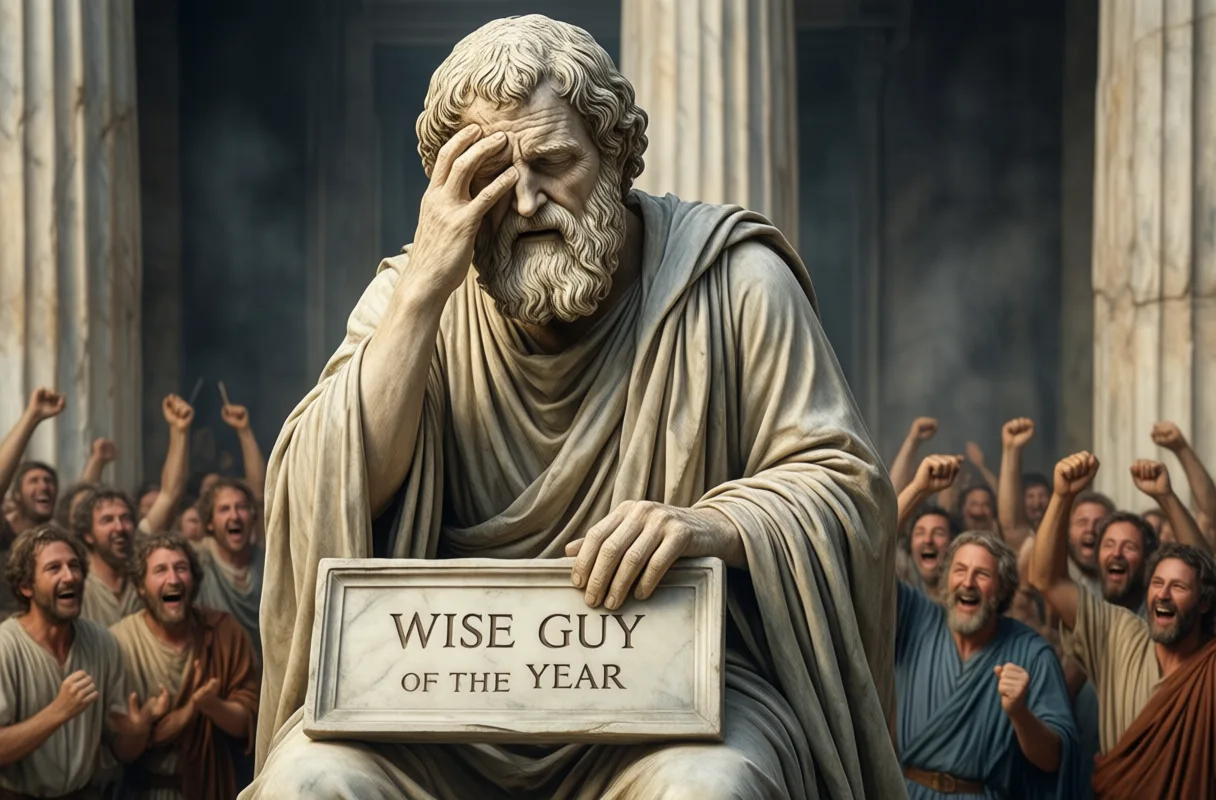
7 Iconic Lines That Turned Serious Scenes Into Comedy Gold
Some movie quotes begin as dramatic high points but evolve into comedic touchstones. Repeated in new contexts, mimicked at parties, or used ironically in daily life, these lines take on a second life far removed from their original intent. Their transformation speaks to the fluid nature of pop culture-and the unpredictable journey of a well-delivered line.
“I’m walking here!” – A Street Protest That Became a Comedic Cry
In Midnight Cowboy, Dustin Hoffman’s cry of frustration during a chaotic New York street scene was a moment of raw vulnerability. He’s not just dodging traffic-he’s asserting his presence in a city that ignores him. At the time, it was a cry of survival.
But over the decades, the line has been stripped of its context and repurposed as a comedic shield against minor inconveniences. Now, it’s quoted when someone cuts in line or steps on a foot-always with exaggerated indignation.
The irony is that the humor comes from the overreaction. The line works as a joke because it’s wildly disproportionate to the situation. And yet, that’s exactly what made it powerful in the first place: a small man demanding to be seen.
“Here’s Johnny!” – Horror Meets Home Improvement with a Grin
Jack Nicholson’s chilling axe-through-the-door moment in The Shining Was meant to inspire dread. The line, borrowed from a television show, was twisted into a threat-sudden, violent, and unforgettable. At the time, it was pure horror.
But because Johnny Carson’s Tonight Show Intro was so deeply embedded in American culture, the line couldn’t stay terrifying forever. It seeped into comedy sketches, late-night monologues, and even home renovation videos. Now, it’s as likely to be shouted while opening a closet as a cabin door.
The shift from fear to fun shows how familiarity dulls the edge of even the scariest moments. When a line becomes too recognizable, it loses its power to shock-and gains the power to amuse.
“You talkin’ to me?” – A Mirror Monologue That Defined Improvised Swagger
Robert De Niro’s soliloquy in Taxi Driver Was a portrait of isolation and unraveling sanity. Alone in his room, Travis Bickle rehearses a confrontation that may never happen. The line isn’t directed at anyone-it’s a performance of power by someone who feels powerless.
Yet, the rhythm, the posture, the slow build of intensity made it instantly imitable. The line escaped the film and entered the lexicon as a go-to for anyone pretending to be tough. It’s been quoted in sports arenas, comedy routines, and even political satire.
What makes it so durable is its openness. “You talkin’ to me?” Doesn’t need an answer-it invites one. That ambiguity is what allows it to be serious in one moment and ridiculous the next.
“I find your lack of faith disturbing” – Villainous Shade Served with Chill
Darth Vader’s rebuke in Star Wars Was delivered with icy authority. It wasn’t just a complaint-it was a threat wrapped in calm. The line underscored his power, not through rage, but through absolute certainty.
Over time, however, the phrase has been softened into a playful dig. It’s used when someone doubts a recipe, a sports prediction, or a weekend plan. The line’s formality makes it perfect for ironic understatement.
Like many great quotes, its humor now comes from context collapse-the jarring mismatch between its original weight and its modern trivial use. Saying it at a potluck carries the ghost of galactic tyranny, which is exactly what makes it funny.
“Nobody puts Baby in a corner” – Romance, Drama, and a Surprise Meme Legacy
In Dirty Dancing, Patrick Swayze’s declaration is the emotional climax of a story about love, class, and self-expression. It’s sincere, passionate, and earned. At the time, it was a moment of triumph.
But the line’s theatrical delivery and dramatic buildup made it ripe for parody. Today, it’s quoted when someone is excluded from a group chat, denied dessert, or left out of a photo. The exaggeration is the joke.
Still, the line’s endurance suggests something deeper. Even when used for laughs, it carries a kernel of its original meaning-a defense of dignity, of belonging. That duality is what makes it timeless.
“Keep your friends close, but your enemies closer” – Advice So Smooth, It’s Quoted at Office Parties
This line, spoken in The Godfather Part II, is a lesson in manipulation and strategy. It’s not just caution-it’s a philosophy of control. In context, it’s chilling.
Yet, its elegance has made it a favorite in less dangerous settings. It appears in motivational posts, business seminars, and yes, office holiday parties. The line sounds wise even when the situation is trivial.
Its appeal lies in its duality: it feels both Machiavellian and practical. When quoted today, it’s often with a smirk-a nod to the idea that everyone’s playing the game, even if the stakes are just who brought the best appetizer.
“I’m going to make him an offer he can’t refuse” – Power, Persuasion, and Endless Parody Fuel
Spoken by Marlon Brando in The Godfather, this line is the essence of quiet power. It’s not a threat-it’s a statement of fact. The calm delivery makes it more menacing than any shout could be.
But its cultural saturation has softened its edge. It’s now used when convincing a friend to try a new restaurant or deciding who takes out the trash. The line’s gravitas makes the mundane feel momentous.
And because it’s been referenced in cartoons, commercials, and sitcoms, it carries a built-in awareness. When someone says it today, they’re not just quoting a film-they’re quoting the Idea Of the film, which is often funnier than the original.
Why Context Turns Dramatic Lines into Accidental Comedy
A line’s meaning isn’t fixed. It shifts depending on who says it, where, and when. The same words that inspire chills in a dark theater can provoke giggles at a family dinner. This fluidity is what allows classic movie quotes to remain relevant across generations.
When a quote is removed from its original setting-its music, lighting, and narrative weight-it becomes raw material for reinterpretation. Audiences dissect it, exaggerate it, and reapply it. The result is often comedy, not because the line was funny to begin with, but because the new context makes it absurd.
This process isn’t unique to film. It happens with political speeches, religious texts, and even scientific quotes. But movies, with their memorable phrasing and iconic performances, are especially vulnerable to this kind of transformation.
The Fine Line Between Intensity and Imitation in Pop Culture
There’s a thin boundary between honoring a film and mocking it. When audiences quote lines too freely, they risk reducing powerful moments to punchlines. Yet, imitation is also a form of admiration-a way of keeping the film alive in daily conversation.
This tension is especially visible in films like Funny Games, a disturbing exploration of violence and spectatorship. The original Austrian version and its American remake challenge viewers’ complicity in on-screen cruelty. It’s not a film built for quotable one-liners-yet its unsettling calm has inspired discussion about the Funny games We play with media morality.
The line between reverence and ridicule isn’t always clear. But when a quote persists, it means the film touched something real-whether it was fear, desire, or the need to laugh in the face of drama.
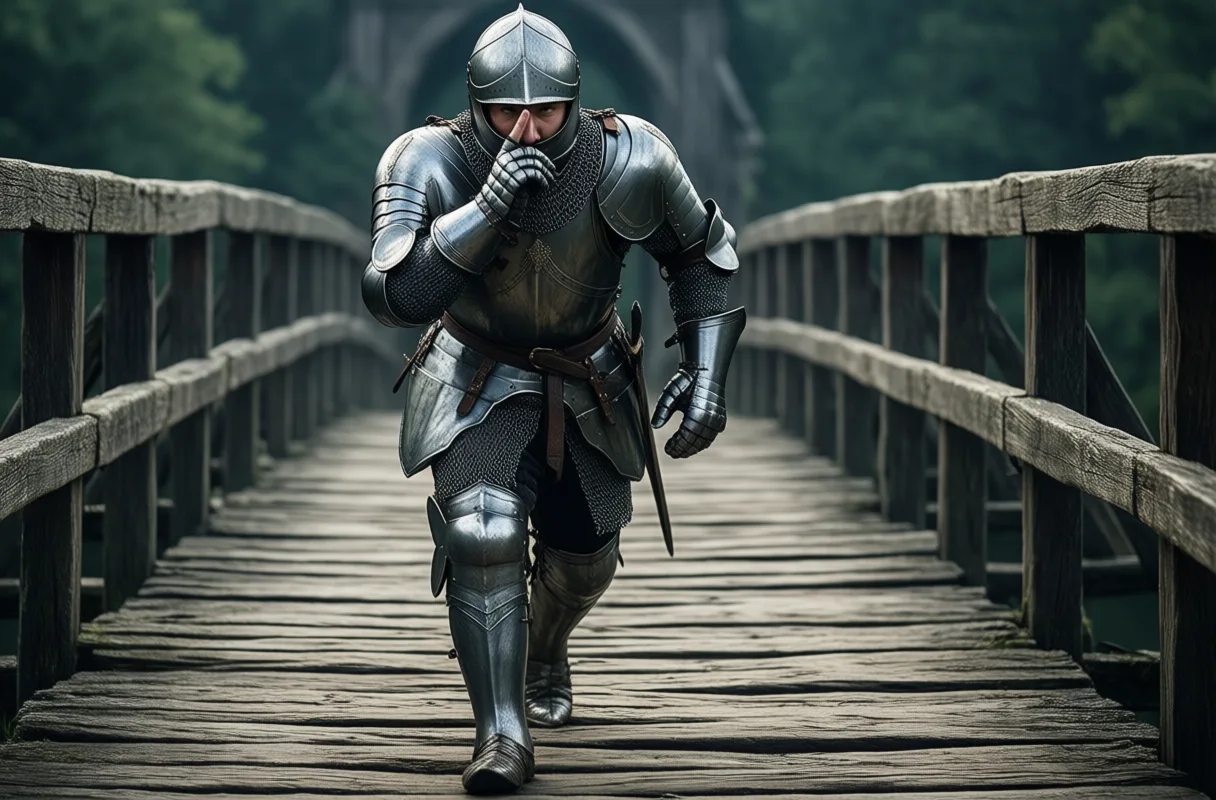
How These Quotes Sneak Into Everyday Conversations Without Anyone Noticing
Movie lines don’t always announce their presence. Often, they slip into speech so naturally that we forget they originated on screen. “Make it so,” “Just do it,” “You had me at hello”-these phrases feel like part of the language, not borrowed lines.
They appear in emails, conversations, and even legal arguments. A manager might say, “I’m going to make him an offer he can’t refuse,” when negotiating with a vendor, unaware of the full weight behind the words. The quote works because it’s efficient-packed with implication in just a few syllables.
This stealth integration is the highest form of cultural impact. When a line becomes indistinguishable from everyday speech, it means the film has seeped into the bloodstream of the culture.
From Work Emails to Wedding Toasts: The Stealthy Spread of Silver Screen Humor
It’s not uncommon to hear a best man quote The Princess Bride Or a CEO drop a Wolf of Wall Street Line in a keynote. These references add flavor, signal shared understanding, or simply break the ice. The more iconic the line, the safer the bet.
Even somber occasions borrow from comedy. A eulogy might include a loved one’s favorite movie quote, transforming grief into warmth. A graduation speech might use a dramatic line to inspire, knowing the audience will recognize its power.
And in quieter moments, people reach for these lines because they’re Ready-made. They’ve been tested by time, polished by repetition, and proven to land. Whether used seriously or with a wink, they carry the echo of the silver screen.
The Last Laugh: When a Single Line Outlives the Film It Came From
Some movies fade from memory, but their lines endure. A film might be forgotten, its plot unclear, its stars retired-but one phrase remains, passed from mouth to mouth like a secret handshake. That’s the power of a perfect line.
It doesn’t need to be funny to become funny. It just needs to be Sayable-something that fits in the palm of the hand, ready to be tossed into conversation at the right moment. The best lines feel both surprising and inevitable.
In the end, the laugh isn’t just about the words. It’s about recognition, connection, and the shared joy of quoting something that, for a second, made us feel larger than life.
| Quote | Original Context | Modern Use |
|---|---|---|
| I’m walking here! | Moment of vulnerability in Midnight Cowboy | Comedic protest against minor inconveniences |
| Here’s Johnny! | Chilling axe scene in The Shining | Playful shout when opening doors or closets |
| You talkin’ to me? | Isolated monologue in Taxi Driver | Go-to line for pretending to be tough |
| I find your lack of faith disturbing | Threat from Darth Vader in Star Wars | Ironic dig at doubting plans or recipes |
| Nobody puts Baby in a corner | Emotional climax in Dirty Dancing | Meme response to exclusion from small groups |
| Keep your friends close, but your enemies closer | Strategic advice in The Godfather Part II | Quoted at office parties or casual rivalries |
| I’m going to make him an offer he can’t refuse | Quietly menacing line in The Godfather | Used humorously in everyday negotiations |
When Movie One-Liners Steal the Show
Some movie quotes become iconic not because they’re profound, but because they’re perfectly timed, absurdly delivered, or just plain ridiculous in context. Think of William Shatner’s dramatic “KHAN!” In Star Trek II: The Wrath of Khan-over-the-top and endlessly memed, yet somehow still hilarious decades later. These lines often catch us off guard, turning serious moments into comedy gold simply through sheer intensity or awkward delivery.
Accidental Comedy and Unforgettable Delivery
Sometimes, the funniest lines weren’t even meant to be jokes. In The Shining, Jack Nicholson’s unhinged “Here’s Johnny!” Wasn’t scripted word-for-word; it was an improvised nod to Johnny Carson’s Tonight Show Intro, and it instantly became one of the most quoted horror-comedy moments in film history. Similarly, Danny Glover’s exasperated “I’m getting too old for this sT” in Lethal Weapon Wasn’t just a throwaway line-it captured a universal feeling and launched a catchphrase that lived far beyond the movie. Even seemingly small quips, like Ron Burgundy’s deadpan “I’m kind of a big deal” in Anchorman, gain legendary status through sheer confidence and absurdity.
Not all memorable lines come from comedies, and not all comedies rely on dialogue-some, like Funny Games, use discomfort and irony to unsettle and provoke laughter in the most unexpected ways. This psychological thriller plays with audience expectations in ways that blur the line between horror and satire, proving that even the most disturbing films can have moments that shock you into laughter-though not always for the reasons you’d expect. For more on how tone can twist expectations, check out this deep dive into funny games: 3 Shocking Truths Behind The Most Disturbing Movie Ever. And if you're in the mood for lines that celebrate life’s quirks with a wink, you’ll love these Funny Senior Quotes That Will Make You Roar With Laughter, where timing and truth collide in the best possible way.
Frequently Asked Questions
Why do serious movie lines become funny over time?
Lines gain humor when reused in everyday situations, creating irony through context collapse. Familiarity softens their original intensity, turning drama into comedy.
What makes a movie quote memorable and reusable in conversation?
Memorable quotes are brief, rhythmic, and contain a surprising twist. They feel both exaggerated and true, making them flexible for various real-life moments.
How does delivery affect the comedic impact of a movie line?
Timing, pauses, and tone shape how a line lands. Deadpan delivery creates contrast, while over-the-top energy makes zingers impossible to ignore.
Can improvised movie lines become iconic even if not meant to be funny?
Yes, improvised lines like 'Here’s Johnny!' Or 'I’m getting too old for this s t' became legendary because they captured raw, relatable emotion with perfect timing.
This article was produced with AI assistance. How Silver Screen Magazine uses AI.
Simone Reyes tracks shifts in film distribution and digital platforms with clarity and foresight, translating complex trends into accessible insights. She bridges the gap between corporate moves and viewer experience, illuminating how the business shapes what we watch.