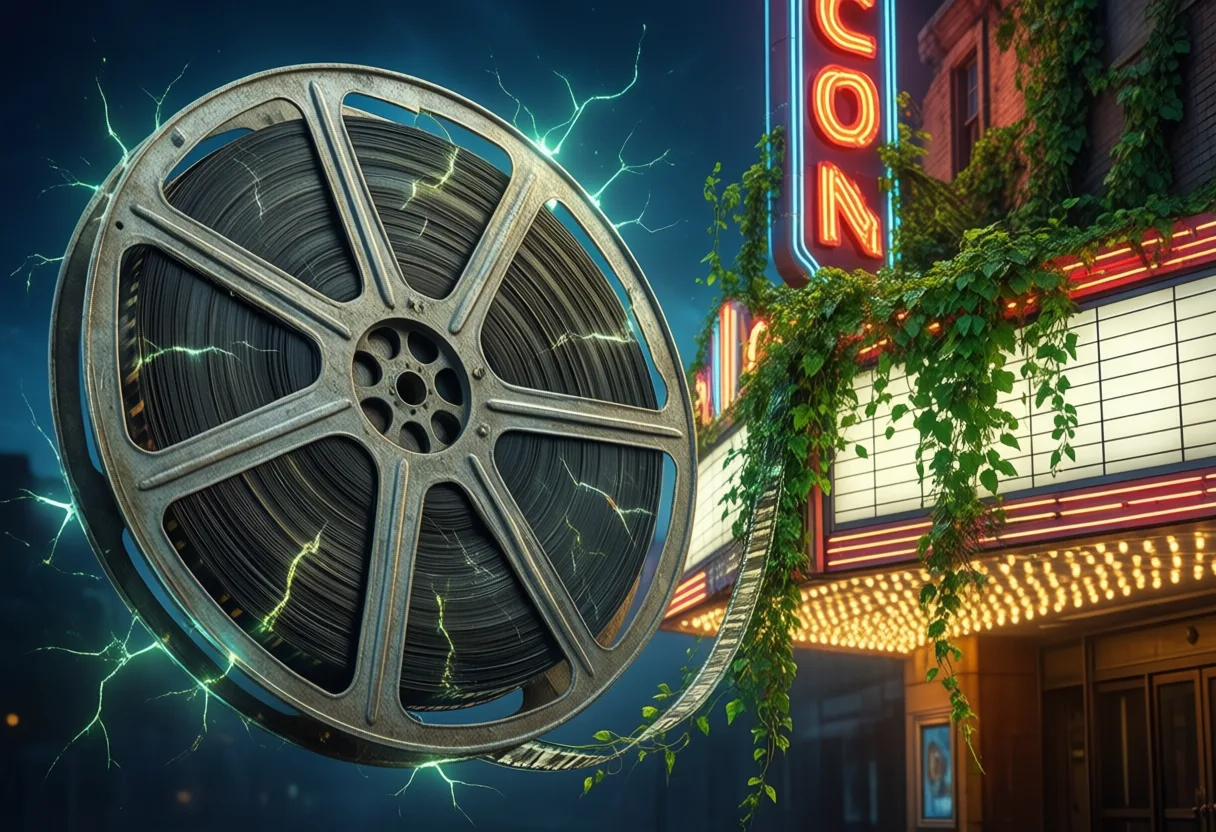
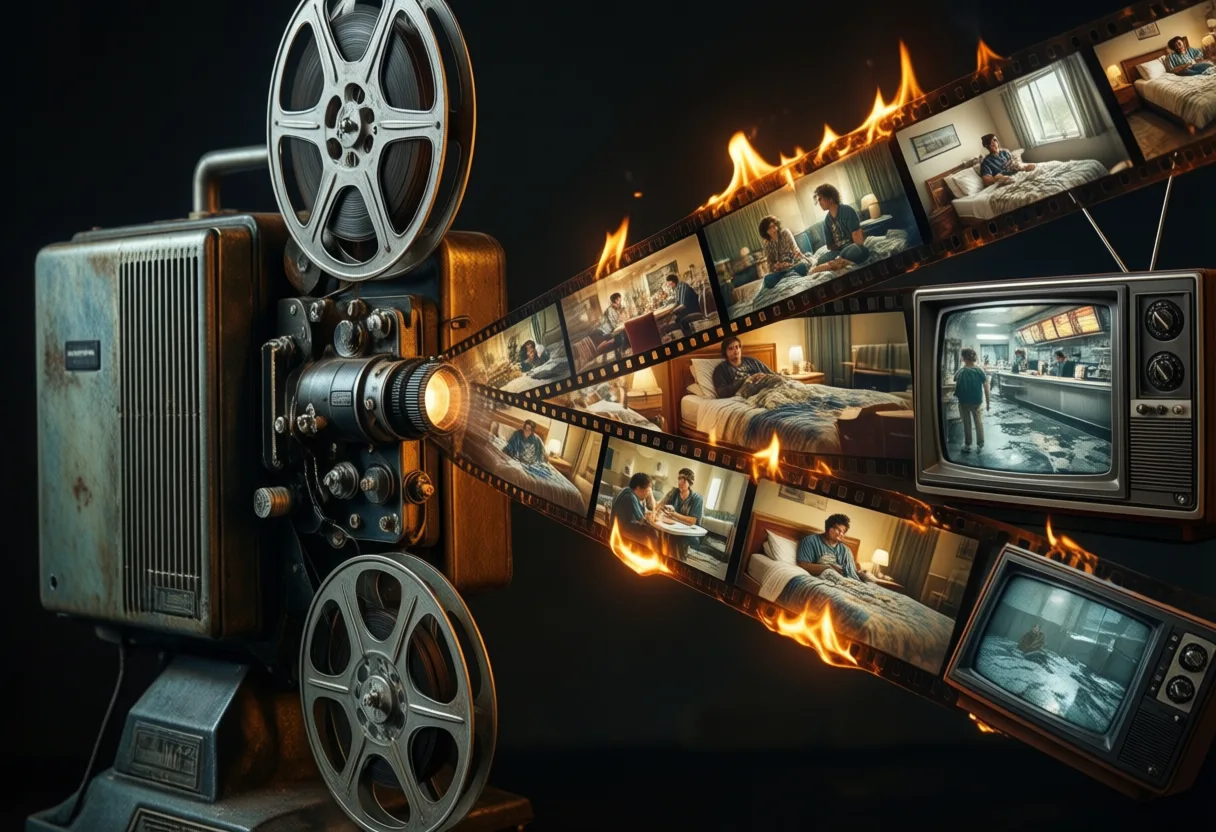
The 1990s didn’t just give us better hair and questionable fashion choices - they handed cinema a live wire. Suddenly, the movies weren’t just entertainment; they were cultural earthquakes wrapped in film reels.
You could feel it in the air: a shift, a crackle, something restless and new. The decade pulsed with a kind of creative urgency - raw, unfiltered, and impossible to ignore.
What Made 90s Cinema Resonate Across Decades?
There was a texture to 90s films That no amount of digital polish has ever quite replicated. They were gritty when they needed to be, dreamy when they dared, and often unafraid to sit in the uncomfortable silence between people who didn’t know how to talk to each other.
The best of them felt like they were Made By people who had something to say - not just something to sell. Directors weren’t just executing studio notes; they were wrestling with identity, alienation, and the strange new world of post-Cold War America.
- Characters felt lived-in, flawed, and real.
- Dialogue snapped with authenticity, not just quips.
- Stories often embraced ambiguity over tidy endings.
It wasn’t about perfection. It was about honesty. A teenager staring out a diner window at 2 a.m. Could see themselves in these films - not as a demographic, but as a person.
The camera lingered. The music didn’t always tell you how to feel. And for a brief moment, Hollywood seemed to remember that audiences were smart enough to connect the dots.
Why Did a Single Decade Produce So Many Cultural Touchstones?
Let’s be honest - we’re still quoting these movies at parties, still referencing them in memes, still arguing about who shot first in that diner scene. The 90s didn’t just produce hits; they forged myths.
Something about the era created the perfect storm: rising home video, the dawn of the internet, and a Generation Of filmmakers who’d grown up on Spielberg and Scorsese but wanted to tear up the playbook.
- Studios took risks on oddball premises that today would be focus-grouped into oblivion.
- Cable TV kept films in circulation long after their theatrical runs.
- Word-of-mouth traveled fast - not through algorithms, but through real conversations.
It wasn’t just box office numbers. It was watercooler debates, dorm room screenings, dog-eared VHS tapes passed between friends. These films became part of the Language.
A single line - delivered deadpan, or screamed in anguish - could echo for decades. And somehow, even the flops had soul.
There was a sense that anything could happen, that the next film might change how you saw the world. That kind of electricity doesn’t come around often.
The Quiet Revolution of Independent Storytelling
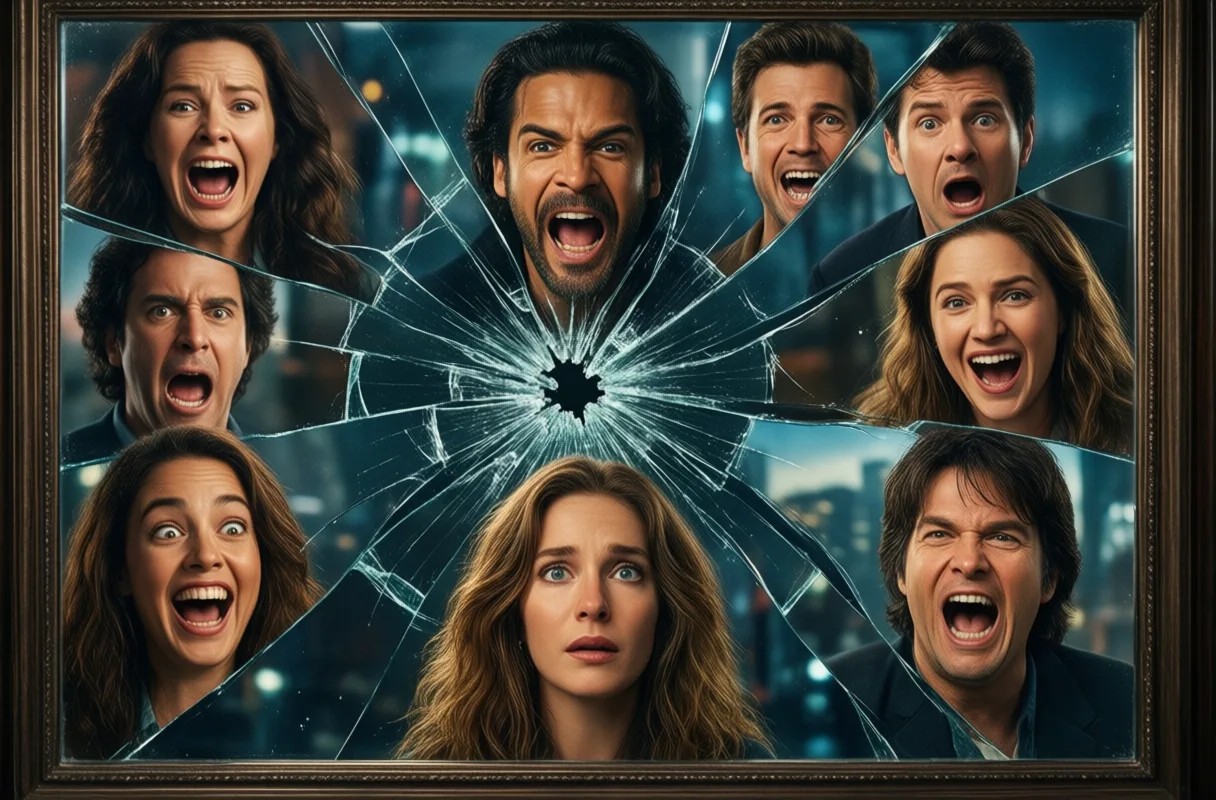
While the studios pumped out sequels and special effects spectacles, something else was happening in the back rooms of Sundance and tiny theaters in downtown Manhattan. The indie wave wasn’t just a trend - it was a rebellion.
Filmmakers with shoestring budgets and something to prove started making movies that didn’t look or sound like anything on the multiplex marquee.
- Stories about aimless drifters, broken families, and quiet desperation found audiences.
- Natural lighting, handheld cameras, and non-professional actors became signatures, not compromises.
- Dialogue meandered, sometimes awkwardly - and that was the point.
It wasn’t about escapism. It was about recognition. You didn’t need aliens or car chases to feel the weight of a moment.
These films trusted the audience to sit with discomfort, to find meaning in silence, to care about people who didn’t save the world - just survived another day.
Directors didn’t need permission. They needed a camera, a script, and a stubborn belief that their voice mattered. And audiences responded - not in millions, maybe, but in passionate thousands.
It proved that cinema could be personal and powerful without a seven-figure marketing push. The revolution wasn’t televised. It was rented on cassette.
How Blockbusters Redefined the Summer Experience
Remember when going to the movies in June meant lining up hours early, buzzing with anticipation, knowing you were about to see something no one had seen before? The 90s turned summer into an event - and the blockbuster into a phenomenon.
These weren’t just films. They were experiences - seismic, loud, and designed to be seen with a crowd.
- The roar of a T-Rex. The first glimpse of a lightsaber reigniting. The slow-motion dive through glass and gunfire.
- Studios learned that spectacle could be emotional, not just visual.
Special effects stopped being tricks and started serving story. Audiences weren’t just impressed - they were moved.
The best of these films didn’t rely on CGI to carry them. They had stakes, characters you rooted for, and a sense of awe that felt earned.
- You didn’t just watch these movies - you remembered where you were when you saw them.
- They played for months, not weeks, because people kept coming back.
It wasn’t just about money. It was about shared cultural moments - the kind that bring strangers together in a dark room, all gasping at the same time.
When Animation Crossed Into Emotional Maturity
Animation In the 90s stopped being just for kids and started speaking to everyone. Suddenly, cartoons could break your heart, make you think, or even confront the void.
The best of them didn’t talk down. They reached out - with music, with silence, with images that burned into your memory.
- A father holding his child’s tiny shoe. A wildebeest stampede rendered in terrifying detail. A robot learning to love.
- These weren’t gags strung together. They were fully formed stories with emotional weight.
The animators weren’t just drawing characters - they were giving them souls. And audiences, young and old, responded.
Music swelled not to cover weak storytelling, but to elevate it. The color palettes told moods before a word was spoken.
It was a renaissance - not just in technique, but in ambition. These films believed children could handle complexity, and adults could still believe in magic.
And when the lights came up, you didn’t just feel entertained. You felt changed.
The Rise of the Antihero in Mainstream Narratives
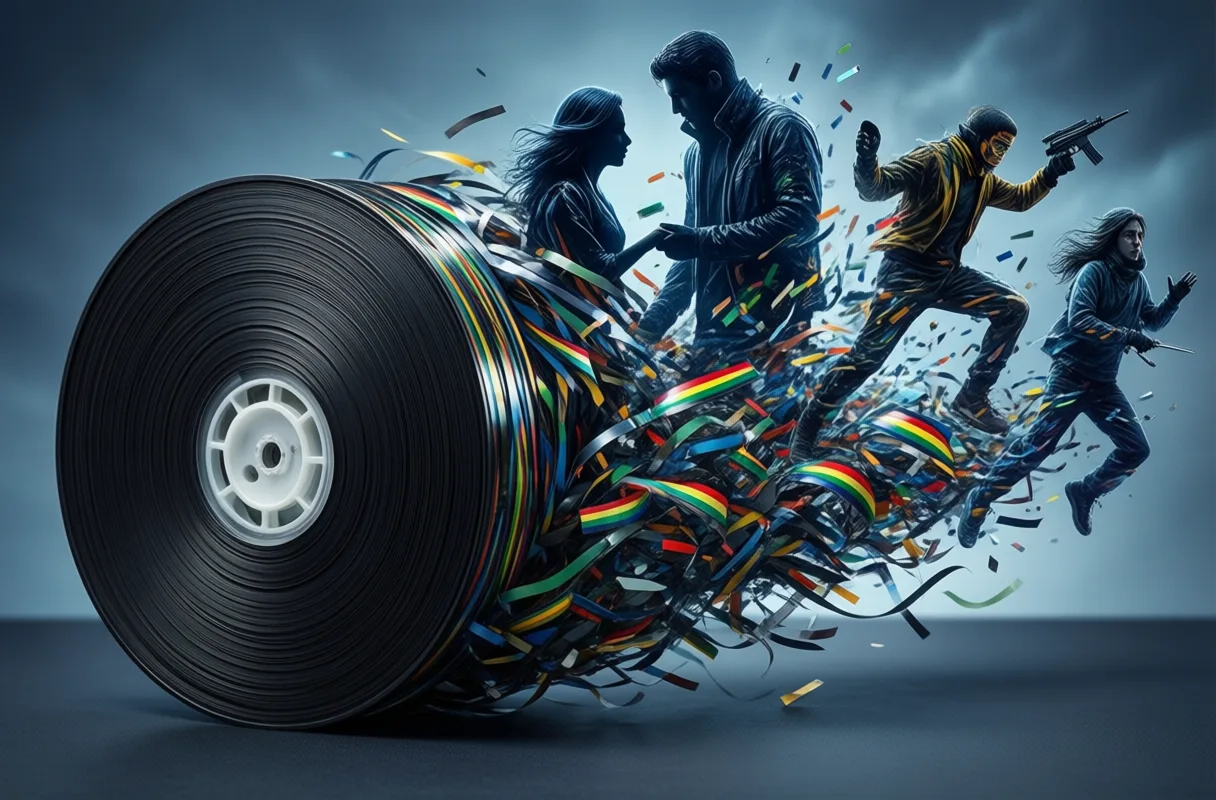
Gone were the days when the good guy wore white and the bad guy sneered while tying damsels to train tracks. The 90s gave us protagonists who lied, cheated, and sometimes did terrible things - and we rooted for them anyway.
They weren’t heroes because they were noble. They were heroes because they were real - messy, contradictory, and struggling to make sense of a world that made none.
- A mobster worrying about his therapy sessions. A hitman quoting philosophy. A con artist who loved his dog more than money.
- These characters didn’t seek redemption - they barely acknowledged they needed it.
The moral lines blurred, and the stories got richer for it. Audiences were no longer passive observers; they were complicit.
We laughed at their schemes, cringed at their mistakes, and sometimes found ourselves justifying the unjustifiable. That was the point.
These films didn’t offer easy answers. They asked uncomfortable questions: Who are we when no one’s watching? What do we excuse in people we like?
And in that ambiguity, a new kind of storytelling was born - one that trusted the audience to sit in the gray.
Genre-Bending That Rewrote the Rules
The 90s didn’t just mix genres - they smashed them together like a reckless DJ with a vision. Noir met comedy. Sci-fi met romance. Western met surrealism. And somehow, it worked.
Films stopped asking, “What category does this belong in?” And started asking, “What haven’t we seen before?”
- A time-traveling assassin who learns to care. A rom-com that ends with a bloody chainsaw. A crime film told in reverse.
- These weren’t gimmicks. They were innovations born of creative restlessness.
The rules weren’t broken - they were forgotten. Directors stopped looking over their shoulders and started following their instincts.
The audience, in turn, stopped trying to predict what came next. They learned to expect the unexpected.
This wasn’t chaos. It was controlled madness - a decade where originality wasn’t just rewarded, it was demanded.
And when a film pulled it off, you felt like you’d witnessed something that couldn’t be replicated - because it probably couldn’t.
A New Wave of Female-Centric Narratives
For too long, women in film were sidekicks, love interests, or victims waiting to be saved. The 90s cracked that mold - not with a whisper, but with a roar.
Suddenly, women weren’t just in the story. They were driving it, rewriting it, and sometimes burning it down.
- A sheriff standing firm in a diner. A queen bee running a high school like a mafia boss. A warrior disguised as a man in feudal China.
- These characters weren’t “strong female leads” as a checkbox - they were fully realized, flawed, and unforgettable.
They made their own choices - bad ones, good ones, reckless ones - and lived with the consequences. No hand-holding. No rescue.
The camera didn’t objectify them. It followed them, studied them, listened to them.
And the stories didn’t revolve around romance. Sometimes it was there. Sometimes it wasn’t. But it wasn’t the point.
Women were allowed to be angry, ambitious, funny, and complicated. And audiences - especially young women - finally saw themselves not as accessories, but as protagonists.
The Soundtrack as Character: Music That Shaped Moments
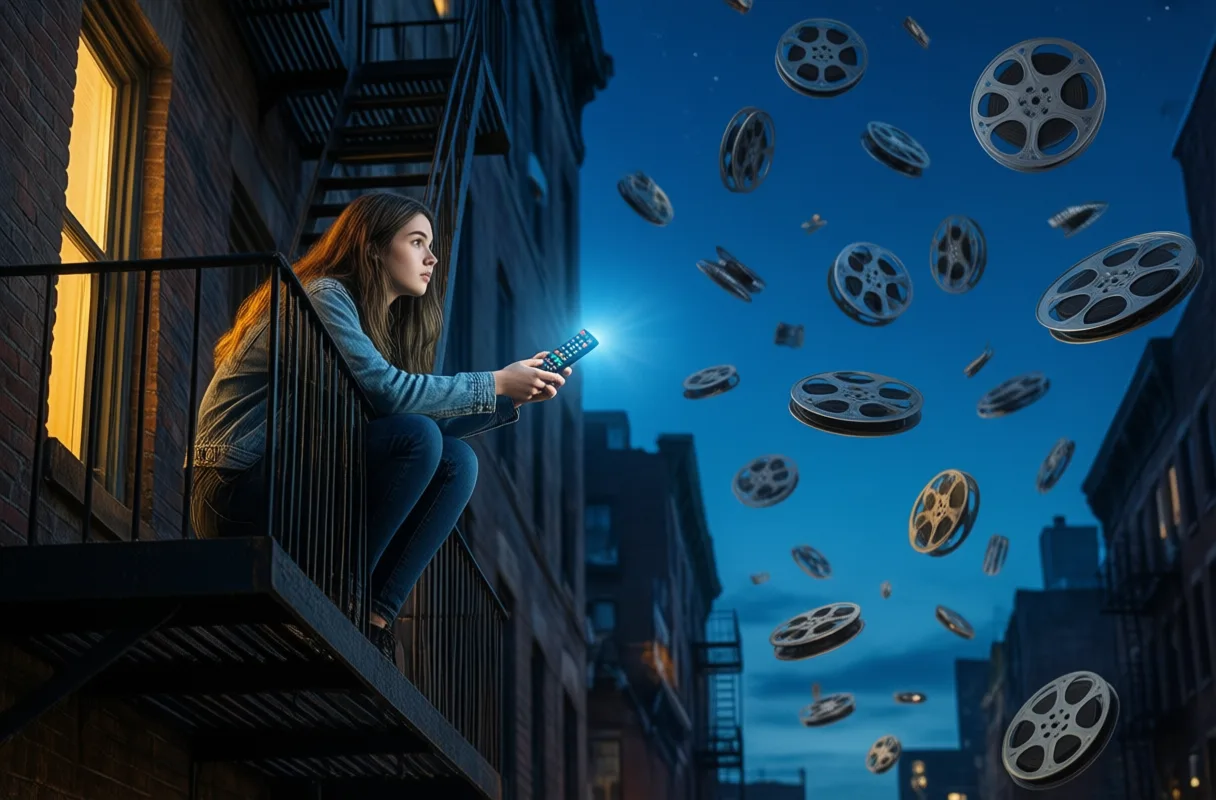
In the 90s, the soundtrack wasn’t just background noise. It was a voice - sometimes the loudest one in the room.
Songs didn’t just play over scenes. They defined them, elevated them, sometimes even outshone them.
- A single guitar riff could turn a car chase into a cultural moment.
- A haunting ballad could make a breakup feel like the end of the world.
- A grunge anthem could capture the mood of a generation in three chords.
The music didn’t serve the film - it partnered with it. Directors curated with intention, not just licensing deals.
Soundtracks became albums people bought on their own, listened to in the dark, played on repeat after heartbreak.
And years later, one note could bring it all back - the theater, the feeling, the person you were when you first heard it.
These weren’t playlists. They were emotional time capsules.
Beyond Nostalgia: Why These Films Still Matter
Nostalgia is easy. It’s warm, fuzzy, and sells well on streaming platforms. But the lasting power of 90s cinema isn’t just about memory.
It’s about influence. These films shaped how we tell stories today - in tone, in structure, in attitude.
- The antihero? Still ruling prestige TV.
- The indie spirit? Alive in festival darlings and breakout hits.
- The genre mashups? Now standard in superhero films and beyond.
They taught filmmakers that audiences crave authenticity, even in fantasy. That silence can be louder than dialogue. That a character’s flaw can be more compelling than their victory.
And they reminded us that movies can do more than entertain. They can reflect, challenge, and sometimes even change us.
We return to them not because they’re old, but because they still feel new.
Final Frame: The Legacy We Carry Forward
The 90s didn’t end - they evolved. Their DNA runs through every auteur-driven project, every risky script, every film that dares to be different.
They proved that great cinema doesn’t come from safety, but from daring - from directors with something to say and the nerve to say it their way.
We carry their legacy not in box sets or remasters, but in the stories we still tell - about love, loss, identity, and the messy, beautiful chaos of being alive.
And if we’re lucky, the next generation will look back at today’s films and feel the same electric jolt we felt turning on the TV, popping in a tape, and realizing: this one’s different.
| Film | Interesting Fact |
|---|---|
| The Matrix | Originally pitched as a comic book; Brad Pitt considered, Will Smith declined role |
| Jurassic Park | Used animatronics and early CGI together for realistic dinosaurs |
| Ghost | Whoopi Goldberg insisted on ice cream-eating scene for her character |
| Schindler’s List | Score by John Williams, performed by Holocaust survivor Itzhak Perlman |
| Pulp Fiction | Travolta and Thurman’s dance was mostly improvised |
| Clueless | Popularized slang like 'whatever' and 'as if!' |
| Forrest Gump | Lunchbox prop sold for over $57,000 at auction |
| The Shawshank Redemption | Gained fame through cable TV and word of mouth after modest release |
Lights, Camera, Impact: The '90s Film Scene
Behind the Scenes Magic
The Wachowskis originally pitched The Matrix As a comic book, not a screenplay, showing how unconventional paths sometimes lead to groundbreaking cinema. For Jurassic Park, real animatronic dinosaurs built by Stan Winston’s team shared scenes with early CGI creatures, a blend that made the animals feel startlingly real at the time. Whoopi Goldberg insisted her role in Ghost Include a scene where her character eats an entire bowl of ice cream while giving a reading-proof that even spiritual mediums need a snack.
Stars, Scoring, and Surprises
Brad Pitt was originally considered for the role of Neo in The Matrix, while Will Smith turned it down, a decision that reshaped casting history. The haunting score for Schindler’s List Was composed by John Williams and performed by renowned violinist Itzhak Perlman, whose own family survived the Holocaust, adding profound emotional weight to the music. Pulp Fiction Famously used a dance contest as a pivotal scene, but the iconic twist contest between John Travolta and Uma Thurman was mostly improvised, capturing a spontaneous energy that became legendary.
Cultural Ripples
Clueless Didn’t just predict fashion trends-it introduced slang like “whatever” and “as if!” Into mainstream teen dialogue, influencing how a generation talked. The lunchbox used in Forrest Gump Sold at auction for over $57,000, proving how deeply audiences connected with even the smallest props. And despite its modest opening, The Shawshank Redemption Found massive popularity through cable TV and word of mouth, becoming a timeless favorite long after its theatrical run ended.
Frequently Asked Questions
Why do 90s movies still feel relevant today?
90s films emphasized authenticity, ambiguity, and emotional honesty, which continue to influence modern storytelling in tone, structure, and character development.
How did independent films impact 90s cinema?
Low-budget indie films with natural lighting, handheld cameras, and real dialogue offered personal, powerful stories that resonated without major studio backing.
What role did music play in 90s movies?
Soundtracks were integral, shaping scenes and emotions; songs were curated intentionally and often became cultural touchstones on their own.
How did animation change during the 90s?
90s animated films embraced emotional depth and complex themes, treating children as thoughtful viewers and delivering stories with lasting impact.
This article was produced with AI assistance. How Silver Screen Magazine uses AI.
Rohan Kilpatrick dissects the personal lives of stars with wit and precision, balancing insider access with ethical awareness. He delivers the latest whispers and headlines with a sharp eye for irony, never sacrificing style for sensationalism.