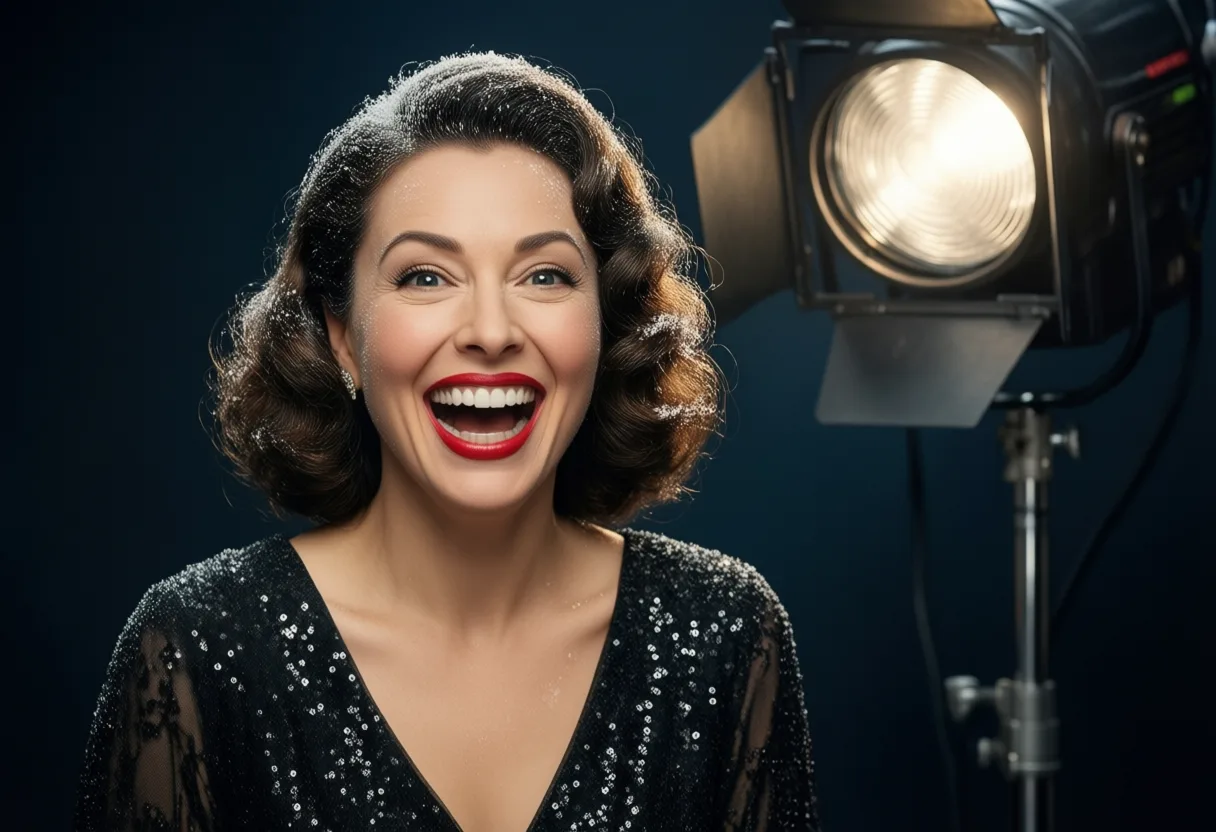
There is a certain alchemy in the old photographs-the way light falls across a cheekbone, how a smile lingers just shy of revelation, the weight of a gaze that seems to reach across decades. These images are not mere records; they are relics of a world built on dreams, where every Shadow And highlight was sculpted with purpose. In them, we find the soul of cinema-not in motion, but in stillness.
The Birth of a Visual Mythology
Hollywood in the early 20th century was less a place than a promise-an idea shimmering in the California sun, built on ambition, artifice, and an unrelenting belief in transformation. Studios Weren’t just factories of film; they were architects of identity, crafting stars from raw talent and sheer will. Every frame captured behind the scenes and on red carpets became part of a larger narrative: that anyone could become someone beneath the glow of the klieg lights.
The studio system operated like a finely tuned machine, with casting directors, costume designers, and publicists all shaping the final image. A single photograph could launch a career or seal a legacy, often telling a story more potent than any script. These moments-Garbo’s enigmatic stare, Bogart’s weary charm, Davis’s defiant posture-were not accidental. They were performances in miniature, rehearsed and refined until they felt effortless.
Even off-camera, the camera never truly stopped. Candid shots on set, lunch breaks at the commissary, or arrivals at premieres all fed the public’s hunger for intimacy. The myth of the star was sustained not just by Films, but by A steady stream of images that blurred the line between person and persona. In this way, the photograph became as powerful as the performance.
Icons Forged in Silver and Light
The faces that emerged from this era carried a gravity that transcended their roles. They were not merely actors but symbols-of strength, of vulnerability, of American aspiration. And the photographs that preserved them did more than document; they elevated, turning individuals into archetypes. A profile in sharp relief against a studio backdrop could suggest mystery; a hand resting on a doorframe could imply destiny.
Stars like Cary Grant moved through these images with a grace that seemed preordained, as if born not of rehearsal but of some inherent cinematic rhythm. Others, like Joan Crawford, used the camera to assert control, every glance calibrated to project resilience. The power in these images lies not in perfection, but in presence-a quality that cannot be faked, only summoned.
Behind the glamour was a rigorous discipline. Makeup was applied not for beauty alone, but to survive the unforgiving gaze of orthochromatic film. Lighting was choreographed to sculpt bone structure and soften flaws, creating a version of reality more compelling than the original. The photographers-often unsung-were artists in their own right, understanding that A great portrait doesn’t just show a face, it reveals a moment suspended in Time.
These images endure because they capture more than fame. They capture the tension between who these people were and who they were asked to become. In a single frame, we see both the mask and the man beneath it.

The Enduring Spell of the Still Image
In an age of endless digital footage and instant celebrity, the old photographs possess a rare authority. They demand attention not through motion, but through silence. There is no autoplay, no algorithm-only the quiet confrontation between viewer and subject. They remind us that cinema was once something you had to imagine before you could see.
The preservation of these images has become an act of cultural stewardship. Archives across the country safeguard negatives and prints, recognizing that each is a fragment of a larger story. When restored and reexamined, they offer new insights-not just into the films, but into the society that created and consumed them.
Moreover, contemporary filmmakers continue to draw from this visual well. Directors like Damien Chazelle and Paul Thomas Anderson echo the compositions and lighting of classic Hollywood, paying homage in every frame. The language of those early photographs still informs how we see drama, romance, and heroism on Screen.
In the end, these photographs are not relics of a bygone era, but living testaments to the power of image and illusion. They endure because they speak to something fundamental: our desire to believe in transformation, in beauty, in the possibility that, for a moment, we might glimpse the eternal in a single, perfectly lit smile.
When the Flashbulbs Popped
The Accidental Birth of a Star Image
Back in the early days of Hollywood, publicity stills weren't just photos-they were carefully staged illusions. Studios Hired photographers to craft the perfect image, often dressing actors in costumes not from their actual films just to generate buzz. These shoots sometimes produced more iconic looks than the movies themselves. One famous portrait of a young actress in a flowing white dress, standing against a dramatic backdrop, was actually taken during a break from a minor role-yet it became the defining image of her ethereal screen persona.
More Than Just Pretty Faces
Paparazzi culture didn’t start in the 1960s-enterprising photographers were staking out studios and premieres as early as the 1920s. Some of the most candid and electrifying shots of stars laughing, arguing, or sneaking kisses were captured without permission, turning spontaneous moments into lasting legends. Film studios quickly realized the power of these unposed images and began planting actors in public situations just to be photographed, blurring the line between real life and performance long before reality TV existed.
The Darkroom Magic Behind the Shine
Before Photoshop, photographers relied on clever tricks in the darkroom to perfect a star’s look. Minor blemishes vanished under careful retouching with paint and ink, jawlines were sharpened by hand, and eyes were made to sparkle with tiny brushes. One legendary photographer was known for using a special gauze filter that softened skin so effectively, stars demanded he shoot all their portraits-even though it slightly blurred the entire image. The goal wasn’t realism; it was dreammaking. Explore more stories, videos, and creators on Loaded.
Frequently Asked Questions
What role did photographs play in shaping Hollywood stars during the Golden Age?
Photographs were essential in crafting and promoting the public image of stars, often telling a more powerful story than film scripts. They helped build myths around actors by blurring the line between their real selves and their screen personas.
How did studio systems influence the creation of Hollywood publicity stills?
The studio system meticulously controlled star images using casting directors, costume designers, and photographers to create carefully staged illusions. Publicity stills were often shot in costumes not from actual films to generate buzz and craft iconic looks.
What techniques did photographers use before digital editing to enhance star portraits?
Photographers used darkroom techniques like hand retouching with paint and ink, sharpening jawlines, and enhancing eyes with tiny brushes. A special gauze filter was also used to soften skin and create a dreamlike effect.
How do classic Hollywood photographs continue to influence modern cinema?
Contemporary filmmakers like Damien Chazelle and Paul Thomas Anderson draw from classic Hollywood's lighting and compositions. The visual language of early photographs still shapes how drama, romance, and heroism are portrayed on screen.
This article was produced with AI assistance. How Silver Screen Magazine uses AI.
Vivian Chukwu explores golden-age Hollywood with reverence and rigor, unearthing forgotten performances and cultural contexts. She connects archival footage to modern themes, making classic films feel immediate and vital through thoughtful analysis and vivid storytelling.