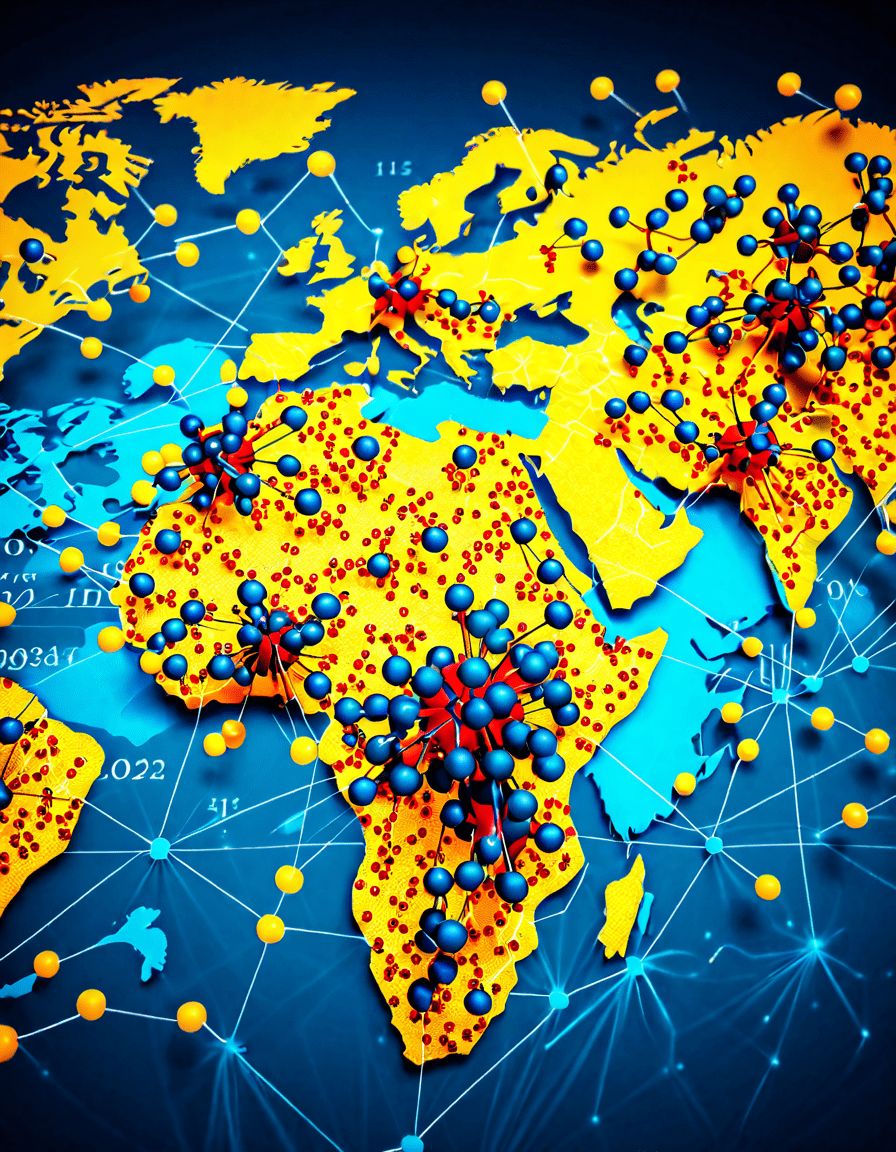
In our interconnected world, where a virus can jump from animal to human and travel continents in mere days, understanding the mechanics of contagion has never been more essential. Recent transformations in public health perspectives have reshaped how we view viral behaviors, especially in the aftermath of global outbreaks. This article dives deep into how contagion spreads and the lessons we’ve learned, drawing from dramatic narratives that unfold on both screen and reality. Just like in a gripping tale, where characters face affliction and predestination, the spread of diseases reveals the malignant nature of life—one that’s as unpredictable and shadowy as any cinematic thriller.
Top 5 Factors Influencing Contagion Spread
1. Human Behavior and Social Interaction
Human behavior has always been at the forefront of contagion dynamics, evolving significantly during health crises. The COVID-19 pandemic transformed social distancing from a buzzword into a daily practice. This was evident in New York City, where before lockdown, crowded areas experienced a rapid uptick in virus cases. People, huddled together in subway cars and cafes, made perfect hosts for this viral villain we now recognize all too well.
Changes in societal interaction patterns came with remote work policies and virtual gatherings. Research revealed that such adjustments can dramatically influence the trajectory of a virus. The contagion wasn’t merely a lurking silent force; it adapted to our behaviors and, in some cases, exploited our weaknesses. Ironically, while we connected more digitally, we fragilized our immunity through a lack of face-to-face contact.
2. Urbanization and Migration
Urbanization poses another layer of complexity in contagion spread. Megacities like Tokyo and Delhi are teeming with life, and this density provides perfect conditions for viruses to thrive. Rapid migration adds another complication, introducing new strains of pathogens into already vulnerable populations. Studies in Nature have shown that densely populated areas can function as both barriers and conduits for viral spread, influencing how we should conduct urban planning.
Furthermore, the interplay between urban parks and crowded slums becomes crucial in understanding how social infrastructure either fosters or fights against contagion. Cities must embrace thoughtful design strategies that prioritize public health, offering insights into how certain formats in urban environments help curb contagious outbreaks.
3. Global Trade and Travel
Global trade and travel present immense opportunity but also expose vulnerabilities when it comes to contagion. Take the dramatic example of African Swine Fever’s flare-up in Asia in 2019; it highlighted how unregulated trade practices without proper biosecurity measures could bring a malignant outbreak knocking on our doors. The necessity of establishing better regulations became undeniable as industries struggled to balance economic growth with public health considerations.
The film and the real-world often mirror each other, echoing this precarious balance between chaos and order. As we witness scenes from movies showing frantic travels and emergency protocols, it becomes starkly clear: our interconnectedness isn’t just a plot device but a reality we have to reckon with.
4. Vaccine Accessibility and Public Perception
Vaccination remains a pivotal factor in curbing contagion. Take the COVID-19 episode as a clear illustration. Public skepticism about vaccinations created significant roadblocks to controlling spread, demonstrating how collective perception influences individual behavior. In nations like Finland, where transparent communication about vaccines was essential, public trust soared, leading to higher inoculation rates.
The contrasting experiences of different countries spotlight the immense influence of public perception on health policies. People want to feel safe, and when confidence is built through effective communication, they are more likely to protect themselves and their loved ones from contagion.
5. Environmental Factors and Climate Change
The links between climate change and contagion have become increasingly evident. The 2021 outbreak of West Nile Virus in the United States serves as a potent reminder of how extreme weather patterns allow viruses to proliferate. Experts note that as climates shift, so too will the landscapes where these viruses emerge, complicating our battle against contagion.
This brings to light a chilling reality that environmental factors can influence even microorganisms. Nations need to recognize these shifts, adapting public health strategies to changing climates rather than viewing them as isolated disasters.

The Role of Technology in Tracking Malignant Spread
Technological advancements have revolutionized how we track contagion. Digital contact tracing apps became lifesaving innovations during the COVID-19 chaos, as illustrated in South Korea. These apps not only tracked users’ movements but provided crucial data that allowed health officials to isolate potential exposures swiftly. It’s as if watching a high-paced thriller where each movement matters, with no room for error.
Genomic sequencing has been another marvel, shedding light on how viruses mutate and spread. The quick sequencing of the SARS-CoV-2 genome underscores the marriage between health and technology in fierce combat against contagion. The ability to predict potential variants equips scientists with the tools to act decisively in controlling outbreaks.
The Legacy of Incendies: Lessons Learned from Past Outbreaks
Events like the Ebola outbreak in West Africa in 2014 serve as vital lessons for future disease management. The term ‘incendies,’ meaning ‘fires’ in French, starkly illustrates the speed at which these crises can escalate if left unchecked. The lessons drawn from Ebola are clear and can shape preparedness for future contagions:
Quick mobilization of health resources is critical in halting an outbreak from escalating into a widespread crisis.
Trusting relationships with local communities can lead to collaboration, making health interventions significantly more effective.
Nations need to invest in healthcare systems that can adequately respond to emerging threats, ensuring swift action when urgency arises.
Ultimately, no nation can tackle global contagion alone. International partnerships are vital for addressing these challenges effectively.
Ongoing research into viruses and pathogens must remain a priority to remain one step ahead of potential outbreaks.

Final Thoughts on Contagion Management
As we delve deeper into the 2020s, the lessons learned from past outbreaks continue to shape our strategies for addressing global health challenges. The interplay between societal behaviors, technology, and environmental changes illustrates the multi-faceted nature of contagion. These insights aren’t merely technical details—they are vital components shaping our shared future.
It’s a complex narrative, one that echoes across film and reality. The ongoing saga signifies the essential need for vigilance and adaptability, proving we must work as a collective. In this interconnected age, the fight against contagion serves as both a cautionary tale and a profound responsibility we share along this journey.
The cinematic magic we see in films portraying contagion can remind us of just how precarious our health can be in the real world. As we learn and adapt, we not only fortify ourselves but also cultivate a healthier global society, ready to face whatever comes next.
Contagion: The Dramatic Truth Behind Virus Spread
A Glimpse Behind the Film Curtain
When “Contagion” hit theaters in 2011, it brought a chilling dose of realism to pandemic storytelling. Inspired by real-life viruses and their rapid spread, the film made headlines as it mirrored the world’s struggles with disease outbreaks. Did you know that its accuracy in depicting medical protocols didn’t just impress audiences, but also experts? The film consulted with scientists and health organizations, making its portrayal of virus spread eerily credible. In fact, just like a thrilling plot twist in Jane Eyre, the film had unforeseen impacts on public perception about epidemics, sparking widespread conversations even after its release.
Life Imitates Art
Interestingly, the movie’s release coincided with the rise of social media, which played a significant role in how information about contagion was shared. Much like how the Oogie Boogie character has become a Halloween favorite, the film became a staple reference in discussions about health crises for years to come. For instance, it inspired the “six-foot rule” and other safety measures during real-world outbreaks, drastically influencing how we viewed public health. As bizarre as it seems, scenes from the film echoed in life as people rushed to buy supplies from their local neighborhood market, leaving shelves bare in a panic reminiscent of the film’s unfolding chaos.
Fast Facts That Might Surprise You
Here’s a fun nugget: the contagious nature of a virus can spread faster than you might think, and “Contagion” was successful in illustrating just that. Some audiences even compared the film’s intensity to other major releases, like The Marvels, which also captured a fierce energy on screen. It’s curious how a film can connect the dots between entertainment and education. Moreover, studies have shown that viewers who watched “Contagion” were better prepared to handle real-life outbreaks compared to those who hadn’t seen the film. This level of insinuation is almost a plot you’d expect to see unfold in Tell Me lies season 3!