1. The Lore of Doctor Strange: Origins and Powers
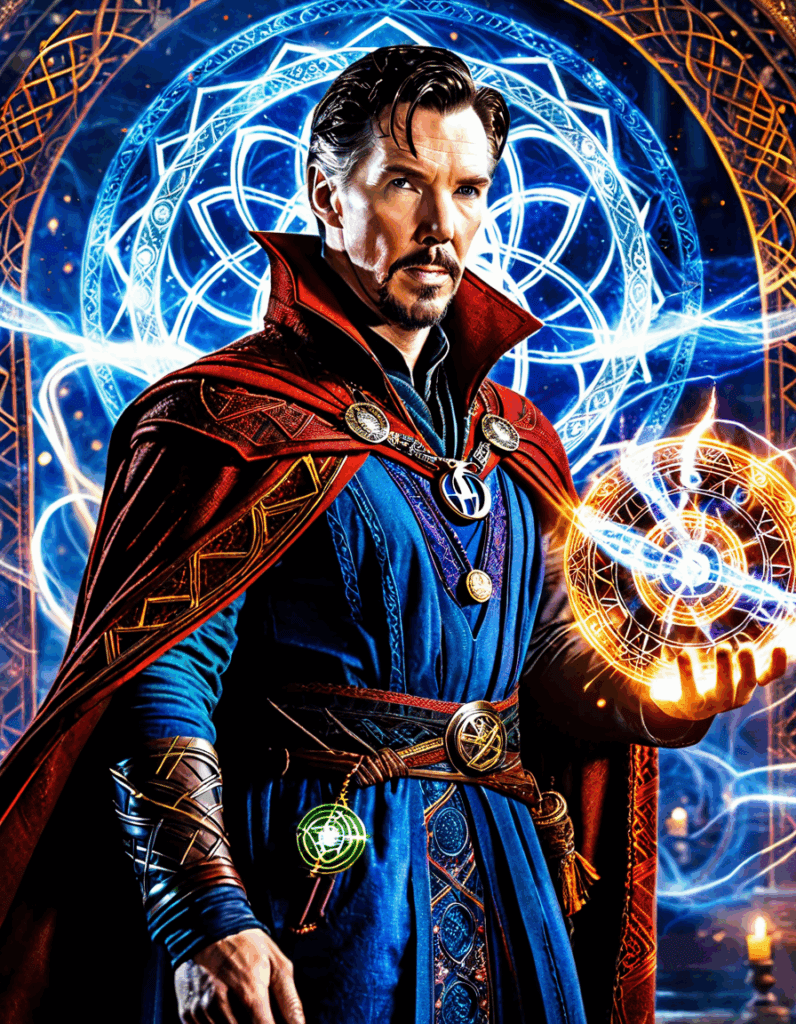
Doctor Strange, also known as Stephen Strange, first emerged from the imaginative realms of Marvel Comics in 1963, thanks to the genius of writer Stan Lee and artist Steve Ditko. Initially, Strange was a brilliant neurosurgeon with hands as deft as a surgeon’s scalpel. Everything turned upside down when a tragic car accident robbed him of his extraordinary dexterity. In his desperate quest for healing, he stumbled upon the enigmatic Ancient One, who opened his eyes to the mystical arts. This fateful encounter propelled him into a universe where science meets magic, shaping the portrayal of Doctor Strange as both a seeker of knowledge and a defender of reality.
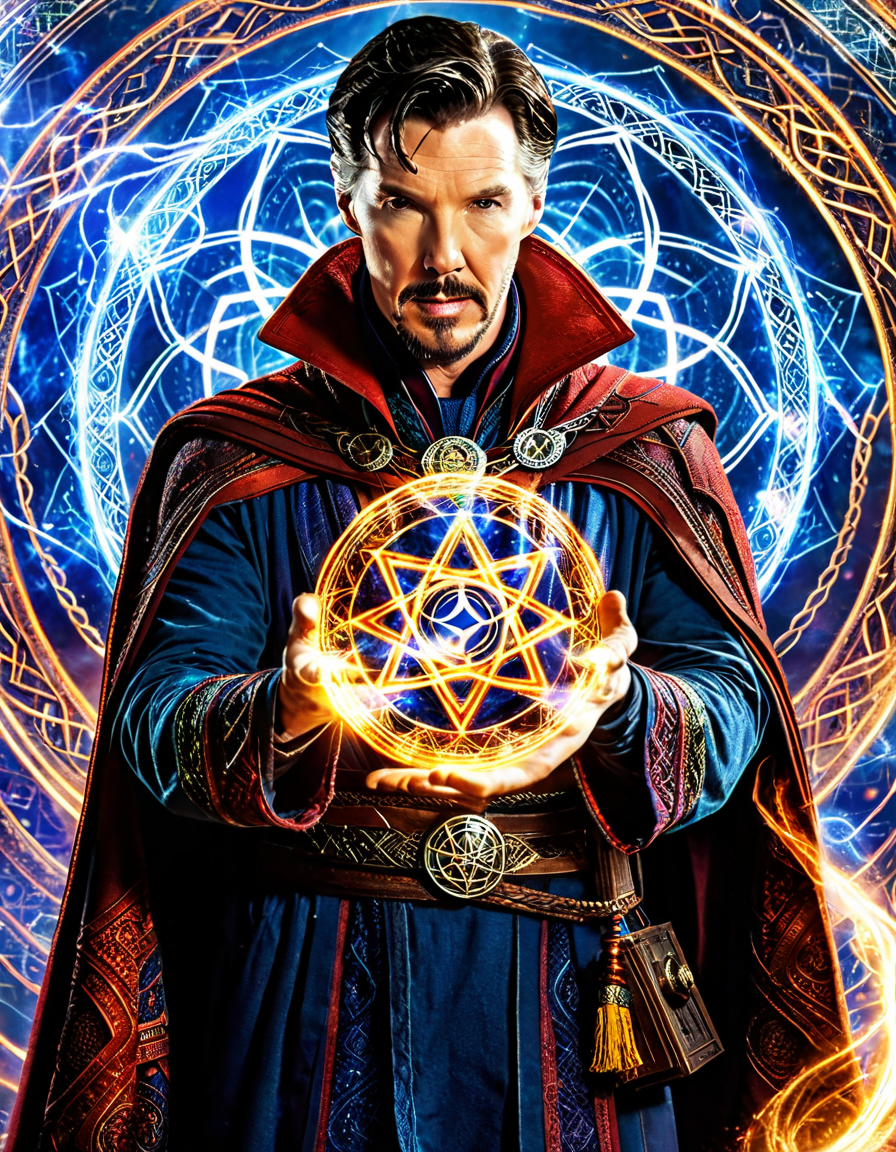
This synthesis of scientific reasoning and mystical powers is what makes Doctor Strange’s character so compelling. His abilities extend far beyond the norm, enabling him to manipulate time, space, and dimensions. He wields the Eye of Agamotto and the Cloak of Levitation, artifacts that complement his role as the Sorcerer Supreme. This title isn’t just a badge of honor; it’s a heavy responsibility. Doctor Strange stands at the crossroads of various realities, fending off cosmic threats that seek to tip the balance, ensuring that the universe remains intact. When fans delve into the mystical narratives of Doctor Strange, they discover that his battle isn’t just external; it’s a continuous internal struggle that reflects a broader commentary on the nature of power and responsibility.
In a world driven by literal and philosophical dimensions, Doctor Strange fits snugly into the Marvel Universe as a pivotal character. His relatability stems from his losses and vulnerabilities, making his arc not just about heroism but personal growth. As he evolves into the Sorcerer Supreme, he becomes the embodiment of guardianship, facing challenges that often mirror the struggles faced in our own lives. Isn’t it fascinating how he navigates this intricate tapestry of reality and magic, signaling the timeless allure of storytelling? For many fans, Doctor Strange represents hope-a reminder that healing and growth are often fraught with challenges but ultimately lead to profound transformation.
2. Top 5 Villains Who Challenge Doctor Strange
Doctor Strange’s journey is painted with an array of formidable adversaries, each pushing him to the brink of his capabilities. These villains add layers of complexity to the narrative, revealing not just the fragility of power but the moral dilemmas tied to it.
Through these diverse nemeses, Doctor Strange is not just challenged but transformed, reflecting the societal struggles mirrored in our own lives. Each villain poses questions about morality, choice, and the real consequences of power that resonate deeply, making Doctor Strange’s world as relatable as it is fantastical.
3. The Development of Doctor Strange in Film and Television
Doctor Strange’s cinematic journey has profoundly influenced mainstream culture, thanks largely to the Marvel Cinematic Universe (MCU). The first film, Doctor Strange (2016) directed by Scott Derrickson, brought audiences into the visually stunning world of the mystic arts. It artfully connected the dots between science and magic, using groundbreaking visual effects that fueled audience imaginations. This cinematic treatment added layers of depth, giving viewers a glimpse into Strange’s origins and his transformation into the defender of reality.
Fueled by the success of the original film, Doctor Strange in the Multiverse of Madness (2022) takes the narrative several steps further under the direction of Sam Raimi. By exploring the multiverse concept, this sequel raises the stakes immensely. The multiverse allows for explorations of alternate realities, questions of identity, and ripple effects of choices made. The relationship between Strange and characters like Wanda Maximoff deepens, showcasing the human side of these larger-than-life heroes. Their emotional journeys remind audiences that behind every superpower lies a human heart navigating complex relationships and choices.
Animated adaptations have also enriched the Doctor Strange saga. Series like What If…? Dive into alternate timelines, presenting intriguing scenarios where different choices lead to drastically different outcomes. These explorations underscore a central theme of Doctor Strange’s character: the weight of decisions. The animated perspective not only broadens the appeal but also engages viewers in contemplating how a single choice can reshape destinies. Through these mediums, Doctor Strange’s evolution demonstrates how storytelling transcends formats, inviting audiences into an odyssey rich with philosophical inquiries.
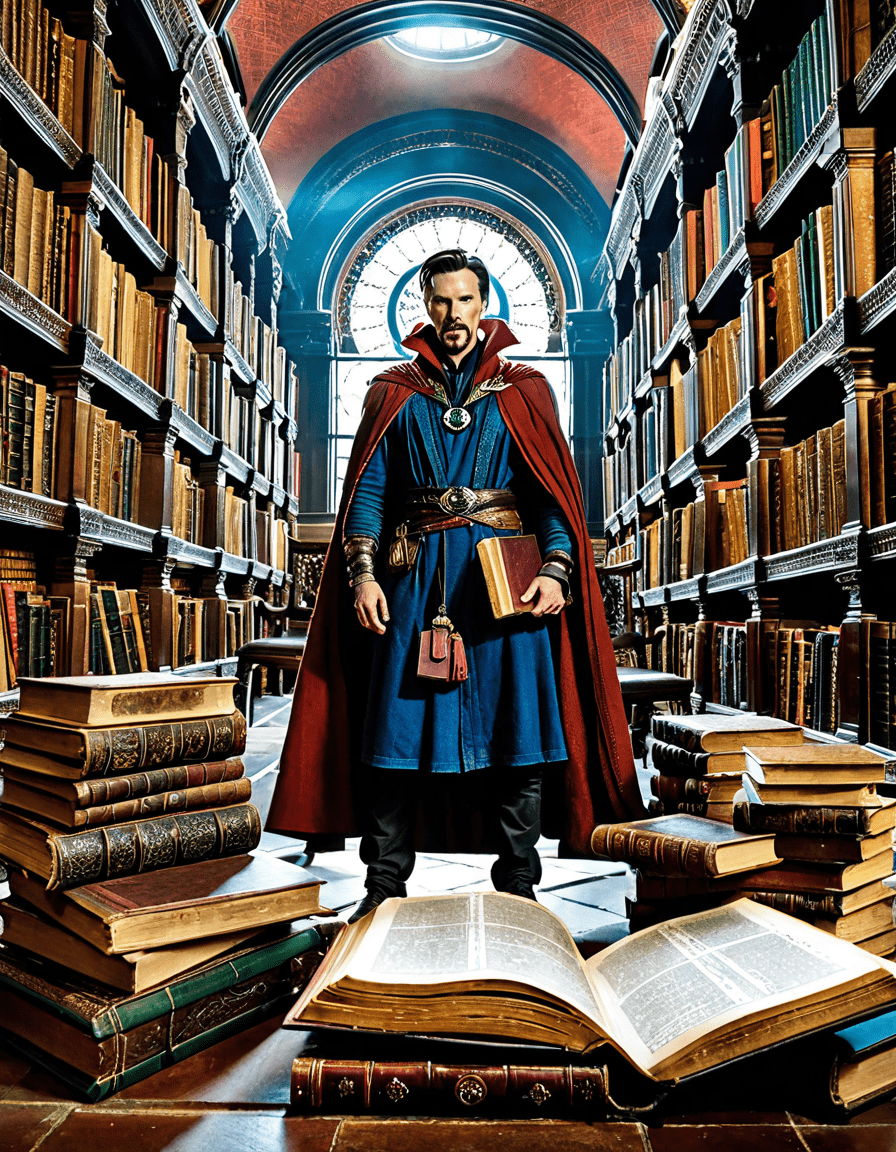
4. Doctor Strange’s Legacy: The Continuing Odyssey of the Sorcerer
Doctor Strange continues to be an influential symbol of resilience in the ongoing saga of the Marvel Universe. His journey represents more than just a struggle against formidable foes; it’s a testament to the human condition. As this powerful sorcerer, he embodies the delicate balance required between authority and accountability-an odyssey filled with moral quandaries. Fans resonate with these narratives because they offer reflections of their own life’s dilemmas, showcasing how choices shape both character and reality.
In the ever-expanding Marvel landscape, Doctor Strange’s role remains integral, particularly now that the multiverse is a stage for emerging tales. The excitement surrounding this newfound potential hints at even deeper explorations into his legacy. He’s not just defending reality; he’s part of an ongoing narrative that addresses the complexities of existence, sacrifice, and the gravity of power. For fans old and new, Doctor Strange’s journey becomes a Shared Exploration-one that bridges generations and invites thoughtful discourse.
As Marvel continues to delve into elaborate storylines both in film and comics, Doctor Strange stands as a guardian against chaotic forces. He confronts existential threats that echo the unpredictable nature of our own lives, prompting reflection on our own quests for understanding. With a blend of science, philosophy, and magic, Doctor Strange weaves a rich tapestry that transcends the boundaries of entertainment. His legacy evolves with each new narrative, inspiring audiences to face their challenges with courage and wisdom.
In essence, Doctor Strange is more than just a sorcerer; he symbolizes the enduring struggle for balance in a world fraught with uncertainty. The magic of his journey lies in its ability to invite us into a realm where the battles are not only fought in fantastical dimensions but resonate deeply within the human experience. As we delve into his story, we find ourselves enchanted by the myriad possibilities waiting to unfold.
In 2026 and beyond, Doctor Strange continues to remind us that while the universe may come with overwhelming odds, hope, courage, and resilience make for worthy companions. With every flick of his wrist, every spell cast, he inspires us to embrace our own personal odysseys-after all, we’re all a little bit Doctor Strange at heart.
Doctor Strange: The Powerful Sorcerer Who Defends Reality
Strange Beginnings of a Sorcerer
Did you know that Doctor Strange wasn’t always the master of the mystic arts? Originally, he was a brilliant, yet arrogant, neurosurgeon who had a knack for healing but had a slight tendency to dismiss others’ advice. After a devastating car accident, which crushed his hands, he wandered around the globe looking for healing and ultimate knowledge. This quest led him to the Ancient One, a pivotal character that influenced his transformation. In real-life casting, actor Benedict Cumberbatch wasn’t the only one considered. Joey Slotnick, known for his work on various TV shows, was once eyed for the role before the character hit mainstream fame.
Sorcerous Influence and Pop Culture
The character of Doctor Strange has had a lasting impact beyond the comics, influencing everything from video games to movies. For instance, fans of horror might delight in the connection to the game Five Nights at Freddy’s 2, which features elements that are reminiscent of Strange’s alternate realities and surreal themes. Furthermore, Disney’s animated series and later his big-screen adaptations have put Doctor Strange on the map, elicits nostalgia and excitement among viewers and gamers alike. The depth of storytelling in these adaptations can compare to beloved franchises, such as Lord of the Rings, in how they weave complex narratives that leave audiences yearning for more.
The Magic of Movements
Doctor Strange isn’t just about spells and sorcery; he brings a unique visual dynamic that’s a feast for the eyes. Remember those iconic spells? The creativity behind them is akin to the artistic brilliance seen in films like Goodfellas, where every scene is choreographed to perfection. This attention to detail extends to the casts too, who bring these characters to life-just as Ariel Winter has done in her own impressive career across various movies and TV shows. And let’s not forget his allies and enemies, including figures like Luna Lovegood From “Harry Potter, showcasing how wits and whimsy often intertwine in magical adventures.
Doctor Strange’s journey is one filled with trials, oddball situations, and a smorgasbord of fantastical elements-all twisted together with the threads of pop culture. So, next time you get lost in a spellbinding scene, think of the layers and influences that make this character and his universe captivating. It’s a wild ride through the extraordinary!
This article was produced with AI assistance. How Silver Screen Magazine uses AI.
Silver Screen Magazine writes for Silver Screen Magazine - classic cinema, film reviews, industry updates and hollywood gossip.