There’s something primal about the roar of an engine, the screech of tires biting into asphalt, the way a car leans into a curve like it’s alive. It’s not just about Speed-it’s about control, precision, and the split-second decisions that separate winners from wreckage. Films that center on high-octane racing Tap into that visceral thrill, turning pistons and pit stops into poetry.
The Allure of Speed: Why Racing Films Keep Us in the Fast Lane
Racing Films Don’t just sell adrenaline-they sell Myth. The lone driver. The underdog team. The impossible comeback. These stories aren’t really about winning the race; they’re about who you become on the way to the finish line. Think of the way a rearview mirror captures not just the road behind, but the ghosts of past failures, the weight of expectations, the silence before the checkered flag drops.
It’s easy to dismiss car movies as noise and chrome, but the best ones use Speed As a metaphor. Speed as escape. Speed as redemption. Speed as the only language some men know how to speak. The driver isn’t just fighting the clock-they’re fighting themselves. And when the camera lingers on a close-up of a tachometer climbing into the red, you’re not just watching RPMs-you’re watching a man’s pulse.
Need For speed Thrilling Races And Iconic cars Await dives into this world with the kind of reckless precision that makes your palms sweat. It’s not just the stunts or the sleek design of the vehicles-it’s the way the film frames speed as both a weapon and a weakness.
More Than Just Engines: The Characters Behind the Wheel
A great racing film knows that no matter how fast the car, the real drama happens in the driver’s seat-literally and emotionally. You need a protagonist who’s more than a helmet and a smirk. Someone haunted. Driven. Flawed. The kind of person who pushes the pedal not just to win, but to prove something-to the world, to a dead mentor, to a kid they never see.
Supporting characters matter just as much. The grizzled mechanic who’s seen too many funerals. The rival who’s not a villain, just faster. The journalist or the ex who asks, “When are you going to stop?”-a question that cuts deeper than any crash. These roles ground the spectacle in something real.
And let’s not pretend the Cars Aren’t characters too. A well-worn Mustang. A carbon-fiber beast fresh off the track. The way a driver pats the dashboard like it’s a loyal dog. These aren’t machines-they’re partners. The bond between man and machine is the quiet heartbeat beneath the noise.

The Craft of the Chase: How Filmmakers Frame Speed
Capturing speed on film is harder than it looks. Too much shaky cam, and you lose the choreography. Too many cuts, and the tension collapses. The best racing sequences feel like ballet-choreographed chaos where every gear shift, every near-miss, is deliberate. Long takes. Wide shots. The camera stays wide enough to see the danger, close enough to feel the heat.
Sound design does half the work. The bass drop of a turbo spooling. The silence when the engine cuts after a crash. The way dialogue fades out as the car hits top speed-like the world narrows to just the road ahead. It’s not just noise; it’s rhythm.
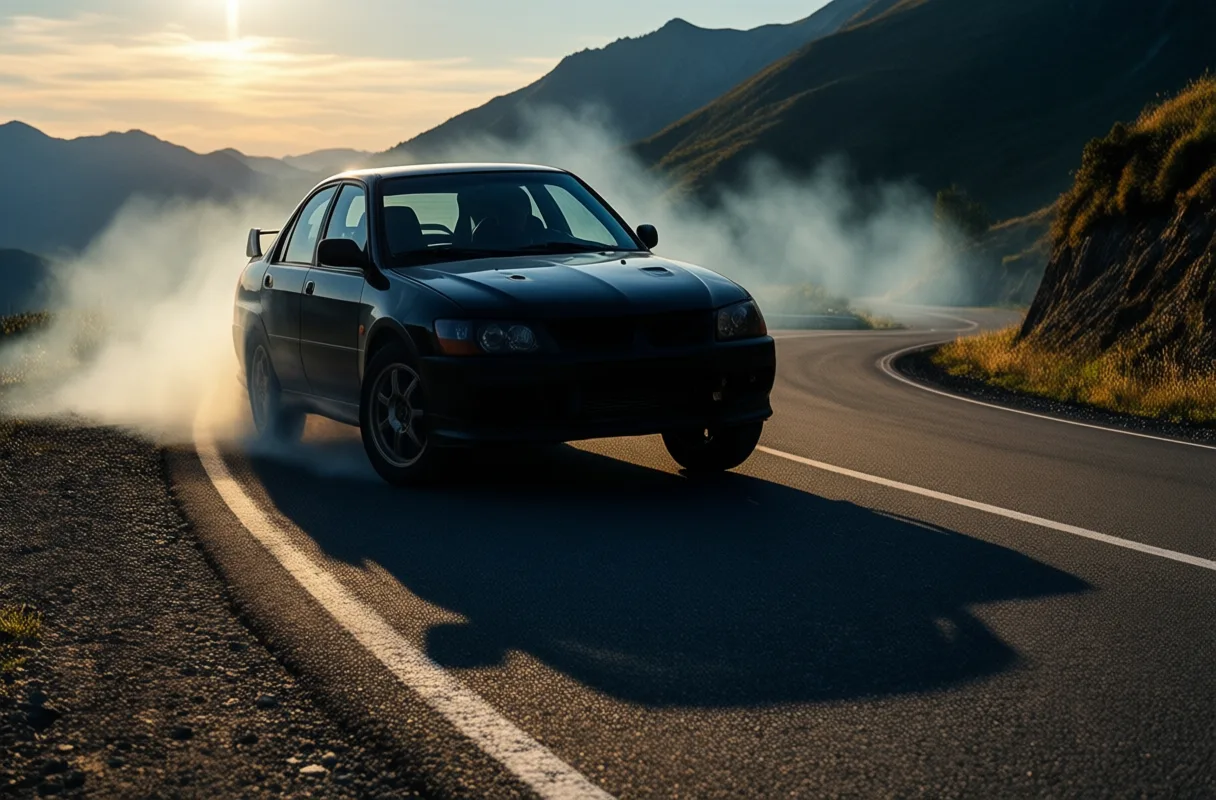
Visual effects now blend seamlessly with practical stunts, but the magic is in the balance. When a car drifts around a hairpin, you need to believe the driver could lose it at any second. That’s where real locations and real driving matter. CGI can’t replicate the dust kicked up by a near-miss on a desert highway.
Why We Keep Coming Back to the Starting Line
Racing films endure because they speak to a universal truth: life doesn’t wait. Neither should you. The best of them understand that every race is a countdown-not just to the finish, but to a moment of truth. Will you fold? Or will you accelerate?
They’re also, let’s be honest, a lot of fun. There’s joy in watching something move fast, especially when the world feels stuck. A well-timed drift, a last-lap overtake, a car that shouldn’t win but does-these moments are pure cinematic candy.
So yes, the genre thrives on speed. But it survives on soul. And as long as there are roads that curve into the unknown, filmmakers will keep chasing the horizon-one frame at a time.
| Film | Car | Notable Feature | Realism Detail |
|---|---|---|---|
| Bullitt | 1967 Ford Mustang Shelby GT500 | Driven by Steve McQueen | Minimal camera tricks used |
| Mad Max: Fury Road | Custom-built vehicles | Over 150 used | No green screens, real engines |
| Back to the Future | DeLorean DMC-12 | Gull-wing doors | Modified for time travel stunts |
| The Fast and the Furious | Dodge Charger | Supercharged V8 engine | Reflects real tuner culture |
| The Man with the Golden Gun | AMC Hornet | 360-degree mid-air jump | Executed in one take |
Chasing Speed: The Real Cars and Stunts Behind the Silver Screen
More Than Just Pedal to the Metal
The high-octane world of racing films thrives on adrenaline, but some of the most memorable moments come from real-world automotive legends. The iconic white 1967 Ford Mustang Shelby GT500 featured in Bullitt Wasn't just a prop; it was a fully functional muscle car driven hard by Steve McQueen himself during the legendary San Francisco chase. That sequence, filmed with minimal camera tricks, set a new standard for realism in car chases and made the Mustang a symbol of cool for generations. Decades later, Mad Max: Fury Road Brought practical effects back into the spotlight, using over 150 custom-built vehicles, many with working engines and weapons, to create its chaotic desert battles-no green screens needed for those flaming guitar rigs.
From Concept to Crash
Some film cars are so carefully crafted they become characters in their own right. The DeLorean DMC-12 in Back to the Future Was chosen not just for its gull-wing doors, but because its boxy, stainless-steel design looked futuristic even in the 1980s. The production team actually modified several DeLoreans to handle the demands of time travel stunts, including the famous "flux capacitor" lighting effects. Meanwhile, in The Fast and the Furious Franchise, the attention to engine specs and modifications isn’t just for show-many of the cars, like Dom’s Dodge Charger, reflect real tuner culture, with supercharged V8s and nitrous oxide systems that mirror what street racers actually use. These details help ground the over-the-top action in something fans recognize and respect.
When Stunts Go Wrong (and Right)
Even with expert drivers, filming car stunts is risky business. During the making of The Man with the Golden Gun, a stunt involving a flying AMC Hornet resulted in one of the most famous jumps in film history-executed in a single take without rehearsals. The car rotated 360 degrees mid-air, landing perfectly on its wheels, a feat that still impresses engineers and stunt coordinators. On the flip side, Furious 7 Paid tribute to Paul Walker with a heartfelt send-off scene that used a combination of his brothers as body doubles and digital effects, blending emotion with technology in a way that resonated deeply with audiences. These moments show that behind every tire screech and drift is a mix of skill, planning, and sometimes, a little cinematic magic.
Frequently Asked Questions
What makes racing films emotionally compelling beyond the action?
Racing films use speed as a metaphor for escape, redemption, and personal struggle. The real drama happens in the driver’s seat, where characters confront their flaws, past failures, and inner conflicts.
How do filmmakers realistically capture high-speed racing scenes?
Filmmakers use long takes, wide shots, and precise choreography to maintain tension. Sound design and practical stunts enhance realism, while minimal shaky cam preserves the sequence’s clarity and impact.
Which iconic car from a racing film became a cultural symbol?
The white 1967 Ford Mustang Shelby GT500 from Bullitt became a symbol of cool for generations, driven by Steve McQueen during a legendary San Francisco chase filmed with minimal effects.
How were practical effects used in Mad Max: Fury Road?
Mad Max: Fury Road used over 150 custom-built vehicles with working engines and weapons for its desert battles. The film avoided green screens, relying on real stunts and practical effects for authenticity.
This article was produced with AI assistance. How Silver Screen Magazine uses AI.
Rohan Kilpatrick dissects the personal lives of stars with wit and precision, balancing insider access with ethical awareness. He delivers the latest whispers and headlines with a sharp eye for irony, never sacrificing style for sensationalism.