Henry VIII stands out as one of history’s most fascinating monarchs, not only for his extraordinary reign over England but also for his equally remarkable relationships with his six wives. His marriages were much more than personal unions; they were linchpins in the intricate machinery of European politics in the 16th century. By analyzing the lives of these queens, we not only see the personal struggles of Henry VIII but also the monumental effects these relationships had on the social, political, and religious landscapes of a rapidly changing world.
The dramatic narrative surrounding Henry VIII is punctuated by the lives of his wives, each contributing their unique chapter to his story. From the devout Catherine of Aragon to the ambitious Anne Boleyn, the tragic Jane Seymour, and beyond, these women played pivotal roles in shaping their king and, by extension, England itself. Their legacies continue to reverberate today, reminding us of the tumultuous intersection of love, power, and ambition.
Henry VIII’s relationships were a volatile mix of devotion, power plays, and tragic endings. The repercussions of his marriages cascaded through history, influencing everything from the governance of England to its religious identity. As we unravel these six unique relationships, we’ll see how each woman left her indelible mark on Henry and how their stories intertwine with those of figures like John Adams, Thomas Jefferson, and Abraham Lincoln, who grappled with the ongoing legacies of power and governance shaped in that era.
The Six Wives of Henry VIII: A Closer Look at Their Lives and Legacies
Catherine was Henry’s first wife, married for over 20 years. Being the mother of Mary I, she faced incredible strain due to Henry’s desperate quest for a male heir. Her plight led to the English Reformation, illustrating how personal desires can trigger seismic shifts in national identity.
Anne was pivotal in Henry’s break from the Roman Catholic Church. Her marriage to him was fueled by passion but inevitably led to her tragic execution. This dramatic turn of events not only sparked political turmoil but also raised questions about the roles of women in wielding power within a patriarchal monarchy.
Jane stands out in this lineup as the woman who gave Henry his long-sought male heir, Edward VI. Unfortunately, she died shortly after childbirth, her legacy often overshadowed by her predecessors. Jane’s life highlights the risks inherent to royal women, trapped by their reproductive roles.
The marriage between Henry and Anne was mainly about political advantage rather than love, showcasing the strategic alliances common in royal unions. Their short-lived marriage ultimately reveals Henry’s shifting priorities, as he sought to bolster his political power even while struggling with personal desires.
Catherine’s youth brought a fresh vibrancy to Henry’s court, but her infidelity ended with her execution. Her story exposes the precariousness of a woman’s position in the court, where indulgences could swiftly turn fatal.
The final wife, Catherine Parr, was instrumental in reconciling Henry with his daughters, showcasing her as a mediator in the turbulent court. Her influence on the Protestant Reformation highlights the evolving role of women, emphasizing the impact of education and intellect in a time dominated by male leadership.
The Political Landscape: How Henry VIII’s Marriages Shaped History
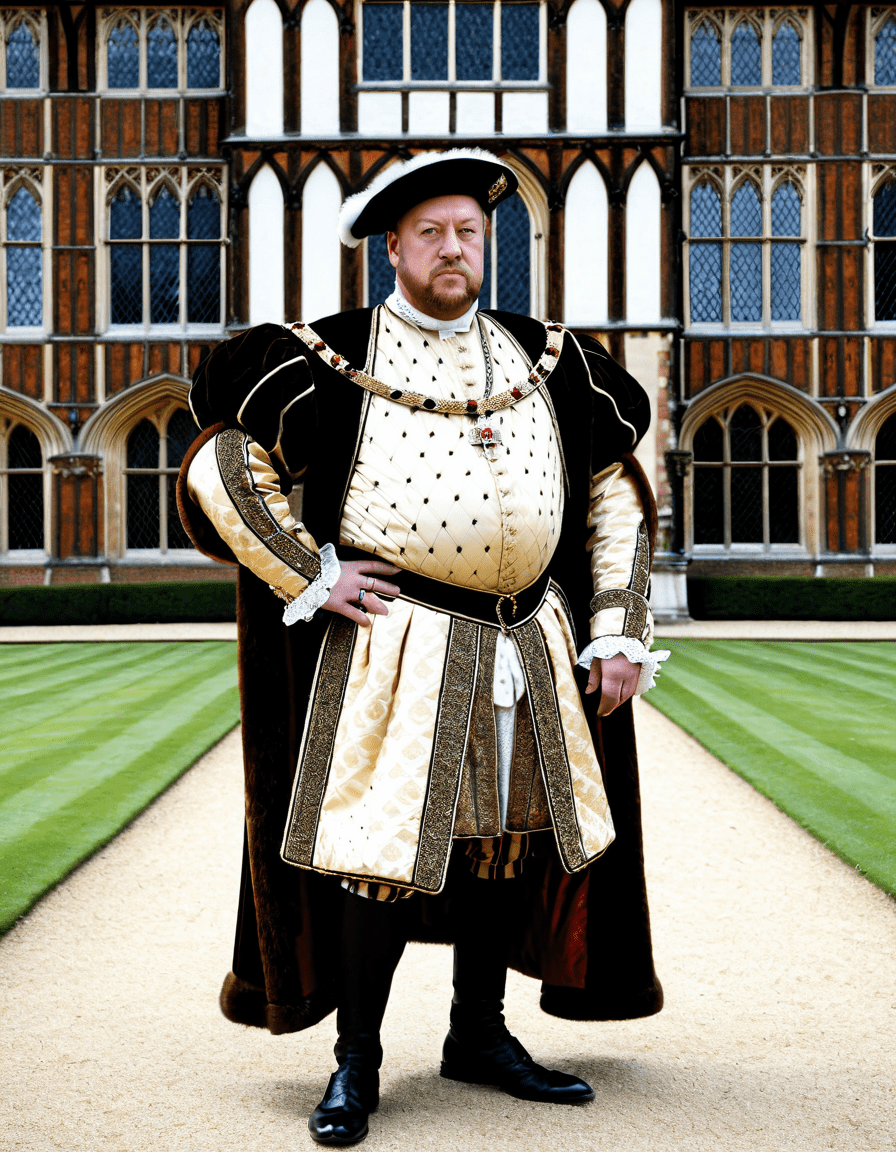
Henry VIII’s relationships were tightly interwoven with political ramifications, each marriage representing a strategic alliance that shaped the monarchy’s influence in Europe. Catherine of Aragon’s Spanish roots initially bolstered England’s stance, but her inability to provide a male heir sent shockwaves through English politics.
Analyzing Impact: How the Wives Defined Henry VIII
The wives of Henry VIII were far more than mere figures in his narrative; they wielded influence that shaped his decisions and, in turn, the course of English history. Personal crises within these marriages frequently mirrored the national conflicts, illustrating how ambition and duty could intertwine dramatically.
Wrapping Up the Legacy of Henry VIII and His Wives
The story of Henry VIII and his six wives extends beyond mere historical curiosity; it serves as a powerful lens through which we can analyze the intersections of power, religion, and gender politics. Their legacies resonate today, influencing ongoing conversations about leadership and women’s roles in the corridors of power.
These complex relationships offer ample lessons for future governance, and the legacy of Henry VIII reminds today’s leaders of the weight carried by personal actions. The lives of Henry and his wives intertwine to create a rich fabric of history, teaching us about the nuances of ambition and the shadows they cast on identity and governance.
As Henry VIII’s tumultuous relationships draw historical interest, they also provide modern-day viewers with valuable lessons about power’s responsibilities and the persistent echoes of women’s influence in shaping history. The discussions sparked by their stories continue to be relevant, enriching our understanding of leadership throughout generations. The tale of Henry VIII and his six wives is a timeless reminder that history is as much about individuals and their choices as it is about the events that shape the world.
Henry VIII: The Extraordinary King and His Six Wives
Royal Quirks and Epic Fails
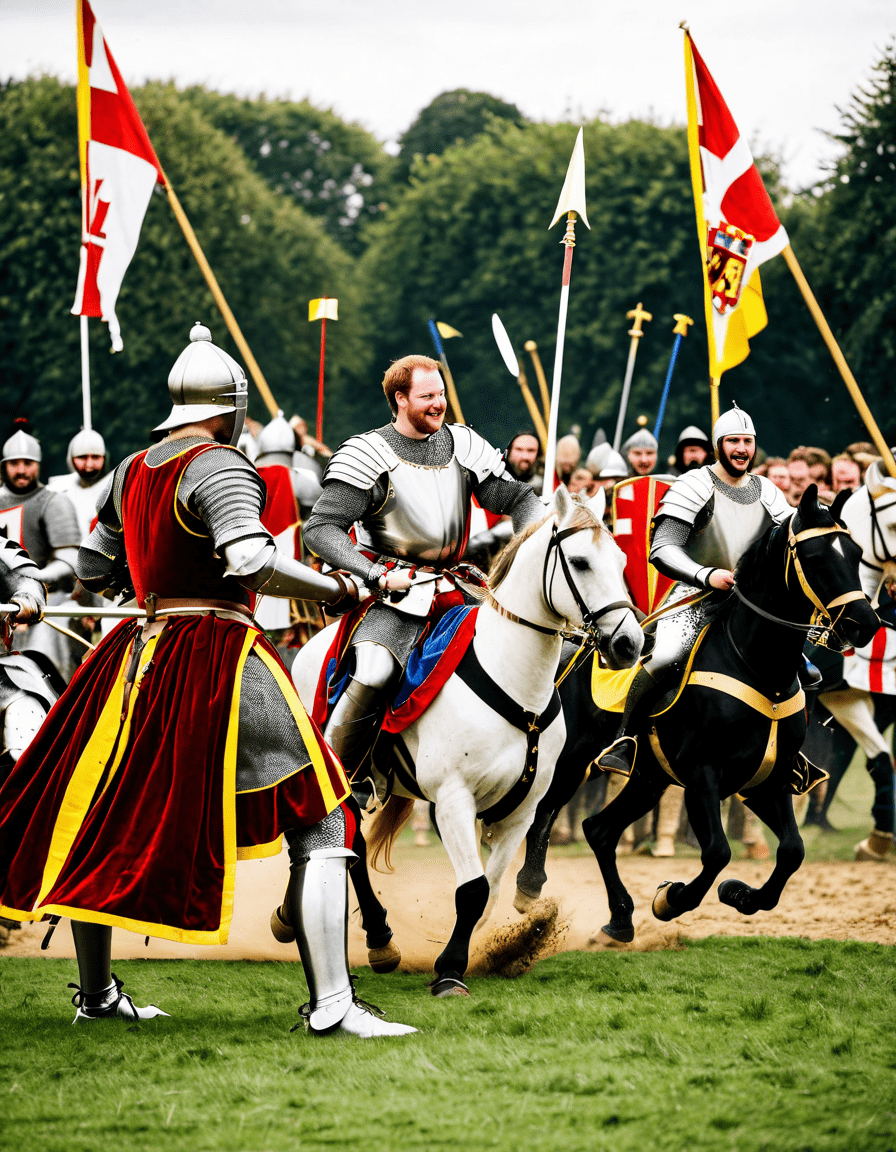
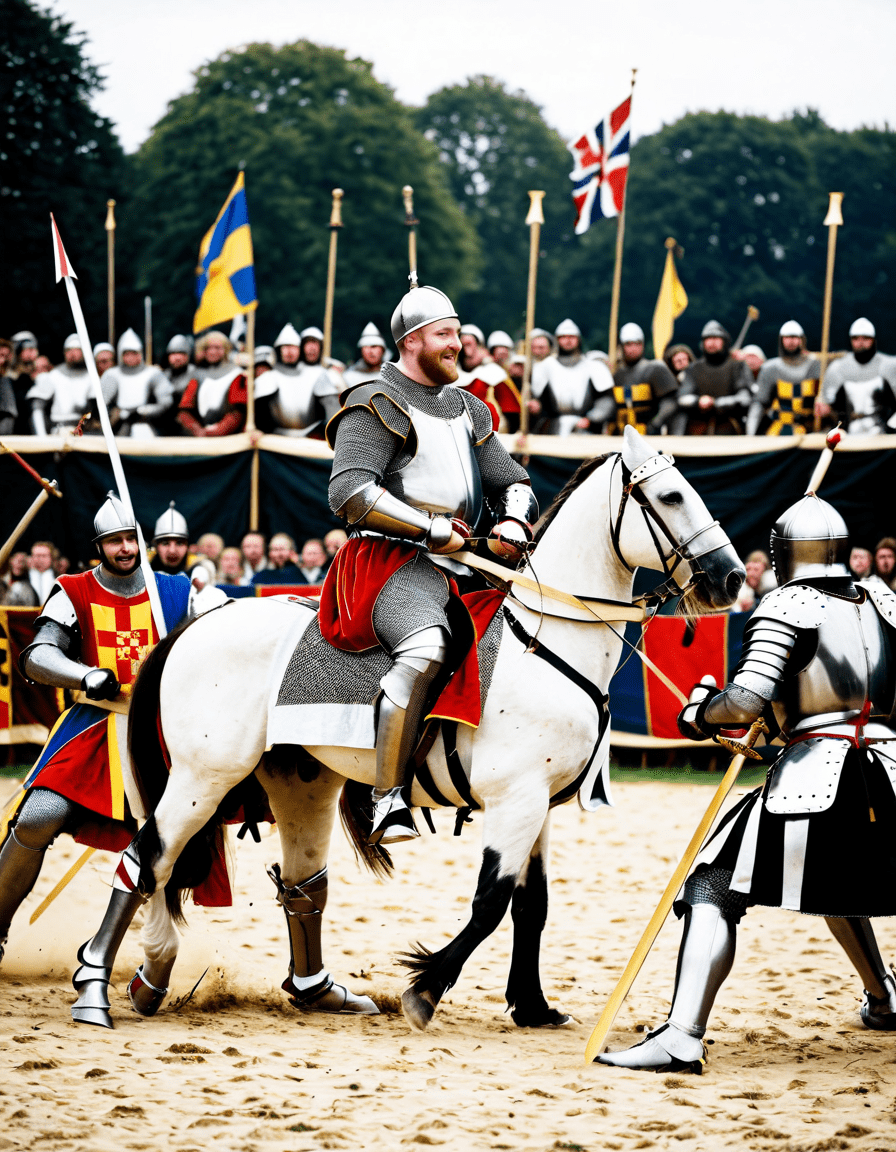
You probably know that Henry VIII had a notorious reputation, but did you know he was quite the Renaissance man? He was a skilled musician and even composed some tunes himself, impressing nobles with his talents. But wait, the king wasn’t just about music; he was also quite the athlete! Rumor has it that Henry had a real zest for activities like hunting, jousting, and even riding a motorbike—well, maybe not the last one, but you get the idea! It’s clear that this larger-than-life figure enjoyed the sports of his time just like the characters in “It’s Always Sunny, who often found themselves in absurd situations.
Marriages Made in Turmoil
When it comes to his six wives, let’s just say Henry had a type, and it certainly wasn’t his only defining trait. Each marriage was marked by drama and heartbreak, almost like a gripping episode of Narcos. His first wife, Catherine of Aragon, was married to him for over 20 years before he sought an annulment that snowballed into the English Reformation. Talk about a messy divorce! Anne Boleyn, his second wife, met a tragic end when she was beheaded for treason—a fate echoing the chilling plot twists of classic literature like “To Kill a Mockingbird, which brings about deep moral questions.
Legacy and Modern-Day Reflections
Henry VIII’s legacy continues to fascinate us today, making it into pop culture and discussions about history. His story is so captivating that it’s been adapted into numerous films and television shows, comparable to various TV Shows that weave tales of intrigue and personal conflict. Not to mention, his approach to marriage often mirrors the complex dynamics explored in shows like M3gan, where relationships take unpredictable turns. As we explore more about his life and legacy, it’s fascinating to note how even the Littlest pet shop of royal scandals still captivates audiences centuries later.
With all these weird and wonderful facts about Henry VIII, it’s clear he was anything but ordinary. Whether it’s his flamboyant lifestyle, tumultuous relationships, or a cultural impact that stretches beyond his time, he remains a king shrouded in intrigue. So, why not dive deeper and figure out what makes his story so irresistible, much like watching an intriguing film or show, starring someone quirky like Alex Sampson or featuring beloved stars like Debi Mazar?