The Truth Behind the Haunted Doll Legend
What Lies Beneath the Myth of the Accursed Figure
Some objects seem to absorb the weight of our Fears, becoming vessels for stories far larger than their physical form. The Annabelle doll is one such artifact-its stitched smile and glassy eyes now embedded in the collective psyche of modern horror. To ask whether the Annabelle doll is real is to brush up against a boundary where belief, cinematic imagination, and reported experience blur like smoke through fingers.
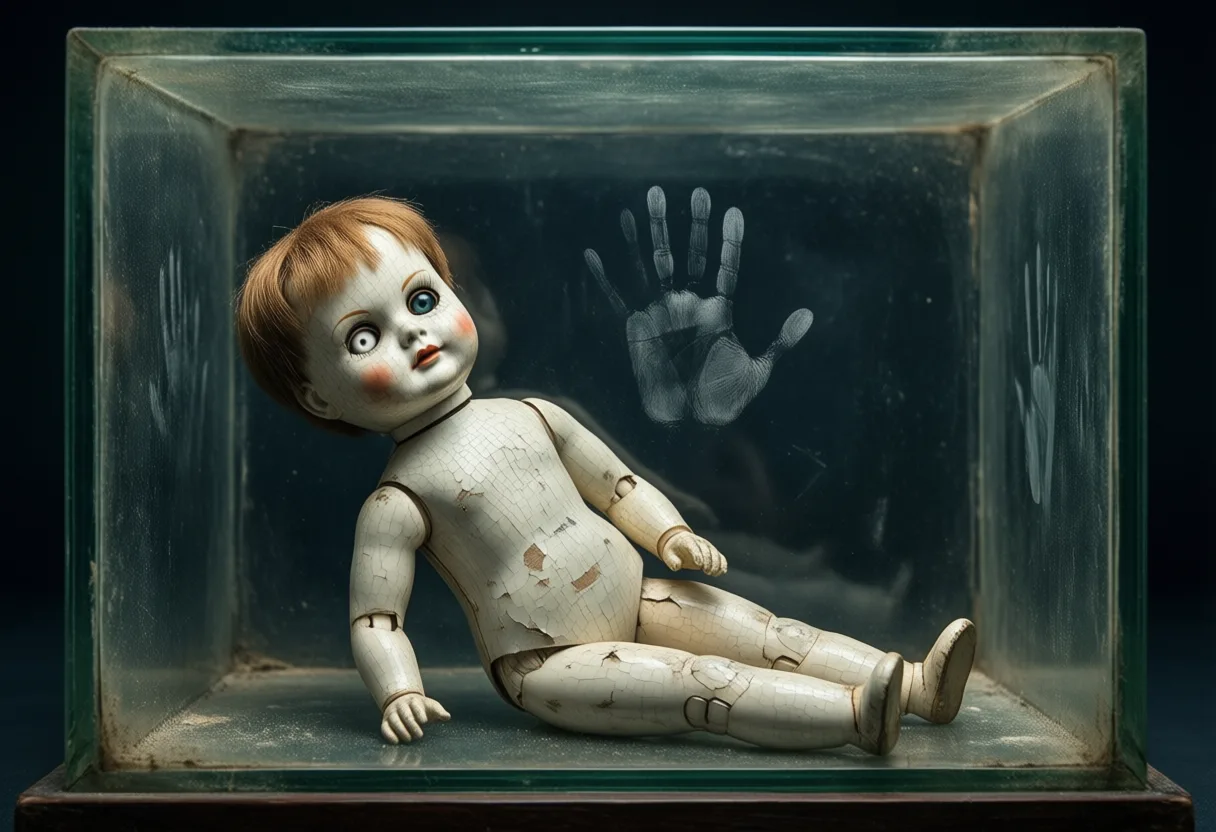
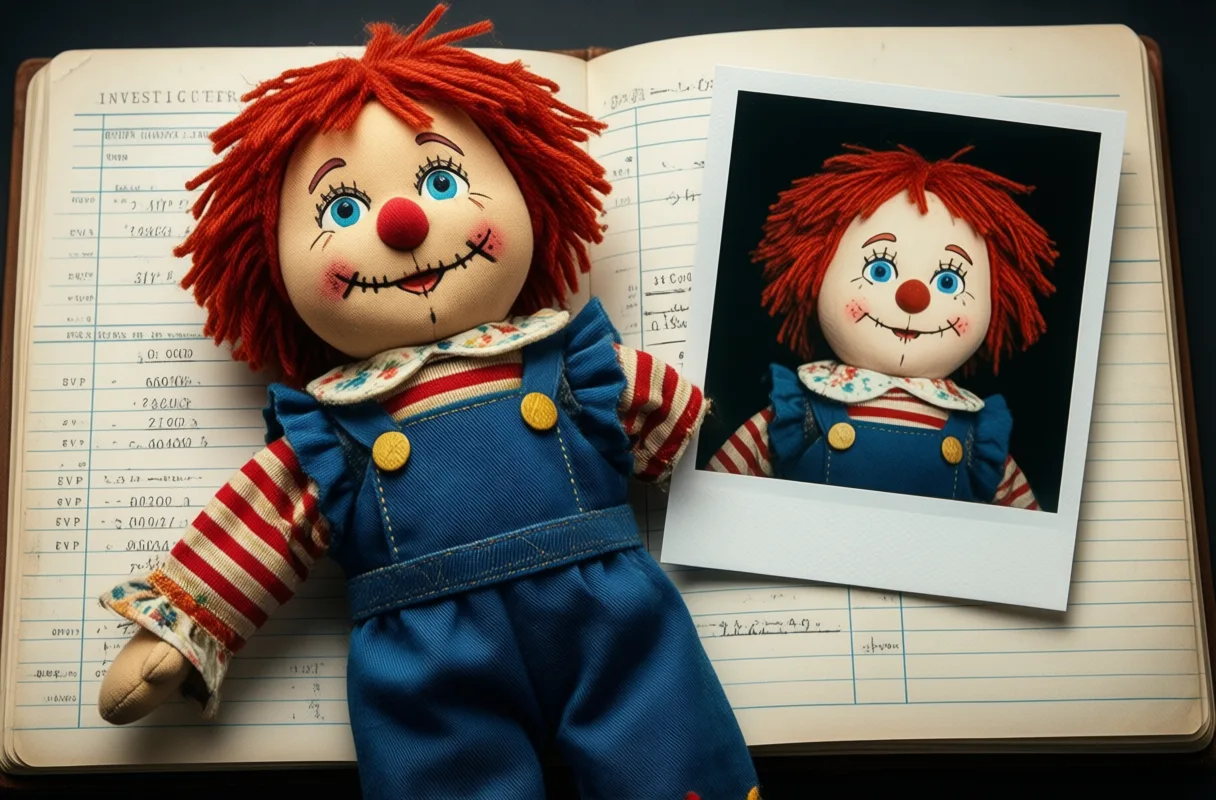
It stands now behind glass, a porcelain-faced Raggedy Ann doll dressed in faded gingham, silent and still. Yet around it swirls a narrative of hauntings, demonic bargains, and spiritual intervention-tales that have traveled from obscure paranormal case files to the glowing marquee of The Conjuring Universe. The doll’s notoriety owes less to verifiable events than to the power of suggestion, the hunger for the unexplained, and the human impulse to project meaning onto the inert.
We are drawn to objects like this not because they speak, but because we speak for them-imbuing cloth and stuffing with intention, malice, or sorrow. The Annabelle doll, whatever its true nature, has become a cipher for our deepest unease: the fear that the world we think we know is only a veneer over something older, Darker, and not entirely human.
Origins of the Legend: From Rag Doll to Cinematic Nightmare
The Warrens’ Role in Elevating a Curiosity to Notoriety
The tale begins not in a Gothic mansion Or a haunted asylum, but in a modest apartment in Connecticut during the 1970s. Two young nurses reportedly claimed a seemingly innocuous gift-a store-bought Raggedy Ann doll-had begun moving on its own, scribbling cryptic messages, and exuding a presence they could not name. These accounts, relayed through secondhand recollection, found their way into the files of Ed and Lorraine Warren, self-styled demonologists whose investigations straddled the line between devout belief and controversial showmanship.
The Warrens did not discover the supernatural; they curated it. Their New England Society for Psychic Research became a repository for objects they believed to be spiritually tainted, with the Annabelle doll eventually enshrined in a consecrated glass case. By assigning divine or demonic agency to household items, they transformed private anxieties into public spectacles-each case a morality play staged in the dim light of séances and psychic visions.
Without the Warrens’ storytelling-their photographs, lectures, and media appearances-the Annabelle doll might have remained a footnote in regional folklore. Instead, it became a central icon, not because of overwhelming evidence, but because of narrative momentum. Their accounts, layered with religious dread and supernatural conviction, laid the foundation for a myth that horror cinema would later refine and amplify.
When Fiction Blurs with Reported Events
How Horror Films Reinvented a Prop as a Paranormal Menace
It is in the alchemy of cinema that legend becomes tangible. James Wan’s The Conjuring (2013) resurrected the Annabelle doll not as a passive object, but as a catalyst of terror-a small thing with vast consequences, its stitched mouth opening not to speak, but to unleash a cascade of dread. The film, while inspired by the Warrens’ case files, took liberties as all horror must: compressing timelines, heightening drama, and sculpting ambiguity into pulse-racing clarity.
What emerged was not a documentary, but a myth-making engine. Audiences walked out of theaters feeling as if they had witnessed truth-so compelling was the fusion of shadow, sound, and suggestion. The film’s success birthed a spin-off, Annabelle, which further detached the doll from its origins, transforming it into a vessel for demonic pacts and cursed inheritances.
These films operate on the logic of dream, not evidence. They understand that fear is not always rational-it thrives in the pause between footsteps, the flicker of a reflection that shouldn't be there. The cinematic Annabelle is not real in the way a car or a tree is real; she is real in the way a nightmare is real-inescapable in the moment, lingering long after waking.
The Museum Display That Draws the Curious and the Convinced
Why People Still Visit Despite Skepticism and Disclaimers
Nestled within a modest private collection in Monroe, Connecticut, the Warrens’ occult museum once housed the Annabelle doll behind thick glass, flanked by warnings and holy symbols. The space, more cluttered archive than shrine, held dozens of objects supposedly afflicted by dark forces-from haunted paintings to cursed jewelry. Yet it was the doll, with its vacant eyes and childlike posture, that drew the most attention, the most whispers, the most reverence.
Even in death, the Warrens’ legacy sustains the myth. Visitors arrive not necessarily to verify but to participate-to stand before the doll and feel the chill, to lean into the possibility that something unseen might be watching back. Some come in faith, others in skepticism, but all come with a quiet hope: not always that the horror is true, but that the world is stranger than we know.
The museum-informal, unaccredited, and closed to the public since 2020-lives on through photographs, videos, and first-person testimonies shared online. In the absence of access, these fragments become relics themselves. The image of Annabelle behind glass persists not because it proves anything, but because it invites us to wonder: What if? That question, whispered in the dark, has always been horror’s most potent spell.
Separating Storytelling from Evidence: What Was Actually Documented
The Gap Between Eyewitness Accounts and Verifiable Facts
There is a stark difference between an experience and a fact. The stories surrounding the Annabelle doll-messages scrawled in red, violent movements, warnings from clairvoyants-are recounted with sincerity by those who believe them. Yet none of these incidents were observed under controlled conditions, captured on indisputable video, or verified by independent investigators.
The documentation that does exist-notes, photographs, and audio recordings-remains within private hands, inaccessible to peer review or scientific scrutiny. Without transparency, these records serve more as artifacts of belief than evidence of the supernatural. Even the police report allegedly involving the doll has never been made public, leaving researchers and skeptics to navigate a trail of anecdotes, not proof.
This is not to dismiss the sincerity of those who claimed to be affected. Fear is real, even when its cause is not. But the leap from emotional experience to supernatural conclusion requires more than testimony-it demands corroboration. And in the case of the Annabelle doll, the weight of corroboration remains elusive.
A Symbol of Fear, Not a Source of It
What the Annabelle Phenomenon Reveals About Belief and Storytelling
The Annabelle doll, in its quiet repose, has become far more than cloth and button eyes. It is now a mirror, reflecting our fascination with the unseen and our susceptibility to narrative. Like the best horror icons-the shark in Jaws, the house in The Haunting, the mirror in Candyman-it channels collective anxieties into a single, potent image.
We do not need the Annabelle doll to be real to feel its presence. Its power lies not in exorcisms or paranormal investigations, but in the stories we tell about it-how it was passed from hand to hand, how it seemed to watch, how it whispered in the dark. These tales, passed down and amplified, become truer in retelling, regardless of origin.
Horror, at its core, is not about monsters-it is about belief. The Annabelle phenomenon endures not because it defies explanation, but because it invites us to believe in defiance of reason. And in that fragile space between doubt and conviction, cinema, folklore, and faith converge into something unforgettable.
The Curious Case of the Annabelle Doll
More Fiction Than Fact
The Annabelle doll that inspired The Conjuring Films isn’t the creepy porcelain figure most people imagine. In real life, it’s a simple Raggedy Ann doll, the kind you might find in a 1970s toy store. It was purchased by a young woman in the 1970s and kept in her apartment, where strange events were reported-notes appearing, the doll seemingly moving on its own. Paranormal investigators Ed and Lorraine Warren later took possession of it, claiming it was inhabited by a spirit. But despite its fame, there’s no verified evidence the doll caused any harm or supernatural activity.
Locked Away for Good Reason
Today, the original Annabelle doll resides in a glass case inside the Warrens’ Occult Museum in Monroe, Connecticut. It’s sealed behind thick glass, not because it’s legally required, but because the Warrens believed it contained a dangerous presence. Visitors to the museum often report feeling uneasy near the case, though skeptics argue that’s more about expectation than actual paranormal energy. The doll’s notoriety grew slowly, mostly through word of mouth and Warrens’ lectures, until Hollywood turned it into a horror icon.
Hollywood’s Version vs. Reality
The Annabelle seen in the movies is a far cry from the real one. Filmmakers designed a much more sinister-looking porcelain doll to heighten fear, complete with stitched-on eyes and a disturbing grin. The real Raggedy Ann, while unsettling to some, looks like a vintage children’s toy with faded clothes and yarn hair. The movies also invented a backstory involving a cult and demonic possession-elements never mentioned in the original accounts. The truth? The real Annabelle’s story is more about belief and suggestion than any confirmed supernatural event.
Frequently Asked Questions
Is the Annabelle doll real?
The Annabelle doll is real as a physical object-a Raggedy Ann doll from the 1970s. However, there is no verified evidence of supernatural activity linked to it. Its haunting story stems from reported experiences and myth, not proven facts.
Where is the real Annabelle doll now?
The original Annabelle doll is kept in a glass case at the Warrens’ Occult Museum in Monroe, Connecticut. The museum has been closed to the public since 2020.
What does the real Annabelle doll look like?
The real Annabelle is a vintage Raggedy Ann doll with yarn hair, button eyes, and faded gingham clothing. It looks like a typical 1970s children's toy, not the porcelain horror figure seen in films.
Did the Annabelle movies tell the true story?
No, the movies took creative liberties. The cinematic Annabelle is a porcelain doll with a demonic backstory involving cults and possession-elements not present in the original accounts. The real doll’s story involves unverified reports of movement and notes, not supernatural events.
This article was produced with AI assistance. How Silver Screen Magazine uses AI.
Vivian Chukwu explores golden-age Hollywood with reverence and rigor, unearthing forgotten performances and cultural contexts. She connects archival footage to modern themes, making classic films feel immediate and vital through thoughtful analysis and vivid storytelling.