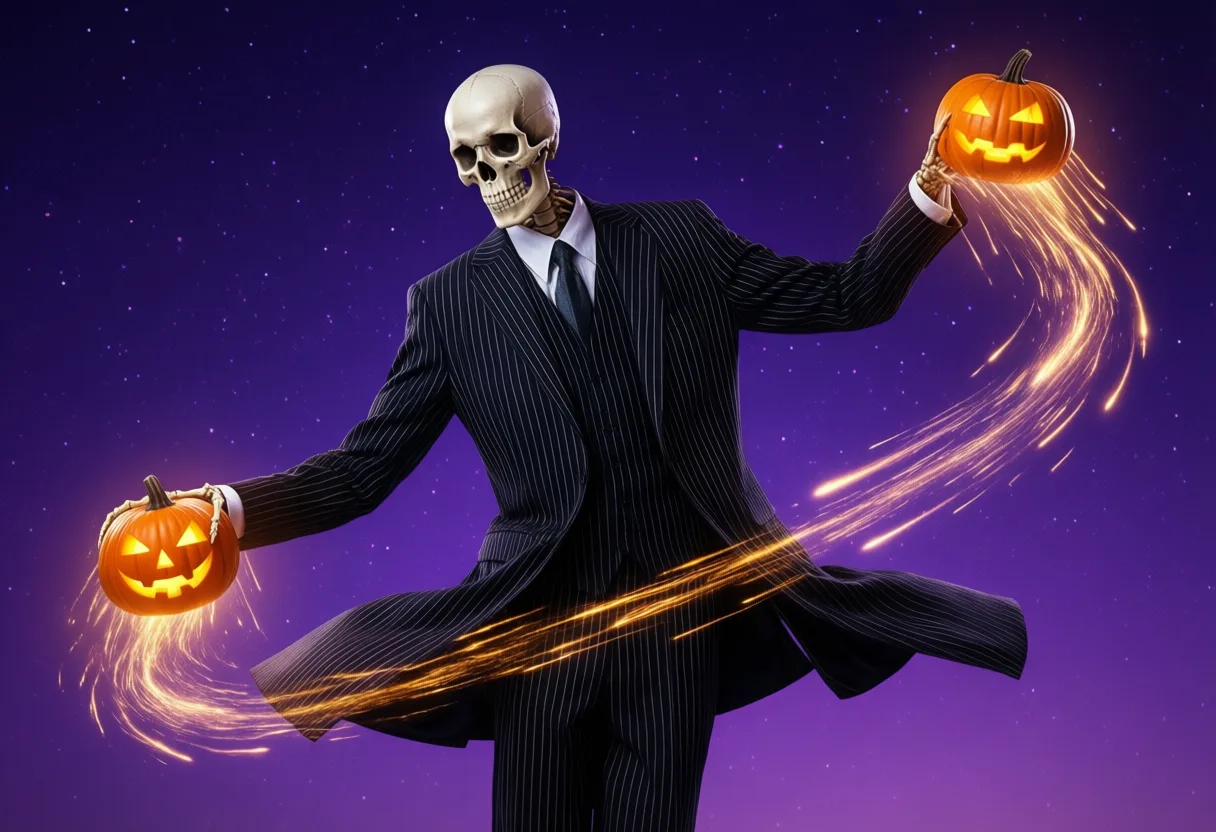
There’s a certain kind of magic in stop-motion that feels less like animation and more like theater under glass-every twitch of a puppet’s jaw, every creak of a miniature doorframe, whispering secrets of obsession. Few characters embody that eerie perfection better than the tall, grinning Skeleton Who stumbled into Christmas Town with tinsel in his ribs and a song on his bony lips. He wasn’t born from algorithms or focus groups, but from clay, wire, and the fever dream of a filmmaker who saw poetry in pumpkin patches.
The Birth of a Dark Fairytale
Tim Burton didn’t invent gothic whimsy, but he sure gave it a postal code: Halloween Town. Somewhere between a nightmare and a nursery rhyme, this shadow-draped hamlet pulses with life-well, afterlife-with citizens whose job it is to scare the pants off humanity once a year. It’s a world where fear is seasonal, rehearsed, and oddly wholesome. And at its center stands a figure so elegantly gaunt, so poetically lost, that he transcends his role as holiday mascot and becomes something closer to myth.
The film emerged during a quiet revolution in animation-one that dared suggest cartoons weren’t just for Saturday mornings. With handcrafted sets lit like noir crime scenes and songs that swung between vaudeville and requiem, it rejected the glossy sheen of Disney’s renaissance without throwing shade. Instead, it offered an alternative universe where emotions were worn on skeletons, literally. There’s a rawness in handmade art that pixels still struggle to mimic.
Burton’s vision was never about shock value. It was about tone-the way moonlight slants across gravestones, how silence can hum before a chorus kicks in. The story follows a creature of routine who suddenly wakes up to longing. Not for power, not for love, but for Meaning. When he stumbles upon Christmas Town, it isn’t envy he feels-it’s fascination. A man (or skeleton) who has defined himself by one purpose discovers, too late, that reinvention isn’t theft. It’s curiosity gone rogue.
Anatomy of an Outsider
Jack Skellington moves through his world like a poet at a poker game-too thoughtful, too tall, too aware of metaphors. His default expression is a grin, but it’s rarely happy. It’s contemplative. Haunted, even. He sings “What’s This?” Not with childlike wonder, but with the trembling awe of someone realizing their entire identity might be a costume.
He’s not the hero because he saves anyone. He’s iconic because he Fails Beautifully.
He crashes Christmas not out of malice, but misunderstanding-a tragicomic mix-up that feels painfully human.
In trying to wear another holiday’s skin, he learns what makes his own worth keeping.
This isn’t just a fable about staying in your lane. It’s about the danger of romanticizing others’ lives while undervaluing your own. Jack doesn’t need redemption-he needs perspective. And when the final bell tolls, and he’s dangling from Oogie Boogie’s Lair like a marionette with cut strings, it’s Sally who stitches things back together. Not with magic, but with quiet loyalty.
Sally, stitched together herself, sees him clearly. She doesn’t want to fix him-she wants to Witness Him. Their dynamic sidesteps cliché; there’s no grand kiss atop a clock tower. Just two misfits orbiting each other, finally aligning. It’s one of the most understated love stories in modern animation-built not on fireworks, but on shared silence.
Why He Still Haunts Us
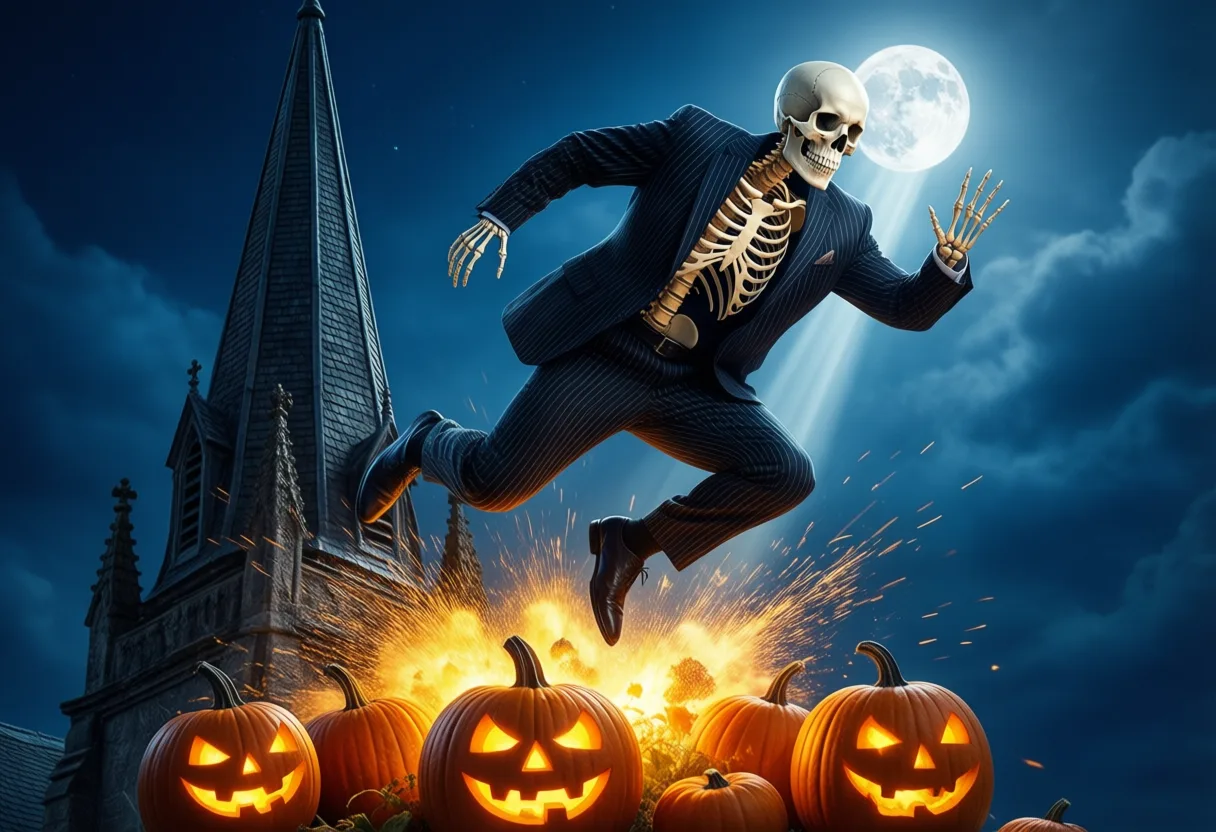
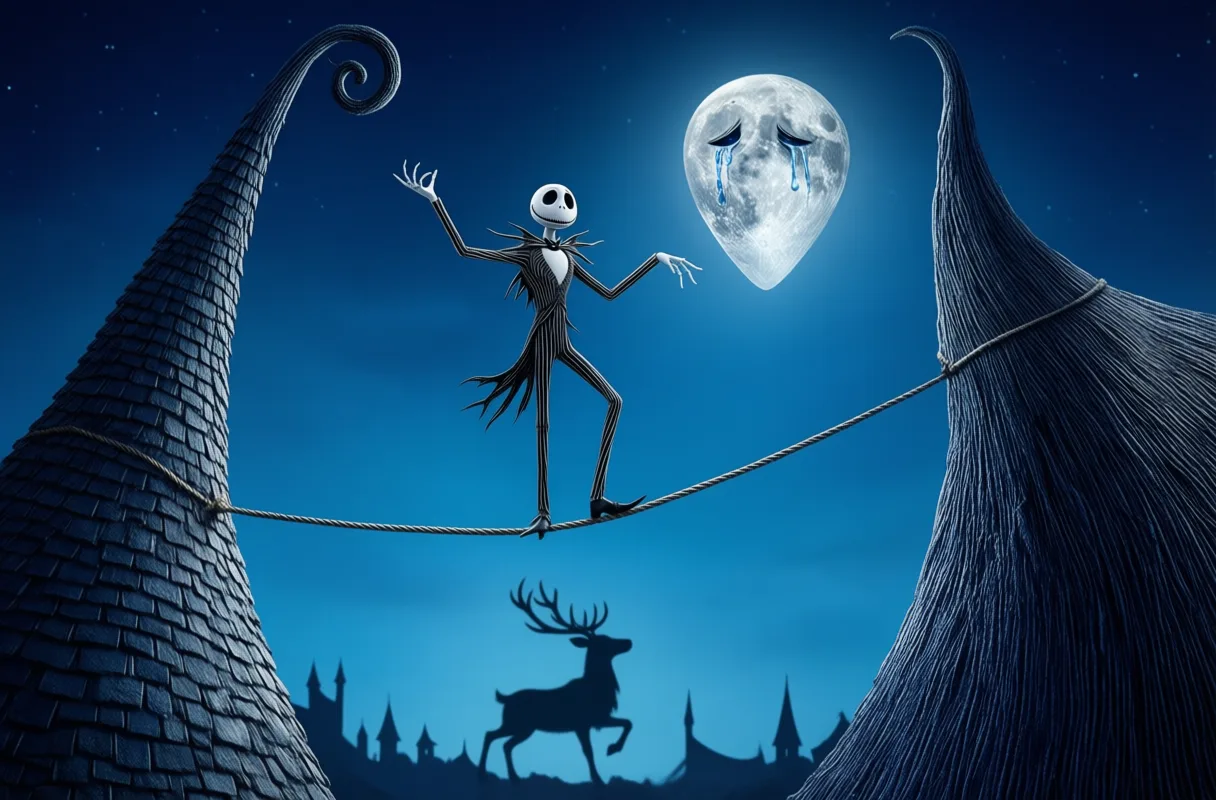
Decades later, the image remains seared into pop culture: black suit, bat bowtie, ribcage framing empty space where a heart should be. Kids wear his face on pajamas. Adults get his silhouette tattooed behind their ears. But his endurance isn’t just about aesthetics. It’s about resonance.
- He speaks to anyone who’s ever felt too much, too odd, too out of sync.
- He embodies the artist’s curse-brilliant at craft, starving for connection.
- He proves melancholy and merriment can waltz in the same ballroom.
Other animated leads grow up, fall in love, save kingdoms. Jack? He returns to his job, wiser, quieter, maybe a little sadder-but fulfilled. There’s nobility in that. In accepting your role not as limitation, but legacy.
And let’s be honest: how many movie monsters serenade you with Danny Elfman’s Warbling baritone? The music isn’t just score-it’s soul. Every chord bends genre, blending carnival jazz, German expressionism, and Broadway bravado. You don’t watch this film-you Hear It first.
It’s lasted because it refuses to pick a side. It’s spooky but sweet, ironic but sincere, dark but dazzling. Like its protagonist, it exists in the in-between. And in a world obsessed with binaries, that ambiguity is revolutionary.
The Legacy in Stitches and Shadow
Merchandise comes and goes. Reboots rise and flatline. But the real proof of cultural footprint isn’t sales-it’s imitation. You see Jack’s influence in shows that blend macabre and tender, in films unafraid of silence, in designers who drape models like haunted mannequins.
More importantly, he changed what animated protagonists could Be. Before him, heroes had chins that jutted and voices that soared. Jack has no chin. No eyes. Just posture and pitch. Yet he commands every frame like a Shakespearean ghost.
He also proved that stop-motion could carry emotional weight beyond novelty. Each frame took hours. One sneeze on set could ruin a day’s work. That fragility bleeds into the story-this world is delicate, temporary, precious.
You don’t forget a character who teaches you that being different isn’t a flaw-it’s a frequency. Some of us just broadcast on a darker wavelength. And sometimes, the scariest thing isn’t the monster under the bed. It’s the quiet ache of wondering if you belong anywhere at all.
Jack Skellington doesn’t give answers. He just walks through the fog, humming a tune, reminding us that even skeletons can feel too much. And maybe that’s enough.
| Aspect | Detail |
|---|---|
| Original concept | Poem by Tim Burton in the 1980s |
| Speaking voice actor | Chris Sarandon |
| Singing voice performer | Danny Elfman |
| Other voices by Elfman | Barrel, Clown with the Tear-Away Face |
| Animation technique | Handcrafted stop-motion |
| Cultural appearances | Disneyland, Disney World Haunted Mansion |
The Pumpkin King’s Hidden Surprises
A Song That Wasn’t Meant to Be
Before he became the face of Halloween Town, Jack Skellington was originally conceived as a minor character in a Christmas-themed story. The entire concept for The Nightmare Before Christmas Began as a poem written by Tim Burton during his time working at Disney in the 1980s. He didn’t think it would ever become a film-just a creative outlet. It wasn’t until years later, after Burton gained fame with movies like Beetlejuice And Batman, that he revisited the idea and developed it into a full stop-motion project.
Singing Bones, Surprising Voice
Despite sounding like a seasoned Broadway performer, Jack doesn’t actually have singing scenes in the original film performed by his speaking voice actor, Chris Sarandon. Danny Elfman, the film’s composer, provided Jack’s singing voice, crafting melodies that blended showtunes with eerie undertones. Elfman also voiced several other characters in the movie, including Barrel and the Clown with the Tear-Away Face. Chris Sarandon, while not singing on screen, has said he still gets recognized in the most unexpected places-like grocery stores-by fans quoting Jack’s lines.
More Than Just a Halloween Hero
Jack Skellington’s popularity exploded far beyond the film’s initial release. His image has appeared on everything from Halloween Decorations to high-end fashion collaborations. He’s become a symbol not just of Halloween, but of alternative holiday spirit, often showing up in Christmas displays thanks to his fascination with “Sandy Claws.” Even Disneyland and Disney World feature Jack in seasonal overlays of Haunted Mansion, proving his lasting cultural footprint.
Frequently Asked Questions
Who provided Jack Skellington's singing voice?
Danny Elfman provided Jack Skellington's singing voice. He was also the film's composer and voiced other characters.
What inspired the creation of Jack Skellington and Halloween Town?
Tim Burton wrote a poem in the 1980s while working at Disney, which later became the basis for the character and world.
Why is Jack Skellington considered iconic beyond Halloween?
He symbolizes alternative holiday spirit and appears in Christmas displays due to his fascination with 'Sandy Claws'.
How did stop-motion animation contribute to the film's impact?
Each frame took hours to create, and the handmade process added emotional weight and fragility to the story.
This article was produced with AI assistance. How Silver Screen Magazine uses AI.
Rohan Kilpatrick dissects the personal lives of stars with wit and precision, balancing insider access with ethical awareness. He delivers the latest whispers and headlines with a sharp eye for irony, never sacrificing style for sensationalism.