Jiu Jitsu is more than just a martial art; it’s a phenomenon that has transformed the landscape of modern combat disciplines. Its blend of technique over brute strength sets it apart, making it a vital piece of the self-defense puzzle and a favorite among fighters who seek both practicality and artistry in their practice. Originating from feudal Japan and blossoming into the global powerhouse it is today, Jiu Jitsu’s influence is felt far and wide. Let’s dive into how this dynamic martial art shapes both fighters and communities in ways we might not fully appreciate.
1. The Foundational Elements of Jiu Jitsu Practice
Historical Background
The roots of Jiu Jitsu stretch back to Japan’s samurai era when it served as a method for unarmed combat. The word “Jiu” means gentle, while “Jitsu” translates to art. Together, they represent the idea of using an opponent’s force against them. Over the years, this art has traveled across continents, evolving into its modern form primarily associated with Brazilian Jiu Jitsu (BJJ). Influential figures like Mitsuyo Maeda brought Jiu Jitsu to Brazil, where it was further adapted and refined by the Gracie family and others.
Technical Philosophy
At its core, Jiu Jitsu emphasizes leverage, timing, and technique, which together create an efficient way to overcome opponents. The art teaches practitioners to stay calm under pressure, using the least amount of energy necessary. Jiu Jitsu isn’t just about physical strength; it’s about outsmarting your opponent. This philosophy sets the stage for effective execution, whether on the competition mat or in a self-defense scenario.
Importance of Sparring
One of the standout features of Jiu Jitsu is its focus on live sparring, also known as rolling. This practice exposes students to real-time scenarios where they can apply techniques against resisting opponents. Unlike traditional martial arts that often lean heavily on kata (pre-arranged forms), Jiu Jitsu’s sparring environment fosters adaptability and quick thinking. It’s this dynamic quality that has allowed Jiu Jitsu to grow in effectiveness and popularity among martial artists.
2. Top 5 Jiu Jitsu Techniques That Changed Martial Arts
The triangle choke is a game-changer for both competitive fighters and those looking for a self-defense technique. This submission grab pulls the legs into a triangle shape, making it nearly impossible for an opponent to escape. Practitioners like Marcelo Garcia have showcased its versatility, applying it flawlessly in both gi and no-gi formats.
Known for its widespread adaptability, the armbar has launched many champions to victory across various combat sports, including MMA. Ronda Rousey, for instance, mastered this technique, leading to multiple first-round finishes in her career. The armbar might look straightforward, but its execution requires precision, showcasing how Jiu Jitsu can turn the tables quickly.
Guard passing is crucial in ground fighting, especially in MMA. Fighters like Gordon Ryan have elevated the strategy of passing guard, allowing them to transition into dominant positions seamlessly. The ability to pass an opponent’s guard not only opens up submission opportunities but also controls the pace of a match.
The beauty of the rear naked choke lies in its simplicity and effectiveness. Popularized by legends like Renzo Gracie, this method effectively neutralizes opponents in competitions, often leading to quick finishes. With proper technique, it remains a staple in both BJJ and MMA training regimes, showcasing Jiu Jitsu’s profound impact on martial arts.
Introduced by practitioners like Ricardo de la Riva, this guard position has transformed how fighters approach both traditional Jiu Jitsu and modern MMA. It allows for offensive and defensive options, giving athletes like André Galvão innovative strategies to gain an upper hand in fights. The De La Riva guard exemplifies how Jiu Jitsu techniques continue to evolve and influence various martial arts.
3. Jiu Jitsu: A Catalyst for Cross-Training in Modern Martial Arts
Transitional Elements
As the landscape of martial arts has continued to grow and change, Jiu Jitsu has taken center stage as a complementary practice for fighters across disciplines. It blends seamlessly with striking arts like Muay Thai and boxing, as well as wrestling. This crossover enhances the overall game of fighters, creating well-rounded martial artists capable of thriving in any scenario.
Notable Cross-Training Advocates
One cannot overlook fighters like Khabib Nurmagomedov, who have successfully incorporated Jiu Jitsu’s principles into their primarily wrestling-based training. Khabib’s ability to maneuver on the ground, combined with striking, showcases Jiu Jitsu’s versatility. As mixed martial arts evolves, the fusion of different styles, with Jiu Jitsu at the core, is a trend that’s unlikely to fade.
A Growing Trend
Cross-training is no longer just a buzzword; it’s a requirement for serious fighters. Many gyms today instill a curriculum that encourages students to learn multiple disciplines. The result? Athletes who can adapt quickly, counter effectively, and grow stronger through shared techniques that Jiu Jitsu has to offer.
4. The Role of Jiu Jitsu in Self-Defense
Effective Techniques for Real-World Situations
Jiu Jitsu’s practicality shines when it comes to self-defense. Techniques like the rear naked choke, often demonstrated in live scenarios, provide individuals with effective solutions against larger aggressors. Many self-defense programs, such as Krav Maga, have incorporated ground techniques that draw inspiration from Jiu Jitsu, highlighting its adaptability.
Success Stories
Countless individuals have shared their journeys of how Jiu Jitsu training saved them in real-life confrontations. From those who’ve warded off attacks to individuals who’ve managed to escape threatening situations, Jiu Jitsu has empowered many. Personal stories flow through Jiu Jitsu academies worldwide, reinforcing the idea that this art is not just about competition but about self-preservation too.
Creating Confident Practitioners
The confidence gained from mastering Jiu Jitsu is remarkable. Many practitioners report a boost in self-esteem that comes from both skill acquisition and community support. Jiu Jitsu fosters resilience and tactfulness, equipping students with tools to handle life’s challenges, both on and off the mats.
5. Cultural Impact of Jiu Jitsu: Unity Through Technique
Community Development
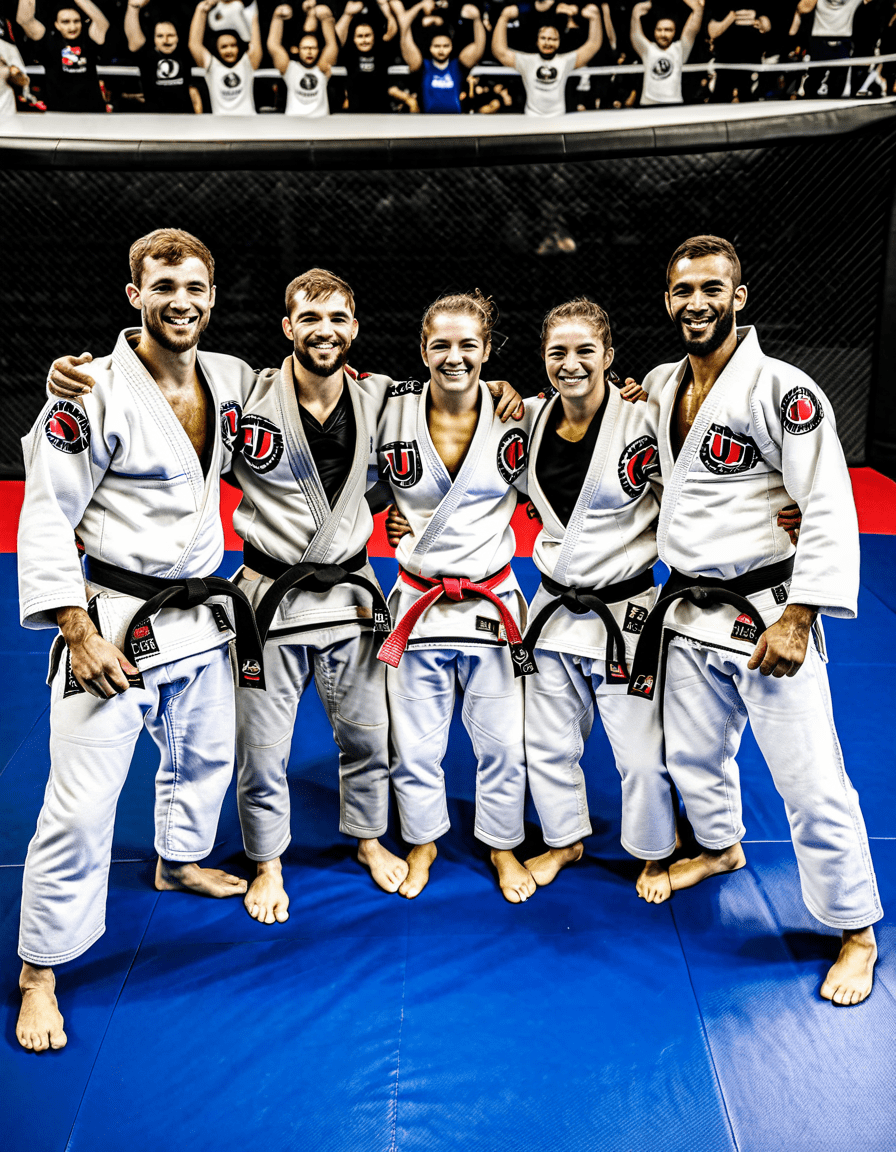
One of the most beautiful aspects of Jiu Jitsu is its power to create communities. It brings together people from all walks of life, transcending differences through shared experiences on the mat. The atmosphere of camaraderie found in academies builds a sense of belonging that enriches practitioners’ lives.
Global Events
Tournaments like the World Jiu Jitsu Championship not only showcase elite talent but also promote unity among practitioners worldwide. These events celebrate varied cultures and traditions, allowing competitors to intermingle in a spirit of sportsmanship that’s often hard to find in other sports. Opportunities for friendships and alliances blossom during such gatherings, which celebrate Jiu Jitsu’s global reach.
Influential Jiu Jitsu Schools
Academies such as Gracie Academy and 10th Planet Jiu Jitsu deserve recognition for their commitment to teaching and expanding Jiu Jitsu. Their influence extends beyond mere technique; they cultivate philosophies that resonate with students, creating a legacy of knowledge that’s shared worldwide. These schools ensure that the spirit of Jiu Jitsu remains vibrant across borders and cultures.
6. The Future of Jiu Jitsu in the Evolving Martial Arts Landscape
Anticipating Trends
As we stand at the juncture of martial arts innovation, the future of Jiu Jitsu looks promising. We’re likely to see trends around technology integration, enhancing performance analysis for athletes. This data-driven approach may help in refining techniques, promoting deeper understanding, and individual growth among practitioners.
The Increasing Popularity of Female Practitioners
There’s a noticeable surge in women participating in Jiu Jitsu, shaking the long-held perceptions regarding gender in martial arts. Influential athletes like Mackenzie Dern and Beatriz Mesquita inspire a new generation of female fighters, signaling a shift that promotes inclusivity. This growth can only mean positive changes for the future of Jiu Jitsu.
Trial and Innovation
As more people embrace Jiu Jitsu, we can expect to see new styles, techniques, and methodologies emerge. Each generation brings fresh perspectives, continuously enriching the art. The passion for Jiu Jitsu remains undeterred, paving the way for innovations that will resonate for years to come.
Wrapping Up the Jiu Jitsu Journey
The profound impact of Jiu Jitsu on modern martial arts is indisputable. Its foundational techniques, philosophies, and community spirit have reached beyond mats, fostering unity in combat sports and self-defense. From the mat to the street, Jiu Jitsu promises to continuously adapt, ensuring relevance despite the changing landscape.
As we conclude this exploration, it’s clear that the journey of Jiu Jitsu is far from over. Its influence will persist, shaping fighters and communities for generations to come, making it a cornerstone of martial arts in a world that’s constantly evolving. Whether you’re stepping on the mat for the first time or looking to refine your skills, Jiu Jitsu remains a cherished ally in your martial arts journey.
For more insights on pop culture and details about your favorite shows, like the one featuring Tyler Posey, feel free to check out Silver Screen magazine. It’s all about the stories that unite us, from martial arts mastery to the latest film trends, so keep your passion alive and dive into the magic of cinema!
Jiu Jitsu: Fun Trivia and Interesting Facts
The Grand History of Jiu Jitsu
Jiu Jitsu has a storied past that traces back to the samurai warriors of feudal Japan. They utilized this martial art for self-defense, focusing on grappling techniques when all else failed. Interestingly, this art form traveled to Brazil, where it evolved significantly, leading to the development of Brazilian Jiu Jitsu (BJJ). It’s fascinating to think that what began as a means of survival has morphed into a global phenomenon, impacting everyone from self-defense enthusiasts to Hollywood stars, like Lou Ferrigno jr., who has trained in martial arts. You could say Jiu Jitsu’s journey mirrors the way the film Grumpy Old men resonates with audiences, highlighting how age doesn’t limit one’s ability to reinvent themselves.
Training for Everyone
One of the coolest aspects of Jiu Jitsu is that it’s highly adaptable. You don’t have to be a muscle-bound fighter to excel; people from all walks of life practice it. In fact, even comedic talents find a place in this sport! Leslie Jones has openly shared her experiences with martial arts training, proving that humor and hard work can go hand in hand. That blend is just like the way the hook n reel concept combines elements of lure and line in fishing; both require a certain finesse and strategy. For those who think martial arts is too rough and tough, the accessible nature of Jiu Jitsu makes it appealing, whether you’re just in for fitness or have self-defense goals.
Fun Facts That Pack a Punch
Did you know that Jiu Jitsu practitioners often compare their training sessions to a dance? The movement requires fluidity, strategy, and awareness, akin to preparing for a performance, much like the art of production behind video gratis Pornografico. Additionally, some terms in Jiu Jitsu might sound foreign, but they often carry deep meanings. For instance, the phrase “tap out” signifies submission, a critical concept in both self-defense and a competitive atmosphere. If you plan your Jiu Jitsu journey around the luna calendar, it could add an intriguing layer to your training regimen, synchronizing your sessions with natural cycles just as one might consult the Calendario lunar for auspicious days.
These interesting aspects showcase how Jiu Jitsu not only empowers its practitioners but also connects them to broader themes in society and history, making the art as engaging as any classic film. Whether you’re a newbie or a seasoned fighter, knowing these bits of trivia can add a little flair to your journey in mastering Jiu Jitsu.