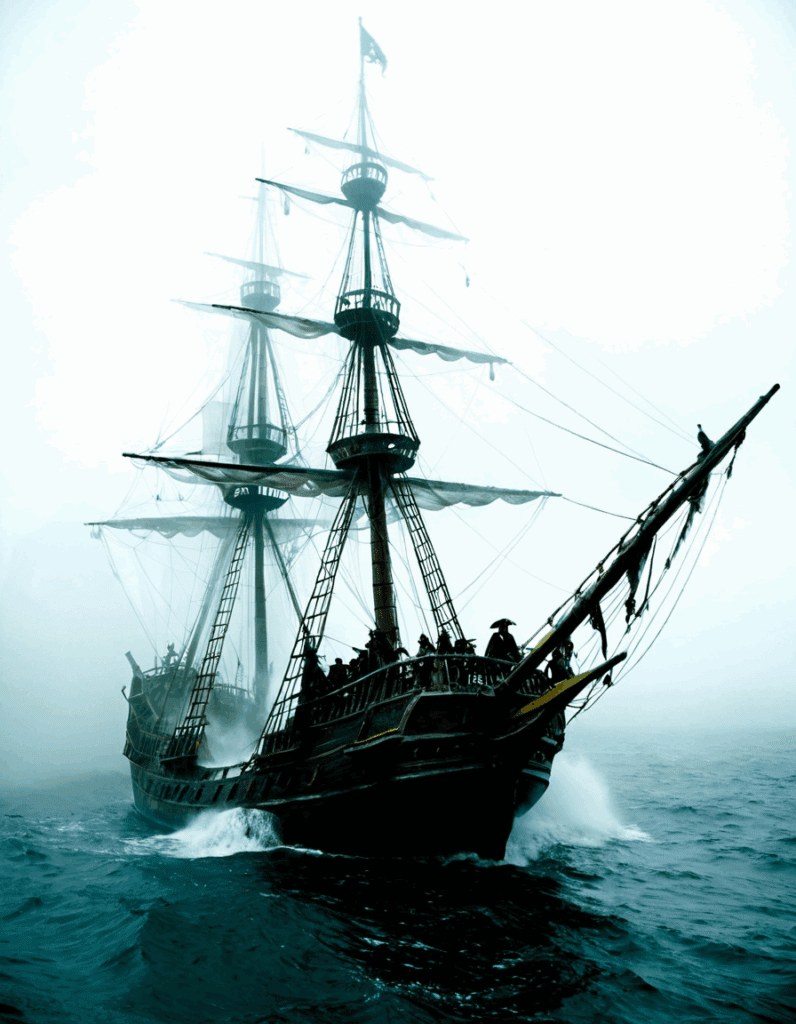
The “Pirates of the Caribbean” franchise has enchanted audiences ever since it first hit theaters, but the third installment, Pirates of the Caribbean: At World’s End, released in 2007, truly elevated the saga. This film not only brought various story arcs to a dramatic climax but also solidified its place in cinematic history. So, what is it that makes Pirates of the Caribbean 3 So unforgettable? Let’s delve into its impact compared to its predecessors-Pirates of the Caribbean 1 And Pirates of the Caribbean 2-and take a closer look at how its legacy stands up to Pirates of the Caribbean 5.
Top 5 Reasons Why Pirates of the Caribbean 3 Stands Out
Pirates of the Caribbean: At World’s End expertly intertwines multiple plotlines stemming from earlier films, particularly the groundwork laid in Pirates of the Caribbean 1 and Pirates of the Caribbean 2. The introduction of new characters, like Captain Sao Feng and the mysterious Calypso, enriches the storytelling and draws in audiences who’ve been on this journey since the very first installment. The film isn’t afraid to tackle heavy themes like sacrifice and freedom, offering depth beneath the adventurous surface.
The film impresses with its breathtaking visuals and elaborate set pieces. Who could forget the fantastical maelstrom showdown or the sheer scale of the Brethren Court? Even when comparing to Pirates of the Caribbean 5: Dead Men Tell No Tales, At World’s End sets the bar high in terms of production quality. The blend of live-action and stunning visual effects captures the imagination, making each frame a visual feast.
The evolution of characters like Jack Sparrow, Will Turner, and Elizabeth Swann is central to Pirates of the Caribbean 3. Their relationships are multilayered, particularly the infamous love triangle that adds emotional weight to the story. While Pirates of the Caribbean 5 echoes similar themes, it often lacks the emotional nuance that resonates so deeply in At World’s End.
The music, crafted by the brilliant Hans Zimmer, feels like an extra character in its own right. It reintroduces familiar themes from previous films while layering in new motifs that capture the adventurous spirit of the narrative. The soundtrack’s impact reverberates through other films, including Pirates of the Caribbean 1 and Pirates of the Caribbean 2, fostering a recognizable auditory identity for the franchise.
Pirates of the Caribbean 3 has undoubtedly made a lasting imprint on our culture. The movie’s memorable quotes, iconic characters, and thrilling narratives continue to be celebrated in everyday conversations and referenced across multiple media platforms. Unlike Pirates of the Caribbean 5, which struggled to forge the same cultural relevance, At World’s End remains a cornerstone of modern cinematic storytelling, influencing merchandise, theme parks, and beyond.
The Cinematic Journey: From Pirates of the Caribbean 1 to Pirates of the Caribbean 3
To grasp the significance of what Pirates of the Caribbean 3 Has achieved, we need to explore the series’ evolution starting with Pirates of the Caribbean 1: The Curse of the Black Pearl. The first film laid down essential traits-comedic timing, spells of adventure, and supernatural lore. It serves as a launching pad for the deeper, darker themes explored in the later films.
As the original film unlocked the door to hidden treasures of storytelling, it introduced us to unforgettable characters and established a comedic tone that perfectly balanced the darker elements. Setting the scene for sequels, it also hinted at the tension between good and evil, a theme that would unravel beautifully as we moved towards Pirates of the Caribbean 3.
Pirates of the Caribbean 2: Dead Man’s Chest escalated the stakes by introducing the compelling villain Davy Jones. This narrative shift took the audience on a darker path, priming us for the epic conclusion in At World’s End. The threads of continuity between these films are not just important-they’re essential to understanding the grand narrative that unfolds.
Innovation Through Change: What Pirates of the Caribbean 5 Introduced
Fast forward nearly a decade later, Pirates of the Caribbean 5: Dead Men Tell No Tales Sought to breathe new life into the franchise. While it offered fresh storytelling and welcomed an ensemble cast featuring Javier Bardem as Captain Salazar, it ultimately fell short in capturing the emotional resonance of Pirates of the Caribbean 3. The film’s adventurous spirit felt diluted, missing the smartly woven layers of complexity that kept At World’s End Alive in the hearts of fans.
Revisiting the Thrill of Pirates of the Caribbean: At World’s End
Beyond the exhilarating action and stunning visuals, Pirates of the Caribbean 3 Brings to the forefront rich thematic layers surrounding freedom and the struggle against fate. It effectively bridges the gap between lighthearted adventure and darker tones, solidifying its status as a pivotal turning point within the series. Moreover, the emotional stakes hit home, as characters fight not just for treasure, but for something more profound-vindication, understanding, and acceptance.
As we step back and assess the legacy of the Pirates of the Caribbean Franchise in 2026, Pirates of the Caribbean 3: At World’s End Stands as a glittering testament to the power of storytelling. It proves that an exhilarating finale is not merely an end; it lays the groundwork upon which further adventures can continue to unfold. The narrative arc established in this film beckons us to explore the unknown seas ahead, leaving us all yearning for more salty tales filled with excitement and daring exploits.
Pirates of the Caribbean 3: A Thrilling Finale Awaits
Behind the Scenes: Secrets of Production
“Pirates of the Caribbean 3” wasn’t just another blockbuster; it was an adventure from the get-go. Did you know that the filmmakers used over 100,000 gallons of water to create those epic scenes at sea? Talk about a splash! This phenomenal third installment was a visual feast, and you can catch glimpses of its elaborate setup, like the outstanding ship designs, reminiscent of grand naval battles akin to what’s depicted in Armageddon. Not only that, but the creators craftily incorporated elements from folklore, pulling viewers into a captivating saga that had audiences pondering Live And Let Die.
Fun Facts on Characters and Casting
The character dynamics played a crucial role, too. For instance, the beloved Jack Sparrow, portrayed by Johnny Depp, showcased a blend of humor and resourcefulness that captivated many. Interestingly, his character drew inspiration from real-life pirate lore, sprinkling authenticity into his exaggerated antics, much like how Carmen Sandiego Brings historical figures to a modern light. And speaking of unique characters, the musician Coyote Shivers, who actually has a cameo in the film, adds a cool layer to the adventure, making it even more memorable.
Cultural Influences and Culinary Connections
Rich in symbolism, “Pirates of the Caribbean 3” also indulged viewers with thematic elements beyond just swashbuckling. For instance, the film hints at the culinary treasure of Fleur de Sel, which represents the fine things in life amidst the chaos of piracy. Besides, moments where pirates discuss honor and loyalty echo those age-old tales we’ve come to appreciate. Each scene mixes a bit of humor and seriousness, mirroring everyday life, a sentiment familiar in classics like The Founder. The film delivers an endearing narrative that keeps fans engaged-just like the coveted Ballon d’Or awards, serving as a prize in the sports world, the film itself became a prize for adventure lovers everywhere.
In its heart, “Pirates of the Caribbean 3” encapsulates the spirit of camaraderie and the thrill of the sea, making it a finale worth celebrating. With its vibrant characters and engaging plot twists, it’s safe to say this film has sealed its place in cinematic history!
This article was produced with AI assistance. How Silver Screen Magazine uses AI.
Silver Screen Magazine writes for Silver Screen Magazine - classic cinema, film reviews, industry updates and hollywood gossip.