What’s Haunting Theaters in 2025?
The shadows in the multiplex have grown longer, deeper, more insistent. 2025 ushers in a new wave of Horror-one that stitches together the familiar with the uncanny, the digital with the primal. From haunted pizzerias to cursed country roads, this year’s slate doesn’t just scare; it unsettles the very ground beneath our cinematic feet.
A resurgence of game-born nightmares walks hand-in-hand with reinvented folklore, while streaming platforms amplify whispers into screams. The Horror landscape Is no longer confined to the darkened theater-it seeps into our homes, our devices, our dreams. This is not just a year of jump scares; it’s a year of psychological erosion, of childhood icons twisted into something unrecognizable.
The genre, in its most potent form, has always mirrored our collective anxieties. In 2025, those fears are both intimate and vast-technological dread, fractured identities, the ghosts of nostalgia, and the quiet horror of places we once called safe. The films emerging now don’t just reflect fear; they cultivate it, slowly, deliberately, like mold spreading behind the wallpaper of reality.
Freddy Fazbear’s Return: A New Nightmare Begins
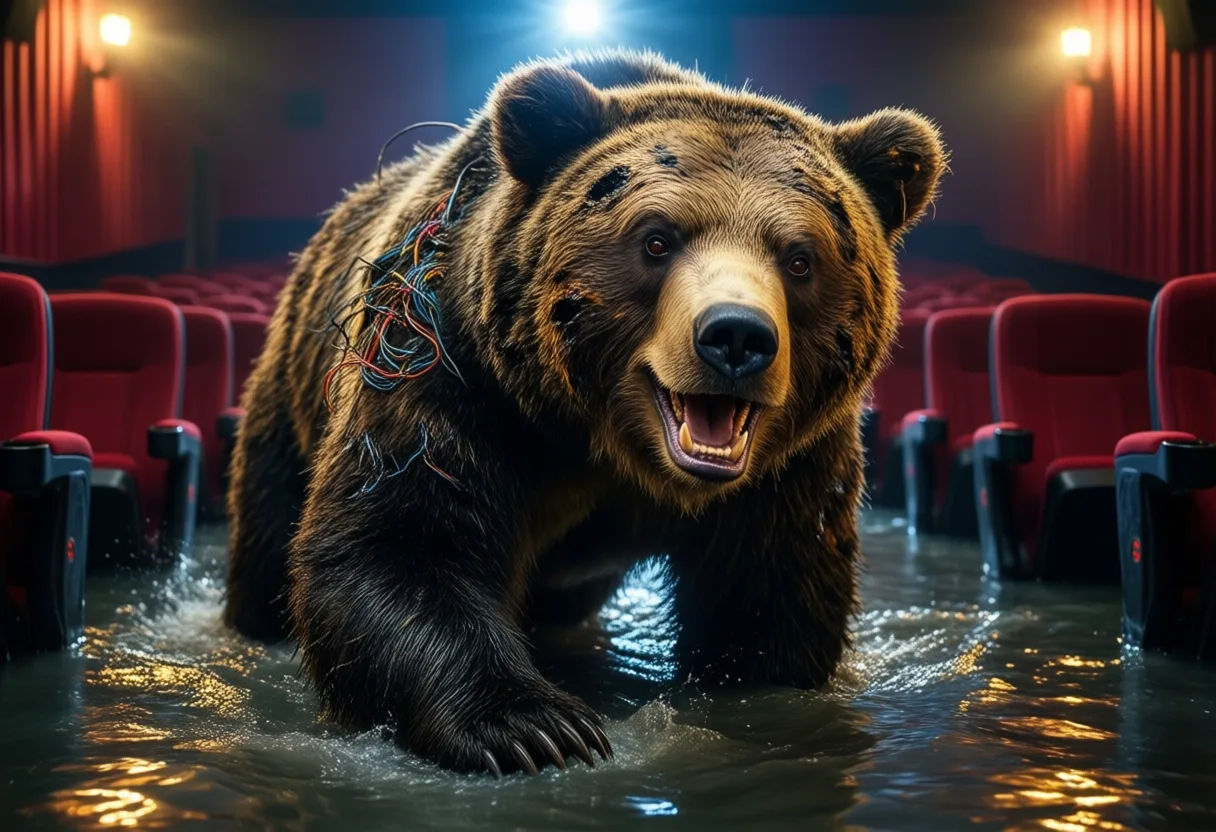
Freddy Fazbear lumbers back onto the screen, his yellow fur dulled by time and shadow, his eyes no longer just glowing-they Watch. The long-awaited Five Nights At Freddy’s 2 Resurrects the animatronic terror with a vengeance, plunging audiences into the decaying corridors of a new, even more sinister pizzeria. This isn’t a mere retread of the original’s claustrophobic dread; it’s an expansion-more animatronics, more lore, more psychological unraveling.
The film leans into the franchise’s deep mythology, teasing the blurred line between programming and possession. Where the first film whispered of malfunctioning machines, the sequel suggests something far older, far darker, buried beneath the code. The animatronics aren’t just broken-they’re Awake, and they remember.
Freddy, once a cartoonish bear with a guitar, now carries the weight of a corrupted deity. His movements are deliberate, almost ceremonial, as if he’s not just hunting but enacting a ritual. The horror here isn’t just in survival-it’s in the realization that the past, no matter how buried, always finds a way to claw its Way back To the surface.
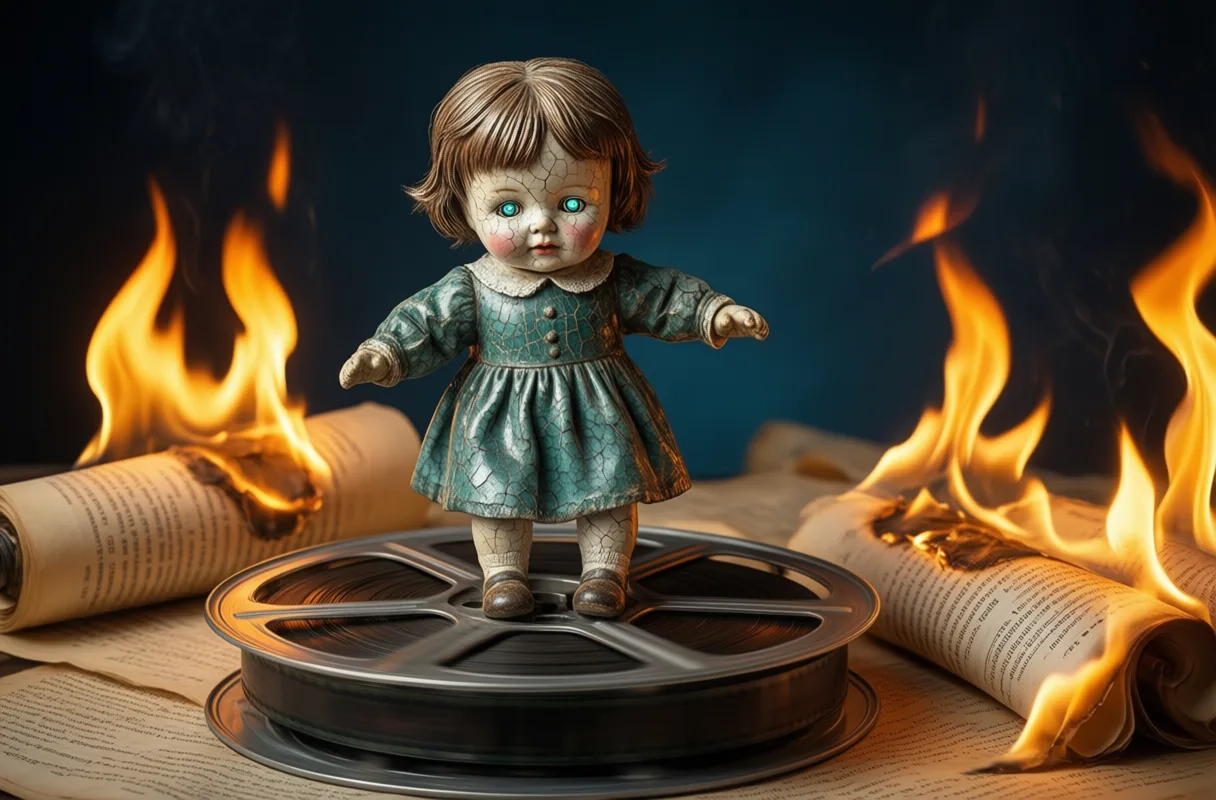
Can Animatronics Still Terrify Audiences in the Modern Era?
In an age of AI and deepfakes, the idea of a malfunctioning robot should feel quaint. And yet, the uncanny valley remains a chasm we cannot cross without trembling. Animatronics-those jerky, glass-eyed relics of arcade past-somehow feel more real, more Present, than any digital ghoul. Their terror lies not in realism, but in their Almost-humanity.
There’s a perverse nostalgia at play. These figures once sang cheerful tunes for children, their movements stiff but endearing. Now, that same stiffness becomes predatory. The disconnect between their friendly design and violent intent creates a cognitive dissonance that lingers. We don’t fear what we don’t recognize-we fear what we Do, twisted beyond repair.
In 2025, this tension is weaponized. The new wave of animatronic horror doesn’t just rely on jump scares; it weaponizes memory. These machines aren’t random horrors-they’re tied to lost childhoods, forgotten birthday parties, the eerie silence of a closed-down family entertainment center. The fear isn’t just of being attacked-it’s of having your happiest memories defiled.
Beyond the Pizzeria: The Evolution of Game-Based Horror
The success of Five Nights at Freddy’s Is not an anomaly-it’s a sign of a broader shift. Video games, once seen as mere diversions, are now fertile ground for cinematic horror. Their mechanics-limited resources, escalating tension, looping nights-translate seamlessly into film language. But more importantly, they offer a new kind of mythos, born not from folklore or literature, but from player experience.
Games like Resident Evil, set for a new cinematic outing in 2026, have long straddled the line between interactive thriller and horror epic. Their worlds are meticulously crafted, their threats both biological and existential. The jump to film isn’t just adaptation-it’s evolution. The camera becomes the player’s eyes, the score the pounding heartbeat during a zombie encounter.
Other titles on the horizon suggest a genre maturing beyond zombies and jump scares. The blend of psychological torment and environmental storytelling in games is now being mirrored in film. The fear isn’t just external-it’s internal, born from isolation, paranoia, and the slow realization that the rules of reality no longer apply. The game is no longer on the screen; it’s in the theater, and we’re all players now.
A Look at the Darker Side of Childhood Icons
There’s a particular horror in seeing the symbols of innocence turned monstrous. The teddy bear, the clown, the cartoon sheep-these figures once promised comfort. Now, they leer from the dark, their familiar shapes warped into instruments of dread. 2025 leans heavily into this subversion, turning nostalgia into a weapon.
Consider the upcoming Shaun the Sheep Horror-tinged project-though details remain sparse, the mere suggestion of the gentle farm animal caught in a nightmare is enough to unsettle. It’s not the violence that terrifies, but the violation of expectation. These icons were meant to be safe; their corruption suggests no place is truly secure.
Even Scary Movie 2, now a relic of early 2000s parody, hints at this deeper current. Beneath the slapstick, it mocked the tropes of haunted houses and possessed objects-tropes that are now being treated with deadly seriousness. The joke has curdled into something real. The icons we laughed at are now watching us, and they’re not laughing back.
Supernatural Threats Take Center Stage in 2025’s Lineup
The physical is giving way to the metaphysical. 2025’s horror slate is steeped in the unseen-the spirits that linger in old houses, the curses passed down through generations, the entities that exist just beyond the edge of perception. Films like The Deliverance And Black Phone 2 Tap into a deep well of spiritual dread, where evil isn’t just a man with a knife, but a force with intent.
These stories often root themselves in religious or folk traditions, lending them a weight that pure fantasy lacks. The rituals, the prayers, the symbols-they feel ancient, tested by time. The horror isn’t just in the ghost, but in the realization that someone, somewhere, once had to develop a way to fight it.
The supernatural also allows for a different kind of tension-one that builds slowly, through whispers, through shadows that move when no one’s looking. It’s a horror of atmosphere, of implication. The camera lingers on an empty hallway, and we Know Something is there, even if we can’t see it. This year, the unseen is more powerful than ever.
From Cursed Objects to Vengeful Spirits: The Rise of Folk Horror
Folk horror, once a niche subgenre, has seeped into the mainstream. Its power lies in its grounding-evil that isn’t alien, but Local. It festers in the soil, in the old stones, in the songs passed down through generations. 2025 sees this tradition expanding, with films rooted in regional myths, forgotten rituals, and the quiet menace of rural isolation.
#10 Hallow Road (2025) Exemplifies this trend-a tale set along a forgotten stretch of highway where travelers vanish, not to monsters, but to the land itself. The road remembers, the trees watch, and the rules of the city no longer apply. This is horror born of place, where the environment is not just a backdrop, but an active participant.
The cursed object, too, makes a resurgence-not as a gimmick, but as a vessel. These items carry history, pain, intention. To touch them is to inherit a burden. In an age of disposability, the idea of an object that Cannot Be discarded, that Demands To be reckoned with, is profoundly unsettling. The past, in folk horror, is never truly dead.
How Streaming Platforms Are Shaping the Future of Fear
The theater is no longer the only altar for horror. Streaming platforms have become sanctuaries of the strange, offering space for slow burns, experimental narratives, and international voices that might never find a wide theatrical release. Netflix’s inclusion of films like The Wretched And The Ritual Signals a demand for mythic, atmospheric horror that unfolds over time.
Shudder continues to champion the niche, the obscure, the beautifully grotesque-Hellcat And A Bay of Blood Are not just titles, but invitations to dive into deeper, darker waters. These platforms allow horror to breathe, to linger, to unsettle over days rather than hours. The fear doesn’t end when the credits roll; it follows you into the next episode.
Paramount+ and Rotten Tomatoes’ home listings reveal another trend: the horror marathon culture. With Pet Sematary: Bloodlines, The Ring Two, and Rosemary’s Baby Available on demand, audiences can trace the evolution of fear from page to screen, from analog to digital. The genre is no longer fragmented-it’s a living, breathing archive, constantly reinterpreted.
What Makes a Horror Sequel Stand Out in a Crowded Field?
In a year overflowing with sequels-Black Phone 2, Five Nights at Freddy’s 2-the challenge isn’t just to continue the story, but to deepen it. The best sequels don’t repeat; they Expand. They peel back another layer of the myth, reveal a new dimension of the threat, or force the characters to confront what they’ve become.
A strong sequel understands that the first film’s horror was not just in the event, but in the aftermath. Trauma lingers. Survivors are never truly safe. Black Phone 2 Appears poised to explore this-what happens after the boy escapes the basement? Does the voice on the other end of the line ever truly hang up?
The danger, of course, is repetition. Too many sequels rely on the same beats, the same scares, the same monster. The ones that endure are those that evolve-where the fear mutates, where the rules change, where the audience realizes, with dawning horror, that the first nightmare was only the beginning.
The Quiet Horror of Everyday Settings Gone Wrong
Some of the most potent horror doesn’t come from castles or asylums, but from places we know too well. The Suburban home, the quiet office, the empty school hallway-these are the stages for 2025’s most unsettling tales. When the familiar turns hostile, the foundation of safety cracks.
#13 Dangerous Animals (2025) Suggests a threat not from the jungle, but from the domestic-pets, wildlife, or perhaps creatures that look like animals but behave with chilling intelligence. The horror lies in the betrayal of trust. We let these beings into our homes, our lives, and then they reveal their true nature.
Even Frankenstein (2025), if rooted in contemporary settings, could explore this theme-not a gothic experiment, but a modern reckoning with creation, with responsibility, with the monsters we build in labs, in algorithms, in our own image. The everyday, in these films, is not safe. It’s waiting.
Why 2025 Might Be the Year of the Slow Burn
The explosion of jump-scare-driven horror has given way to something more patient, more insidious. 2025 feels like the year of the slow burn-the film that doesn’t shock you awake, but keeps you from sleeping at all. These are stories that coil around the viewer, tightening imperceptibly until the tension is unbearable.
Films like The Ritual And The Wretched Prove that atmosphere can be more terrifying than any monster. The dread builds through silence, through glances, through the slow realization that something is Off. The camera doesn’t rush; it lingers. The score doesn’t blare; it hums beneath the surface.
This approach demands patience from audiences, but rewards it with a deeper, more lasting fear. It’s the difference between a punch and a poison. You recover from the first. The second changes you. In 2025, horror isn’t just about survival-it’s about transformation.
Final Frame: What Lurks Ahead for the Genre
The horror of 2025 is not a single entity, but a mosaic-of nostalgia corrupted, of technology haunted, of the past refusing to stay buried. It speaks to a world where the lines between real and unreal, human and machine, memory and myth, are dissolving. The genre, in its finest moments, doesn’t just scare us-it Sees Us.
As Freddy Fazbear’s eyes flicker in the dark, as a country road remembers its dead, as a phone rings in an empty basement, we are reminded that horror is not escape. It is confrontation. It forces us to look at what we’ve buried, what we’ve forgotten, what we’ve tried to laugh away.
The future of fear is not in louder screams, but in quieter truths. The pizzeria may be closing, the games may reset, but the unease remains. And in that lingering discomfort, in that shadow just beyond the light, the genre finds its power. The screen goes dark. But we know something’s still there, watching. Waiting.
What’s Creeping Into Theaters and Streaming This Year
Freddy’s Back - And So Are Classic Fears
Freddy Fazbear is officially back in action with Five Nights at Freddy's 2, ramping up the animatronic terror for a new wave of fans. While details are still under wraps, the sequel builds on the eerie legacy of haunted arcade robots, proving that childhood nostalgia can turn sinister in the blink of a glowing red eye. Fans won’t have to wait long to test their nerves, as 2025 ushers in a packed slate of horror, including Hallow Road And Dangerous Animals, both teasing fresh twists on supernatural suspense and primal fear.
Meanwhile, reboots and reinventions are taking center stage - Pet Sematary: Bloodlines Digs up the past with a chilling origin story, while a new cinematic take on Frankenstein Promises to explore the monster’s mythos with modern flair. Streaming platforms aren’t backing down either, with Netflix adding spine-tinglers like The Deliverance And Black Phone 2 To its roster, giving viewers a front-row seat to spiritual hauntings and psychological dread from the comfort of their couches.
For those craving something off the beaten path, hidden gems like Ghost Killer (2024) and A Bay of Blood Are finding second lives among cult horror buffs, often praised for their atmospheric tension and throwback gore. Whether it’s AI gone rogue in Buddy (2026) or biotech horrors lurking in Onslaught, the next few years are shaping up to be a golden age of frights - where classic monsters share screen time with terrifyingly modern threats.
Frequently Asked Questions
What is Five Nights at Freddy’s 2 about?
Five Nights at Freddy’s 2 returns to a decaying pizzeria with more animatronics, deeper lore, and psychological horror. Freddy Fazbear and other figures are no longer just malfunctioning machines but seem possessed by something darker.
Why are animatronics still scary in 2025?
Animatronics unsettle because of their almost-human appearance and nostalgic design twisted into something predatory. Their stiff movements and familiar forms create cognitive dissonance, making them more terrifying than digital horrors.
How is folk horror evolving in 2025?
Folk horror in 2025 is rooted in regional myths and rural isolation, with evil emerging from the land itself. Films like Hallow Road show places remembering past wrongs and actively threatening travelers.
What role do streaming platforms play in 2025’s horror scene?
Streaming platforms like Netflix and Shudder offer space for slow-burn, atmospheric horror and international stories. They support cult films and allow audiences to experience horror marathons on demand.
This article was produced with AI assistance. How Silver Screen Magazine uses AI.
Vivian Chukwu explores golden-age Hollywood with reverence and rigor, unearthing forgotten performances and cultural contexts. She connects archival footage to modern themes, making classic films feel immediate and vital through thoughtful analysis and vivid storytelling.