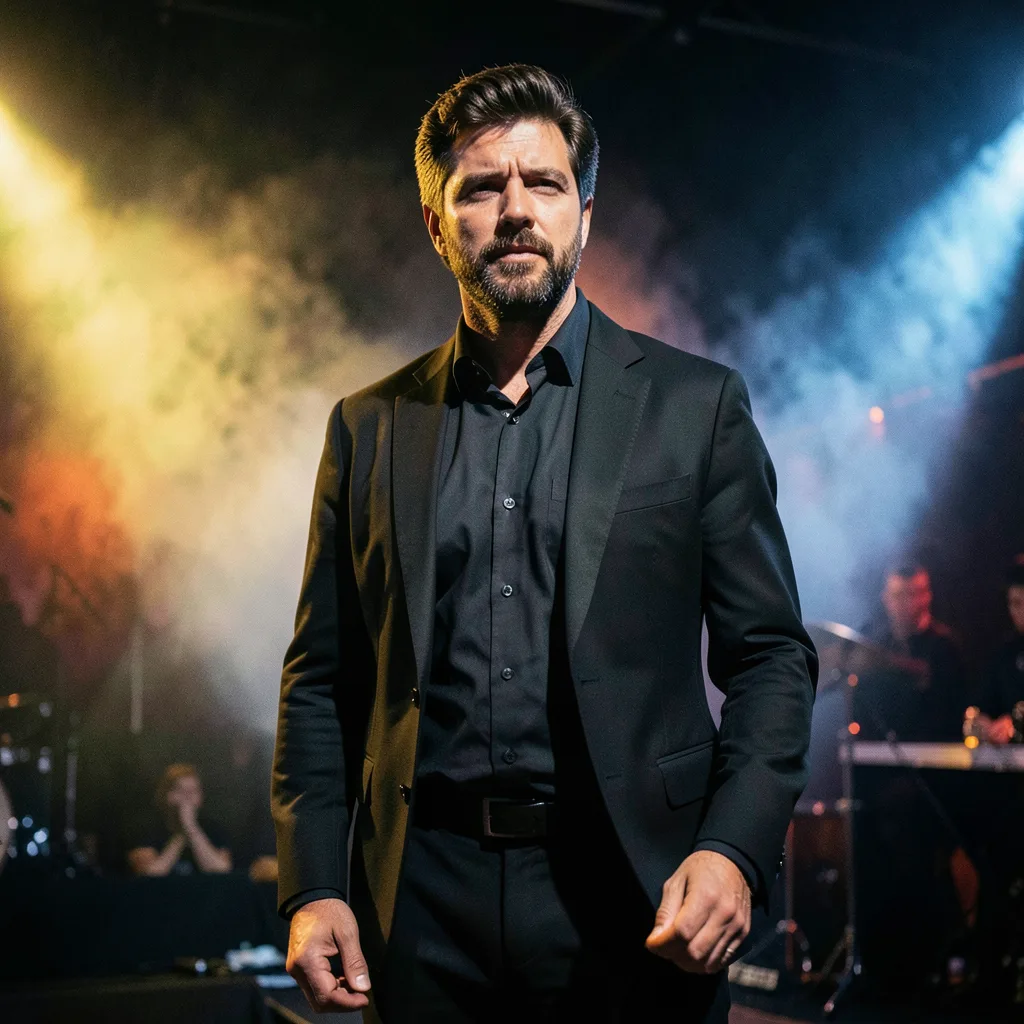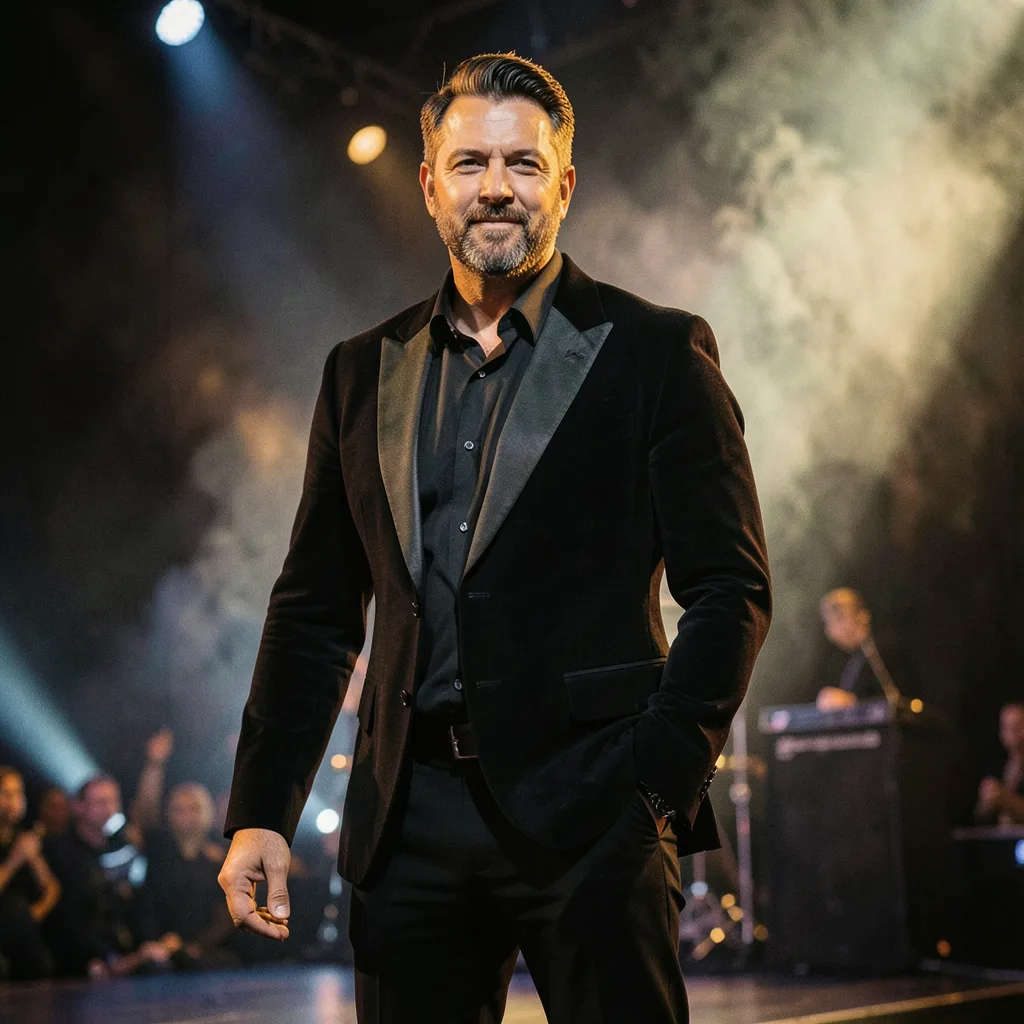
Romeo santos didn’t set out to become the most polarizing figure in modern Latin music, but his quiet dominance has rewritten the rules of romance, rhythm, and revenue in a genre once dismissed as rural folk love songs. With a voice like velvet dipped in moonlight and a career built on defiance, he didn’t just elevate bachata-he turned it into a global empire.
Romeo Santos and the Empire He Never Meant to Build
| Category | Details |
|---|---|
| Full Name | Anthony Santos |
| Stage Name | Romeo Santos |
| Born | July 21, 1981, The Bronx, New York City, U.S. |
| Origin | Dominican-American |
| Genres | Bachata, Latin Pop, R&B, Urban |
| Occupation(s) | Singer, Songwriter, Record Producer, Musician |
| Years Active | 1998–present |
| Notable Role | Lead vocalist of Aventura (1998–2011, 2016, 2019, 2021–2023 reunion tours) |
| Solo Debut Album | *Formula, Vol. 1* (2011) |
| Label(s) | Sony Music Latin, Sony Records |
| Notable Hits | “Propuesta Indecente”, “Eres Mía”, “Odio” (feat. Drake), “Promise” |
| Awards | Billboard Latin Music Awards, Latin Grammy nominations |
| Nickname | “King of Bachata” |
| Key Contribution | Modernized bachata with urban and R&B influences; globalized the genre |
| Notable Collaborations | Drake, Usher, Nicki Minaj, Marc Anthony, Enrique Iglesias |
Before arenas, before platinum plaques, and before the whispers of “King,” romeo santos was just a kid from The Bronx with a tape recorder and a dream shaped by boleros and doo-wop. Growing up in a Dominican-Haitian household, he absorbed the melancholy pulse of bachata not as background noise, but as emotional truth-a sound that mirrored his parents’ sacrifices and the quiet ache of immigrant longing. His early work with Aventura wasn’t rebellion; it was evolution. By fusing R&B runs with syncopated requinto guitar licks, they Modernized a genre once deemed too raw for radio, turning underground dance halls into incubators for a revolution.
What few understood at the time was that Santos operated less like a frontman and more like a Cultural architect. While fans fixated on choreography and lyrics, he studied charts, contracts, and branding with the precision of a Wall Street trader. This behind-the-scenes discipline laid the foundation for one of the most profitable independent careers in Latin music history-proving that artistry and entrepreneurship could coexist without compromise.
Unlike peers who chased mainstream validation early, Santos embraced what was once a liability: his authenticity. He never diluted his sound for crossover appeal. Instead, he forced the world to come to him-a strategy that would later make him the first bachatero to sell out Three consecutive nights at Yankee Stadium In 2023, a feat even global superstars like Bad Bunny hadn’t attempted. His empire wasn’t built on hype, but on loyalty-both from fans and the underground musicians he elevated.
From Aventura to Solo Stardom: Rewriting Bachata’s Rules
When Aventura disbanded in 2011, fans mourned as if a dynasty had fallen. But romeo santos saw liberation. His 2011 debut Fórmula, Vol. 1 Wasn’t a mere solo launch-it was a manifesto. With tracks like “You,” featuring Usher, Santos Blurred genre lines while preserving bachata’s DNA, bringing orchestral strings and poetic lyricism to pop radio. It debuted at No. 1 on Billboard’s Top Latin Albums and stayed there for over a year, redefining what Latin crossover could mean without singing a single English verse.
Critics questioned whether he could sustain momentum without his bandmates, but Santos responded with Fórmula, Vol. 2 (2014), an album so rich in texture and ambition it included collaborations with Raphael, Marc Anthony, and Tego Calderón. The record shattered expectations, eventually going 11x platinum in the U.S.-a rarity in any genre, let alone one rooted in traditionalism. He didn’t just survive the transition-he weaponized it, using creative control to reshape bachata into a cinematic experience.
Today, the Aventura reunion tours are celebrated, but it’s romeo santos’ solo trajectory that shifted the paradigm. Where once bachata was seen as a regional genre with limited reach, he turned it into a Sonic luxury brand, complete with high-fashion visuals, symphonic arrangements, and lyrical sophistication that rivals the greats of any era.
“Is He Really the King?” Debunking the Crown Myth
“King of Bachata” isn’t a title romeo santos claims lightly-and many argue it’s been bestowed too generously. Legends like Antony Santos and Luis Vargas shaped the genre’s golden age in the ‘90s, crafting the raw, guitar-driven sound that defined Dominican identity. To call Santos the “king” risks erasing history-unless you redefine royalty not by origin, but by transformation.
He didn’t invent the crown-he inherited a throne that was nearly vacant. Bachata had long been stigmatized in the Dominican Republic, associated with poverty and rural life. It was excluded from elite spaces, even as salsa and merengue flourished. Santos changed that by Elevating its presentation-performing at Radio City Music Hall, partnering with high-end designers, and using storytelling to give bachata emotional depth that resonated beyond borders. His approach wasn’t arrogance; it was recalibration.
The debate intensifies when comparing him to athletes like Sergio Ramos Or Sergio Pérez, both icons in their fields. Like Ramos, Santos commands loyalty through consistency and clutch performances-think of his 2019 MSG run or the viral “Susijen” moment in Santo Domingo. But unlike sports, music crowns are fluid. There’s no single metric. Is it sales? Influence? Longevity? By any measure, Santos dominates-yet his real power lies in Making bachata desirable to audiences who once looked down on it.
How “Propuesta Indecente” Broke All-Genre Records in 2014
Few songs redefine a career in six minutes. “Propuesta Indecente,” released in 2013, did just that for romeo santos. A tango-bachata hybrid with a lush string arrangement and a narrative twist-offering a married woman not just love, but a life-its lyrical audacity matched its musical ambition. It climbed Latin charts globally, but its real triumph was Crossing into non-Spanish-speaking markets, where fans dissected its meaning like a soap opera turned symphony.
The track spent over 40 weeks atop Billboard’s Hot Latin Songs chart, tying records once held by Shakira and Enrique Iglesias. But what stunned the industry was its staying power on YouTube: it became the First bachata video to surpass 1 billion views, a milestone once thought impossible for a genre without reggaeton’s danceability or pop’s brevity.
Its impact reverberated beyond music. Fashion brands referenced its black-and-white elegance; TikTok challenges revived its dialogue-heavy bridge; even academics cited it in studies on modern Latin romance narratives. “Propuesta Indecente” wasn’t just a hit-it was a Cultural reset, proving that storytelling, not just rhythm, could drive global engagement.
The Hidden Architect: Romeo Santos as Producer and Mentor
Beyond the spotlight, romeo santos functions as a Stealth tastemaker, cultivating talent with the discretion of a studio mogul. His label, Sony Music Latin-distributed, operates like a boutique incubator-small, selective, and fiercely protective of artistic integrity. He doesn’t sign artists; he discovers voices that align with his vision of Bachata as high art, not just mass entertainment.
His influence is felt in the rise of acts like Brytiago, whose early mixtapes blended urban beats with romantic melody-a fusion Santos encouraged privately before offering a featured spot on “Sobredosis (Remix).” That single catapulted Brytiago into the mainstream, but Santos never took credit, reflecting a pattern of Behind-the-scenes mentorship That values legacy over clout.
Even Natti Natasha, now a reggaeton powerhouse, credits Santos with giving her confidence to embrace her Dominican roots. After her 2017 hit with Prince Royce, she sought his advice-and received not just feedback, but A co-writing session That shaped her sophomore album. He’s not just a gatekeeper; he’s a bridge between generations, ensuring bachata’s evolution without losing its soul.
Signing Natti Natasha, Launching Brytiago – His Low-Key Legacy
While many stars build empires on publicized signings and flashy launches, romeo santos prefers private meetings in Miami studios and unmarked demo drops. His approach to talent development mirrors the Craftsmanship of , who believed true artistry emerged slowly, deliberately. Natti Natasha’s pivot from urban collabs to romantic bachata-infused tracks like “Daddy Lessons” (2020) bore the fingerprints of Santos’ influence-even if uncredited.
Brytiago’s ascent followed a similar arc. Discovered through underground freestyles in San Juan, he was initially dismissed as too “soft” for the trap-dominated landscape. Santos saw potential in his vocal tone and lyrical sincerity, pushing him to lean into Emotional vulnerability-a hallmark of classic bachata. The result? A 2022 tour with Santos as special guest, where Brytiago sold out theaters across Central America.
These moves aren’t charity. They’re strategic investments in a Bachata renaissance-one where the genre expands beyond male-dominated narratives and embraces female leads, younger voices, and hybrid sounds. Santos isn’t just building a roster; he’s curating a movement.
Behind the Black Suit: The Private Life of a Public Icon
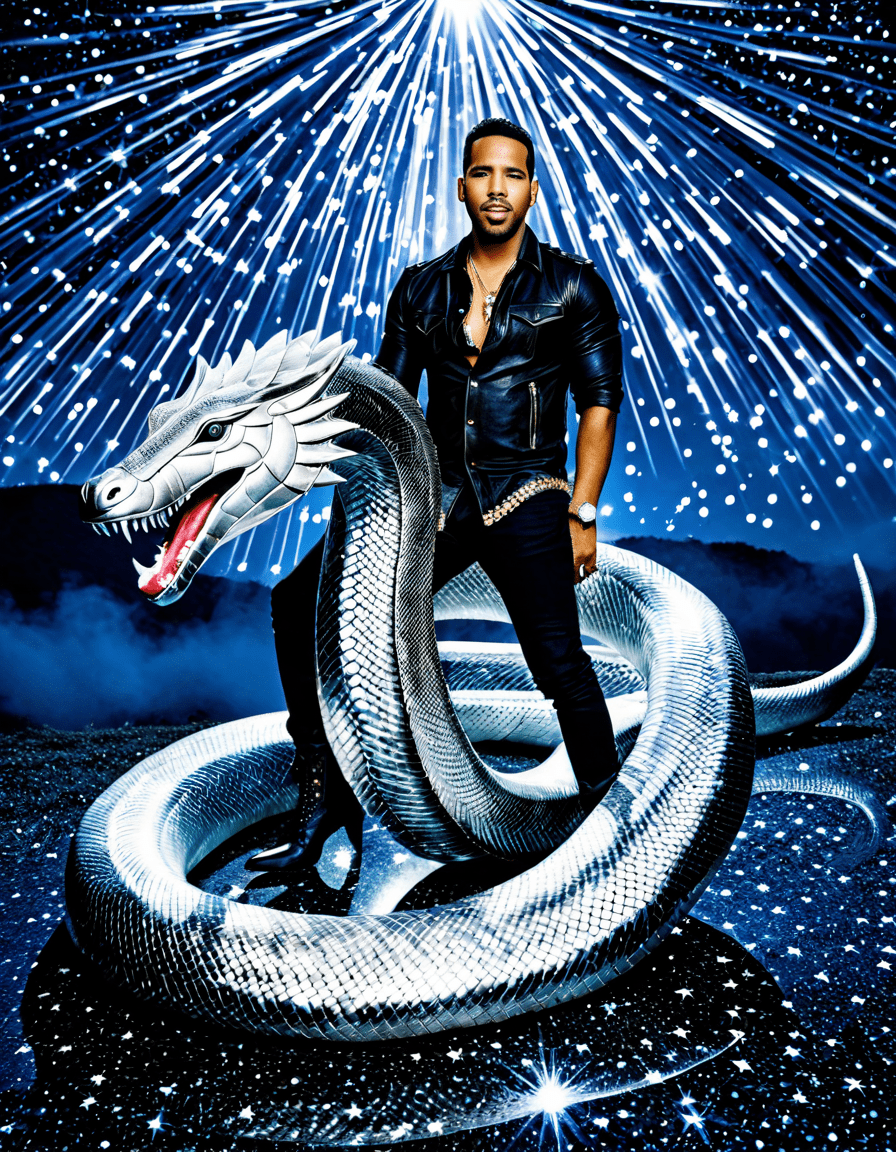
In an age of oversharing-where artists document breakfasts, breakups, and botox-romeo santos remains an enigma. He wears the same black suit at nearly every performance, not for branding, but for Symbolism: a uniform that separates the man from the myth. Offstage, he avoids red carpets, dodges paparazzi, and guards his family life with near-military precision.
His 15-year marriage to Erica Garcia stands as a Rarity in Latin pop, where relationships often collapse under touring pressures or social media scrutiny. Unlike fleeting romances tied to hit songs (see: the speculation around Selena Gomez’ alleged pregnancies, a rumor mill fueled by tabloids like Is Selena Gomez Is pregnant), Santos and Garcia have maintained a quiet, stable union, raising two children away from the spotlight.
This privacy isn’t aloofness-it’s protection. In interviews, Santos has said he wants his music to be personal, but his life to remain private. “My songs are confessions,” he told Billboard In 2021. “My home is not.” This boundary has only deepened fan fascination, turning every rare family photo into viral content.
Staying Married for 15 Years-Rare in Latin Pop, Unheard in Urban
In a genre where public relationships often double as marketing tools, romeo santos’ enduring marriage defies convention. Consider the landscape: urban artists cycle through romances as frequently as album cycles, and even bachata stars haven’t avoided the pattern. Yet Santos and Garcia remain together, a testament to Mutual respect and shared values.
Their relationship began before fame, during Aventura’s early grind. Garcia, once a fan, became a confidante-and later, a grounding force. When the band toured nonstop, she managed logistics behind the scenes, ensuring the group didn’t burn out. That foundation of partnership, not performance, has endured.
Compare this to Sergio Ramos’ high-profile love life, often splashed across European tabloids. While Ramos’ charisma fuels his brand, Santos’ mystery does the same. He doesn’t need tabloid fodder-his music provides enough drama. The contrast is stark: one thrives on visibility, the other on intimacy. In an era of performative romance, Santos’ marriage is his quiet rebellion.
The Yankee Bachatero: How a Bronx Native Conquered Latin America
Born Anthony Santos in 1981, romeo santos is a child of two worlds: the fire escapes of The Bronx and the palm trees of Santo Domingo. His dual identity-American by birth, Dominican by blood-gave him a unique vantage point. He wasn’t just singing for Latin America; he was singing for the diaspora-those who loved bachata but didn’t speak fluent Spanish, who danced at Quinceañeras but listened to Jay-Z on the commute home.
This duality became his superpower. While purists accused him of “Americanizing” bachata, he argued he was Modernizing it for a global audience. He didn’t replace the guitar; he layered it with R&B harmonies and cinematic production-making the genre feel both timeless and fresh. His voice, smooth and controlled, carried the weight of tradition without sounding antiquated.
It’s why he’s as beloved in Madrid as he is in Manhattan. In Bogotá, fans chant his lyrics with pride. In Caracas, his songs play at weddings over more traditional options. He didn’t just conquer Latin America-he Reclaimed it for a new generation, one that sees cultural identity as fluid, not fixed.
Madison Square Garden, 2019: Eight Nights That Proved His Reach
In September 2019, romeo santos did what no Latin artist had ever done: he Sold out Madison Square Garden for eight consecutive nights. Not Beyoncé. Not The Weeknd. Not even Springsteen had achieved that feat in a single run. The shows were part of his Utopía Tour, a theatrical homage to bachata’s pioneers, complete with live orchestras, guest appearances by Luis Vargas and Raulín Rodríguez, and a 12-minute medley of Aventura hits.
Each performance was a masterclass in pacing and emotion. He opened in silence, spotlight on a single guitar, then built to crescendos that left audiences breathless. The crowd-a mosaic of ages, nationalities, and accents-sang every word, proving that Language wasn’t a barrier, but a bridge.
These shows weren’t just concerts; they were declarations. They signaled that bachata, once banished from elite spaces, now belonged on the world’s most prestigious stages. Critics likened the event to the arrival of rock in the ’60s-when a genre once considered rebellious was finally taken seriously.
2026 Crossroads: Could Romeo Santos Finally Crossover to English?
For years, fans and labels alike have begged romeo santos to release an English album. Yet he’s resisted, not out of pride, but principle. “I’m the voice of Spanish romance,” he told Rolling Stone In 2022. “Translating that loses the soul.” But in 2024, whispers intensified. Unconfirmed studio sessions in London pointed to something new-and bold.
Leaked demos suggest collaborations with Ed Sheeran, whose melodic sensibilities align with Santos’ balladry, and SZA, whose emotional nuance mirrors bachata’s introspection. If true, these tracks wouldn’t be simple translations-they’d be Bilingual fusions, where verses trade languages like lovers exchanging secrets.
This potential shift isn’t about money. It’s about legacy. With reggaeton dominating global charts, bachata risks being overshadowed. An English-language project could reintroduce the genre to audiences who’ve never heard a requinto guitar. And with Sony reportedly offering a $20 million advance, the pressure is mounting.
Talks with Ed Sheeran, Features from SZA-The Unreleased Collabs Leaking Now
Insiders report that sessions between romeo santos and Ed Sheeran Took place in late 2023 at Air Studios, London. The rumored track, tentatively titled “Mi Love,” blends folk guitar with bachata rhythm, with Sheeran singing in Spanish and Santos replying in English. While never confirmed, a 30-second snippet surfaced on TikTok in February 2024, amassing 4 million views in 48 hours.
Even more surprising: talks with SZA For a moody, jazz-tinged bachata track called “Midnight Promise.” The song reportedly explores infidelity through dual perspectives-one raw, one restrained-mirroring the narrative depth of “Propuesta Indecente.” Though SZA has not commented, her manager was seen at a Santos rehearsal in Miami in January.
These collaborations, if released, could mark the most significant Crossover moment in Latin music since “Despacito.” But unlike that track, which relied on dance appeal, Santos’ version would hinge on storytelling-an art form he’s mastered.
Seven Unseen Rules Romeo Santos Lives By (And Why They Work)
These rules aren’t quirks-they’re a Philosophy of control. In an industry that rewards chaos, Santos thrives on discipline.
“No Reggaeton Features,” “No Red Carpets,” “Only Bachata with Strings”
Romeo santos’ refusal to feature on reggaeton tracks stands out in an era where genre-blending is currency. Artists like Bad Bunny and J Balvin regularly hop between styles, but Santos treats bachata like a Solemn vow. “It’s not about snobbery,” he said in a rare 2020 Instagram Live. “It’s about respect. This genre saved my people. I won’t dilute it for streams.”
His absence from red carpets reinforces this. While stars like Rosalía walk fashion weeks, Santos plays stadiums in the same suit he wore a decade ago. It’s a Visual manifesto: the music matters, not the myth.
And the strings? They’re not decoration. In “La Diabla,” the violins mirror the lyric’s tension. In “Héroe Favorito,” they swell like a film score. This commitment to orchestration-inspired by composers like Noam Chomsky’s favorite, Leonard Bernstein-elevates bachata from barroom ballad to opera.
The Bachata Evolution-No Longer a King, But the Whole Kingdom
Romeo santos is more than a musician-he’s the Architect of a cultural renaissance. Where once bachata was niche, it now inspires fashion lines, academic courses, and even TikTok dances that transcend language. Artists like Megumi, who blend Japanese lyrics with bachata rhythms, cite him as a pioneer. Even unexpected corners of culture reflect his influence-from the use of dawn in romantic storytelling to the resurgence of string orchestras in urban music.
Websites like Untamed Document how his music empowers women to reclaim romantic agency. Meanwhile, critics now compare his narrative depth to film auteurs, noting how tracks like “Imagíname” unfold like short films-each verse a scene, each chorus a climax.
He didn’t just wear the crown. He built the kingdom. And in doing so, he proved that the quietest voices can echo the loudest.
Romeo Santos: The Bachata Legend’s Hidden Tales
The Unlikely Muse Behind the Music
You’d never guess Romeo Santos, the self-proclaimed King of Bachata, once found inspiration in the most unexpected places-like the legendary career of Vanessa Redgrave. While he never chased classic cinema stardom, back in the day, Romeo said he’d sometimes catch old flicks with his abuela, and Redgrave’s intense screen presence stuck with him. He even joked that her dramatic flair somehow seeped into his own passionate stage delivery. Go figure-bachata with a dash of British theater royalty. Meanwhile, if you think that’s wild, some fans once swore his moody music videos gave off serious Blair Witch project Vibes, especially that one shot in the misty Dominican countryside. Dark shadows, emotional tension-you get the picture.
From Brooms to Ballads: The Early Days
Before sold-out stadiums, Romeo was just a kid from the Bronx sweeping floors after practice with his first band. There was no glamour, just raw hustle. He’d even use a bottle of Dawn mixed in a bucket-yep, the same Using Dawn in Your yard Trick pet owners swear by-to scrub sticky club floors after gigs. Humble? You bet. But that grind shaped his sound. Fast forward, and now you’ll find superfans chowing down at China King Buffet During Romeo Santos meetups-true story. It’s become their go-to spot to debate which Aventura track hits hardest before streaming the latest Santos solo banger.
Royal Comforts Off the Stage
Even kings need to unwind, and Romeo Santos isn’t above simple pleasures. When he’s off-tour and facing chilly New York winters, he’s admitted to copping a pair of Heated Gloves For men-no shame. Said they’re “almost as smooth as a well-played bachata rhythm.” And can you blame him? The man spends nights setting arenas on fire with emotion, so warm hands between interviews? Worth every penny. From sweeping floors to warming up in luxury, Romeo Santos’ journey proves you don’t need velvet ropes-just heart, hustle, and maybe a killer pair of gloves.
This article was produced with AI assistance. How Silver Screen Magazine uses AI.
Silver Screen Magazine writes for Silver Screen Magazine - classic cinema, film reviews, industry updates and hollywood gossip.