California’s San Andreas Fault is not just a geological wonder; it’s a vivid reminder of nature’s might and unpredictability. Stretching about 800 miles, this impressive transform fault marks the boundary between the Pacific and North American tectonic plates. The San Andreas is often in the news, especially around earthquakes, but there’s a lot more than meets the eye. It reshapes landscapes and dances with the tectonic plates above. In a way, it’s a character in California’s ongoing story—a plot twist that keeps evolving with every tremor.
Today, let’s dive deep and explore this fascinating fault line. We’ll uncover seven remarkable facts about the San Andreas, examining its historical significance, modern monitoring technologies, ecological impact, and cultural representations. For those of us living in California, understanding the San Andreas is not just an academic exercise; it’s a matter of life and safety, wrapped in a tale that’s as gripping as any film.
Top 7 Fascinating Facts About the San Andreas Fault
The San Andreas Fault is no ordinary crack in the Earth. It runs approximately 800 miles through California, weaving its way from the Salton Sea in the south to Cape Mendocino in the north. A transform fault, it allows the two adjacent tectonic plates to slide past each other. With countless movements over decades, the fault has triggered some of California’s most significant earthquakes, rewriting the state’s geography with every shake.
One of the most devastating incidents associated with the San Andreas was the 1906 San Francisco earthquake, which rocked the city with a magnitude of 7.9. The destruction was staggering, claiming thousands of lives and flattening neighborhoods. This calamity heightened awareness about earthquake preparedness, ultimately influencing urban planning efforts across California. Historical events like this serve as reminders that nature’s forces demand respect—and preparation.
Fast forward to today, where technology helps us better understand the San Andreas. California now utilizes sophisticated monitoring systems like ShakeAlert, which employs a network of seismometers. These devices are on constant duty, poised to detect quakes and send out real-time alerts. Imagine getting a heads-up seconds before the ground shifts beneath your feet—it’s a game-changer for cities like Palm Springs and Los Angeles, both of which are densely populated and vulnerable.
The San Andreas Fault doesn’t stand alone; it forms part of a larger tapestry of geological wonders. Ties to other faults like the Waco in Texas and the Rio Grande Rift extend its influence beyond California’s borders. This interconnectedness reveals critical insights into seismic risk, indicating that tremors from the San Andreas could be felt as far away as Montana or the Ozark Mountains.
The fault line shapes more than just the ground; it fosters unique ecosystems along its run. The contrast between the desolate areas and fertile lands reveals Mother Nature’s hand in crafting diverse habitats. For example, the Ponderosa forests in northern California thrive thanks to the geological formations created by fault activities. Such biodiversity enriches conservation efforts and highlights the importance of the fault in our ecosystem.
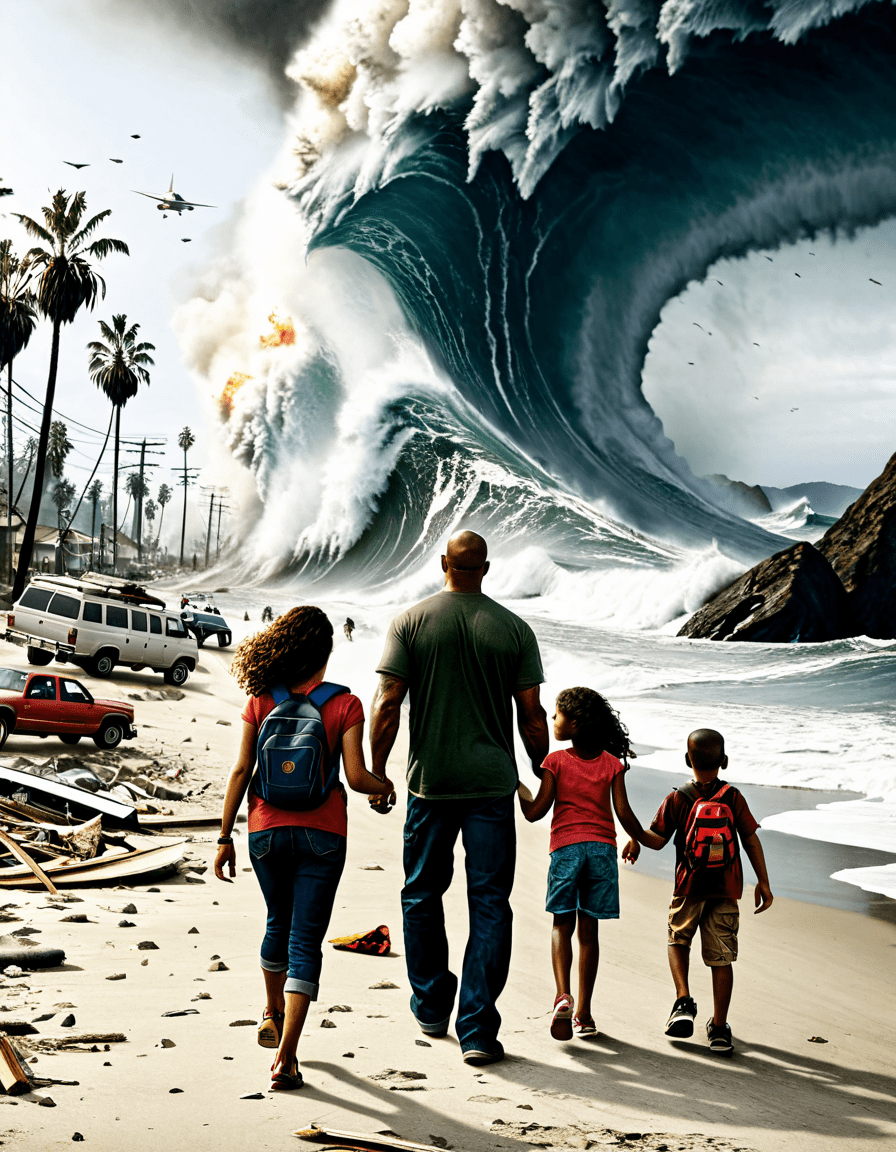
The San Andreas Fault’s dramatic potential has captivated filmmakers, most notably in the action-packed movie “San Andreas” (2015). This cinematic interpretation brings the realities of living near active fault lines to mainstream audiences, merging entertainment with education. It fuels curiosity about quake preparedness, ultimately bridging the gap between Hollywood fantasy and real-life implications for those residing in close proximity to seismic threats.
As California burgeons, the relationship between urban expansion and the San Andreas becomes fraught with urgency. With more people living near to the fault line, the demand for resilient infrastructure grows. Scientists caution that future quakes could not only rattle California but also send ripples through regions far away. Awareness and preparedness will be crucial in supporting communities facing this looming threat.

The San Andreas Fault: Risk, Readiness, and Response in Cities Like Palm Springs
As urban sprawl inches closer to the San Andreas Fault, cities such as Palm Springs are reassessing their risk management strategies. It’s not a question of if a quake will happen, but when. Municipalities are focusing on retrofitting older structures and altering building codes to strengthen infrastructure. These steps are essential when you consider California’s heavy reliance on tourism, which can falter in the wake of seismic events.
Evaluating Preparedness: Lessons from Historical Events
Looking back at past catastrophes, cities have learned invaluable lessons. The 1989 Loma Prieta earthquake in the San Francisco Bay Area showcased the need for robust emergency protocols and the importance of education. Since then, California has ramped up its investment in public services, emphasizing community drills and earthquake response training. These efforts foster a culture of readiness that could save countless lives in the future.
Community Engagement in Seismic Safety
Beyond regulations, local communities are stepping up to improve knowledge and awareness around seismic safety. Organizations such as the Earthquake Engineering Research Institute partner with schools and civic leaders to create programs aimed at educating the public. Engagement initiatives focus on everything from emergency preparedness to simple drop, cover, and hold protocols. Community participation is vital, as a well-prepared populace can significantly reduce panic when the ground starts to shake.
Insightful Observations on Seismic Research and the Future
While the San Andreas Fault casts a long shadow over California, advancements in seismic research provide hope. Experts are increasingly collaborating in interdisciplinary projects, merging geology with urban design and environmental science. This collective insight aims to develop comprehensive strategies that better equip us for future seismic activities. The more we learn, the more we can mitigate risk and protect our communities.

Looking Ahead: Innovative Strategies for Living with the San Andreas
As we face the ongoing challenges posed by the San Andreas Fault, embracing innovation is key. By integrating “smart” urban planning techniques, cities can devise structures that withstand quakes. The avenues of real-time data collection and predictive modeling are opening doors to more dynamic response strategies. Californians must recognize their coexistence with this breathtaking natural phenomenon—not just as a risk to manage, but as a part of the vibrant tapestry of life in the Golden State.
In the end, understanding the San Andreas Fault isn’t just a matter of fear; it’s about embracing knowledge and resilience. From movies that thrill us to proactive community initiatives, California’s relationship with the fault line weaves a narrative as complex as the geology itself. Acknowledging our shared vulnerabilities grants us the strength to thrive amid nature’s forces, fostering a harmonious future in a state that never ceases to inspire wonder.
San Andreas: Fun Trivia and Interesting Facts
Faulty Foundations
Did you know the San Andreas Fault is not just a crack in the earth? It acts as California’s geological celebrity, showing off its infamous potential for massive earthquakes! Historically, this fault has caused considerable tremors, with one of the most significant being the 1906 San Francisco earthquake, which is still the stuff of legends. This area isn’t just about the ground shaking; it’s also home to the Los Angeles Dodgers and the New York Yankees, drawing sports fans into this seismic wonderland. Talk about a clash of titans—earth and sports!
Hollywood’s Fault Line Faves
The allure of the San Andreas Fault has even reached Hollywood, inspiring countless films. From disaster flicks to comedies, the fault line has been a backdrop for stories where stakes are high, and survival is key. Can you imagine Katie Cassidy navigating her way through the dangers of California’s tremors? She’s not the only star; in a nod to unique casting choices, consider how the cast of The Righteous Gemstones would react in such scenarios! The juxtap of their comedic antics against a dramatic backdrop would be something to see.
Taste of Tremors
And what about a bite to eat after a day of fault line exploring? Imagine sinking your teeth into a Big Game Burger, celebrating both culinary adventure and the thrills of California’s natural beauty! If you’re looking to try something a bit spicier, add a touch of Wondercide for pest control as you take picnics in fault line parks—just in case nature tries to crash the party! Now that’s a recipe for a shaking good time, especially while discussing the classic game of Simpsons Hit And Run, where navigating obstacles can feel as tricky as avoiding the seismic shakes of the San Andreas itself.
In a state known for its glamorous and tumultuous nature, even Valentine’s Day takes on a new meaning with the San Andreas Fault—after all, who wouldn’t want to fall in love during a nature-shaking adventure? So, as you explore the stories, hit that perfect mix of thrill and delight, and remember that while nature may be unpredictable, experiencing California’s fault line is an adventure you won’t forget—risky, perhaps, but full of stories worth telling!