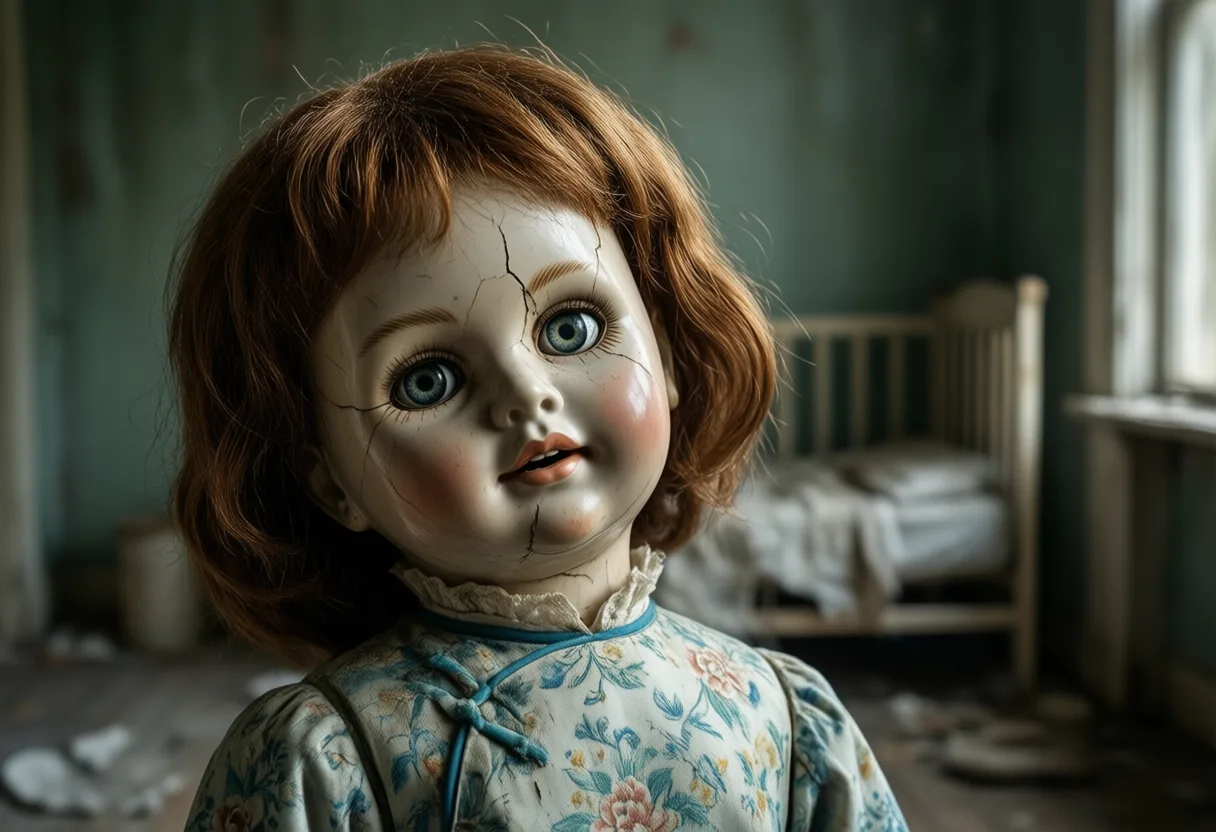
Fear Doesn’t always announce itself with a scream. Sometimes, it slips in through the cracks-a flicker in the corner of your eye, a whisper in an empty hallway, the slow realization that something is deeply, irrevocably wrong. The most unsettling films of recent years don’t rely on shock alone; they burrow beneath the skin, using silence, stillness, and the quiet unraveling of the familiar to leave an indelible mark.
These are not mere distractions. They are experiences-carefully constructed nightmares that linger long after the credits roll. As the Classic Cinema Editor at Silver Screen Magazine, I’ve spent decades tracing the evolution of Horror, from the shadow-drenched alleys of German Expressionism to the psychological labyrinths of today’s auteurs. What we’re witnessing now isn’t just a resurgence-it’s a recalibration of dread.
What Makes Modern Horror So Unsettling?
The Psychology of Fear in Today’s Cinema
Contemporary horror Has turned inward, mining the anxieties that pulse beneath the surface of modern life. It’s no longer enough to drape a figure in a mask and send it lumbering down a hallway. Today’s most effective horrors don’t just threaten the body-they erode the mind, challenge perception, and question the stability of reality itself.
Films now tap into collective unease: the fragility of identity, the erosion of trust, the invisible forces that shape our lives. The Horror Isn’t always visible; it’s in the silence between words, the space between frames, the unbearable weight of anticipation. This shift reflects a deeper understanding of fear as a psychological phenomenon, not just a visceral reaction.
The best of these films operate like slow-acting toxins. They don’t paralyze you in the moment-they seep in, distorting your thoughts hours later, when you’re lying in the dark, staring at the ceiling. They exploit the mind’s tendency to fill in gaps, to imagine what might be lurking just beyond sight. This is horror as an art of implication, not exhibition.
Why Realism Scares Us More Than Monsters
There was a time when monsters wore fangs and capes, their evil unmistakable and contained. But today’s horror often wears the face of a neighbor, a therapist, a spouse-someone whose intentions are unclear, whose actions are just plausible enough to feel possible. The terror lies not in the grotesque, but in the Ordinary Twisted just slightly out of alignment.
When a film grounds its horror in recognizable reality-the hum of a refrigerator, the flicker of a phone screen, the way light falls across a suburban kitchen-it bypasses our defenses. We can dismiss a vampire, but we can’t so easily dismiss a parent who begins to act strangely, or a home that no longer feels like a refuge. The line between fiction and lived experience blurs, and with it, our sense of safety.
This realism isn’t just in setting-it’s in behavior. Characters don’t scream and run immediately. They hesitate, rationalize, doubt themselves. That hesitation feels true, and it makes their eventual descent all the more harrowing. We recognize our own potential for denial, for delay, and in that recognition, we see ourselves.
When the Supernatural Feels Plausible
The most chilling supernatural films don’t present their horrors as grand spectacles. They offer them quietly, almost casually-as if the rules of the world have always allowed for this, and we simply weren’t paying attention. A shadow moves. A reflection lingers a second too long. A voice calls your name when no one is there.
These moments aren’t framed as impossibilities. They’re presented with clinical precision, shot in natural light, scored with ambient sound or silence. The camera doesn’t flinch. It observes, as if documenting something real. This aesthetic of restraint makes the supernatural feel less like fantasy and more like a hidden truth.
And that’s where the fear takes root. If the film treats the uncanny as matter-of-fact, then who are we to argue? The horror isn’t in the ghost-it’s in the suggestion that the ghost was always there, waiting for us to notice. It’s the idea that the world is not as solid, as rational, as we’ve been taught to believe.
1. A Slow Burn That Never Lets Go
The Power of Patience in Horror
Some of the most devastating horror films unfold at a glacial pace, refusing to rush toward their revelations. They understand that dread is not a sprint but a slow descent-a tightening of the chest, a growing awareness that something is wrong, even if you can’t name it.
These films build tension not through action, but through accumulation. A missed call. A locked door left ajar. A recurring dream. Each detail is small, almost forgettable, but together they form a pattern too consistent to ignore. The horror isn’t in the event-it’s in the realization that the event was inevitable.
This pacing demands patience from the viewer, but it rewards with a deeper, more lasting unease. When the climax finally arrives, it feels less like a surprise and more like a confirmation-of what we’ve feared, of what we’ve suspected all along. The film hasn’t shocked us; it has Understood Us.
The Weight of Atmosphere
Atmosphere is the unsung architect of modern horror. It’s not created by jump scares or gore, but by texture-the grain of a wall, the quality of light, the way sound echoes in an empty room. These elements work in concert to create a world that feels saturated with unease.
A hallway isn’t scary because something might jump out. It’s scary because the air feels thick, because the silence is too complete, because the shadows seem to hold their breath. The environment becomes a character, one that watches, waits, and perhaps remembers.
Films that master this understand that mood is memory. Long after plot details fade, what remains is the Feeling-the chill of a basement, the oppressive weight of a closed door, the way a lullaby sounds just slightly off-key. These sensations linger, replaying in the mind like half-remembered dreams.
Dread as a Narrative Engine
In the best slow-burn horrors, dread isn’t a byproduct-it’s the engine. The story moves not through action, but through the accumulation of unease. Every scene adds another layer, another thread pulled taut.
There’s no relief, no false alarms that end in laughter. The tension doesn’t break; it deepens. The audience isn’t allowed to reset. We carry the weight of every previous moment into the next, and with each step forward, the air grows heavier.
This kind of storytelling trusts the viewer to feel, not just to react. It assumes we are intelligent, perceptive, capable of sensing the shift in a tone, the flicker of doubt in a glance. And in that trust lies its power-it doesn’t manipulate us. It Inhabits Us.
2. Isolation as a Weapon
The Terror of Being Alone
Isolation has always been a potent tool in horror, but recent films have refined it into an art form. Being cut off-from help, from communication, from the outside world-doesn’t just heighten vulnerability. It distorts perception. It makes the mind question what is real.
A character alone in a house, a cabin, a city emptied by unseen forces, begins to lose the anchor of shared reality. There’s no one to confirm what they’ve seen, no voice to say, “Yes, that was strange.” In that vacuum, fear mutates. Doubt becomes certainty. Paranoia becomes truth.
And the films know this. They don’t just place characters in remote locations-they emphasize the silence, the distance, the way sound carries too clearly in an empty space. The world doesn’t just feel empty. It feels Watched.
The Illusion of Connection
Even when characters aren’t physically isolated, modern horror often explores emotional or technological isolation. A couple sits across from each other at dinner, speaking in polite tones, but the space between them feels vast. A person scrolls through messages, surrounded by digital noise, yet profoundly alone.
This kind of isolation is more insidious because it’s invisible. It’s not marked by locked doors or snowed-in roads. It’s in the failure to communicate, the inability to be truly seen. And when horror enters this space, it exploits the cracks-amplifying silence, distorting intimacy, turning love into suspicion.
The most chilling moments often occur in plain sight-in a shared bedroom, a family kitchen, a crowded street. The horror isn’t that no one is around. It’s that no one Sees.
Environments That Enforce Solitude
The settings of these films are not neutral. They are designed to isolate, to compress, to cut off escape. A house with too many doors. A maze of hallways that loop back on themselves. A city where streets shift when you’re not looking.
These spaces don’t just contain the horror-they participate in it. They disorient, confuse, trap. They make navigation a form of surrender. And in their silence, they suggest that the building itself might be aware, might be waiting.
There’s a reason so many recent horrors unfold in places that were once meant to be safe. The home, the school, the hospital-these are sanctuaries turned prisons. And once the doors close, there’s no guarantee they’ll open again.
3. The Horror of Losing Control
When the Body Betrays You
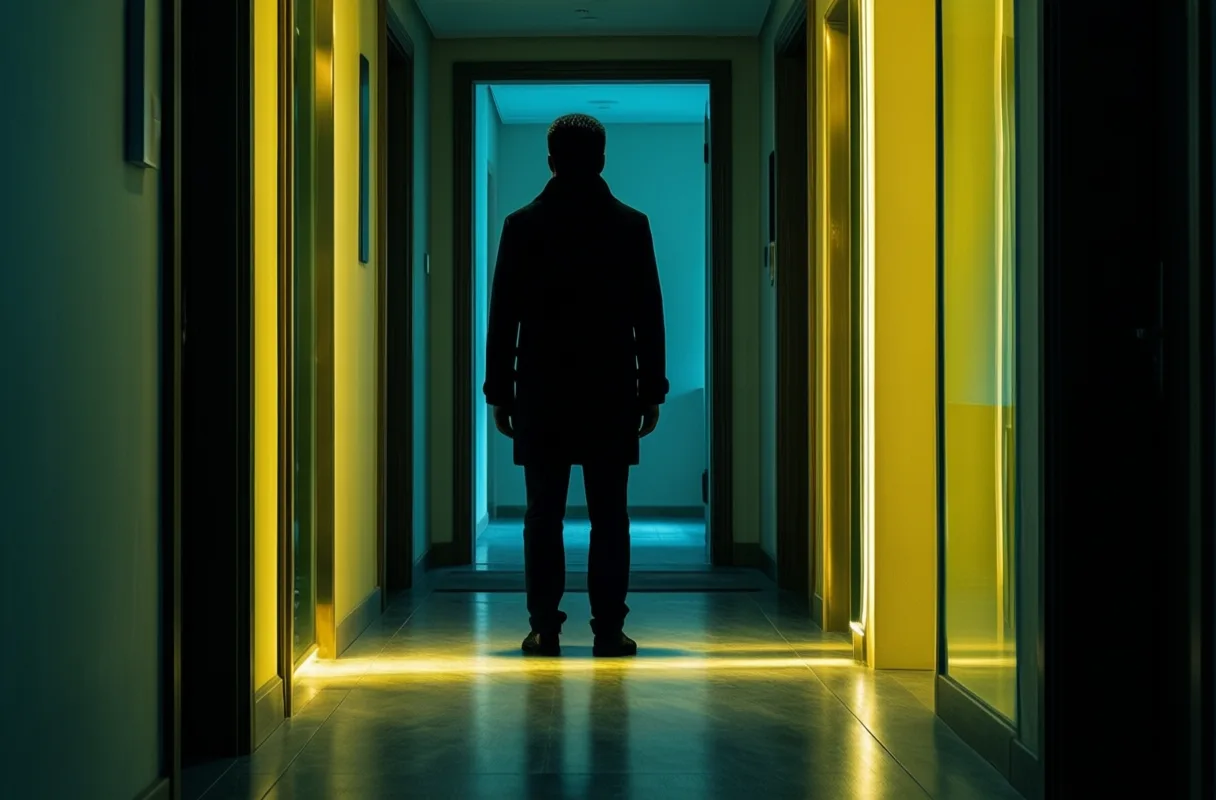
Some of the most profound fears are not of external threats, but of internal collapse. When the body no longer obeys, when the mind begins to slip, when actions are taken that feel alien, even monstrous-this is a horror that strikes at the core of identity.
Recent films have explored possession, illness, sleepwalking, and dissociation not as supernatural tropes, but as visceral experiences of disintegration. The character isn’t just threatened-they are Erased, replaced by something wearing their face, speaking with their voice.
This loss of agency is deeply personal. It bypasses the external and invades the self. You can lock the doors, but you can’t lock out your own hands, your own thoughts, your own reflection. The enemy isn’t outside. It’s in the mirror.
The Erosion of Autonomy
Control is an illusion we cling to-the belief that we are the authors of our actions, the masters of our choices. Horror films that dismantle this illusion do so with quiet precision. A character agrees to something they don’t remember agreeing to. They wake up miles from home. They find objects in their pockets they didn’t put there.
These moments aren’t always dramatic. They’re subtle, insidious. And because they’re plausible-because we’ve all experienced lapses, blackouts, moments of confusion-they resonate. The film doesn’t need to explain. It only needs to suggest.
And in that suggestion lies the terror: the idea that we are not as in control as we believe, that our decisions might be influenced, manipulated, or outright stolen. The self, once solid, begins to feel porous, permeable.
Systems That Strip Power
Beyond the individual, modern horror often examines how institutions-medical, legal, corporate-can strip away control. A patient is told their symptoms aren’t real. A person is dismissed, disbelieved, pathologized. A system that should protect instead entraps.
This kind of horror feels particularly relevant. It doesn’t require monsters or magic. It only requires bureaucracy, indifference, and the slow grinding of machinery that doesn’t care if you scream. The victim isn’t just threatened-they are invalidated.
And that invalidation is its own form of violence. When no one believes you, when every door closes, when every explanation is denied, the horror becomes not just what is happening, but the impossibility of proving it. You are alone, not just in space, but in truth.
4. When Technology Turns Against You
The Devices That Watch Us
Our lives are mediated through screens, sensors, and silent algorithms that track, predict, and respond. Recent horror films have seized on this intimacy, turning our most trusted tools into sources of dread. The phone that rings with no caller. The camera that captures movement when the room is empty. The smart speaker that speaks when no command was given.
These moments aren’t just spooky-they feel Personal. Because the technology knows us. It knows our routines, our voices, our fears. And when it turns, it doesn’t just observe. It Anticipates. It speaks our name. It plays back our private conversations. It knows when we’re alone.
The horror isn’t in the malfunction. It’s in the suggestion that the machine was never neutral, that it was always listening, always learning, always waiting. The device isn’t broken. It’s Awake.
The Illusion of Connection
We use technology to feel close-to share, to communicate, to be seen. But in horror, that connection often becomes a trap. A video call reveals something behind the other person. A livestream shows a figure standing in the viewer’s own home. A message arrives from someone who’s already dead.
These films exploit our dependence on digital contact. When the screen is the only link to another person, and that link becomes corrupted, the isolation is absolute. You can’t trust what you see. You can’t verify. You can’t reach through.
And the worst part? You invited it in. You plugged it in, set it up, gave it access. The horror isn’t that the technology turned against you. It’s that you handed it the keys.
Data as a Weapon
In some films, the threat isn’t a glitch or a ghost-it’s the data itself. Personal information, search history, location logs-these become weapons, used to manipulate, to stalk, to expose. A character’s deepest secrets are revealed not by a villain, but by an algorithm.
This kind of horror feels inevitable. Because we know, on some level, that the data exists. We know it’s stored, shared, sold. We just don’t want to think about who might be watching. The film forces us to confront that possibility-not as paranoia, but as probability.
The screen doesn’t need to flicker. The lights don’t need to go out. All it takes is a single message: I know what you did. I know where you are. I’ve always been here.
5. Hauntings Rooted in Trauma
The Ghosts We Carry
The most enduring hauntings are not of places, but of people-of memories, of losses, of things left unsaid. Recent horror films have shifted from external spirits to internal ones, where the past doesn’t just return-it Lives, breathing in the walls, speaking through dreams, shaping the present.
These films understand that trauma isn’t something you move on from. It’s something you carry, something that reshapes perception. A parent’s voice echoes in an empty room. A child’s drawing appears on a wall that was just painted. A scent-perfume, smoke, rain-drifts through the air when no source can be found.
The supernatural becomes a metaphor, yes, but also a manifestation. The ghost isn’t just symbolic. It feels real, because the pain is real. And the house isn’t haunted-the person is.
The House as Memory
In these films, the setting often becomes a vessel for the past. A home isn’t just a structure-it’s a repository of moments, of emotions, of unresolved grief. Rooms shift. Doors lead to places they shouldn’t. Time folds in on itself.
This isn’t just supernatural architecture. It’s psychological space made visible. The house reflects the mind of the inhabitant-fractured, haunted, trying to make sense of what happened. Every creak, every shadow, every misplaced object is a fragment of memory pushing to the surface.
And sometimes, the house doesn’t want to let go. It holds onto the dead, refuses to release the living. To leave would be to abandon the past. To stay is to be consumed by it.
Grief That Won’t Rest
Grief, in these films, is not a passive emotion. It’s active, persistent, even vengeful. It doesn’t fade. It Haunts. A mother who lost a child hears footsteps in the hall. A survivor of violence sees their abuser in the mirror. A family reunion ends with a voice whispering, You shouldn’t have come back.
These moments aren’t just scares. They’re reckonings. The past demands to be seen, to be acknowledged. And if it isn’t, it will make itself known-louder, more insistently, until it can’t be ignored.
The horror isn’t that the dead return. It’s that the living haven’t finished mourning. And until they do, the door between worlds will never truly close.
6. The Dread of What’s Left Unseen
The Power of Suggestion
Some of the most terrifying moments in cinema happen in darkness, in silence, in the space just beyond the frame. What we don’t see-the shape in the corner, the thing under the bed, the figure at the end of the hall-often frightens more than any image could.
Modern horror has embraced this principle, favoring implication over revelation. A door opens on its own. A breath is heard in an empty room. A shadow shifts when no one is there. The camera doesn’t show the source. It only shows the effect.
And the mind, left to its own devices, conjures something worse than any practical effect could achieve. Because what we imagine is personal, intimate, drawn from our own fears. The film doesn’t need to scare us. It only needs to Suggest.
The Horror in the Peripheral
The corner of the eye is where horror lives. It’s the place where movement is sensed but not seen, where something might be there one moment and gone the next. Films that exploit this understand that the unseen is not absence-it’s Potential.
A flicker in the background. A figure in the reflection. A hand in the window behind the protagonist. These moments are brief, almost dismissible. But they linger, because they can’t be confirmed. Was it real? Did I imagine it? Why won’t it go away?
This uncertainty is its own form of torture. The brain loops, replays, searches for answers. And in that searching, it creates monsters.
Silence as a Threat
Sound is often used to scare, but silence can be more unnerving. When a film drops into quiet-when the score stops, when the ambient noise fades, when even breathing seems too loud-it creates a vacuum. And into that vacuum, fear rushes.
In that silence, every tiny sound becomes significant. A floorboard creak. A door click. A breath not your own. The absence of noise doesn’t mean safety. It means Listening. It means waiting. It means knowing that something is about to break the stillness.
And when it does, it’s not always a scream. Sometimes, it’s a whisper. Sometimes, it’s a name. Sometimes, it’s nothing at all-just the realization that the silence was never empty to begin with.
7. Folklore That Feels Forbidden
Myths That Shouldn’t Be Spoken
There is a particular chill that comes from stories whispered in hushed tones-legends too old, too dark, to be spoken aloud. Recent horror films have drawn from folk traditions, urban myths, and regional tales, not as exotic curiosities, but as living, breathing threats.
These stories aren’t explained. They’re Invoked. A ritual is performed incorrectly. A name is spoken at midnight. A door is opened that should have remained sealed. And once the boundary is crossed, there’s no going back.
The horror lies in the weight of tradition, in the sense that these rules were made for a reason. To ignore them is not just foolish-it’s Dangerous. The past doesn’t forgive. It remembers.
The Land That Remembers
In many of these films, the landscape itself is alive with memory. A forest that doesn’t let people leave. A river that carries more than water. A village where the dead are never buried, only Hidden.
This isn’t just setting. It’s inheritance. The land holds the sins of the ancestors, the blood of the forgotten, the echoes of rituals long abandoned. And when the present disturbs the past, the land responds.
The horror isn’t imported. It’s Grown. It’s rooted in soil, in stone, in the stories passed down through generations. To enter is to become part of the story. To speak of it is to risk becoming part of it.
Customs That Demand Obedience
Folk horror often revolves around rituals-acts that must be performed, words that must be spoken, offerings that must be made. These aren’t superstitions. They’re Contracts. And when they’re broken, the consequences are not metaphorical.
The films treat these customs with reverence, not mockery. The camera lingers on the details-the placement of stones, the cutting of cloth, the chanting in a language no one remembers. These are not arbitrary. They are precise. They are necessary.
And when a character dismisses them, when they laugh, when they walk away-the film doesn’t punish them immediately. It waits. It watches. It lets the silence stretch. And then, when the moment is right, it reminds us: some rules were made to be followed. Some doors were made to stay closed.
8. When the Safe Space Becomes a Trap
The Home That No Longer Welcomes
The home is supposed to be sanctuary. But in modern horror, it often becomes the first site of betrayal. The locks don’t work. The windows won’t open. The phone has no signal. The exits lead back to the same room.
This inversion is devastating because it undermines the most basic promise of safety. You can run, but you can’t escape. You can hide, but the house knows where you are. The walls, once protective, now feel like skin-alive, watching, Aware.
And the worst part? You can’t leave. Not because you’re locked in, but because the world outside feels even more dangerous. The house, for all its horrors, is still Yours. To step outside would be to surrender to something worse.
Institutions That Consume
Hospitals, schools, asylums-places meant to heal, to protect, to educate-often become prisons in horror. The staff smiles too much. The rules are unclear. The doors are locked at night. The patients disappear, and no one will say where.
These films exploit our trust in institutions. We believe they are regulated, monitored, accountable. But what if they’re not? What if the system is designed to hide, to silence, to erase? What if the people in charge are not protectors, but predators?
The horror isn’t just in the abuse. It’s in the bureaucracy that enables it, the paperwork that covers it up, the polite denials that make you doubt your own mind. You’re not just trapped. You’re Disbelieved.
Relationships That Suffocate
Sometimes, the safest space is a person-a partner, a parent, a friend. But when that person becomes the source of danger, the betrayal cuts deeper. The embrace that should comfort now threatens. The voice that should soothe now manipulates. The home they share now feels like a cage.
This kind of horror is intimate, psychological. It doesn’t require a mask or a weapon. It only requires control-emotional, financial, physical. The victim isn’t just afraid. They’re isolated, gaslit, made to feel responsible.
And because the danger wears a familiar face, escape is not just difficult-it feels impossible. To leave would be to lose everything. To stay is to lose oneself.
9. Madness That Feels Inevitable
The Mind as the Final Frontier
The most terrifying frontier isn’t outer space or the deep sea. It’s the human mind-its fragility, its capacity for self-deception, its ability to unravel under pressure. Recent horror films have turned inward, exploring mental collapse not as a twist, but as a slow, inevitable descent.
Characters don’t just go mad. They Unravel. They lose track of time. They see things that aren’t there. They hear voices that sound like their own. And the film doesn’t tell us what’s real. It makes us question everything.
This uncertainty is paralyzing. Because if we can’t trust the protagonist, who can we trust? If the narrator is unreliable, then the world itself becomes unstable. The horror isn’t in the hallucinations-it’s in the possibility that they’re True.
The Spiral of Paranoia
Paranoia is not just a symptom. It’s a narrative force. It builds slowly, fed by small inconsistencies-a missed appointment, a misplaced object, a conversation that didn’t happen. The character begins to doubt not just others, but themselves.
And the film mirrors this. It withholds information. It distorts timelines. It shows events from conflicting perspectives. The viewer, like the protagonist, begins to question what they saw, what they heard, what they know.
There’s no relief, no moment of clarity. Only deeper confusion. The truth, if it exists, is buried beneath layers of doubt. And by the end, the distinction between reality and delusion has collapsed.
The Horror of Self-Betrayal
The cruelest twist in these films is when the protagonist realizes they are the threat. The figure in the mirror. The voice in the dark. The hand that reaches out to strangle. It’s Them. And they can’t stop it.
This is not possession in the supernatural sense. It’s the mind turning against itself-the subconscious rising, the id breaking free, the self becoming the enemy. You can’t fight it. You can’t reason with it. You Are It.
And in that realization lies the ultimate horror: that the thing you’ve been running from was never outside. It was always within. Waiting. Watching. And now, finally, awake.
Misconceptions About What Constitutes “Scary”
Beyond Jump Scares: The Anatomy of Lasting Fear
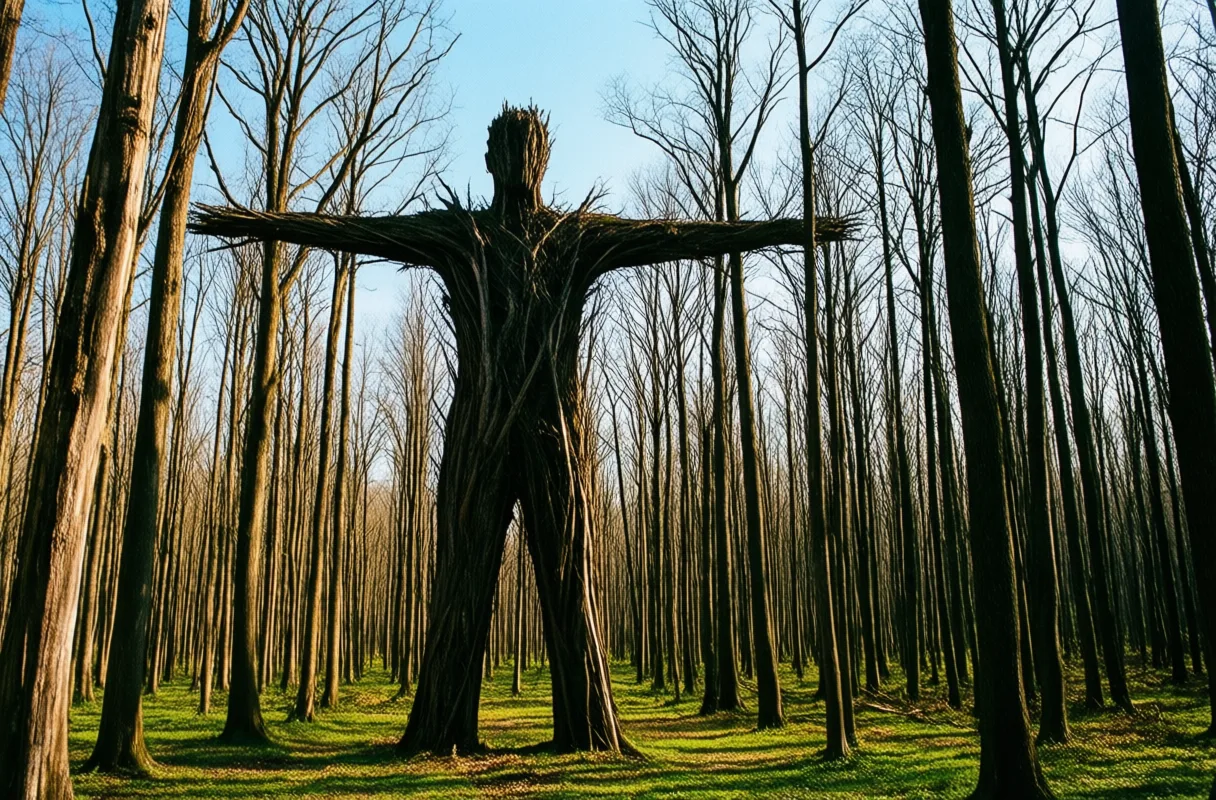
Too often, “scary” is reduced to a single moment-a loud noise, a sudden image, a figure lunging from the dark. But these are not what make a film endure. They are distractions, brief shocks that fade as quickly as they arrive.
True fear is slower. It’s the knot in the stomach that tightens over hours. It’s the image that returns unbidden in the middle of the night. It’s the sense that something has shifted, not in the film, but in You.
The best horror doesn’t want to startle. It wants to Inhabit. It doesn’t care if you scream. It cares if you dream.
How to Watch These Films Without Losing Sleep
Prepare, But Don’t Retreat
These films are not passive entertainment. They demand engagement, emotional investment, psychological endurance. To watch them is to invite unease into your home, your mind, your dreams.
But that doesn’t mean you should avoid them. Fear, when confronted, can be illuminating. It can reveal what we value, what we hide, what we refuse to name.
Watch with the lights on if you must. Pause when you need to. Talk about it afterward. But don’t dismiss it as mere nightmare. These films are not here to harm. They are here to Haunt-and sometimes, a good haunting is exactly what we need.
Final Frames That Linger Longer Than You’d Like
The Images That Stay
The end of a horror film is rarely an ending. It’s a threshold. The credits roll, but the story doesn’t stop. It continues in the silence, in the dark, in the space between heartbeats.
A final shot lingers-a door left open, a figure in the distance, a reflection that wasn’t there before. You know it’s over. But you also know it isn’t.
And as you lie in bed, staring at the ceiling, you realize: the film didn’t end. It just changed rooms. It’s still here. Still watching. Still waiting.
And it always will be.
Films That Lurk in the Dark
More Than Just Jump Scares
Recent horror flicks have leaned hard into psychological tension, using silence and slow-building dread to rattle nerves. One standout used almost no musical score, letting ambient sounds-a creaking floorboard, distant whispers-take center stage. That choice made every moment feel unnervingly real, like you’re trapped in the house with the characters. It’s not about how loud the scream is, but how long the silence lasts before it.
A surprising number of these films were shot on modest budgets, proving you don’t need blockbuster cash to deliver chills. One low-budget indie, filmed entirely in a single house over just 18 days, became a word-of-mouth sensation after its festival debut. Critics praised its raw atmosphere and the way shadows seemed to move just outside the frame. The director admitted they relied on practical effects and clever lighting, which gave the horror a tangible, inescapable feel.
Some of these stories draw from real folklore or urban legends, giving them an eerie sense of truth. One film’s central monster was inspired by a regional myth passed down for generations-something locals actually avoid talking about after dark. That connection to real-world fear makes the fiction hit harder. You leave the theater glancing over your shoulder, wondering what old tales you might have dismissed as nonsense. Explore more stories, videos, and creators on Loaded.
Frequently Asked Questions
What makes modern horror films more unsettling than older ones?
Modern horror films focus on psychological dread, realism, and the erosion of identity, perception, and reality. They use silence, stillness, and the distortion of the familiar to create fear that lingers long after viewing.
Why is realism more frightening than supernatural monsters in recent horror films?
Realism scares because it reflects everyday life-ordinary people, settings, and behaviors twisted slightly out of alignment. This blurs the line between fiction and reality, making the horror feel possible and personal.
How do recent horror films use isolation to create fear?
Isolation is used both physically and emotionally. Characters are cut off from help, communication, or shared reality, which distorts perception and deepens paranoia. Even in crowded spaces, emotional disconnection intensifies the terror.
Why are unseen elements more frightening in modern horror?
The unseen allows the mind to imagine personalized, intimate fears. Suggestion-like a shifting shadow or unexplained sound-creates deeper dread than explicit visuals, making the fear more lasting and invasive.
This article was produced with AI assistance. How Silver Screen Magazine uses AI.
Vivian Chukwu explores golden-age Hollywood with reverence and rigor, unearthing forgotten performances and cultural contexts. She connects archival footage to modern themes, making classic films feel immediate and vital through thoughtful analysis and vivid storytelling.