
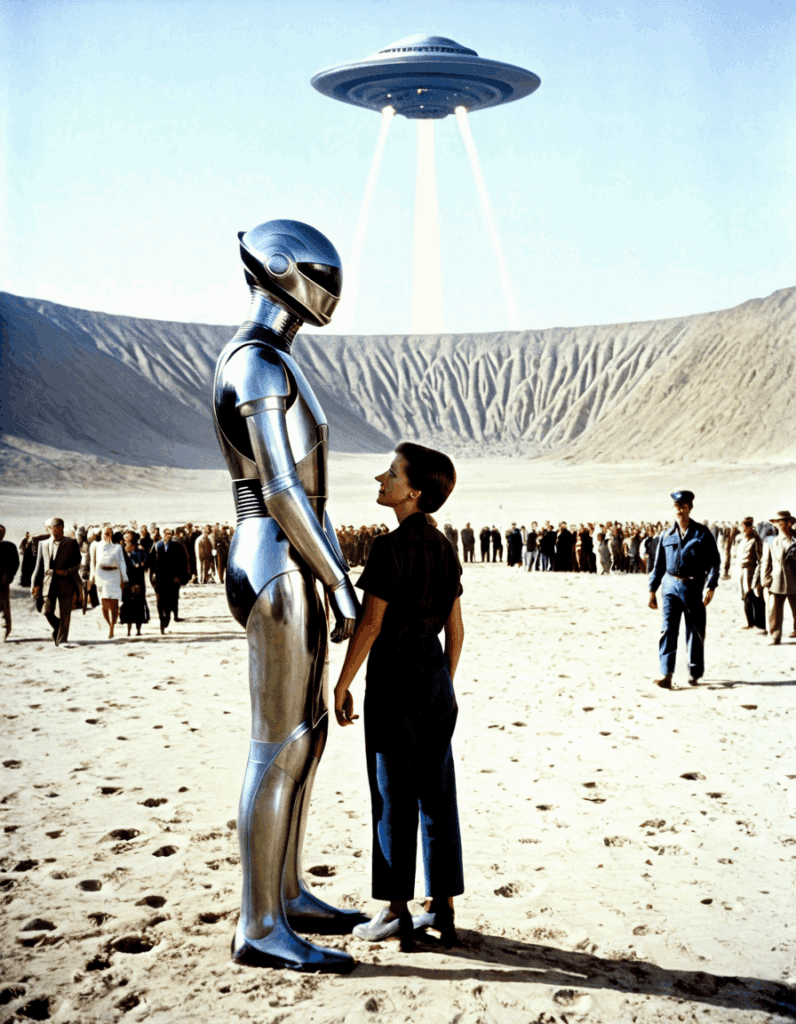
The Enduring Impact of ‘The Day The Earth Stood Still’ on Sci-Fi Cinema
The 1951 classic The Day The Earth Stood Still, directed by Robert Wise, transformed science fiction into a platform for serious dialogue. It approached themes of war, aggression, and our responsibilities as stewards of the Earth, capturing a universal essence that reverberates through time. Even now, over seventy years later, the film’s urgent call for global unity and its warning against militarism ring more relevant than ever. Through its haunting narrative, it shaped the views of generations, influencing a plethora of movies that followed.
With its compelling depiction of the visitor from another planet, the narrative challenges viewers to confront their flaws. It poses vital questions about our choices in a dangerous world, making it an important benchmark for sci-fi cinema. Movies like Arrival And Interstellar Have paid homage to this cinematic gem, weaving in similar themes of existential dread, the importance of communication, and the consequences of overlooking our planet’s health. The realm of film would simply look different without this classic, a true testament to its enduring impact.
The film’s messages about military might and intolerance resonate deeply in today’s climate. As nations grapple with political instability and environmental crises, The Day The Earth Stood Still Arrives as a beacon of wisdom, urging us to reflect on our choices. Its legacy proves that art isn’t just for entertainment; it’s a vehicle for change and a reminder of our shared humanity.

Five Timeless Messages from ‘The Day The Earth Stood Still’
Let’s dive into some of the core messages that The Day The Earth Stood Still Conveys, showcasing how they still captivate audiences in 2026:
The film powerfully illustrates that despite our differences, collaboration is essential. Just as the United Nations strives to foster global peace today, its themes serve as a reminder that only through cooperation can we tackle issues like climate change. In an age where divisiveness often overshadows shared responsibilities, this lesson remains eternally relevant.
In the film, Klaatu, the alien, embodies the consequences of unchecked technology. Fast-forward to 2026; we face ethical conundrums in areas like artificial intelligence and biotechnology. The film invites reflection on how our innovations can lead toward utopia or disaster, pressing us to consider the broader implications of our advances, much like the worlds explored in Gundam Mobile Suit.
The Day The Earth Stood Still emphasizes the importance of promoting environmental stewardship. In our current age, facing a myriad of ecological crises, the film’s warning about our negligence brings its message to an urgent crescendo. Documentaries like Chasing Ice echo this sentiment, drawing attention to the battle against climate change and the need for immediate action.
The visitors’ attempts to communicate are met with suspicion and aggression, prompting viewers to ponder how fear can cloud judgment and foster conflict. History bears witness to this, particularly with events like the War on Terror, showcasing how irrational fear can divide nations instead of uniting them. The film’s narrative remains a powerful caution against such tendencies.
At the heart of The Day The Earth Stood Still is storytelling’s transformative power. Its ability to provoke thought and inspire change transcends boundaries. Modern flicks and series like Spirited Away and All Quiet on the Western Front carry forward this legacy, reminding us that art serves both as a mirror to society and a catalyst for critical conversation.
The Legacy of ‘The Day The Earth Stood Still’: Inspirations and Interpretations
The remarkable influence of The Day The Earth Stood Still Can be seen in numerous films and series that seek to emulate its thought-provoking qualities. Film adaptations and original stories alike draw on its core themes, crafting narratives that resonate with audiences searching for meaning. The recent adaptation of All Quiet on the Western Front Explores the futility of war, delving into the consequences of violence similar to those presented in Wise’s masterpiece.
One can even observe the legacy of The Day The Earth Stood Still In the world of anime. Spirited Away Embodies the notion of transformation and the deterioration of human connections, mirroring the film’s deep exploration of environmental and existential motifs. This cinematic interplay emphasizes how The Day The Earth Stood Still Continues to inspire creators across genres and media, fostering a continuous dialogue about the weight of human choices.
As stories evolve, they still anchor themselves to the poignant messages of the past, proving that The Day The Earth Stood Still Is not just a relic of films gone by but a source of ongoing inspiration. Its themes are interwoven in various narratives, continually urging audiences to reflect on significant global issues and their implications for future generations.

The Cultural Relevance of ‘The Day The Earth Stood Still’ Today
Fast forward to 2026, and The Day The Earth Stood Still Still reverberates through Hollywood and global cinema. Series such as The Expanse Deftly portray alien encounters that reflect Klaatu’s essential message, providing thought-provoking commentary on humanity’s collective responsibilities. Documentaries and films addressing climate change echo the urgent tone set by Klaatu, reiterating that our decisions today will define our future.
The film’s psychological aspects-fear of the unknown and the subsequent power dynamics-continue to be relevant. As we confront rising geopolitical tensions and cultural divides, its examination of societal responses ensures that audiences reflect on their views and actions. Cloaked in suspenseful storytelling, its legacy goes beyond cinematic boundaries, influencing how contemporary films are crafted and the messages they convey.
In a world grappling with a myriad of challenges, the continued relevance of The Day The Earth Stood Still Reminds us that while the medium may change, the messages endure. It fosters a dialogue that ensures the past informs our present, guiding us towards a hopeful and united future.
Analyzing the Social Commentary in ‘The Day The Earth Stood Still’
The Day The Earth Stood Still Acts as a reflective surface for society, forcing audiences to contemplate significant issues like war, aggression, and the collective responsibility we shoulder. In these times marked by environmental threats and rising global tensions, Klaatu’s warnings hit closer to home than ever before. With each viewing, the film catalyzes necessary conversations that can lead to real change.
Faced with a world wrestling with conflict, the film dares us to tackle our self-destructive impulses. Its call for critical examination resonates not just as entertainment but as a vital component of our contemporary narrative. The connection between past narratives and today’s realities underscores the persuasive power of cinema as a vehicle for change, reminding us of our obligations to one another and the planet we inhabit.
As society advances further into the intricacies of modern living, the messages The Day The Earth Stood Still Imparts become more vital. It stands as both a reminder and a challenge: to act with compassion and understanding. In the spirit of Klaatu, we must not only immerse ourselves in nostalgia but mobilize these timeless lessons into meaningful actions that will define our legacy. Let us unite, shaping a future where empathy and collaboration flourish in place of division and fear.
With this cinematic marvel etched into the annals of film history, The Day The Earth Stood Still Continues to invite each generation to engage thoughtfully with the world around them. By heeding its warnings, we empower ourselves to navigate the future with hope and purpose.
The Day The Earth Stood Still: Captivates with Timeless Message
Fun Trivia and Interesting Facts
“The Day The Earth Stood Still,” released in 1951, isn’t just another sci-fi flick; it’s a cultural phenomenon that resonates even today. Did you know that the film’s iconic alien, Klaatu, was partly inspired by Mufasa’s nurturing wisdom from The Lion King? Just as Mufasa teaches Simba profound lessons about responsibility, Klaatu delivers a compelling message about peace and the dire consequences of humanity’s reckless behaviors. The way both characters engage their audiences showcases storytelling’s power, doesn’t it?
Now, let’s talk about its impressive visual effects. Back in the day, those stunning special effects were groundbreaking! They paved the way for future classics, much like how the Gundam Mobile Suit Series changed the game in mecha anime. “The Day The Earth Stood Still” borrowed innovative techniques that influenced many films that followed. Speaking of change, the film’s urgent call for unification in light of global dangers remains quite relevant today, especially during discussions about events like the recent Austin Power outage, which reflects our interdependence in crises.
Lastly, it’s fascinating to note that the character of Klaatu was so influential that he inspired various pop culture references, from video games like Kingdom Hearts To modern political figures like Robert Kennedy jr., who often echoes similar tones of caution and hope. Plus, Clémence PoésyS involvement in contemporary narratives reminds us how timeless lessons from classics like “The Day The Earth Stood Still” continue to inspire future generations. And hey, isn’t it wild how a film from the ‘50s can create ripples that affect our cultural conversations today?

This article was produced with AI assistance. How Silver Screen Magazine uses AI.
Silver Screen Magazine writes for Silver Screen Magazine - classic cinema, film reviews, industry updates and hollywood gossip.