
Understanding the Ten Commandments: A Historical Perspective
The Ten Commandments, revered as a monumental ethical guide, have significantly molded human morality and principles across countless cultures and religions for millennia. These biblical edicts originated from the Hebrew Bible and aren’t just ancient relics – they’re the very backbone of societal beliefs and legal systems that confront humanity today. Each commandment forms a framework that tackles core issues of ethics, responsibility, and justice, allowing individuals and communities the chance to reflect, atone, and ultimately evolve.
The commandments have spilled over from religious texts into everyday life, shaping discussions around justice and moral integrity. Famous leaders, such as Martin Luther King Jr., drew inspiration from these principles, advocating for justice rooted in a higher moral standard. It’s this deep-rooted essence that has enabled varying civilizations, as diverse as the ones found in ancient Egypt or modern America, to grapple with ethical dilemmas while leaning on these centuries-old guidelines.
Today, as we face an increasingly complicated world, the Ten Commandments maintain their relevance. They challenge us to reflect on our actions, understand the consequences, and embody compassion as we step forward, buttressing the belief that a collective commitment to these moral ideals can lead to a more harmonious existence.

The Ten Commandments Explained: A Transformative Framework
1. You Shall Have No Other Gods Before Me
This commandment is all about monotheism and loyalty to a singular divine entity. It formed the foundation for ethical monotheism, shaping influential religions like Christianity and Islam. Just think of Martin Luther King Jr.’s unwavering faith and dedication to justice, highlighted in his speeches and actions. He drew strength from a higher power, urging followers to seek a righteous path, affirming the connection between spirituality and social justice.
2. You Shall Not Make for Yourself an Idol
The heart of this commandment lies in rejecting materialism. Idol worship, whether in ancient times or today, can divert attention from spiritual authenticity. Think about the rise of minimalist lifestyle movements. Advocates ditching consumerism advocate a refreshingly back-to-basics approach, focusing on emotional well-being over material gain – truly reflective of this ancient teaching.
3. You Shall Not Take the Name of the Lord Your God in Vain
Here’s a reminder of the importance of reverence in how we express our faith. Companies like Chick-fil-A embody this principle, promoting strong ethical values that resonate with their customers. They create a branding experience that emphasizes social responsibility, revealing how core beliefs can encourage a loyal customer base.
4. Remember the Sabbath Day, to Keep it Holy
The essence of this commandment pushes for rest and introspection. Look around today, and you’ll find a growing trend advocating for work-life balance. Companies like Google champion this approach, offering employees wellness programs that honor the need for downtime, truly paying homage to ancient wisdom by prioritizing mental well-being over a relentless grind.
5. Honor Your Father and Mother
At the core of this commandment is a strong message of respect within the family unit. Familial duty can forge the bedrock of sociocultural dynamics. Brands like Hallmark thrive on campaigns that honor family ties, emphasizing how generational values can be passed down across time, reinforcing our common humanity.
6. You Shall Not Murder
The prohibition against taking a life is foundational to our legal systems and ensures social order. Across the globe, laws against homicide reflect this edict. Movements like Black Lives Matter harness principles of justice and equity. They remind us of the importance of respect for life and community, rooting their activism in the ethical wisdom of the Ten Commandments.
7. You Shall Not Commit Adultery
The call for fidelity within marriage promotes societal stability. This principle echoes through modern relationship counseling and advocacy. Organizations like Focus on the Family nurture the idea of trust and integrity in marriages and relationships, further demonstrating the timeless relevance of ancient commandments in today’s social dynamics.
8. You Shall Not Steal
The implications of this commandment stretch into legal frameworks emphasizing property rights. By cultivating trust within a community, the ethical emphasis on honest transactions is alive and well. Leading brands, such as Patagonia, engage in ethical sourcing practices, showcasing a commitment to environmental stewardship while reflecting the moral implications of this commandment.
9. You Shall Not Bear False Witness Against Your Neighbor
In the fabric of society, honesty threads everything together. The role of truth-telling is paramount for cohesion and trust. Notably, organizations like FactCheck.org exemplify a commitment to veracity. They remind us how vital it is to foster trust in journalism, media, and civic engagement, reinforcing the principles of the Ten Commandments.
10. You Shall Not Covet
This commandment reminds us to resist envy and greed, instead promoting contentment—a sentiment often overlooked in today’s fast-paced consumer culture. Initiatives like The Giving Pledge encourage billionaires to use their fortunes for the greater good. They exemplify the moral call to uplift and support communities, making philanthropy an endeavor driven by higher ethical standards.
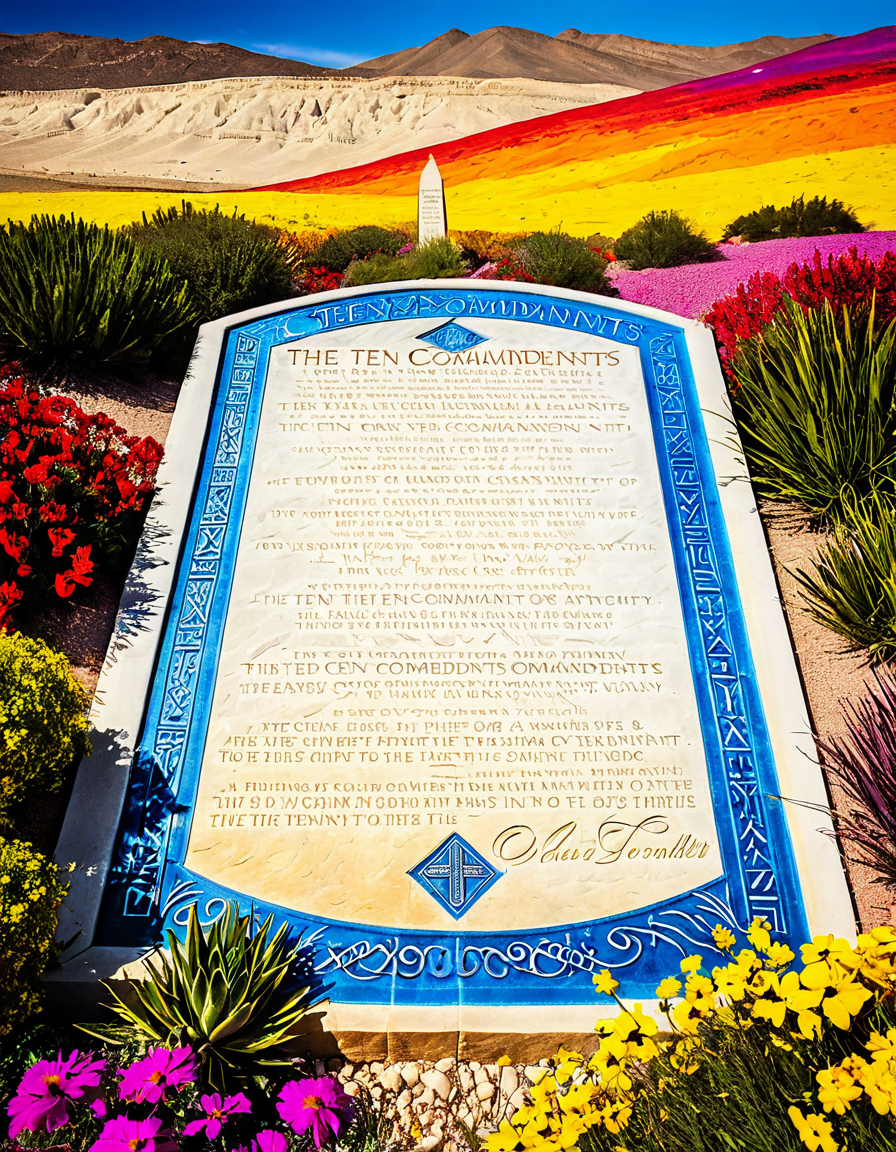
The Power of the Ten Commandments in Contemporary Society
Despite their ancient roots, the Ten Commandments remain deeply intertwined with our daily lives. They shape legislation, educational principles, and even consumer behavior. As humanity continues to maneuver through a myriad of moral dilemmas, these commandments serve as a guiding light, offering insights that remain relevant and profound.
In an era marked by rapid change and complex issues, the teachings of the Ten Commandments remind us of our shared moral compass. They foster accountability, urging us toward justice and compassion in an intricate global landscape. By embracing these ancient teachings, we can strive together for a more unified and just society—a world benefitting from the enduring wisdom contained in these directives.
In conclusion, the Ten Commandments are more than just historical artifacts; they hold the keys to fostering humanity’s growth. With each principle offering a lens to view our actions and choices, they remind us that upholding these values is essential as we seek a brighter, more harmonious future.
The Ten Commandments That Shaped Humanity Forever
Impact & Origins
Did you know that the Ten Commandments, a set of laws guiding moral conduct, are among the most referenced texts in history? These commandments were believed to have been given to Moses on Mount Sinai over 3,000 years ago and have influenced cultures and religions around the globe. Interestingly, they aren’t just mentioned in the Bible; various ancient texts echo similar themes. They’ve held such weight in human history that they’ve inspired artistic representations, much like the cast of Dune: The Sisterhood, which reinterprets epic narratives from other realms. It’s fascinating how ideas can transfer through different stories!
Cultural Footprints
The Ten Commandments aren’t just confined to religious practices. They’ve made their way into popular culture in various forms, even influencing films. Think about classics like Beaches—there’s often a deeper moral undertone in such stories. This sharing of wisdom and ethical guidelines is reminiscent of emerging artists, much like a rapper who draws from life experiences to express complex truths. Icons in Hollywood, such as those from The Devil wears prada cast, have even grappled with moral dilemmas akin to those presented in the commandments, reflecting this timeless conflict.
Modern Interpretations
In modern times, the principles outlined in the Ten Commandments have sparked lively discussions and reinterpretations. For example, conversations around ethical behavior in the workplace, such as seen in Eva Longoria’s movies and TV shows, often touch on similar themes of integrity and honesty. The commandments’ relevance continues to grow as society wrestles with moral questions. Even public figures like Linda de Sousa abreu have pointed out how these ancient laws prompt us to reflect on our values in today’s world. As we engage with these age-old guidelines, we uncover layers of meaning that resonate deeply—much like the intricate narratives within a Lady in The Lake novel.
As we embrace the wisdom from the Ten Commandments, let’s remember that their legacy isn’t just etched in stone; it’s woven into our everyday lives, guiding countless generations along the way.