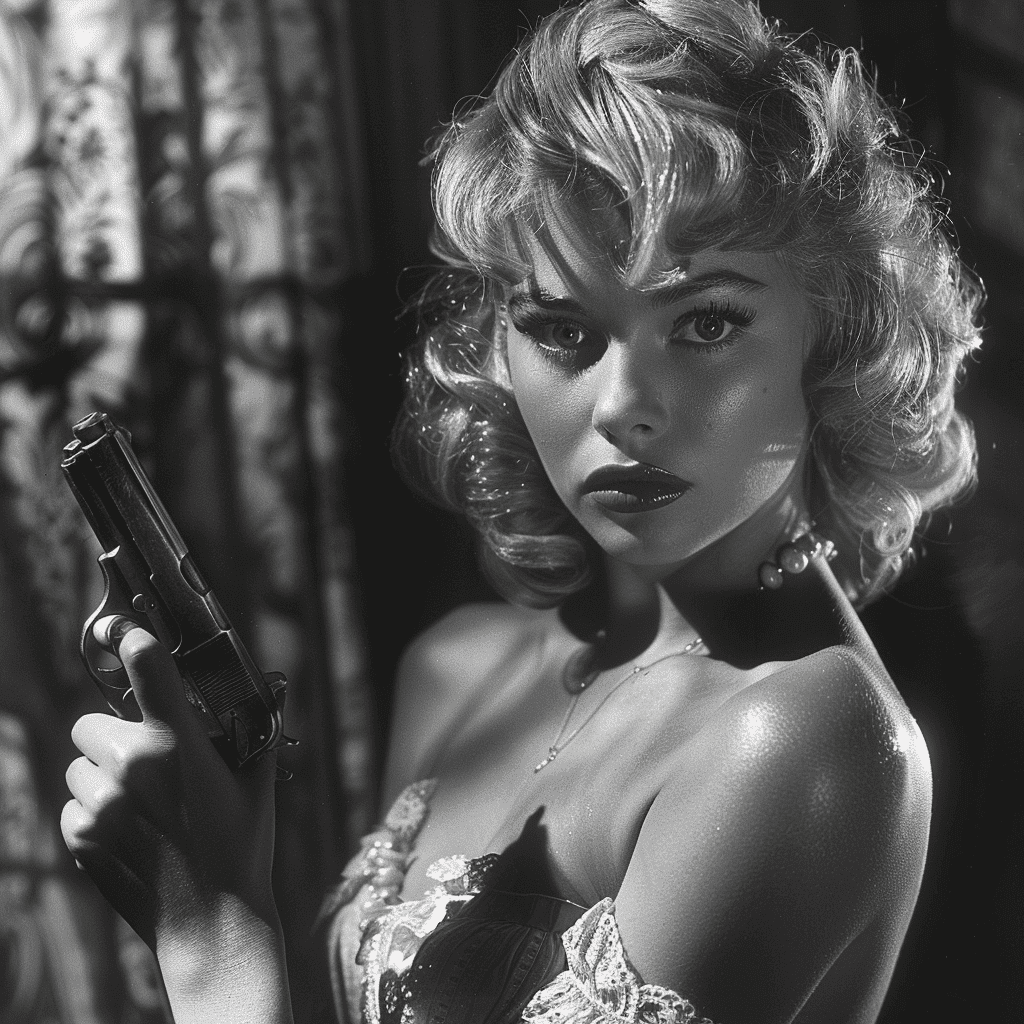
Stanley Kubrick’s legacy is one that transcends generations, leaving an imprint on cinema that’s as profound as it is unyielding. Renowned for his artistry and keen perception, Kubrick didn’t just make films; he revolutionized the medium itself, taking it to places few had ever ventured before. His approach was bold, often controversial, and forever unique—drawing viewers into a world that’s both dazzling and unsettling. By examining the ways in which Kubrick changed the landscape of filmmaking, we find insights that impact how stories are told even to this day. Let’s dive into seven pivotal ways Kubrick redefined the art of filmmaking.
1. Pioneering Visual Techniques
Kubrick’s impact on visual storytelling is monumental. He mastered the art of utilizing natural lighting, which became a signature aspect of his style. Take “Barry Lyndon” (1975), for instance, where he used candlelight to illuminate scenes—a technique that was groundbreaking at the time. This vibrant use of light not only enhanced authenticity but also set a bar for what cinematography could achieve. Modern filmmakers like Roger Deakins in “1917” draw inspiration from Kubrick’s trailblazing methods, showcasing that his influence remains alive and vibrant in contemporary cinema.
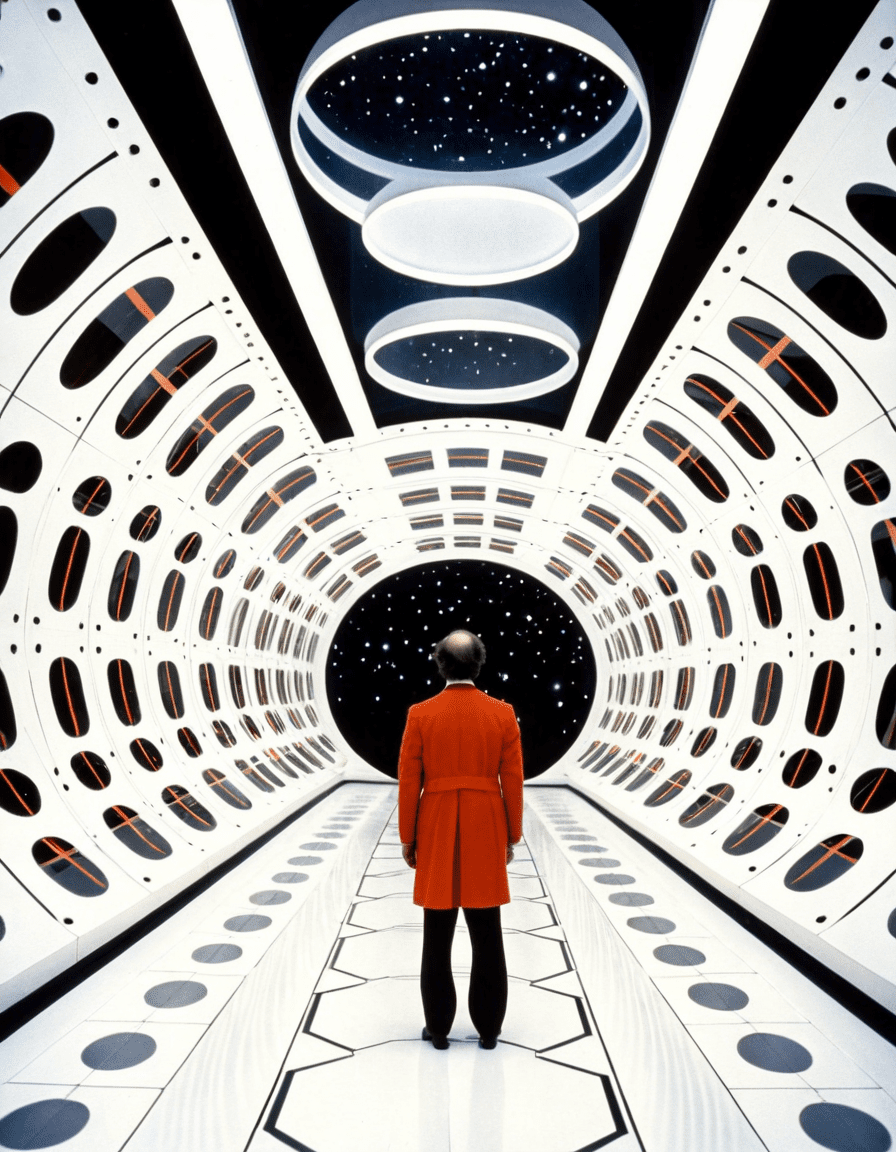
Additionally, Kubrick’s innovative camera angles pushed the boundaries of cinematic language. His “one-point perspective” shots in A Clockwork Orange (1971) and the meticulous tracking movements in 2001: A Space Odyssey (1968) envelop viewers in a claustrophobic or expansive experience, making each scene resonate deeply.
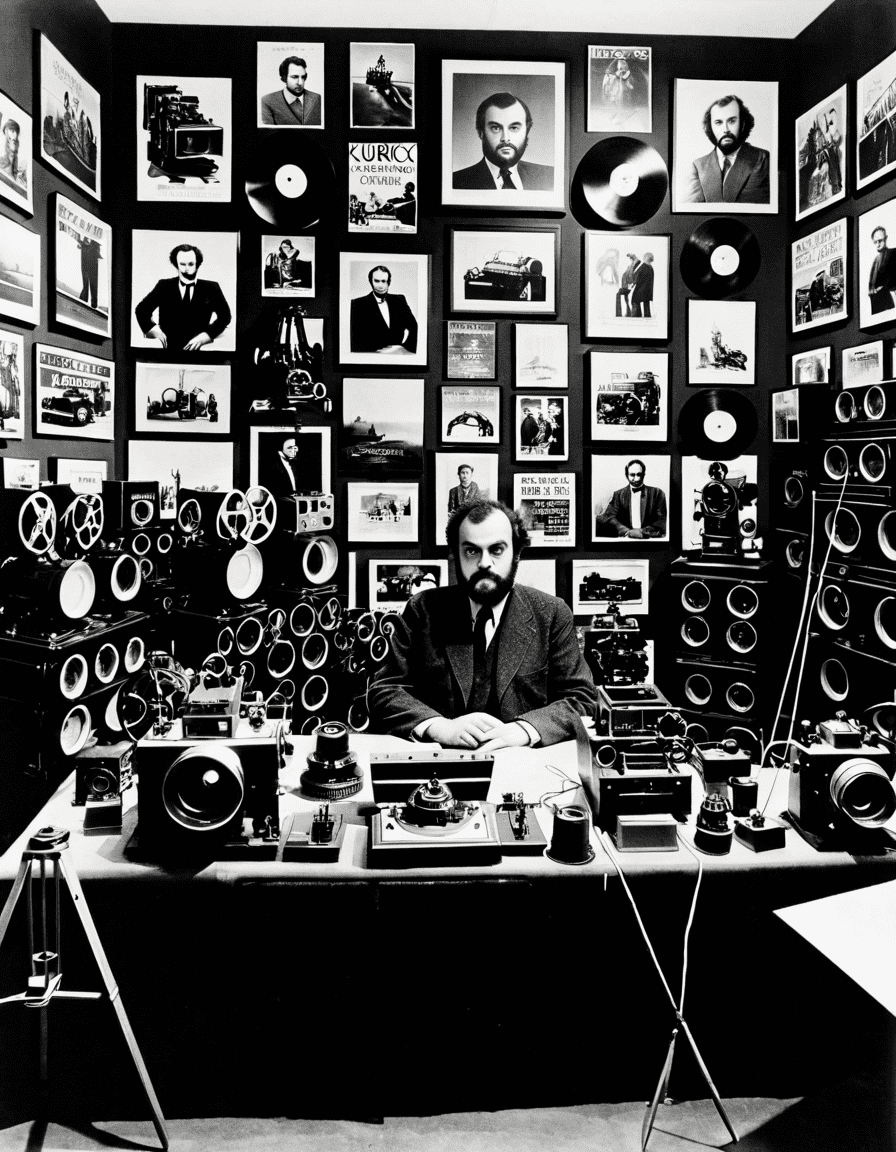
2. Genre Blending
Kubrick was a master at fusing genres that turned conventional storytelling on its head. His groundbreaking work “2001: A Space Odyssey” (1968) is a landmark film that expertly combines elements of science fiction, drama, and philosophy. As viewers embark on a cosmic journey, they’re confronted with profound themes about humanity and existence, marking a departure from traditional genre conventions. This blend not only captivated audiences but also inspired a new generation of filmmakers, including Christopher Nolan and Denis Villeneuve, who similarly weave intricate narratives that stimulate thought while entertaining.
Kubrick’s fearless approach to genre blending prompted viewers to step outside their comfort zones, encouraging filmmakers to explore more complex narratives. This encouraged the development of richer storytelling that transcends mere categorization, captivating audiences in unexpected ways.
3. Revolutionary Editing Techniques
Kubrick’s editing style often defied conventional norms, transforming how stories could be conveyed on screen. His film A Clockwork Orange pioneered jump cuts and a non-linear timeline, effectively disorienting the audience and enhancing their emotional response. This radical editing style can be seen in films like Birdman, directed by Alejandro González Iñárritu, which employs a similar rhythm to create a fluid narrative experience.
He understood that editing wasn’t just a technical process; it was an integral part of storytelling. By employing techniques such as montage and juxtaposition, Kubrick mastered the art of pacing—and his influence can still be felt in modern cinema today, especially in the way filmmakers craft their narratives.

4. Ambiguous Storytelling
Stanley Kubrick was a maestro of ambiguity, seamlessly slipping layers of meaning into his narratives. The psychological complexities present in The Shining (1980) have attracted endless interpretations, demonstrating his skill at blending horror with psychological intrigue. He left questions hanging in the air, compelling viewers to analyze and debate the meaning behind the narrative threads.
This approach has inspired contemporary auteurs like David Lynch, whose film Mulholland Drive burrows into the surrealistic, exploring the shadows of identity and perception. Kubrick’s legacy encourages filmmakers to engage their audiences in deeper conversations about art, psychology, and life itself.
5. The Soundtrack as Character
In films such as Dr. Strangelove (1964), Kubrick showcased how integral music could be in shaping a narrative. By coupling classical compositions with black comedy, he highlighted emotional undercurrents, enriching scenes with gravitas and meaning. This technique echoed in the works of directors like Wes Anderson, who curate soundtracks to reflect the inner workings of their characters, seen beautifully in The Grand Budapest Hotel.
Kubrick’s forward-thinking techniques shifted music from merely accompanying the visual elements to becoming a character in its own right. This paradigm changed the way filmmakers approach cinematic soundscapes, paving the way for a new level of storytelling that resonates on multiple levels.
6. Challenging Social Norms
Kubrick fearlessly explored contentious themes in his films, unflinching in his examination of human behaviors. His provocative exploration of sexuality and morality in Eyes Wide Shut (1999) sparked heated debates, engaging audiences in a societal dialogue about elitism and desire. He dared to tackle issues that many filmmakers shied away from, paving the way for daring voices like Lars von Trier.
This boldness challenged audiences to reassess their values and perceptions, illustrating that cinema can serve as a powerful commentary on society. The impact of Kubrick’s audacity continues to be felt, inspiring other filmmakers to tackle difficult subjects head-on.
7. Collaborating with Iconic Actors
Kubrick’s ability to elicit compelling performances from actors is legendary, and his collaboration with John Malkovich in Full Metal Jacket (1987) is a testament to that skill. Malkovich’s range and intensity were spotlighted, which has elegantly influenced director Spike Lee’s approach to performances in films like BlacKkKlansman. Kubrick fostered a dialogue between himself and his cast, pushing performances to their limits.
By creating an environment where actors felt free to explore their characters’ depths, Kubrick ensured that every performance contributed significantly to the narrative. This collaborative spirit continues to inspire directors on how to cultivate performances that are raw and profound.
Stanley Kubrick’s relentless pursuit of innovation and his unwillingness to adhere to cinematic norms have forever reshaped filmmaking. His stylistic choices, thematic provocations, and transformative techniques remain not only historical benchmarks but also living legacies that reverberate through today’s cinematic landscape. The magic of cinema is alive and well, continuously evolving, yet it will always carry the indelible mark of Kubrick’s genius. As we look to the future, inspiration flows from his rich filmography, reminding us that storytelling can transcend barriers and ignite the imagination. Whether it’s the thrilling ambiguity of The Shining or the striking visuals of 2001: A Space Odyssey, Kubrick’s influence remains a guiding light for filmmakers and enthusiasts alike.
kubrick: Fun Trivia and Interesting Facts
A Visionary in Film History
Stanley kubrick, known for his impeccable craftsmanship, has left a lasting impression on the cinematic landscape. With films like “2001: A Space Odyssey” and “A Clockwork Orange,” kubrick transformed storytelling standards. Interestingly, his fascination with accuracy reached beyond films; he reportedly made extensive notes on scripts, often using not just the screenplay but other materials to shape his narratives. This attention to detail resembles strategies some folks use when researching average interest rate on a house before taking the leap into homeownership. Like navigating the complexities of housing, kubrick’s work involved deep dives into every aspect of filmmaking.
Eccentricities and Innovations
Beyond his technical genius, kubrick had a quirky side that often manifested on set. He was known for demanding multiple takes, sometimes going beyond a hundred, to achieve the right performance. This obsessive pursuit of perfection reminds us of cinematic masterpieces like “The Good, The Bad, and The Ugly,” which also shows the lengths filmmakers go through for their art. Furthermore, kubrick often collaborated with actors extensively, creating enduring partnerships, much like creators who thrive on platforms like Teachers Pay teachers Login for educational resources.
A Legacy of Influence
kubrick’s influence extends into various facets of pop culture. His innovative techniques have inspired a myriad of filmmakers, and many modern films reference his techniques. For instance, the striking visual styles and thematic depth found in works like Godzilla Monis One owe a nod to kubrick’s pioneering spirit. Moreover, if you want to experience the intricacies of storytelling, take a moment to watch Los juegos Del Hambre—its narrative depth showcases elements that kubrick would undoubtedly appreciate. Even today, his films are subjects of analysis, discussed in film schools and online platforms, making them as relevant as ever, much like the discussions around The Golden bachelorette.
In summary, kubrick’s legacy is a blend of sheer talent, eccentricity, and an endless pursuit of artistic excellence. Engaging with his films allows us to appreciate the meticulous craftsmanship that has shaped contemporary cinema, inviting both casual viewers and serious cinephiles to explore the layers within his iconic work. If you’re in the mood for a deeper dive, numerous websites, such as 1234 Movies and Bloom, provide a plethora of options to discover kubrick’s masterworks.