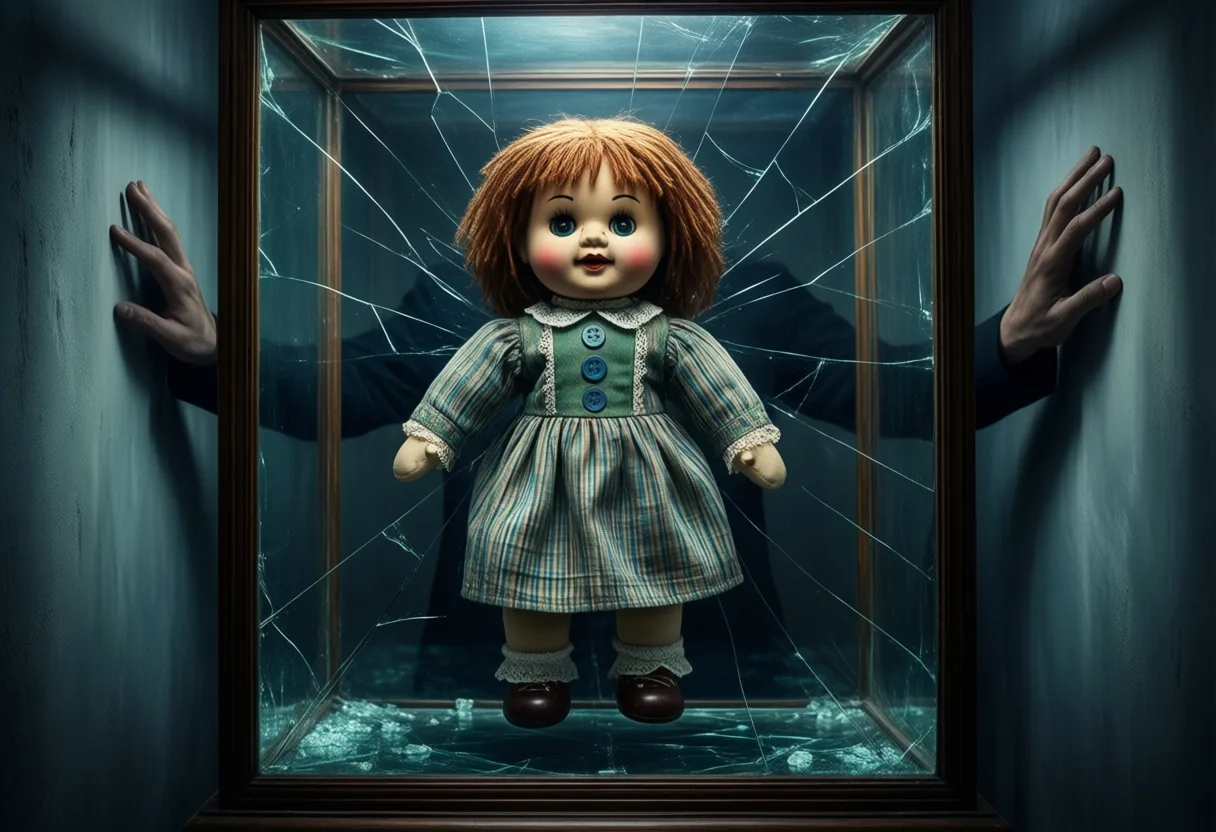
It sits behind glass in a locked case at the Warrens’ Occult Museum, staring with glassy eyes that seem to follow you. A rag doll, stitched together with button eyes and a crooked smile, radiating something far heavier than fabric and stuffing. You’ve seen the movies, heard the whispers-Annabelle Is one of horror’s most infamous icons. But is it real, or just another ghost story spun into cinematic gold?
The Haunting Tale of Annabelle: Myth, Media, and the Paranormal
Hollywood loves a haunted object. Dolls, mirrors, houses-they’re all fair game. But few have captured the public Imagination like Annabelle, a seemingly innocent plaything turned alleged vessel for demonic energy. The story doesn’t just chill-it spreads, mutates, and takes root in the collective psyche like mold in an old basement.
The power of Annabelle isn’t in what it is, but in what we Believe It could be. Fear doesn’t need proof-it only needs suggestion. And the tale of this doll is built on a foundation of just enough ambiguity to make your skin crawl.
What makes Annabelle different from other Urban legends Is how seamlessly it crossed over from folklore to film. It didn’t just inspire horror movies-it Became One. The line between fiction and supposed fact blurs with every retelling.
What Lies Behind the Legend of the Haunted Doll?
The core story begins not with a scream, but with a quiet apartment and two young women sharing a home in the 1970s. They reportedly found the doll on a doorstep, an unassuming gift wrapped in innocence. Soon after, strange events began-notes appearing, objects moving, a presence felt in the dark.
Then came the name: Annabelle. Not carved, not written in blood, but scrawled by an unseen hand on paper. The women claimed the spirit identified itself as a young girl named Annabelle, trapped and seeking help. But as the activity escalated, so did the dread.
The case eventually drew the attention of Ed and Lorraine Warren, paranormal investigators with a flair for the dramatic. Their involvement turned a Local mystery Into a national talking point. Whether they uncovered truth or amplified myth remains hotly debated.
The Origins of a Modern Horror Icon
Annabelle wasn’t always a household name. In its earliest form, it was just a Raggedy Ann doll-nothing sinister in design, just a child’s toy gone wrong. The transformation from forgotten plaything to cursed artifact was slow, fed by word of mouth and the Warrens’ growing reputation.
By the time the first Conjuring Film dropped in 2013, Annabelle had already achieved cult status among horror fans. The movie didn’t invent the story-it Unleashed It. Suddenly, everyone had an opinion on whether annabelle is real or fake.
The doll’s image became instantly recognizable: yellow dress, tangled hair, that eerie, fixed grin. It wasn’t just scary-it was Marketable. And Hollywood, ever the opportunist, ran with it.
From Rag Doll to Demon Vessel: How the Story Evolved
Originally, the spirit was said to be a lost girl, a tragic soul seeking peace. But over time, the narrative shifted. The entity became less childlike, more malicious. What started as a cry for help morphed into a full-blown demonic possession.
The Warrens claimed the entity wasn’t Annabelle at all-but a demon using the name as a disguise. That twist added theological weight to the tale, elevating it beyond a simple ghost story. Now, it was spiritual warfare in a doll’s body.
This evolution mirrors how many urban legends grow: starting small, then expanding with each retelling. Fear thrives on escalation. And Annabelle’s story gave fear plenty of room to stretch.
The Warrens’ Role in the Annabelle Narrative
Ed and Lorraine Warren were never scientists. They were showmen, believers, and self-styled demonologists. Their investigations often walked the line between faith and spectacle, drawing crowds and skepticism in equal measure.
Their museum in Monroe, Connecticut, became a shrine to the strange-filled with cursed paintings, haunted furniture, and, of course, Annabelle in her glass case. Visitors would line up, drawn by the promise of seeing something truly otherworldly.
But critics have long questioned the Warrens’ methods. No independent verification, no peer-reviewed studies-just stories, photographs, and a deep conviction in the unseen. Whether they were protectors or promoters is still up for debate.
Is There Any Evidence Behind the Claims?
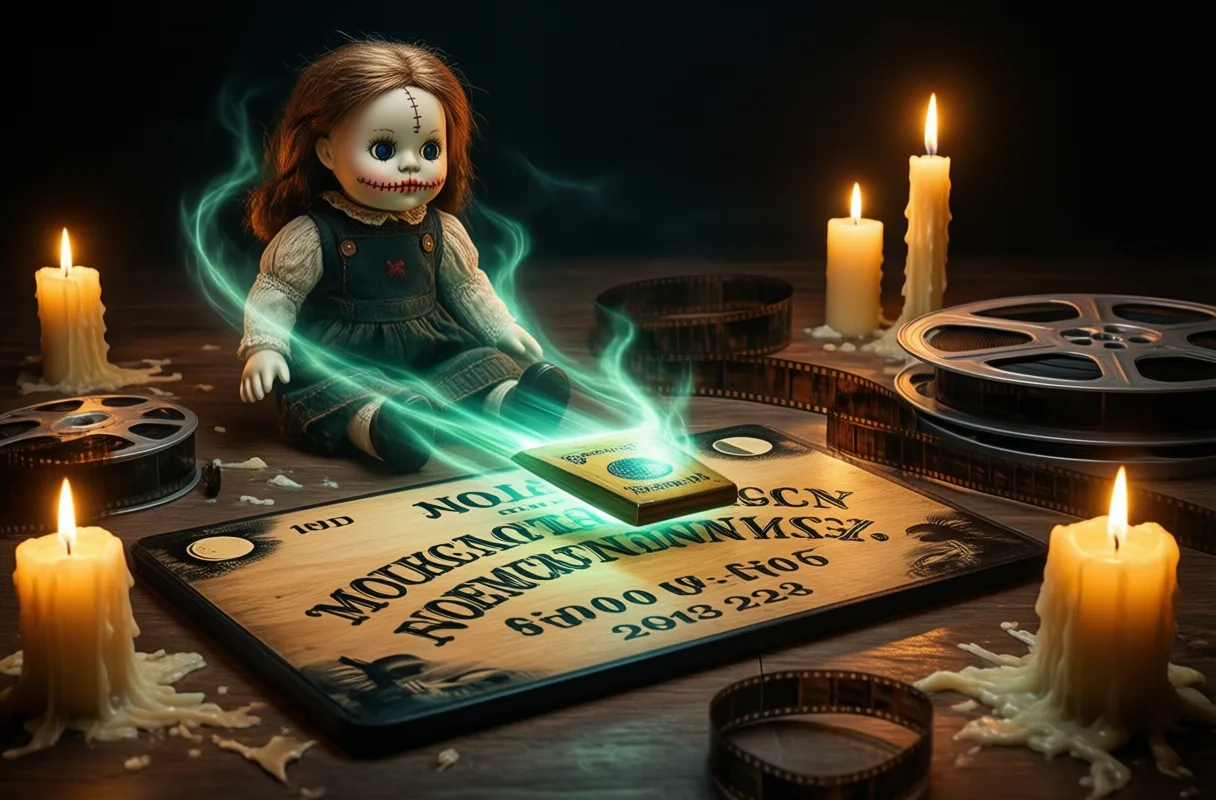
Let’s be clear: there’s no verifiable proof that Annabelle is possessed. No scientific tests, no documented poltergeist activity caught on reliable equipment. What exists are anecdotes, photographs with blurry shapes, and a lot of dramatic reenactments.
The notes allegedly written by the doll? Handwritten by someone in the house, not floating ink from another dimension. The scratches, the movements-explainable by psychology, suggestion, or simple hoaxes.
That doesn’t mean the fear isn’t real. People Believed. And belief, once ignited, can burn hotter than any evidence ever could.
How Hollywood Amplified the Fear
The Conjuring Universe didn’t just adapt the Annabelle story-it supercharged it. The 2014 prequel, simply titled Annabelle, turned the doll into a cinematic demon, complete with jump scares, possessed nuns, and a satanic cult. It was less investigation, more spectacle.
The film made over $200 million worldwide on a modest budget, proving that audiences would pay to be terrified by a doll they Knew Was probably fake. But that’s the magic of horror-suspension of disbelief is half the fun.
Hollywood didn’t create Annabelle’s legend, but it certainly polished it. The real doll may sit quietly in a case, but on screen, it’s a star.
The Psychology of Belief in Cursed Objects
Why do we believe in haunted dolls? It’s not just about ghosts-it’s about control. A doll is small, lifeless, and powerless. But when it moves on its own, it violates the rules. That violation is what terrifies us.
Objects become symbols. Annabelle isn’t just a doll-she’s a vessel for our deepest fears: loss of agency, unseen forces, the idea that evil can wear a child’s face. We project our anxieties onto her stitched smile.
And once a story like this takes hold, it’s nearly impossible to shake. The brain remembers fear long after logic has moved on.
Separating Fact from Fiction in Paranormal Investigations
Paranormal claims often fall apart under scrutiny. Equipment malfunctions, memories distort, and emotions run high. The Warrens’ investigations were never peer-reviewed, never replicated. That doesn’t disprove them-but it doesn’t confirm them either.
Many so-called haunted objects have rational explanations: drafts, creaky floors, sleep paralysis. But in the dark, with the lights off, none of that matters. The mind fills the silence with something worse.
The truth may be boring. But the story? That’s what sticks.
Why the Annabelle Story Still Captivates Audiences
We love a good ghost story, especially one wrapped in a pretty bow and a yellow dress. Annabelle endures because it’s simple, visual, and deeply unsettling. A doll doesn’t need to speak to terrify-it just needs to Watch.
It’s also a story that invites participation. People visit the museum. They watch the movies. They debate online. The myth grows with every comment, every theory.
And in an age of algorithms and AI, there’s something almost comforting about a fear that feels analog, handmade, Human.
Lessons from the Hysteria: Fear, Faith, and the Need for Mystery
Annabelle teaches us that horror doesn’t need to be real to be powerful. It only needs to Feel Real. The best scares aren’t in the jump-they’re in the silence before, the doubt, the question: What if?
We crave mystery because the world is too explained, too fast, too loud. A haunted doll gives us something to wonder about, to fear, to share in whispers.
Whether annabelle is real or fake misses the point. The truth is in the telling. And as long as someone’s listening, the story will live on.
The Curious Case of the Creepy Doll
More Movie Myth Than Museum Exhibit
Annabelle Might be one of the most famous haunted dolls in pop culture, but the real story is far less supernatural than the films suggest. The actual Annabelle doll isn’t the creepy vintage Raggedy Ann seen on screen-it’s a simple, commercially made 1970s Good Year brand child’s doll, about two feet tall, with painted features and yarn hair. It currently sits inside a glass case at the Warrens’ Occult Museum in Connecticut, not because it’s legally required to be contained, but because Ed and Lorraine Warren, the paranormal investigators who collected it, believed it was spiritually tainted.
The whole incident started not with demonic forces, but with two young roommates in the 1970s who claimed the doll moved on its own and left handwritten notes. When they brought in help, the Warrens stepped in and declared the activity wasn't the doll itself being possessed, but rather a spirit attaching itself to it-what they called a "demon" later, though their original assessment leaned more toward a troubled spiritual presence. There's no official religious certification or Vatican condemnation attached to Annabelle; that dramatic detail was added for cinematic flair.
Here’s a fun twist: despite its fearsome reputation, many visitors to the museum report feeling nothing unusual around the doll, while others joke that it looks more sad than scary. The Warrens themselves never claimed Annabelle acted like the murderous entity in the movies-no jumping out of cabinets or slashing people. In reality, its “haunting” involved minor disturbances like shifting positions or leaving scraps of paper with messages like “Help us.” So while the story inspired a franchise full of jump scares, the truth is a quiet doll behind glass, wrapped in legend more than malevolence.
Frequently Asked Questions
Is the Annabelle doll real or fake?
The Annabelle doll is real and currently kept in a glass case at the Warrens’ Occult Museum. However, there is no verifiable proof it is possessed or haunted.
What kind of doll is Annabelle?
Annabelle is a commercially made 1970s Good Year brand child's doll, about two feet tall, with painted features and yarn hair. It is not a vintage Raggedy Ann doll as depicted in films.
Did the Warrens say Annabelle was possessed by a demon?
Ed and Lorraine Warren initially believed a spiritual presence was attached to the doll. They later described the entity as a demon using the name Annabelle as a disguise.
What really happened with the Annabelle doll?
Two roommates in the 1970s claimed the doll moved on its own and left handwritten notes. The Warrens investigated and concluded a spirit was connected to it, causing minor disturbances like shifting positions and messages.
This article was produced with AI assistance. How Silver Screen Magazine uses AI.
Rohan Kilpatrick dissects the personal lives of stars with wit and precision, balancing insider access with ethical awareness. He delivers the latest whispers and headlines with a sharp eye for irony, never sacrificing style for sensationalism.