“Benjamin Button,” directed by David Fincher and starring the dynamic Brad Pitt, is more than just a film; it’s a poignant exploration of life’s fleeting moments viewed through the lens of a man who ages backwards. Adapted from F. Scott Fitzgerald’s short story, the tale invites viewers to ponder the profound themes of time, mortality, and the social perceptions tied to aging. It’s a film that dares to challenge conventional narratives, allowing us to reflect on how our experiences define us. Each beautiful frame resonates with the bittersweet nature of our existence, urging us to cherish every fleeting moment—a sentiment that’s particularly relevant today.
In this age of instant gratification and fleeting youth, “Benjamin Button” holds significant cultural weight. Society is obsessed with youthfulness and longevity, making Button’s unique experience of living life backwards a thought-provoking reflection. It’s not just a narrative device; it’s a commentary on how we navigate the years of our lives. Audiences are invariably drawn to the exploration of identity and the inevitable passage of time portrayed in the film, which seamlessly integrates into our collective consciousness.
7 Fascinating Insights Into Benjamin Button’s Impact on Modern Cinema
1. The Concept of Aging Backwards: A Unique Narrative Technique
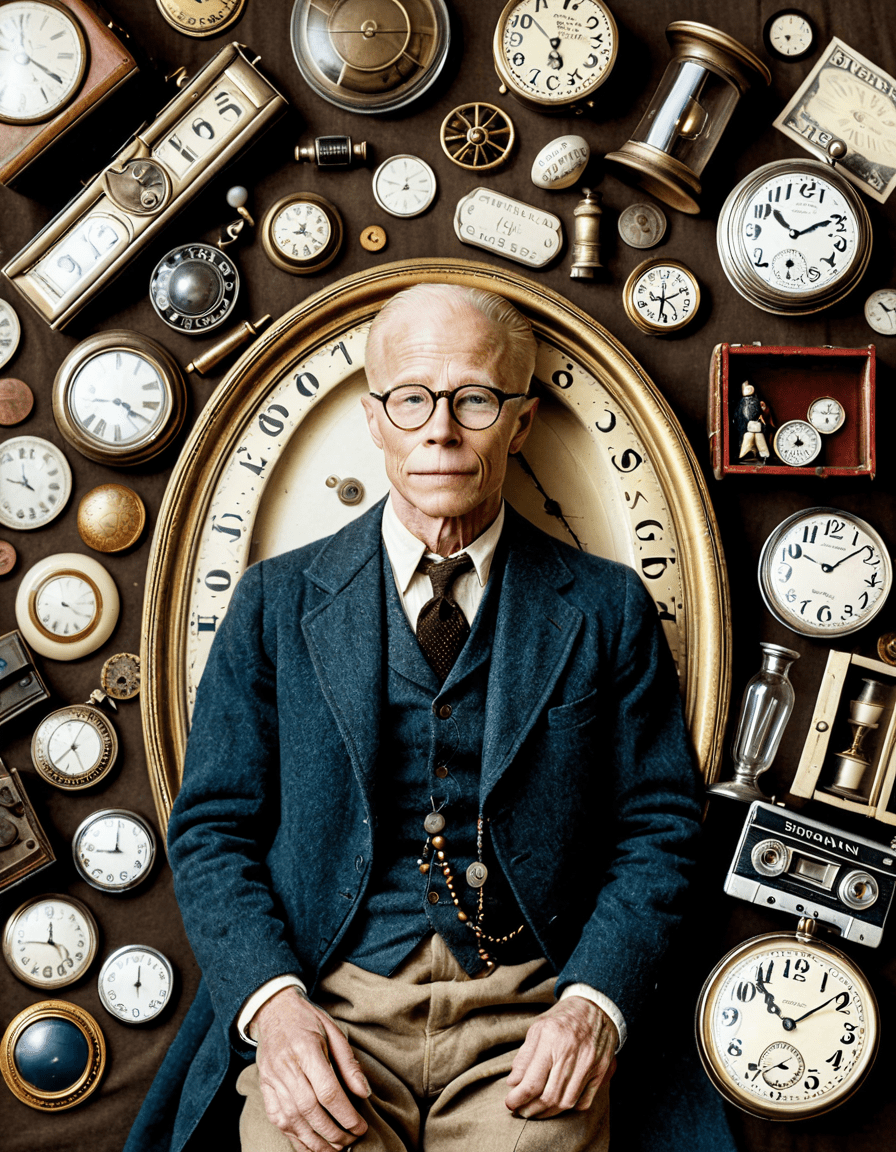
“Benjamin Button” presents a captivating narrative technique that explores aging from a fresh perspective. The premise of a man aging backwards forces audiences to examine time and mortality in a way that traditional stories rarely do. This backward chronology invites a deeper engagement with life’s fleeting nature, transforming how we view growing old and the societal norms surrounding it.
The film’s narrative style evokes a compelling juxtaposition of emotions. On one hand, we root for Benjamin Button as he experiences the world with the innocence of a child. On the other, his experiences lead to a deep sense of loss that resonates universally. It isn’t just about living life; it’s about understanding what each phase means, regardless of the direction in which one ages.
This exploration of aging is echoed across various film genres today—whether in drama, fantasy, or even comedies. Notably, the story’s influence is evident in modern productions like HBO’s Boardwalk Empire, where characters grapple with the weight of time and their decisions. The narrative premise pushes viewers to confront their own relationships with time, aging, and identity.

2. Brad Pitt’s Versatile Performance: A Peek Behind the Screen
At the film’s core is Brad Pitt’s powerful portrayal of Benjamin Button, a performance that showcases his remarkable range as an actor. By embodying both the wisdom of age and the wonder of youth, Pitt navigates the film’s emotional landscape with a rare delicacy. Drawing on his past roles, from the angst-ridden character in “Fight Club” to the charismatic figure in “Once Upon a Time in Hollywood,” Pitt masterfully displays the dichotomy of his character’s experience.
His transformation on screen invites viewers to feel each stage of Benjamin’s life. From the charm of youth to the poignant acceptance of aging, Pitt illustrates the human experience in a way that sticks with you long after the credits roll. The casting of such a versatile actor only heightens the film’s impact, making it a staple in discussions about modern cinema.
Notably, Pitt’s performance adds layers to the themes of friendship and love, central to Benjamin’s story. As he connects with various characters throughout his life, the emotional depth of each relationship, crafted under Fincher’s direction, creates an immersive experience, inviting us to share in Benjamin’s journey.
3. Boardwalk Empire: Exploring Themes of Time and Identity
As mentioned earlier, HBO’s Boardwalk Empire engages similar themes of time and identity, making a fascinating comparison to “Benjamin Button.” Set during Prohibition, the series delves into the complexities of power, ambition, and the personal choices that shape our lives. Each character’s journey illuminates how decisions made in youth can ripple through time, echoing Benjamin’s struggles with his unique aging experience.
Both narratives expose the consequences of your past and how it can define who you are in the present. Just as Button grapples with his reverse aging, the protagonists in Boardwalk Empire contend with changing dynamics of power amidst a backdrop of societal shifts. Viewers see parallels in how both stories reflect the broader human condition, showcasing that age and experience, regardless of their direction, profoundly influence identity.
The intersection of these two productions reveals how character-driven storytelling can explore the fluidity of identity over time. They challenge audiences to reconsider their relationships with time and the impactful moments that shape us, ultimately redefining our understanding of narrative structure in contemporary cinema.
4. Musical Influences: Tim McGraw and Garth Brooks’ Cultural Footprints
The rich emotional landscape of “Benjamin Button” is enhanced by its musical undertones. Artists like Tim McGraw and Garth Brooks resonate deeply with the film’s themes of time and life’s transient nature. McGraw’s poignant lyrics often reflect the bittersweet moments of life, aligning with Benjamin’s reflective journey, while Brooks’ anthems evoke a sense of nostalgia, similar to the film’s exploration of past and present.
Both musicians have cemented their status in American culture through their storytelling prowess, drawing connections between life’s various stages. Just as the characters in Button’s life navigate their complexities, McGraw and Brooks offer audiences musical narratives filled with reflections on love, loss, and the passage of time. Their contributions enrich the cinematic experience, allowing the themes of the film to resonate on multiple levels.
Muhammad Ali once famously stated, “Time is a great teacher, but unfortunately, it kills all its students.” Such sentiments echo throughout the music of McGraw and Brooks and align with Button’s poignant journey. Together, these artists and films create a holistic narrative that inspires emotional depth and connection.
5. The Role of Friendship: Jonah Hill and Orlando Bloom’s Collaborative Spirit
In the world of cinema, friendships elevate many narratives, and both Jonah Hill and Orlando Bloom demonstrate this beautifully. Their characters often traverse the complexities of loyalty and growth, mirroring the connections Benjamin Button fosters throughout his life. Each friendship enriches Benjamin’s experience, highlighting how relationships shape our journeys, for better or worse.
When you think of Hill’s comedic roles or Bloom’s adventurous performances, there’s always an element of camaraderie that resonates. Just like Button’s friendships compel him to confront life’s realities, these actors shine in stories that emphasize personal growth through shared experiences. Their dynamic with one another and other characters enhances the film’s exploration of connection.
In a nutshell, friendship becomes a lifeline in “Benjamin Button,” much like the strong bonds Hill and Bloom portray on screen. Their work reminds us that no matter the path we take, relationships influence our identity and color our experiences.
6. Artistic Adaptations: How Benjamin Button Influenced Storytelling
“Benjamin Button” has sparked inspiration for various adaptations and storytelling techniques in our age. From theatrical productions to parodies in pop culture, the character resonates beyond its cinematic borders. The film has established itself as a benchmark for innovative approaches to character development and temporal storytelling.
Filmmakers and writers continue to experiment with narratives that challenge conventional storytelling, reflecting how Button’s challenging and poignant experience has been received. As its themes echo in various media, “Benjamin Button” champions an artistic exploration that fosters ongoing creativity. The unique perspective on time encourages storytellers to push boundaries and rethink narrative form.
The impact is visible across multiple genres, encouraging dialogues about how we experience life. Whether in film, literature, or theatre, the essence of Benjamin’s journey—in its remarkable dualities—remains a transformative influence on the cinematic landscape.
7. Cultural Reflections: Why Benjamin Button Resonates in Today’s Society
As contemporary society grapples with the complexities of aging and legacy, “Benjamin Button” continues to strike a chord. The film’s exploration of existential themes resonates deeply, particularly in an era that fixates on youthfulness. It invites audiences to reflect not only on their own experience but also on the values they hold toward growing older.
In our fast-paced world, where the quest for eternal youth often clouds our perception, Benjamin Button serves as a reminder of the human condition. His journey underscores a vital dialogue about what it means to live fully. The film encourages viewers to cherish their moments, regardless of their stage in life—an enduring message that remains relevant today.
In a landscape saturated with stories about youth and beauty, “Benjamin Button” invites audiences to confront their fears and embrace the wisdom that age brings. This cultural touchstone, both reflective and transformative, remains vital in fostering conversations about life, aging, and how we perceive our shared experiences.
The Lasting Legacy of Benjamin Button in the Cinematic Landscape
The extraordinary life of Benjamin Button encapsulates a compelling narrative of aging backwards while acting as a catalyst for deeper conversations about time, identity, and the human experience. The film resonates even more profoundly as the years roll on, prompting viewers to reconsider life’s fleeting nature. The exploration of relationships and the contributions of figures like Brad Pitt, Tim McGraw, and Garth Brooks enrich the understanding of our shared journeys.
Ultimately, “Benjamin Button” encourages individuals to reflect on their stories, highlighting the rich tapestry of experiences that define us, regardless of how we age. As society continues to navigate the complexities of time and identity, this film stands as a timeless narrative that reminds us of the beauty in our unique journeys, compelling us to embrace every moment—no matter which direction we’re heading.
Benjamin Button: The Extraordinary Life of a Man Aging Backwards
A Peculiar Tale of Time
The story of Benjamin Button certainly isn’t your average tale. It’s a captivating narrative about a man who ages in reverse, starting life as an elderly man and growing younger over time. Did you know this strange concept isn’t just a modern fantasy? The original short story was penned by F. Scott Fitzgerald in 1922, showcasing his unique storytelling style. Speaking of uniqueness, have you ever thought about how many classics get reimagined for the screen? It’s almost like playing a game of Dungeons and Dragons Dungeons and Dragons Dungeons and Dragons, where each retelling adds another layer to a well-known story.
Celebrities and Inspirations
Brad Pitt, who portrayed Benjamin Button, delivered an unforgettable performance that showcased the man’s struggles with a life that defied the norms. Interestingly, the film’s themes of time and love echo sentiments found in various iconic films, perhaps similar to the emotional depth seen in Empire of the Sun, which also explores coming-of-age and resilience. And while we’re on the topic of the age-old battle of life’s stages, let’s not forget those who’ve maneuvered through the public eye, like George W. Bush—dealing with the complexities of fame and fortune.
Life Lessons from a Unique Perspective
Watching Benjamin Button unfold offers more than just entertainment; it provides profound life lessons. It reminds us to cherish every moment—just like Pixar’s Wall E, which teaches the significance of preserving our planet. Speaking of preserving, how often do you find yourself wishing for a secret formula on how to get famous without losing your identity? Just like Benjamin, fame can leave you feeling trapped within your own narrative.
In the end, Benjamin Button is a story that resonates on many levels. It provokes thought about the fleeting nature of life while making us contemplate our journeys—sort of like converting currencies with 20 euros to dollars, trying to make sense of value. So next time you dive into a classic or a new cinematic experience, remember the rich tapestry of storytelling that allows such eccentric tales to inspire and entertain.