
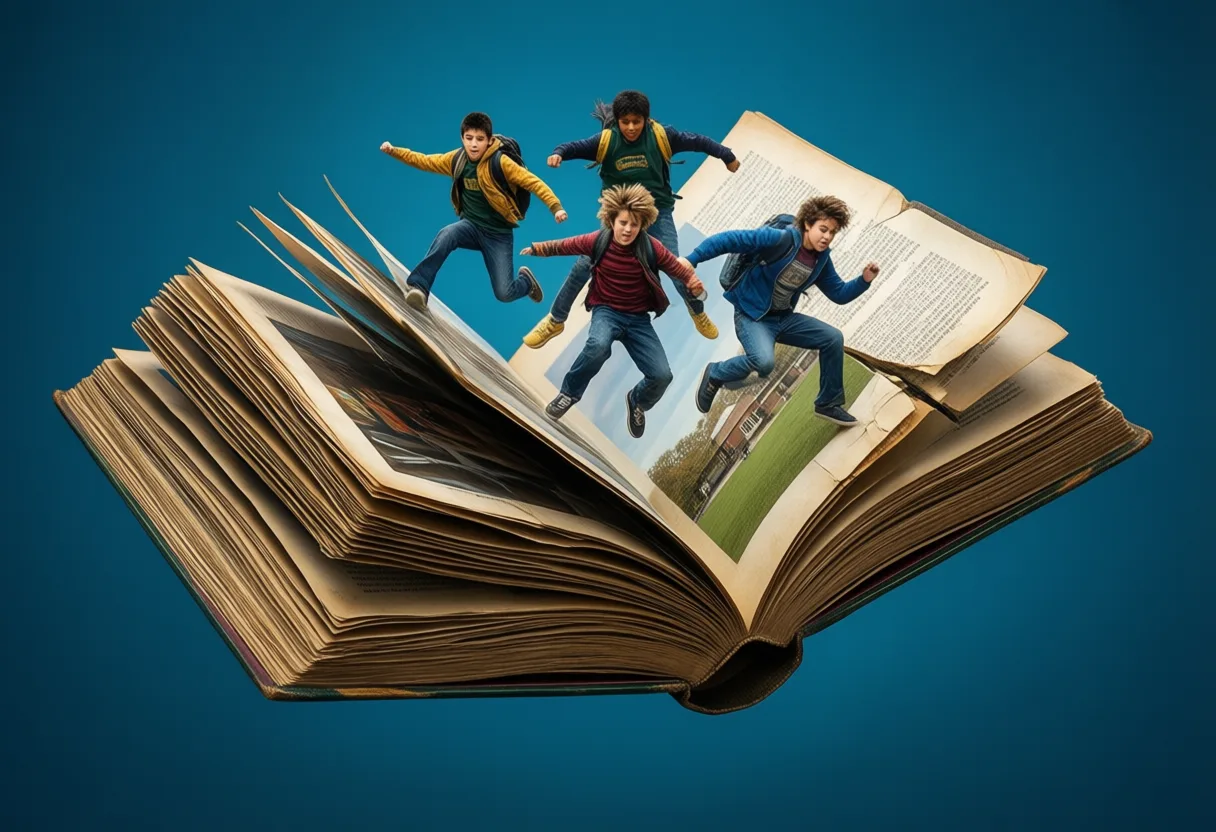
In a world before social media and smartphones, teenagers found their reflections not on screens, but in the flickering glow of movie theaters. Films like The Breakfast Club Didn’t just entertain-they revealed the quiet fractures beneath adolescent life, giving voice to emotions too often dismissed as teenage drama.
What Made 1980s Teen Films Resonate Beyond the High School Hallways?
The 1980s carved a unique space in cinema where High school Wasn’t merely a setting-it became a microcosm of society. These films captured more than passing trends; they mirrored the anxieties of growing up in an era of shifting cultural values and rigid expectations. Teenagers were no longer side characters waiting to grow up-they were at the center of stories that asked real questions.
Unlike earlier portrayals that reduced youth to slapstick or rebellion for its own sake, these movies treated adolescence with emotional seriousness. They acknowledged loneliness, pressure, and identity without resorting to moralizing. The result was a body of work that resonated not only with teens but with anyone who remembered what it felt like to be misunderstood.
For many viewers, seeing themselves in these characters was a rare and validating experience. The dialogue wasn’t polished or artificial-it crackled with awkward honesty, hesitation, and bursts of vulnerability. It was this authenticity that allowed Classic movies Like The Breakfast Club To transcend their time and remain culturally relevant decades later.
The Quiet Rebellion of Adolescence in Cinema
Rebellion in these films rarely came in the form of riots or runaways. Instead, it unfolded in hushed confessions, shared cigarettes, and moments of silence between lines. The act of simply speaking one’s truth-especially to peers from different worlds-was itself revolutionary.
Characters challenged authority not through destruction, but by refusing to be boxed in by labels. A jock admitted he cried. A brain confessed he felt invisible. A princess broke down under the weight of perfection. These weren’t grand acts of defiance, but intimate ruptures in the façade.
And yet, within these small gestures lay immense power. The rebellion wasn’t against parents or principals alone-it was against the idea that people could be reduced to a single role. In that sense, the true revolution happened quietly, in a library during Saturday detention, where five kids realized they were more alike than different.
When Outsiders Became the Main Characters
For much of film history, protagonists were heroes shaped by action, charisma, or destiny. But in the 1980s, something shifted: the outsiders stepped into the spotlight. The misfits, the quiet ones, the ones who ate lunch alone-they were no longer background noise. They became the heart of the story.
These characters didn’t save the world. They saved parts of themselves. Their victories weren’t measured in trophies or triumphs, but in moments of connection-a look, a laugh, a shared mixtape. Their struggles with belonging weren’t framed as flaws, but as evidence of depth.
This shift allowed audiences to see complexity in those so often ignored. The quiet girl wasn’t cold-she was guarded. The rebel wasn’t angry-he was hurting. By centering these perspectives, filmmakers invited empathy instead of judgment. And in doing so, they redefined who deserved to have their story told.

Breaking Down the Archetypes That Felt Real
On paper, the characters in these films often fit familiar molds: the athlete, the outcast, the overachiever, the rebel, the popular girl. But what made them endure was how deeply they complicated those roles. Each archetype served as a starting point-not a destination.
- The brain wasn’t proud of his grades-he was terrified of failure.
- The athlete didn’t love football-he loved approval.
- The rebel wore leather not for style, but as armor.
These layers prevented caricature. Instead of reinforcing stereotypes, the films used them to expose the pressure behind them. The masks these teens wore weren’t chosen freely; they were handed down by parents, schools, and social circles.
By peeling back each layer through conversation, the films revealed a simple truth: everyone is more than their label. And sometimes, it takes sitting across from someone unlike you to finally see yourself clearly.
From Detention to Dialogue: How One Day Could Change Everything
A single day, a single room-these limitations might seem restrictive, but they became the foundation for emotional expansiveness. Confined spaces forced introspection. With nowhere to escape, the characters had no choice but to face each other-and themselves.
What began as resentment turned into curiosity, then understanding. The structure of detention-a punishment meant to isolate-ironically created the conditions for connection. Without distractions, status symbols, or social scripts, the walls between them began to crumble.
This narrative device did more than serve the plot. It suggested that transformation doesn’t always require grand journeys. Sometimes, all it takes is time, silence, and the courage to ask, “Who are you, really?” The answer, when it comes, can change everything.
The Power of Confined Stories with Emotional Expansiveness
Limiting the setting didn’t limit the scope. If anything, the tight geography amplified the emotional stakes. Every glance, every pause, every word carried weight because there was nowhere to hide. The camera lingered not on action, but on reaction.
These films trusted their audience to find meaning in stillness. A character staring out a window wasn’t filler-it was revelation. The way someone folded their arms, avoided eye contact, or finally smiled said volumes. Emotion wasn’t stated; it was lived.
And in that restraint, the stories achieved universality. Though set in a library or a classroom, they echoed experiences far beyond high school. Isolation, longing, the search for identity-these aren’t teenage problems. They’re human ones.
By focusing inward, these films reached outward. They proved that intimacy could be as compelling as spectacle, and that listening could be as powerful as speaking.
Not Just Kids-Portraits of Identity Under Pressure
These films never treated adolescence as a temporary phase to be endured. Instead, they portrayed it as a critical moment of formation-when identity is both fragile and fiercely defended. The characters weren’t “becoming” someone; they were already someone, fighting to be seen.
Parental expectations loomed large, not as cartoonish villains, but as complex forces shaping behavior. A father’s demand for perfection, a mother’s silence, a brother’s legacy-these pressures weren’t shouted, but absorbed. They lived in the way a kid held their shoulders or answered a question.
Social masks were worn not out of deceit, but survival. To reveal too much was to risk rejection. Yet, in small acts of trust-sharing a secret, admitting fear-the characters began to shed those masks. It wasn’t about becoming someone new, but uncovering who they’d been all along.
Navigating Parental Expectations and Social Masks
Many of these characters carried burdens that had nothing to do with homework or prom. They carried the weight of parental dreams, family reputations, and unspoken rules. Success wasn’t defined by happiness, but by compliance.
One wanted to please a father who valued toughness over tenderness. Another feared disappointing parents who sacrificed everything. Another simply wished to be noticed. These weren’t subplots-they were the core of their pain.
Yet, within the safety of newfound friendship, they began to imagine alternatives. What if worth wasn’t earned? What if being honest was enough? The realization didn’t fix everything, but it offered relief. For the first time, they weren’t performing. They were present.

The Soundtrack as a Silent Character
Music in these films didn’t just fill silence-it shaped mood, marked turning points, and gave voice to feelings words couldn’t reach. A song could signal rebellion, sorrow, or the fragile hope of connection. It wasn’t background noise; it was emotional scaffolding.
Instrumentals swelled not during chases or battles, but during glances and confessions. Lyrics echoed inner thoughts the characters hadn’t yet spoken aloud. A well-placed track could turn a moment of stillness into a revelation.
Consider how 7 Secrets Of The Breakfast Club Radio Success explores the cultural ripple of radio play in amplifying teen angst-music didn’t just accompany these films, it extended their reach into bedrooms, cars, and Walkmans everywhere. It became the private companion to public isolation.
How Music Framed a Generation’s Inner Turmoil
The soundtracks blended urgency with melancholy-synth lines that pulsed like heartbeats, guitars that ached with restraint. These weren’t pop anthems celebrating youth; they were ballads questioning it. The music didn’t sell a fantasy-it reflected a reality.
Songs became anthems not because they were loud, but because they were honest. They spoke of confusion, alienation, and the desire to be known. Teens didn’t just listen; they identified. A lyric could feel like it was written just for them.
In a pre-digital era, music was personal in a physical way-cassette tapes passed between friends, mixtapes painstakingly curated, radio stations tuned in like secrets. The soundtrack wasn’t just part of the film-it became part of the viewer’s life.
Why These Films Still Spark Conversations in Classrooms
Decades later, these films continue to appear in lesson plans, not because they’re nostalgic, but because they teach empathy. Teachers use them to open discussions about identity, mental health, and social dynamics. They remain tools for understanding, not relics of the past.
Students today-raised in a digital world-still recognize the loneliness, the pressure to conform, the struggle to speak up. The technology has changed, but the emotional landscape hasn’t. These films offer a mirror, even when the setting feels distant.
They also model dialogue-how to listen, how to share, how to move from judgment to understanding. In a culture often divided, these stories remind us that common ground can begin with a simple question: “Do you ever feel like you don’t belong?”
Lasting Lessons on Empathy and Misunderstood Youth
At their core, these films argued that no one is just one thing. The jock, the brain, the rebel-labels collapse under the weight of real conversation. What matters isn’t the category, but the person beneath.
They taught that empathy isn’t assumed-it’s earned through time and attention. It grows in the space between sentences, in the willingness to stay present when someone says, “You don’t understand me.” And then, slowly, beginning to.
By taking teenage pain seriously, these films validated a generation-and continue to validate new ones. They reminded us that being young doesn’t make suffering less real. If anything, it makes it more urgent.
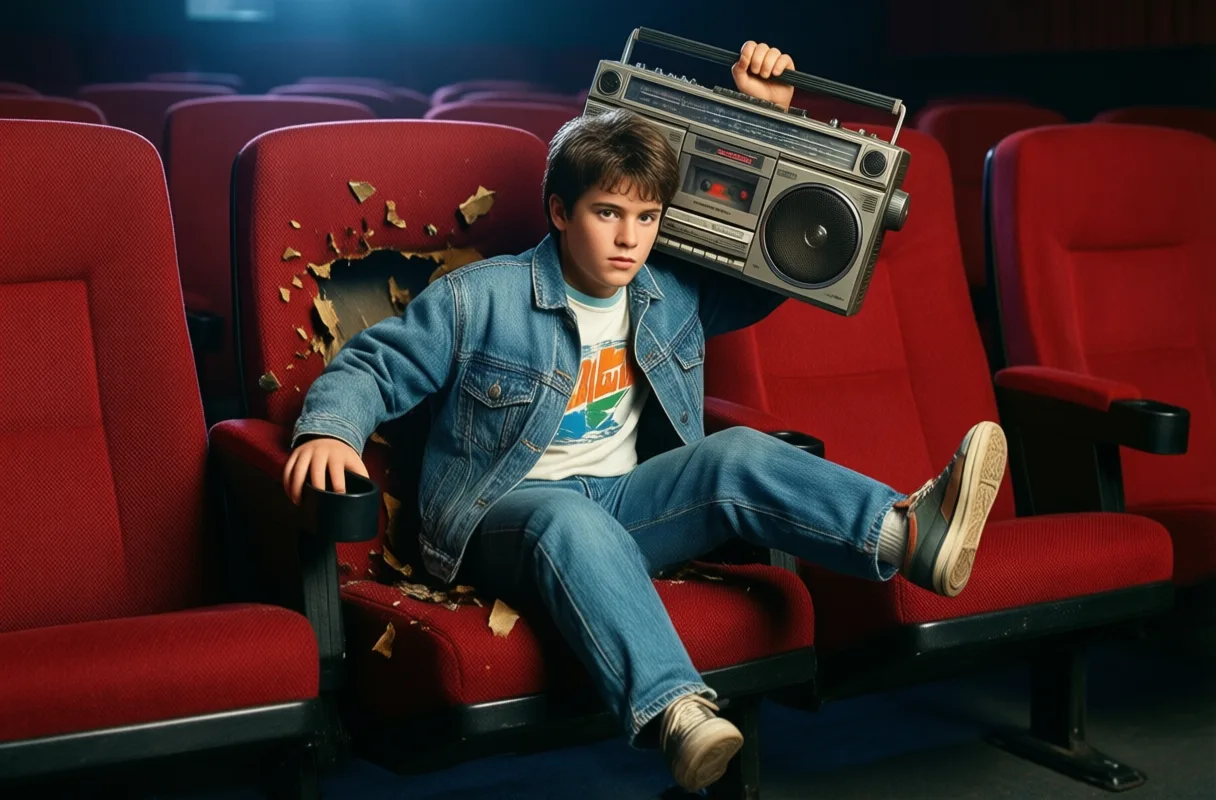
Beyond the Locker Rooms: The Social Hierarchies We All Knew
High school in these films wasn’t just a place-it was a caste system. Cliques formed not by chance, but by unspoken rules reinforced by students and adults alike. Status wasn’t questioned; it was inherited.
Yet, these films exposed the fragility of that hierarchy. Strip away the uniforms, the hallways, the titles, and what remains? Five kids, sitting in a circle, realizing they’re all afraid of the same things. The divisions that seemed absolute suddenly looked arbitrary.
They showed that social hierarchies thrive on silence and separation. But put different worlds in the same room, force them to talk, and the myths begin to break. The popular girl envies the outcast. The athlete fears being ordinary. The brain wishes he were cool.
Depicting Division Without Resorting to Stereotypes
What set these films apart wasn’t just that they showed cliques-but that they dismantled them. They didn’t mock the categories; they investigated them. Each character began as a type, but evolved into an individual.
The films resisted easy answers. No one was fully heroic, fully villainous, or completely transformed. Growth was partial, messy, uncertain. But it was real.
And in refusing to simplify, they honored their audience. Teens could sense condescension; these films offered respect. They didn’t preach unity-they demonstrated how it might begin, one hesitant confession at a time.
The Legacy of Authentic Teen Voices in a Pre-Digital Era
Before algorithms curated identities and feeds dictated self-worth, teenagers navigated their worlds in relative silence. There were no likes, no comments, no digital echoes. Emotions were internalized-or shared face-to-face, in whispers, in notes passed in class.
These films captured that intimacy. They thrived in the unrecorded moments: a shared earbud, a note folded in a palm, a confession spoken under fluorescent lights. The lack of technology didn’t diminish the stakes-it heightened them. Every word mattered because it couldn’t be taken back.
In that silence, these stories found resonance. They listened to teens instead of talking at them. They didn’t offer solutions-they offered recognition. And sometimes, that’s the most powerful thing a film can do.
A Final Look at Films That Listened Instead of Preached
Looking back, the enduring power of these films lies not in nostalgia, but in fidelity-to emotion, to character, to the quiet truths of adolescence. They didn’t try to be timeless; they simply refused to lie.
They understood that being young isn’t about rebellion or romance-it’s about figuring out who you are while everyone else insists they already know. And they knew that sometimes, the loudest statements are made in silence.
Today, as we scroll through curated lives and perform our identities, these films remind us of the value of stillness, of presence, of real talk. They remain not because they defined a generation, but because they saw it clearly.
More Than Just Detention: The Lasting Pulse of 80s Teen Cinema
Small Budget, Big Impact
The Breakfast Club Wasn’t a flashy production. Shot in just over a month inside a real, empty high school, the film operated on a tight budget, relying heavily on sharp dialogue and authentic performances rather than special effects or exotic locations. Despite its modest scale, it captured something real about teenage life that resonated far beyond suburban Chicago. Its success proved that stories focused on character and emotion could strike a powerful chord with audiences.
Soundtrack as Character
You can't think of these films without hearing them. The music in The Breakfast Club And similar movies from the era didn’t just play in the background-it helped define the mood and voice of a generation. Simple, synth-driven tracks and emerging alternative bands gave these films an identity all their own. The songs weren’t just additions; they were emotional anchors, turning key scenes into lasting memories. Hearing certain chords instantly pulls viewers back to those quiet library moments or rooftop confessions.
Real Schools, Real Stories
Many of these classics were filmed in actual schools or neighborhoods, lending an undeniable authenticity. The hallways felt familiar because they Were Real hallways, often slightly worn and unglamorous. This grounded approach made the struggles and breakthroughs of the characters feel more genuine. These weren't idealized teens in perfect worlds-they were kids figuring things out in places that looked and felt like where many people actually grew up. Explore more stories, videos, and creators on Loaded.
Frequently Asked Questions
Why do 1980s teen films like The Breakfast Club still resonate today?
These films treated adolescence with emotional seriousness, capturing loneliness, pressure, and identity in ways that remain relatable. Their authenticity allows new generations to see themselves in the characters.
How did The Breakfast Club portray teenage rebellion?
Rebellion was shown through quiet acts like speaking one’s truth or sharing vulnerabilities. The film focused on emotional honesty rather than grand gestures of defiance.
What role did music play in these films?
Music shaped mood and marked emotional turning points. Songs became emotional anchors, giving voice to feelings words couldn’t express and turning scenes into lasting memories.
How did these films break down high school stereotypes?
Characters began as archetypes but evolved into complex individuals through dialogue and vulnerability. The films revealed inner struggles that dismantled superficial labels.
This article was produced with AI assistance. How Silver Screen Magazine uses AI.
Simone Reyes tracks shifts in film distribution and digital platforms with clarity and foresight, translating complex trends into accessible insights. She bridges the gap between corporate moves and viewer experience, illuminating how the business shapes what we watch.