Love doesn’t age. It smolders in black and white, flares in Technicolor, and lingers in silence long after the credits roll. Some stories don’t just tell us about romance-they make us believe in it, ache for it, and sometimes, rewrite how we see our own hearts. And if you’ve ever watched The Notebook And felt that slow, gut-punch of longing, you’re not alone.
What Makes a Romance Film Truly Timeless?
It’s not just chemistry. It’s not just a sweeping score or a rain-soaked kiss. A truly enduring Romance film Captures something raw and real-The messy, stubborn persistence of love when everything else says to let go. You see it in the way two people look at each other, not just in moments of joy, but in the quiet ones: a shared glance across a crowded room, a hand held too tightly, a hesitation before a goodbye.
These films endure because they refuse to pretend love is easy. They don’t sell fairy tales with perfect endings. Instead, they show love as a choice-repeated, tested, and often painful. The best ones leave you with a kind of emotional residue, Like You’ve lived a lifetime in two hours.
Consider how often the most memorable scenes are the simplest. A couple dancing in a kitchen. A whispered promise at dawn. The kind of moments that don’t make headlines but define relationships. That’s the magic. It’s not spectacle. It’s Intimacy forged in authenticity.
The Emotional Pull of Doomed Love Stories
There’s a peculiar ache in loving something you know can’t Last. Doomed love stories tap into that universal fear-That even the most powerful connection can be shattered by time, circumstance, or fate. They don’t shy from tragedy, and that’s what makes them unforgettable.
Think of the way a film can make you root for two people even as the walls close in. War, illness, class divides-these aren’t just plot devices. They’re real obstacles that echo through history and personal experience. When lovers fight against them, we see our own battles reflected.
And yet, the tragedy isn’t always in the ending. Sometimes, it’s in the Almost. The love that Burns Too bright to last. The one that changes both people forever, even if they don’t end up together. That’s the quiet devastation that lingers.
- The heartbreak isn’t just in loss-it’s in the beauty of what was.
- These stories remind us that love doesn’t need a happy ending to be meaningful.
- In fact, the pain often deepens the memory, making the love feel more real.
Why Some Couples Resonate Across Generations
Not every on-screen couple becomes iconic. But the ones that do-They feel inevitable. You can’t imagine the story without them, or them without each other. It’s not just casting. It’s alchemy.
There’s a rhythm to their interactions, a shorthand that suggests years of history, even if we’ve only seen days. You believe they’ve argued over breakfast, survived crises, laughed until they cried. That depth makes them feel lived-in, not manufactured.
And audiences keep returning because these couples reflect different versions of love we recognize: passionate, tender, flawed, enduring. Whether it’s a whirlwind affair or a slow burn, They mirror the complexities we’ve felt or hope to find.
They also survive cultural shifts. What resonated in the 1940s still hits in the 2020s because the emotions are universal. Love, jealousy, forgiveness-none of these have expiration dates. The clothes change. The music evolves. The heart stays the same.
How Setting Elevates a Love Story Beyond Its Era
A great love story can happen anywhere-but the right setting makes it unforgettable. The backdrop isn’t just scenery. It’s a character in its own right, shaping the romance with mood, limitation, and beauty.
A coastal town in the 1940s does more than provide pretty views. It isolates the lovers, creates social pressure, and wraps their passion in a kind of nostalgia before it’s even over. The humidity, the porch swings, the handwritten letters-They all feed the emotional temperature of the story.
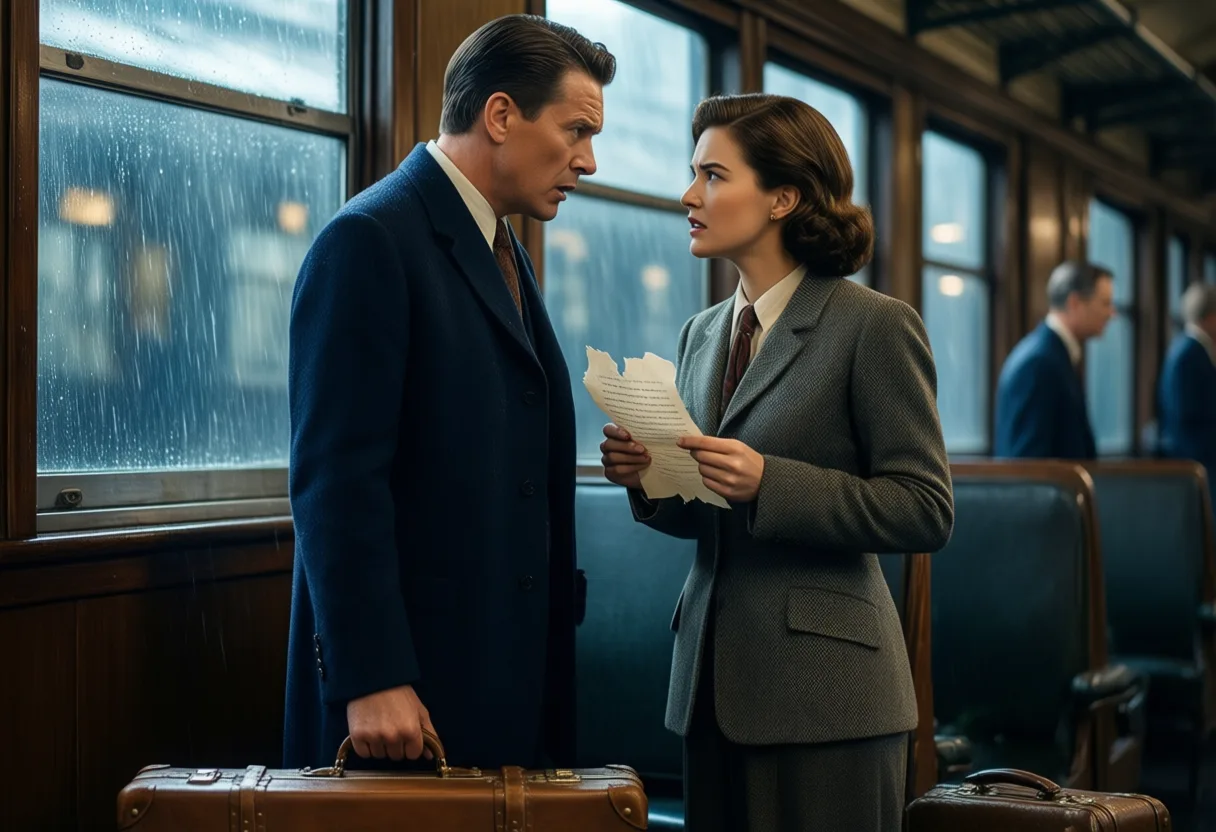
Period pieces especially use setting to deepen longing. When modern convenience is stripped away, love becomes more deliberate. A train journey takes days. Communication is slow. Every decision carries weight. That slowness forces intimacy.
- A wartime ballroom feels electric because everyone knows time is short.
- A rural farm in the 1930s makes love feel like survival.
- A bustling city can make two people finding each other seem like fate.
The Role of Letters and Personal Mementos in Deepening Connection
Before texts and video calls, love lived on paper. Letters were lifelines-Charged with emotion, delayed by distance, preserved by hope. In classic romance films, they’re not just props. They’re proof.
A folded note, a pressed flower, a worn photograph-these objects carry weight. They’re tangible evidence of a feeling that can’t be seen. And when a character reads a letter years later, we feel the years collapse in that moment.
There’s something deeply human about holding a piece of someone you love, even if it’s just ink on paper. It makes absence bearable. It turns memory into ritual. And in film, these objects often become the emotional climax.
Imagine a scene where a trembling hand opens an envelope decades later. No music. No dialogue. Just the sound of paper unfolding. That silence speaks louder than any confession. The past isn’t gone-it’s waiting in a drawer, in a box, in a pocket.
Can Love Survive Against All Odds?
That’s the question every great romance film dares to ask. Not whether love is possible, but whether it’s Durable. Can it outlast war, illness, betrayal, time? The best stories don’t offer easy answers. They show the fight.
Love in these films isn’t passive. It’s active resistance. It’s showing up when you’re not asked. It’s staying when leaving would be easier. It’s choosing someone again and again, even when they’ve changed, even when you’ve changed.
And sometimes, survival doesn’t mean a shared future. It means the love Matters, regardless of the outcome. That it shaped lives, altered destinies, left a mark too deep to erase.
- Survival isn’t always measured in years together.
- It can be in a single act of forgiveness.
- Or a decision to remember, not forget.
The Quiet Power of Everyday Devotion
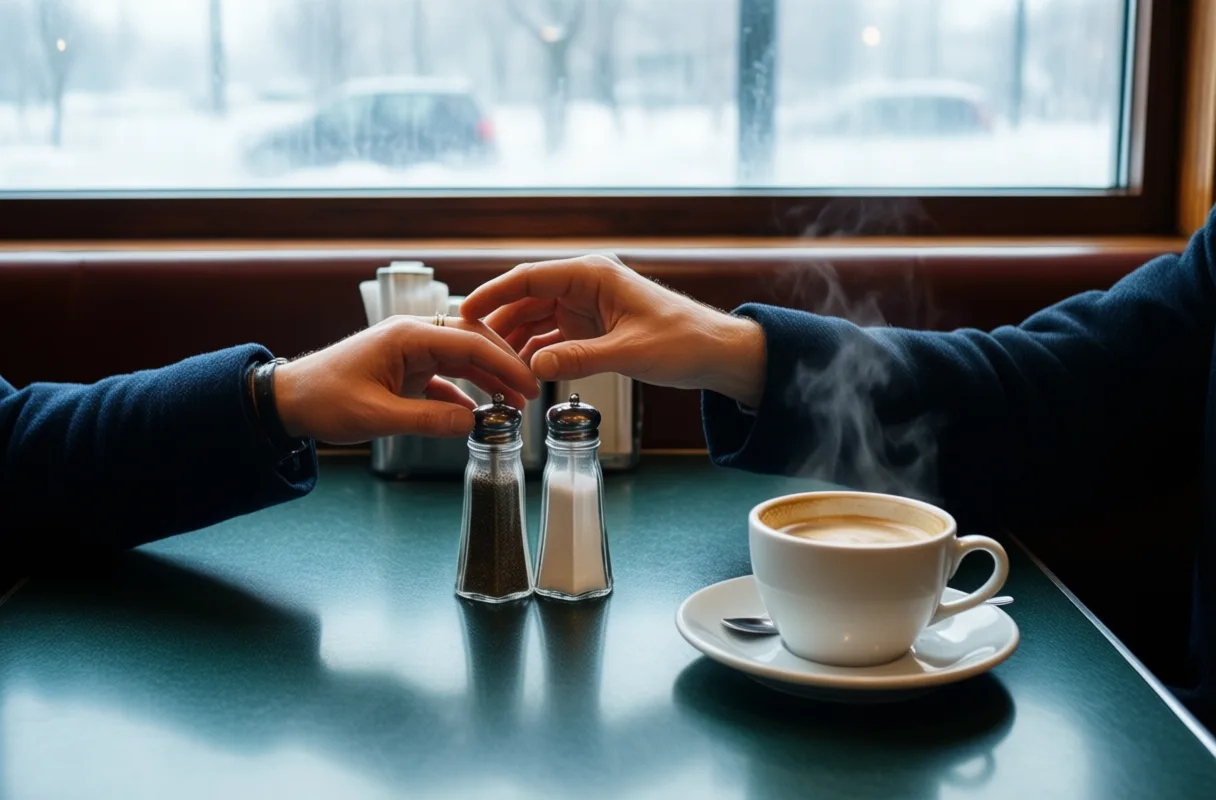
Not every grand romance involves grand gestures. Some of the most powerful moments happen in silence-A spouse bringing coffee to a sick partner, a hand held during a hospital wait, a routine dinner after decades of marriage.
These scenes don’t scream for attention. They whisper. But they carry the weight of commitment. They show love not as fireworks, but as a steady flame that refuses to die.
In a genre often accused of being overly dramatic, these quiet acts feel revolutionary. They suggest that True romance isn’t in the proposal on a bridge-it’s in showing up, day after day, when no one’s watching.
And audiences recognize it. Because most of us don’t live in cinematic extremes. We live in routines. In small kindnesses. In the way someone folds your laundry or saves you the last bite. That’s where love often lives-in the unremarkable, the ordinary, the daily.
When Fate Intervenes - and Love Persists
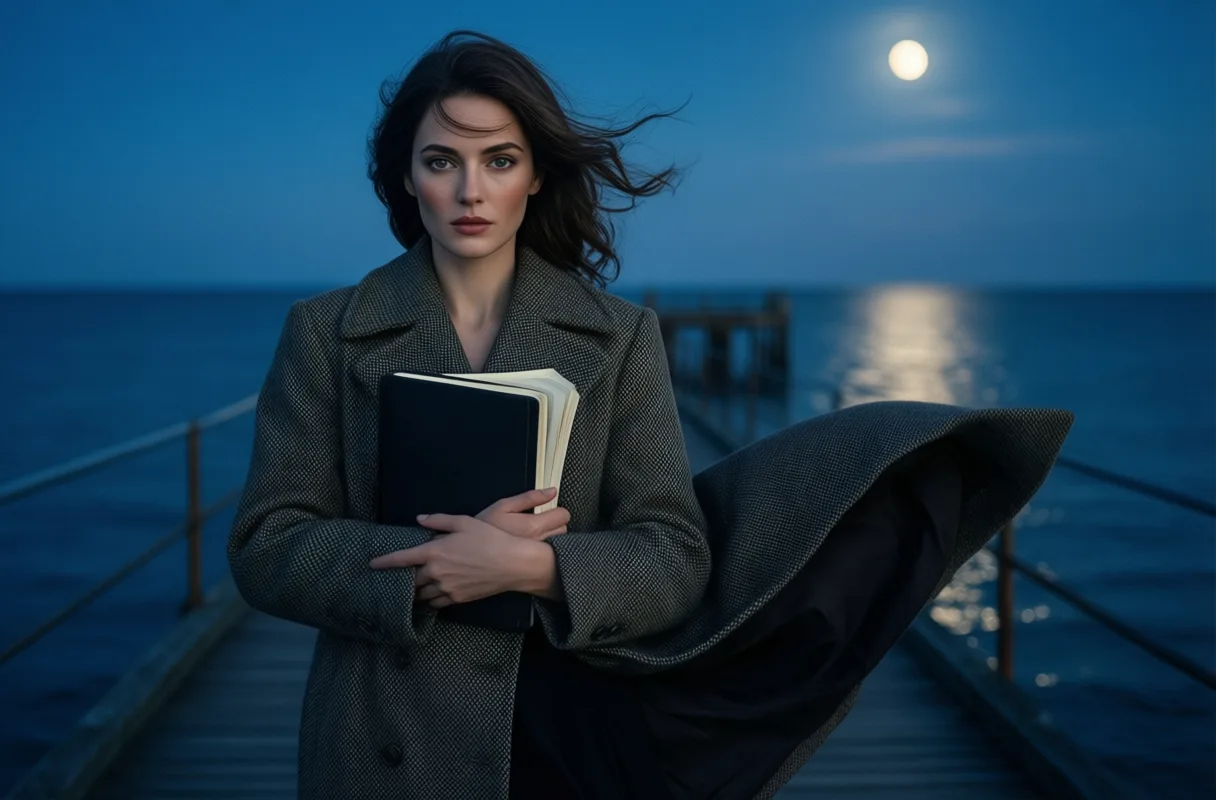
Fate has always had a role in romance films. A missed train. A chance meeting. A war that separates, then reunites. But the real story isn’t in the twist of fate-it’s in what happens after.
Because fate can bring two people together, but it can’t make them stay. That’s where choice comes in. And the most compelling stories are those where love persists Despite Fate’s interference, not because of it.
You see it in the way a character searches for someone years later. Or keeps a promise made in youth. Or returns to a place that holds only heartbreak, just to feel close again. That’s not destiny-that’s devotion.
And it’s more moving because it’s earned. It’s not magic. It’s memory. It’s will. It’s the refusal to let go, even when the universe says to.
Lessons Hidden in the Silence Between Lines
Some of the most powerful moments in romance films aren’t spoken. They live in the pause before a kiss. In a look held a second too long. In the way someone turns away to hide tears.
Dialogue tells us what’s happening. But silence tells us how it Feels. And the best films understand that What’s left unsaid often carries the most weight.
A character might never say “I love you,” but we know they do-because of how they linger in a doorway, or how they touch a photograph, or how they risk everything without explanation.
These silences aren’t empty. They’re full of history, regret, hope. They invite the audience in, asking us to feel, not just watch. And that’s where connection happens-not in the lines, but in the space between them.
Finding Forever in Fleeting Moments
Romance films like The Notebook Don’t promise forever. They promise Meaning. They teach us that forever isn’t always measured in years-it can be found in a single afternoon, a single touch, a single decision to stay.
The most enduring stories aren’t about perfection. They’re about presence. About two people choosing each other in the moment, knowing it might not last. That’s the real triumph.
And maybe that’s why we keep coming back. Not for the fantasy, but for the truth hidden inside it: That love, however brief, can change everything.
We don’t need a lifetime to know something is real. Sometimes, we just need a glance, a letter, a memory-and the courage to hold on.
When Love Stories Stand the Test of Time
More Than Just a Tearjerker
The Notebook Wasn’t the first romance to make audiences reach for tissues, but it did bring a modern spotlight to a genre with deep roots. Long before Noah and Allie rebuilt their love by the lake, classic films like Casablanca And Gone with the Wind Set the gold standard for sweeping, emotionally charged relationships shaped by war, separation, and impossible choices. These older films often wove romance into larger historical backdrops, making the personal feel epic. Casablanca, for example, turns a love triangle into a powerful statement about sacrifice, with lines like “Here’s looking at you, kid” becoming timeless not just for their sentiment, but for the weight of the moment they carry.
Small Details, Big Impact
One fun bit of movie magic? The iconic rain-soaked kiss in The Notebook Was actually chilly work-Ryan Gosling and Rachel McAdams did take after take in cold downpours, which only added to the raw intensity of the scene. And while An Affair to Remember Might seem overly sentimental today, its central promise-a reunion atop the Empire State Building-inspired real-life meetings decades later, proving how deeply such stories can resonate. Even the music plays a role: the haunting piano theme from The Notebook Was inspired by older romantic scores that used simple melodies to echo the ache of longing.
Why These Films Stick Around
Romances like The English Patient Or Love Story Endure because they don’t shy away from pain. They treat love as something worth fighting for, even when it hurts. That emotional honesty-paired with lush cinematography and performances that feel real-keeps audiences coming back. It’s not about perfection; it’s about connection, second chances, and the kind of love that lingers long after the credits roll.
Frequently Asked Questions
What makes a romance film truly timeless?
A timeless romance film captures the raw, real persistence of love when everything else says to let go. It shows love as a repeated, tested choice rather than a fairy tale with a perfect ending.
Why do doomed love stories resonate with audiences?
Doomed love stories tap into the universal fear that powerful connections can be shattered by time or fate. They show love as meaningful even without a happy ending, deepening its emotional impact.
How does setting influence a love story's lasting power?
The setting acts as a character, shaping the romance with mood, limitation, and beauty. Period details like handwritten letters or wartime ballrooms deepen longing and emotional weight.
What role do letters and mementos play in classic romance films?
Letters and personal objects serve as tangible proof of love, carrying emotional weight across time. They often become the climax of a film, turning memory into ritual and making absence bearable.
This article was produced with AI assistance. How Silver Screen Magazine uses AI.
Rohan Kilpatrick dissects the personal lives of stars with wit and precision, balancing insider access with ethical awareness. He delivers the latest whispers and headlines with a sharp eye for irony, never sacrificing style for sensationalism.