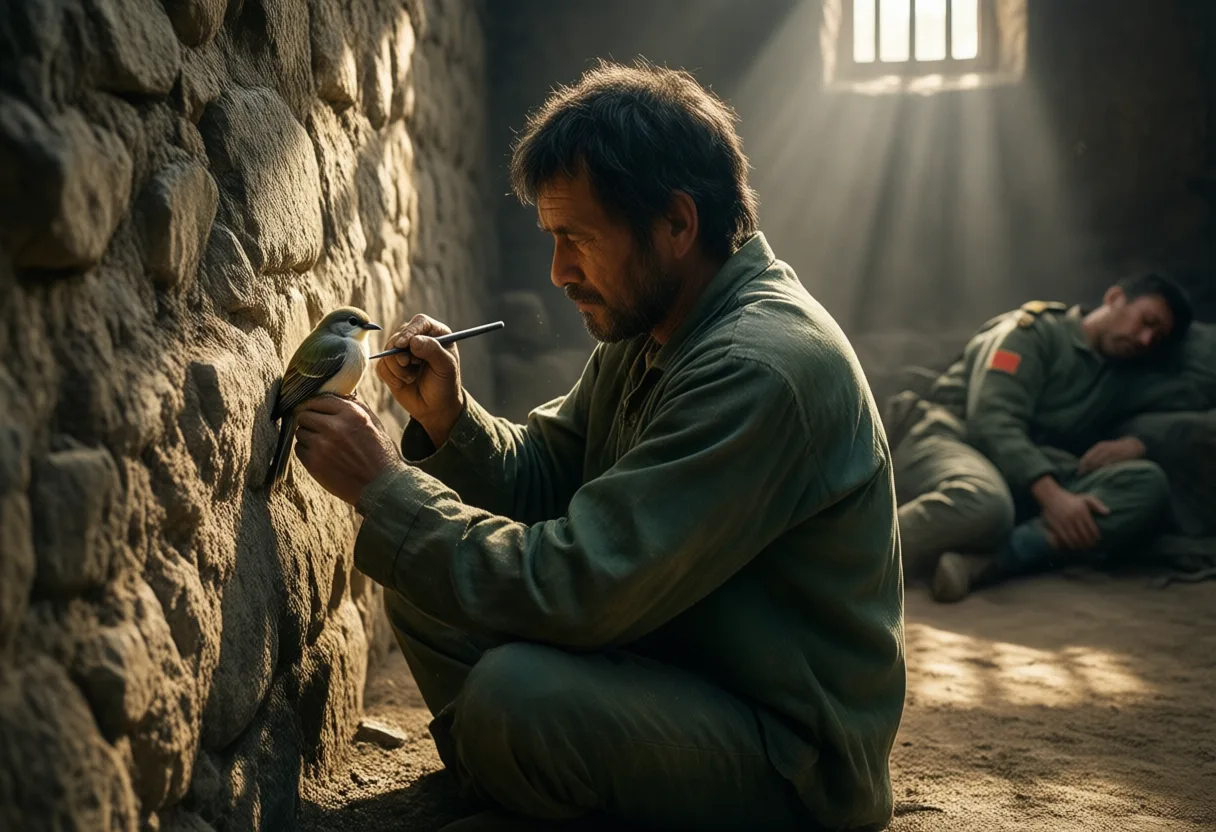
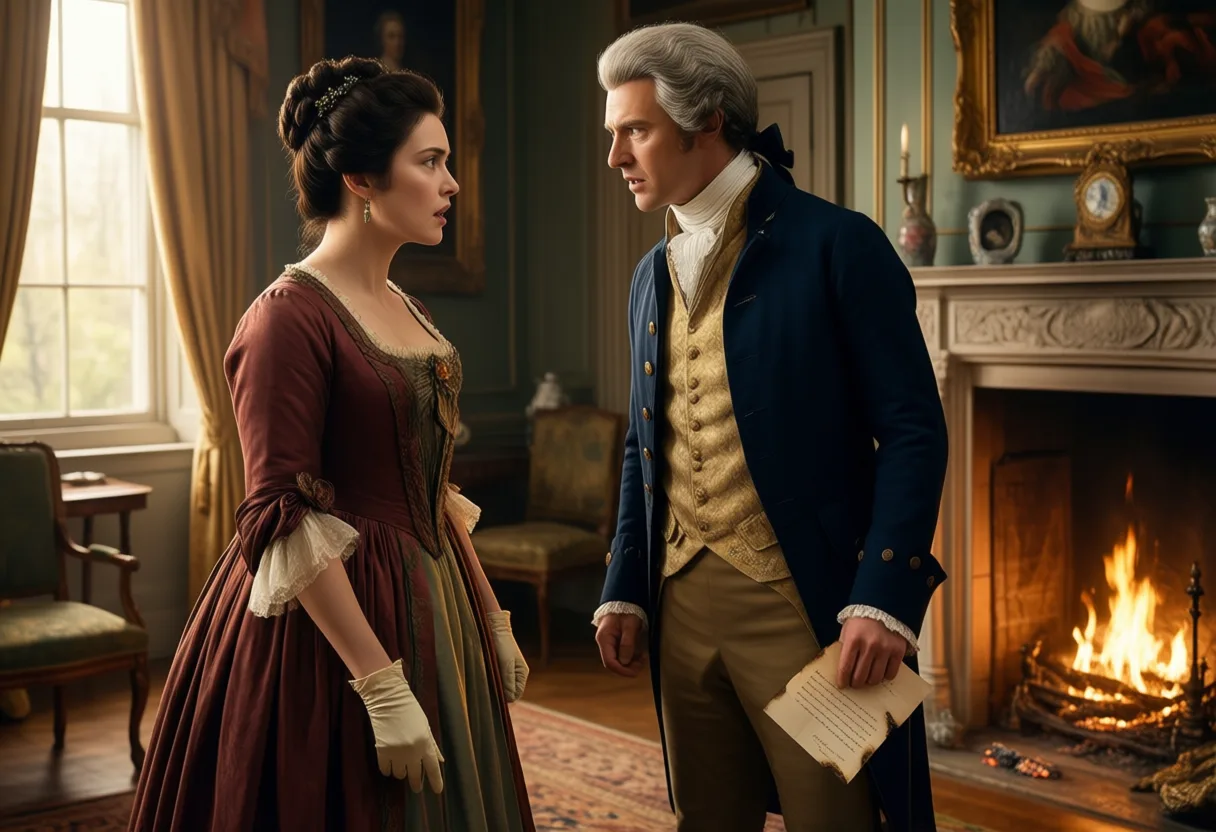
Romance in cinema often leans on grand declarations and sweeping gestures, yet the most enduring love stories whisper rather than shout. Films That linger in the heart are built not on spectacle, but on the quiet tension between characters-glances held too long, words carefully chosen, emotions restrained by decorum. These are the stories where love unfolds not in fireworks, but in the subtle shift of a glance or the weight of an unspoken truth.
What Makes a Romance Truly Timeless on Screen?
Timeless romantic films transcend their era not because they offer perfect endings, but because they understand the complexity of human connection. The most memorable portrayals of love are rooted in emotional authenticity, where Characters grow Not just toward each other, but into fuller versions of themselves. These stories do not rely on fate alone, but on choices-small, deliberate decisions that reveal courage, vulnerability, and self-awareness.
The settings may be period costumes and candlelit drawing rooms, but the emotional terrain is universal. What endures is not the setting, but the honesty of the characters’ inner lives. Audiences return to these films because they reflect not fantasy, but the Quiet Yearning beneath everyday restraint. These are not romances that conquer time, but ones that understand it.
A lasting on-screen love story often resists the urge to explain everything. Instead, it trusts the audience to read between the lines-to feel the current beneath still waters. This restraint creates space for viewers to project their own hopes and regrets, making the experience deeply personal. The best of these films become mirrors, not just entertainment.
The Allure of Restraint: When Glances Speak Louder Than Words
In the most resonant romantic films, silence often carries more meaning than dialogue. A character’s refusal to speak, or the hesitation before a reply, can convey volumes about pride, fear, or longing. These moments are not empty-they are charged with what cannot yet be said, held back by propriety, past wounds, or societal expectation.
Consider the power of a shared look across a crowded room, where years of misunderstanding hang in the balance. Such scenes thrive on subtlety, relying on performance and composition to communicate inner transformation. The camera lingers not on embraces, but on the space between two people-narrowing, widening, charged with possibility.
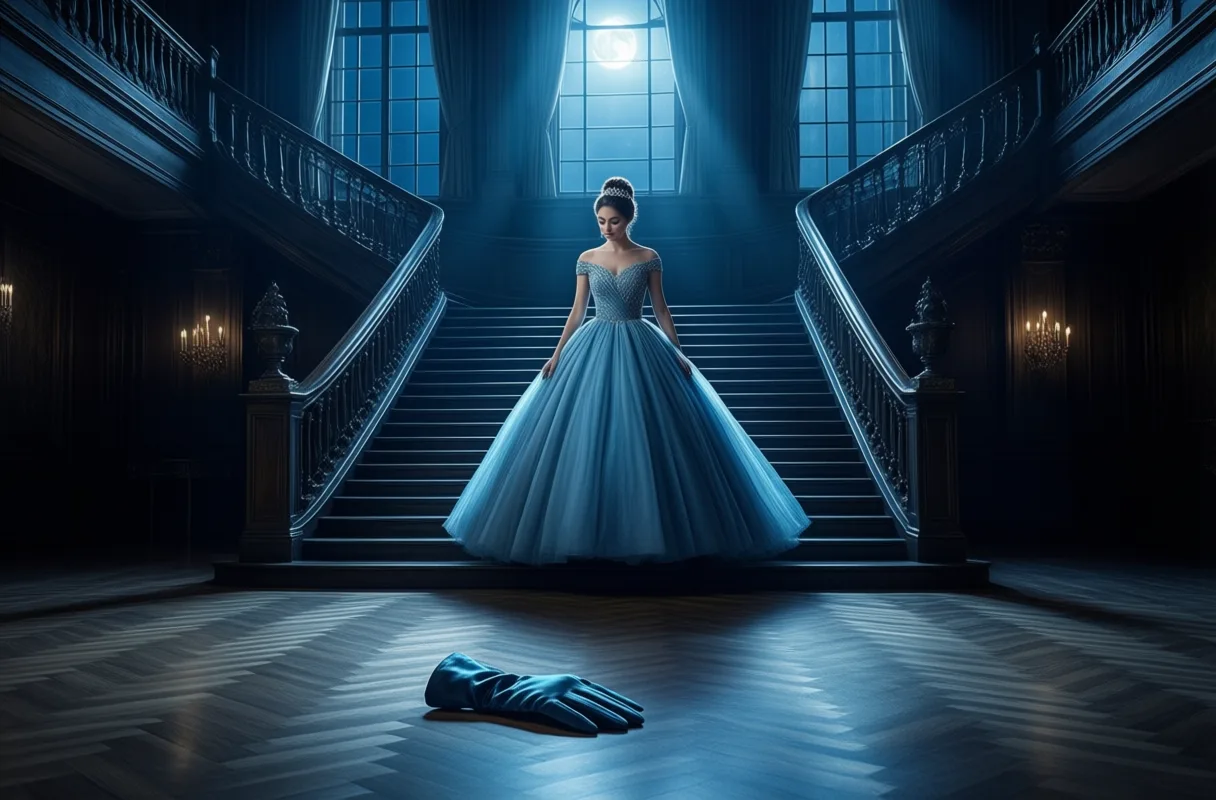
This restraint is not a limitation of the past, but a narrative strength. When words are scarce, every gesture gains weight. A glove adjusted, a book returned, a name softly spoken-these become emotional milestones. The audience learns to listen not just to what is said, but to what is withheld.
Social Barriers as Love’s Greatest Obstacle
Love in classic cinema often contends with forces larger than the individuals involved. Class, family duty, and rigid social codes shape the boundaries within which affection must grow-if it can grow at all. These barriers are not mere plot devices; they reflect real historical and emotional constraints that give the romance its stakes.
When two people are drawn together despite differences in status or upbringing, their connection becomes an act of quiet rebellion. The tension isn’t just romantic-it’s moral, political, even existential. To love across such lines is to risk not only heartbreak, but ostracism, ruin, or loss of identity.
Yet it is precisely this resistance that makes the eventual union meaningful. The triumph is not just in finding love, but in earning it-through endurance, integrity, and quiet defiance. The obstacle isn’t incidental; it is the crucible in which true feeling is tested and proven.
Wit and Banter: The Unsung Engine of Lasting Chemistry
In many enduring romances, the spark isn’t ignited by a kiss, but by a sharp retort or a well-timed quip. Dialogue becomes a dance, a way for characters to test each other’s intelligence, values, and emotional depth. This isn’t mere flirtation-it’s a form of mutual discovery.
Wit serves as both armor and invitation. Characters use humor to deflect vulnerability, yet in doing so, they reveal more than they intend. The rhythm of their exchanges-pauses, interruptions, lingering silences-becomes a language of its own. A clever line can be a confession in disguise.
The best romantic banter doesn’t overshadow emotion; it deepens it. When two people can challenge each other intellectually, their eventual emotional surrender feels earned. Their love isn’t just felt-it’s understood. And that understanding, built word by word, is what makes it last.
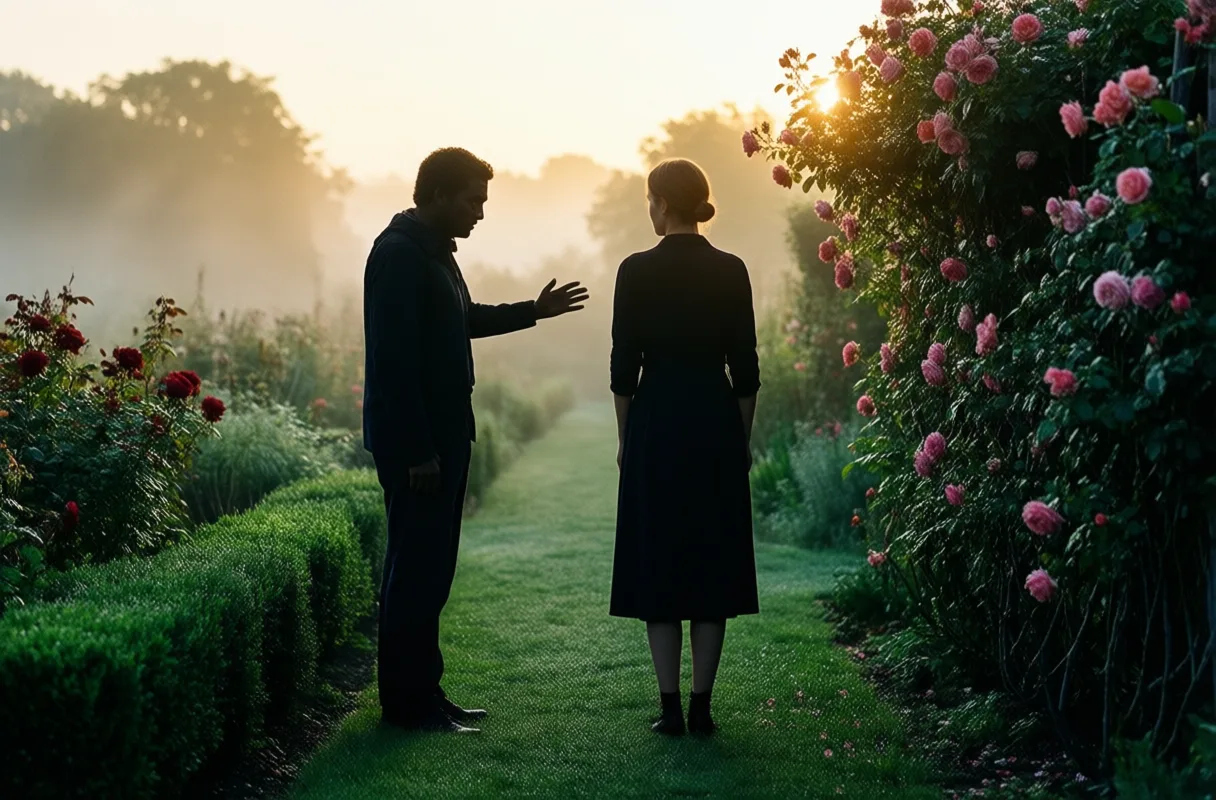
Beyond the Ballroom: 9 Classic Films That Capture Love in Full Bloom
Classic cinema offers a rich tapestry of romantic narratives that echo the emotional depth and narrative grace of Pride & Prejudice. These films explore love not as a destination, but as a journey shaped by restraint, circumstance, and personal growth. Each one captures a unique variation on the theme of connection against the odds.
Set in worlds where decorum governs behavior, these stories find drama in the unspoken and the barely permitted. The settings may be distant, but the emotions are immediate. What unites them is a belief that love is not just passion, but a choice made quietly, repeatedly, over time.
They are not defined by their era, but by their insight into human nature. These are films that reward patience, inviting viewers to lean in, to listen closely, to feel the weight of a single gesture. They remind us that the most powerful moments in love are often the smallest.
1. A Meeting of Minds in a World of Manners
In some of the finest romantic films, love begins not with attraction, but with recognition. Two people see something in each other-a clarity of thought, a moral stance, a refusal to conform-that commands respect before it stirs affection. The courtship is intellectual long before it becomes emotional.
This dynamic elevates the romance beyond mere infatuation. The characters are not drawn together by impulse, but by alignment-of values, of wit, of worldview. Their connection is built on conversation, challenge, and the slow realization that they are, in some essential way, companions.
The resolution feels satisfying not because it is inevitable, but because it is earned. The lovers do not simply find each other; they become worthy of each other. The final union is not an escape, but a homecoming to a shared understanding.
2. Forbidden Bonds Forged in Quiet Defiance
Some of the most powerful love stories unfold in the shadow of prohibition. Whether constrained by class, family, or societal expectation, the lovers must navigate a world that refuses to acknowledge their bond. Their affection grows not in spite of this, but because of it-fueled by shared secrecy and mutual courage.
The tension in these films comes not from whether the lovers will meet, but whether they will have the strength to choose each other openly. The stakes are high: to love is to risk everything-reputation, security, belonging. Yet the cost of not loving may be even greater.
These narratives resonate because they reflect real struggles. The defiance is not theatrical, but quiet-a look held too long, a letter kept hidden, a decision made in solitude. The romance becomes an act of integrity, not just emotion.
3. Love Interrupted by Duty and Distance
In many classic films, love is not lost to indifference, but to obligation. War, service, family duty-these forces pull lovers apart not through malice, but through circumstance. The separation is not a plot device, but a test of endurance and memory.
The passage of time becomes a character in these stories. Letters arrive late, photographs fade, promises are kept in silence. The question is not whether love exists, but whether it can survive absence, change, and the slow erosion of hope.
When reunion comes, it is not guaranteed. The lovers must choose each other anew, not as they were, but as they have become. The emotional payoff lies in the recognition that love, to endure, must be renewed.
4. The Slow Burn of Unspoken Affection
Some of the most affecting romances unfold without a single declaration. Feelings simmer beneath routine interactions-shared meals, passing remarks, accidental touches. The audience sees what the characters will not yet admit: that something profound is growing.
This pacing allows for emotional realism. The characters are not swept away; they resist, rationalize, and doubt. Their eventual surrender feels not like surrender at all, but like clarity-long delayed, but deeply felt.
The power of these films lies in their patience. They understand that real love often arrives not with a bang, but with a quiet realization: that the person beside you has become indispensable. The moment of acknowledgment is all the more powerful for its simplicity.
5. Second Chances Amid Shifting Fortunes
Life changes people-sometimes for the better, sometimes for the worse. In some classic films, love is not a first discovery, but a rediscovery. Characters who once misunderstood or misjudged each other meet again under new circumstances, older and wiser.
These stories are built on regret, growth, and the possibility of change. The past is not erased, but acknowledged. The characters must confront not only what they once were, but what they failed to see. Forgiveness-of self and other-becomes central.
The romance feels earned because it is built on reflection. There is no illusion of perfection; instead, there is the quiet hope that two people, having learned from their mistakes, might now choose each other with open eyes.
6. Mismatched Hearts Finding Common Ground
Not all great romances begin with symmetry. Some of the most compelling stories pair opposites-not for comedy, but for contrast. A reserved character meets one who is bold; a realist confronts a dreamer; a cynic encounters an idealist.
The friction between them is not a flaw, but a source of growth. Each challenges the other’s assumptions, expands their worldview, and reveals hidden vulnerabilities. Over time, difference becomes complementarity.
The resolution is not about one changing for the other, but about mutual transformation. They do not become the same; they become attuned. The love that emerges is not inevitable, but chosen-a bridge built across difference.
7. Letters That Carry the Weight of Longing
In an age before instant communication, letters were vessels of intimacy. In many classic films, written words become the primary means of emotional connection-preserved, reread, treasured. A single page can hold years of silence and hope.
These letters are not mere exposition; they are acts of courage. To write is to risk exposure, rejection, misunderstanding. Yet the act of writing also allows for precision, reflection, and emotional clarity that speech cannot provide.
The moment a letter is received-or returned unopened-can shift the entire narrative. The written word, fragile and permanent, becomes a symbol of what love risks and what it preserves.
8. Family Expectations Versus Personal Desire
For many characters in classic cinema, love is not just a personal matter, but a familial one. Marriages are alliances, reputations are fragile, and individual happiness is often secondary to collective stability. To choose love is to challenge tradition.
The conflict is not always dramatic. It may be a quiet disapproval, a withheld blessing, a strategic silence. The pressure is not just external, but internal-the fear of disappointing those who shaped you.
Yet the most enduring stories show that love, when rooted in integrity, can also be an act of loyalty-to oneself, and ultimately, to family. The resolution is not rebellion, but reconciliation.
9. Redemption Through Devotion and Grace
In some of the most profound romantic films, love is not just a reward, but a path to healing. A character burdened by past mistakes, isolation, or self-doubt finds redemption not through grand action, but through the quiet constancy of another’s affection.
This love is not naive. It sees the flaws, the scars, the failures-and chooses to stay. It is not blind, but clear-eyed, and for that reason, more powerful. The beloved is not fixed, but seen fully, and loved anyway.
The transformation is not sudden, but gradual-a series of small choices that rebuild trust. The romance becomes a testament to patience, forgiveness, and the belief that no one is beyond grace.

Why We Keep Returning to These Stories Decade After Decade
These films endure not because they offer escapism, but because they reflect truths we recognize in ourselves. The emotions may be restrained, but they are not distant. They speak to the parts of us that hesitate, that hope, that love quietly and deeply.
In a culture that often equates romance with intensity, these stories remind us that the most lasting feelings are often the quietest. They do not shout; they wait. They do not demand; they reveal. And in that slowness, there is authenticity.
We return to them not for nostalgia, but for clarity. They help us understand our own hearts-not through spectacle, but through stillness. They are not relics, but companions.
The Myth of the Grand Gesture-Why Subtlety Endures
Modern storytelling often leans on dramatic declarations-public confessions, last-minute chases, sweeping speeches. Yet the most memorable moments in classic romance are often the smallest: a hand briefly touched, a name softly corrected, a silence that says everything.
These films understand that true emotion rarely announces itself. It leaks out in glances, in pauses, in what is left unsaid. The grand gesture is not absent, but earned-a culmination, not a beginning.
Subtlety allows for complexity. A character can love and doubt, desire and resist, all at once. The audience is not told how to feel; they are invited to feel it themselves. This engagement is what makes the experience lasting.
How These Films Shape Our Quietest Romantic Ideals
We may not realize it, but these stories shape our deepest expectations of love. They teach us to value patience over passion, understanding over possession, and growth over instant gratification. They suggest that love is not found, but built.
They also validate the quiet ache of unspoken affection-the love that waits, that watches, that hopes. In a world that moves quickly, these films honor the slow unfolding of feeling. They give dignity to restraint.
And in doing so, they offer a different ideal: not perfection, but presence. Not fireworks, but continuity. Not fate, but choice. These are the ideals that sustain us, long after the credits roll.
Where to Begin If You’re New to Golden-Era Romance
For those discovering this genre for the first time, the best entry points are films that balance emotional depth with narrative clarity. Look for stories where the central relationship is grounded in mutual respect and evolving understanding, not just attraction.
Start with films that feature strong dialogue and nuanced performances-where the characters feel real, not idealized. The setting may be historical, but the emotions should feel immediate and relatable.
And if you’re drawn to the quiet tension of two people navigating love within the confines of duty and decorum, consider beginning with Pride & Prejudice. Its blend of wit, restraint, and emotional precision makes it a perfect gateway to the broader world of classic romance.
The Quiet Revolution of Emotional Restraint
Classic romantic cinema does not reject emotion; it refines it. By withholding the obvious, it forces us to look closer, listen harder, feel deeper. In a culture that equates volume with truth, these films make a radical claim: that the most powerful feelings are often the quietest.
They remind us that love is not always loud, not always certain, not always rewarded. But when it is real, it persists-not in grand declarations, but in small, consistent choices. To love is to show up, again and again, in silence if necessary.
These films endure not because they are old, but because they are wise. They understand that the heart speaks in whispers, and that the most lasting stories are those that let us lean in to hear them.
When Classic Romance Feels Like Home
There’s something undeniably cozy about settling into a classic romance-like re-reading a favorite book or catching the scent of rain on dry earth. These films don’t need flashy effects or breakneck pacing; their power lies in glances held a second too long, letters carefully folded and refolded, and emotions simmering beneath starched collars and corsets. For fans who adore the slow burn and emotional intelligence of stories like Pride and Prejudice, these golden-era gems offer that same satisfying blend of wit, yearning, and social nuance.
Hidden Details That Bring the Era to Life
Costume designers often reused fabric from older productions to keep budgets low, which is why you might spot similar patterns across different 1940s films-even if the characters lived decades apart in story time. In Brief Encounter, the entire romantic tension unfolds in a railway station café, making an ordinary space feel charged with forbidden emotion; the sound design cleverly layers train whistles and ticking clocks to mirror the protagonist’s racing heart and dwindling time. Meanwhile, The Philadelphia Story Began life as a stage play, and its sharp dialogue crackles because it was literally tested nightly in front of live audiences before reaching the screen.
Surprising Origins and Second Chances
Some of cinema’s most beloved romances were almost never made-or nearly starred completely different actors. Roman Holiday Was initially envisioned with bigger box-office names, but Audrey Hepburn’s radiant performance in the lead role turned her into an overnight sensation and redefined what a leading lady could be: graceful, witty, and quietly rebellious. And while An Affair to Remember Is now synonymous with grand romantic gestures, its famous Empire State Building reunion scene was so iconic it inspired real-life couples to meet there for decades-proving that movie magic can sometimes spill beautifully into the real world.
Frequently Asked Questions
What makes classic romantic films timeless?
Timeless romantic films are built on emotional authenticity, character growth, and the complexity of human connection. They rely on restraint, subtle gestures, and choices that reveal vulnerability and self-awareness.
Why do glances and silence matter in classic romance films?
In classic romances, silence and lingering glances convey deep emotion held back by propriety or fear. These unspoken moments create tension and allow audiences to feel the weight of what is not said.
How do social barriers shape love stories in classic cinema?
Class, family duty, and social expectations act as real obstacles that test the strength and sincerity of love. Overcoming these barriers makes the union meaningful and earned through quiet defiance.
What role does wit play in enduring on-screen romances?
Wit and banter serve as a form of mutual discovery, where characters challenge each other intellectually. This builds a deeper emotional connection that feels earned and understood.
This article was produced with AI assistance. How Silver Screen Magazine uses AI.
Simone Reyes tracks shifts in film distribution and digital platforms with clarity and foresight, translating complex trends into accessible insights. She bridges the gap between corporate moves and viewer experience, illuminating how the business shapes what we watch.