A week in Los Angeles can feel like a lifetime when every glance holds promise and every outfit tells a story. In the world of romantic cinema, fleeting encounters often spark enduring legends-especially when Style And substance collide on Rodeo Drive.
What Makes a Rom-Com Timelessly Chic?
Romantic comedies endure not because they offer escape, but because they frame longing with clarity and grace. The most memorable ones balance irony with sincerity, allowing characters to grow even as they fall in love. It’s this duality-the sparkle of fantasy grounded in emotional truth-that keeps audiences returning to Films Where elegance meets empathy.
Style is never superficial in these Stories; it functions as both armor and revelation. A change in wardrobe often signals a shift in self-perception, especially for heroines navigating unfamiliar social terrain. From tailored suits to evening gowns that seem stitched from moonlight, fashion becomes a language all its own-one spoken between scenes and silences.
Consider how a single scene can crystallize an entire arc: standing at a hotel window, stepping into a luxury car, or choosing not to answer a phone call. These moments resonate because they’re rooted in transformation-not just of status, but of identity. Films like Pretty Woman Understand that glamour gains meaning only when paired with vulnerability.
When Love Meets Luxury: The Allure of Transformation Stories
The journey from outsider to insider has long captivated filmmakers and audiences alike. At its best, this narrative isn’t about climbing a social ladder so much as discovering one’s worth within it. Characters Begin confined by circumstance, then gradually claim space-both physically and emotionally-in worlds once deemed off-limits.
This arc thrives on contrast: modest beginnings against opulent backdrops, guarded expressions giving way to unguarded smiles. The tension between authenticity and performance fuels the drama, asking whether love can survive when roles are reversed-or dropped altogether. Can someone be loved for who they are, not what they represent?
Transformation stories shine brightest when they resist simplification. They acknowledge the seduction of wealth without pretending it solves deeper wounds. In doing so, they mirror real-life desires-not for fairy-tale rescue, but for recognition. To be seen, truly seen, is the ultimate luxury.
The Fashion-Forward Heroine: Style as a Narrative Force
In many classic romances, clothing does more than dazzle-it directs attention, asserts agency, and marks turning points. A new dress may signal confidence; a discarded coat, liberation. These choices are rarely arbitrary, functioning instead as visual cues that deepen character development without dialogue.
Take the iconic scene where a woman tries on a series of gowns under the watchful eye of a sales staff once dismissive of her presence. The moment isn’t about consumption-it’s about reclamation. She enters a space designed to exclude her and leaves having rewritten its rules. Clothing becomes both shield and statement.
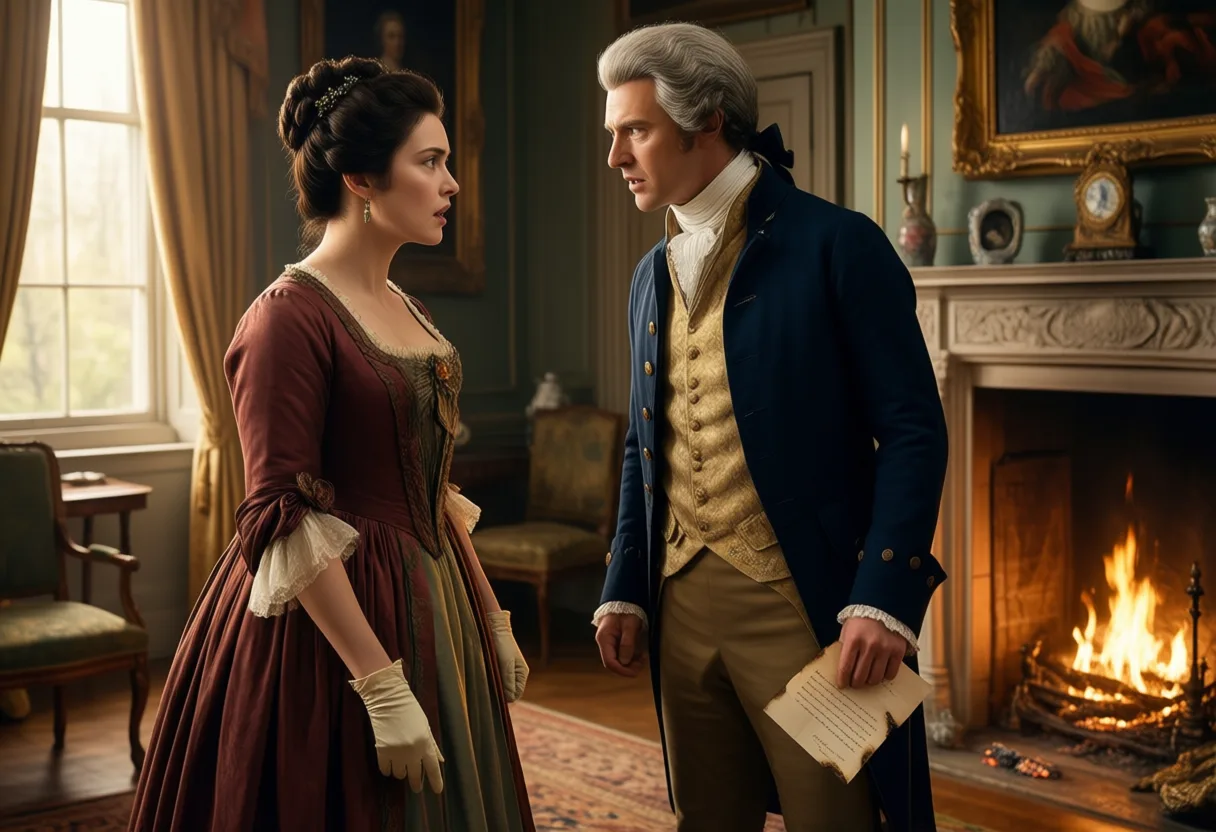
Designers and costume directors often collaborate closely to ensure each look aligns with emotional progression. Fabrics evolve from stiff and concealing to fluid and expressive, mirroring internal shifts. Even accessories-a pair of gloves, a clutch held tightly then released-can carry symbolic weight across a film’s runtime.
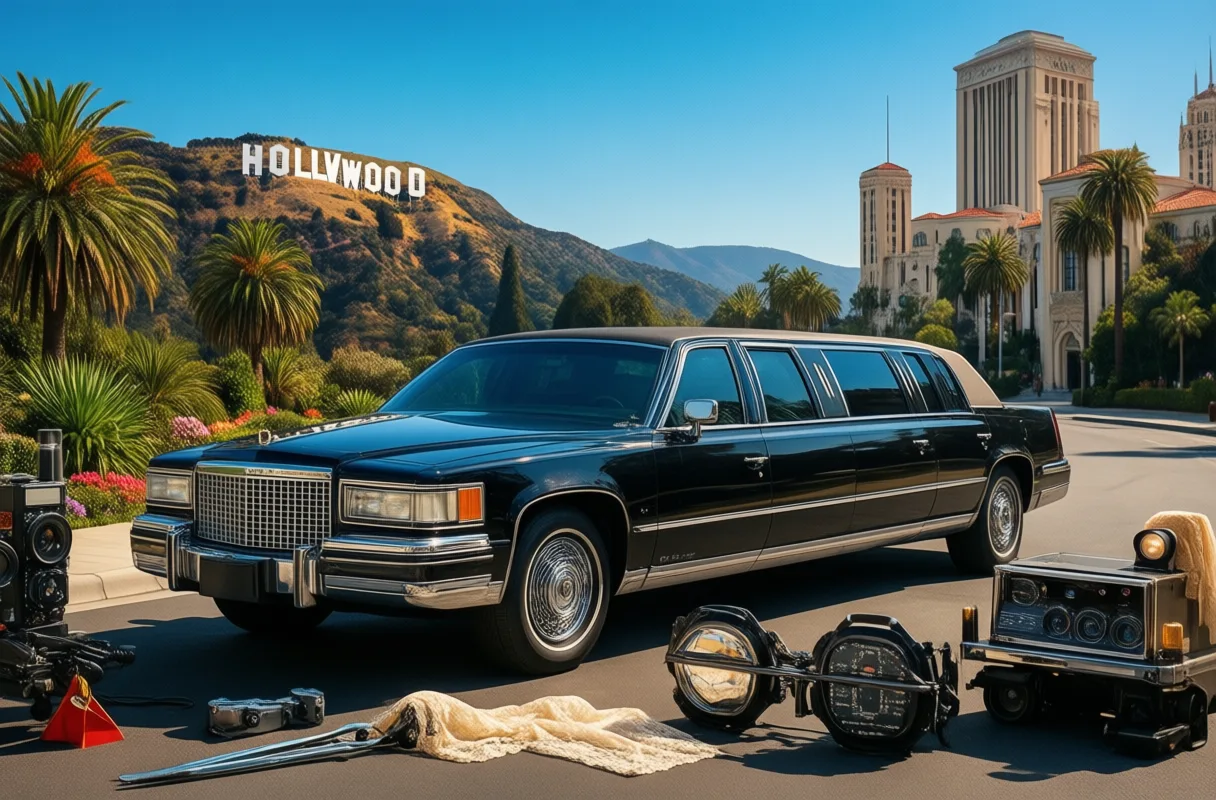
From Hollywood Glamour to Modern Elegance: A Legacy in Lace and Limousines
Hollywood’s golden age established a template for romance defined by sophistication and restraint. Couples communicated through glances across crowded rooms, letters left unread, hands nearly touching on train seats. Over time, those subtleties merged with bolder expressions of desire and independence, shaping today’s cinematic love stories.
Modern interpretations retain the polish of earlier eras while embracing complexity. Relationships unfold amid career ambitions, cultural divides, and personal histories too rich to resolve in ninety minutes. Yet the trappings remain: candlelit dinners, unexpected reunions, cityscapes glowing at dusk. Romance adapts, but never abandons its sense of occasion.
Luxury settings continue to serve as more than backdrop-they reflect inner transformations. A penthouse suite, a vintage convertible, a gala invitation-each represents access not just to wealth, but to possibility. And while the details shift, the core remains: two people learning to meet on equal ground.
Redefining the Cinderella Trope with Confidence and Couture
The rags-to-riches framework has roots deep in folklore, but contemporary films twist it with intention. Today’s heroines aren’t waiting for rescue; they’re making deals, setting boundaries, and walking away when promises ring hollow. The glass slipper fits, yes-but only after she decides to try it on.
These narratives challenge the idea that love requires erasure of the past. Instead, strength comes from carrying one’s history forward, integrating old selves into new lives. A woman might wear couture to a opera, yet still order takeout in her robe the next night-because wholeness includes contradiction.
What was once passive aspiration now pulses with autonomy. The transformation isn’t about becoming someone else, but becoming fully oneself-with better tailoring. This evolution honors the dream while grounding it in agency, proving that empowerment and elegance are not opposites, but allies.
The Power of the Gaze: How Romance Rewrites Social Expectations
Romantic cinema has long explored who gets to look, who is seen, and what that means in a hierarchical world. Early scenes often position the heroine under scrutiny-judged by doormen, clerks, even lovers’ parents. But as the story unfolds, the gaze shifts. She begins looking back, assessing, choosing.
This reversal disrupts assumptions about value and belonging. When a woman returns a stare with calm certainty, she claims power not through confrontation, but presence. It’s a quiet revolution, played out in mirrors, windows, and lingering close-ups that linger just a second longer than expected.
Love, in these films, becomes the force that equalizes. Not by erasing difference, but by insisting that dignity isn’t earned through status. The most radical moments aren’t grand declarations, but silent acknowledgments: I see you. And I see myself, reflected, finally clear.
Can a Single Week Change a Life Forever?
Time bends in romantic films, compressing months of emotional growth into days. A whirlwind courtship might span a summer, a holiday, or simply one unforgettable week in a city that hums with potential. This compression isn’t unrealistic-it’s poetic, capturing how love can accelerate self-discovery.
Under tight timelines, every decision feels heightened. Conversations matter more. Gestures carry weight. There’s no room for拖延-only presence, risk, and revelation. The pressure doesn’t diminish authenticity; it distills it, stripping away pretense until only raw feeling remains.
Films like Pretty Woman Thrive on this urgency. What could have been dismissed as a fling becomes a reckoning-a collision of lives that alters both trajectories. The brevity of the encounter makes it more, not less, significant.
The Magic of Compressed Time in Romantic Escapades
Short timelines create emotional intensity, forcing characters to confront truths they might otherwise avoid. Without the buffer of routine, defenses crumble faster. Confessions arrive sooner. Connections deepen quicker than seems possible-yet feel entirely earned.
This structure mirrors real-life turning points: a chance meeting at a conference, a delayed flight leading to conversation, a shared cab ride sparking weeks of correspondence. Life-altering moments often arrive unannounced, wrapped in ordinary packaging.
Cinema amplifies this phenomenon, using music, lighting, and pacing to make fleeting hours feel monumental. A sunset walk, a late-night call, a promise made at dawn-these become landmarks in a shared mythology, built in days but remembered forever.
Chemistry in the Fast Lane: When Every Moment Counts
On-screen chemistry is elusive-impossible to manufacture, yet unmistakable when present. It lives in micro-expressions: a half-smile caught mid-sentence, a hand hovering near another’s before pulling back. Timing matters as much as touch; a well-placed pause can speak louder than dialogue.
In high-stakes romantic encounters, chemistry accelerates intimacy. Shared jokes form shorthand. Silences grow comfortable. Vulnerability emerges not through exposition, but through choice-choosing to stay, to listen, to believe.
These dynamics are heightened when time is limited. There’s no luxury of slow build-only instinct, attraction, and the growing sense that something rare is unfolding. Audiences lean in because the characters do, caught in the current of something too powerful to ignore.
Beyond the Fairytale: Real Emotion in High-Gloss Settings
Beneath the polished surfaces of these films lies a commitment to emotional honesty. Lavish hotels and designer labels provide spectacle, but the heart of the story beats in quieter spaces: a hesitant confession over breakfast, a phone call made in private, a door left unlocked.
Luxury serves as contrast, not replacement, for emotional depth. A character might dine at Michelin-starred restaurants, yet find solace in a simple meal eaten together in silence. The opulence highlights what money cannot buy-trust, understanding, mutual respect.
These films work because they don’t pretend glamour fixes pain. Instead, they show how love creates safety-the kind that allows someone to say, “This isn’t me,” and be believed. The most stylish moments are often the softest: a coat offered against the evening chill, a hand held without reason.
Vulnerability in Velvet: The Soft Core of Stylish Stories
Even in the most impeccably dressed scenes, fragility finds its way in. A trembling voice during a toast, eyes welling during a song, a breath caught before speaking-these are the moments that anchor fantasy in feeling. Perfection is not the goal; connection is.
Characters reveal themselves not through grand speeches, but through small surrenders: accepting help, admitting fear, letting someone see them tired, undone, unsure. The elegant facade remains, but now it frames something real.
Costume and setting enhance rather than obscure this vulnerability. A silk gown doesn’t hide tears-it catches the light as they fall. A luxurious suite doesn’t mute loneliness; it echoes with it. The contrast makes the emotion sharper, more resonant.

The Quiet Moments That Define the Genre’s Heart
Some of the most lasting images in romantic cinema are also the quietest. A couple sitting side by side on a balcony, not speaking. One watching the other sleep. A note passed without comment. These scenes trust the audience to feel what isn’t said.
They stand apart from montages and set pieces, operating on a different frequency-one tuned to intimacy rather than spectacle. A finger tracing a collarbone, a shared umbrella in the rain, a laugh that starts quietly and builds-these details compose the genre’s true soundtrack.
It’s in these pauses that love feels attainable, not as fantasy, but as daily practice. The grand gestures capture headlines, but the small ones build lives. And in films that balance style with soul, both are given their due.
Why We Still Return to the Icons of Romantic Elegance
Decades pass, trends shift, platforms evolve-but certain films remain touchstones. They’re revisited not out of nostalgia alone, but because they articulate feelings difficult to name. Watching them feels like remembering a dream you’ve never had, yet recognize instantly.
These stories endure because they balance wish fulfillment with emotional intelligence. They offer escape, yes, but also insight-into class, desire, identity, and the ways we let others shape us. They are fantasies with fingerprints.
Audiences return to them during heartbreak, celebration, transition. They play softly in the background of first apartments, become inside jokes between partners, soundtrack proposals and breakups alike. Their influence extends beyond viewing, seeping into how we imagine love itself.
Lasting Impressions: How These Films Shape Our Love Language
Romantic cinema doesn’t just reflect culture-it shapes it. Phrases enter common use. Gestures become rituals. Songs gain new meaning. Proposals mimic movie scenes; weddings borrow aesthetic cues; couples quote lines as private codes.
More subtly, these films teach us what love looks like when it works-patient, attentive, willing to change. They model repair after conflict, admiration without idolization, support without sacrifice of self. Even in fantasy, they suggest healthy dynamics.
And when done well, they expand our emotional vocabulary. We learn that love can be bold and tentative, extravagant and simple, fast-moving and timeless. The best ones leave us not just charmed, but changed.
Dressing the Dream: The Enduring Influence on Modern Romance and Runways
Fashion in romantic films doesn’t end at the final frame-it spills into stores, red carpets, street style. Iconic looks are recreated, referenced, reimagined. Designers cite cinematic muses; stylists build editorials around fictional characters.
But beyond aesthetics, these films influence how we think about presentation and authenticity. Getting dressed becomes an act of intention, not vanity. Choosing an outfit is framed as claiming space, declaring mood, signaling readiness.
To watch a woman transform through style is to witness self-definition in motion. And when she walks into a room knowing she belongs-not despite her past, but because of it-that’s not just storytelling. That’s legacy.
When Romance Meets Red Carpet Glamour
A Wardrobe That Stole the Show
Julia Roberts’ character Vivian wore a showstopping black gown by costume designer Marilyn Vance-except it wasn’t custom-made just for the film. The iconic dress was actually borrowed from French fashion house Christian Lacroix’s haute couture collection, making Vivian one of the few Hollywood heroines to wear genuine runway couture on screen. That moment when she descends the staircase at the opera? Pure cinematic magic, but behind the scenes, Roberts reportedly had trouble walking in the restrictive gown, adding an unexpected layer of authenticity to Vivian’s transformation from street-smart outsider to elegant companion.
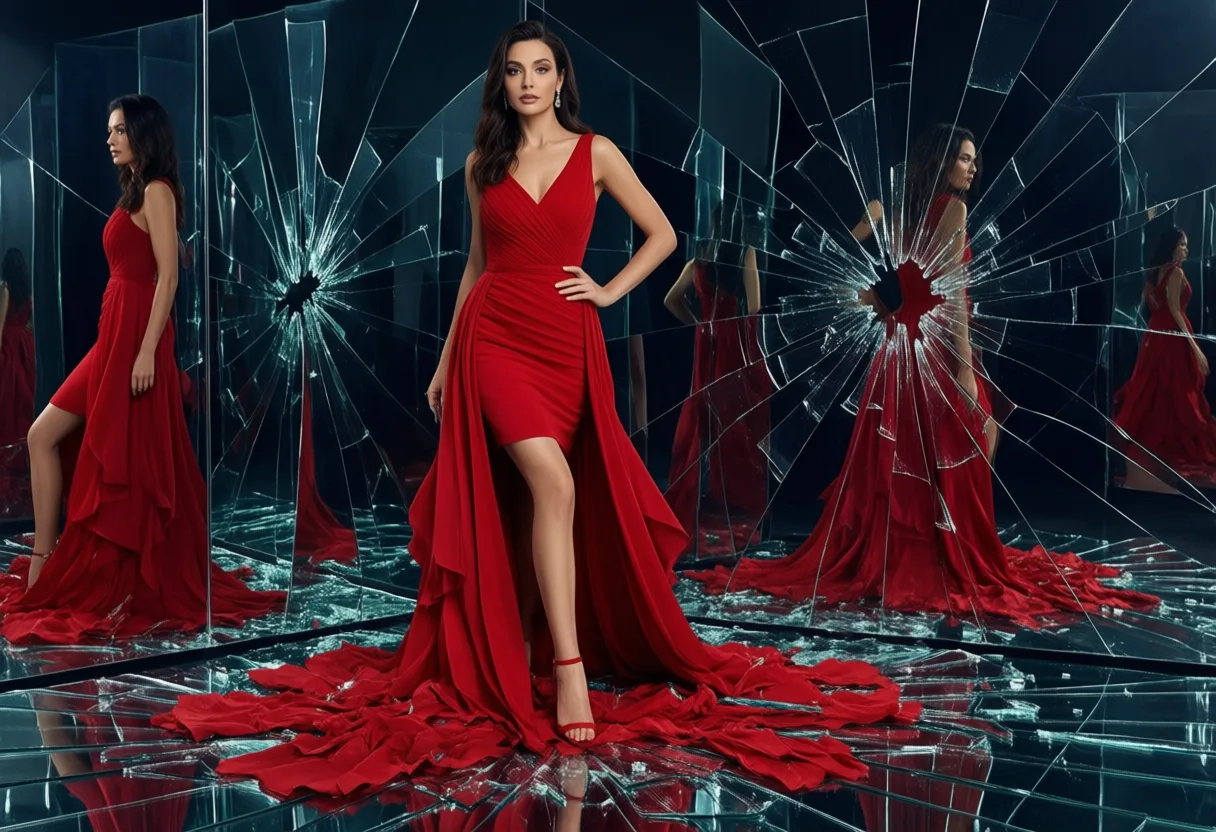
The red dress worn during the “Oh, Pretty Woman Shopping spree scene became so iconic that it sparked a surge in sales of similar styles across the U.S. In the early '90s. Stores reported increased demand for sleek, curve-hugging red dresses, proving how powerfully film can influence fashion trends. Even the accessories mattered-Vivian’s white gloves and matching handbag during the Rodeo Drive sequence were carefully chosen to contrast her earlier look, symbolizing her shift into a world of luxury and polished etiquette.
More Than Just a Fairytale Ending
Despite its glossy surface, Pretty Woman Drew inspiration from older tales of class and connection. It’s a modern take on the Pygmalion myth-think My Fair Lady, but with limos instead of flower carts. Yet unlike many classic romances where the woman changes herself to win love, Vivian maintains her wit and independence throughout, making her one of the more empowered heroines of her era. The film also avoided a common trope by having Edward fall for Vivian not because she becomes someone else, but because she stays true to who she is-even while wearing $4,000 shoes.
Frequently Asked Questions
What role does fashion play in romantic films like Pretty Woman?
Fashion functions as both armor and revelation, signaling shifts in self-perception and serving as a visual cue for character development without dialogue.
How does Vivian in Pretty Woman challenge traditional romance tropes?
Vivian maintains her wit and independence throughout, and Edward falls for her not because she changes, but because she stays true to who she is.
What is the significance of the black gown worn by Vivian at the opera?
The gown was borrowed from Christian Lacroix’s haute couture collection, making Vivian one of the few heroines to wear genuine runway couture on screen.
How did the red dress from the shopping scene impact fashion trends?
The red dress sparked a surge in sales of similar styles across the U.S. In the early '90s, proving cinema's power to influence real-world fashion.
This article was produced with AI assistance. How Silver Screen Magazine uses AI.
Simone Reyes tracks shifts in film distribution and digital platforms with clarity and foresight, translating complex trends into accessible insights. She bridges the gap between corporate moves and viewer experience, illuminating how the business shapes what we watch.