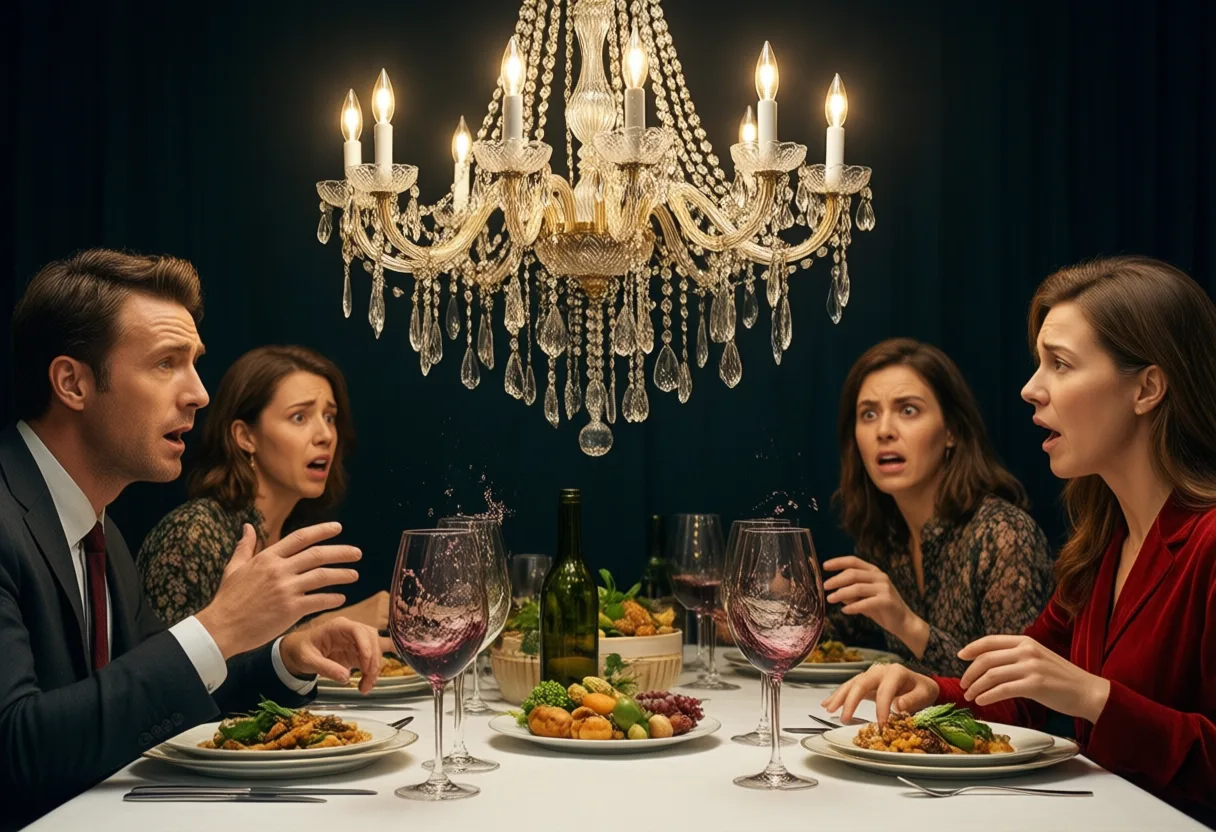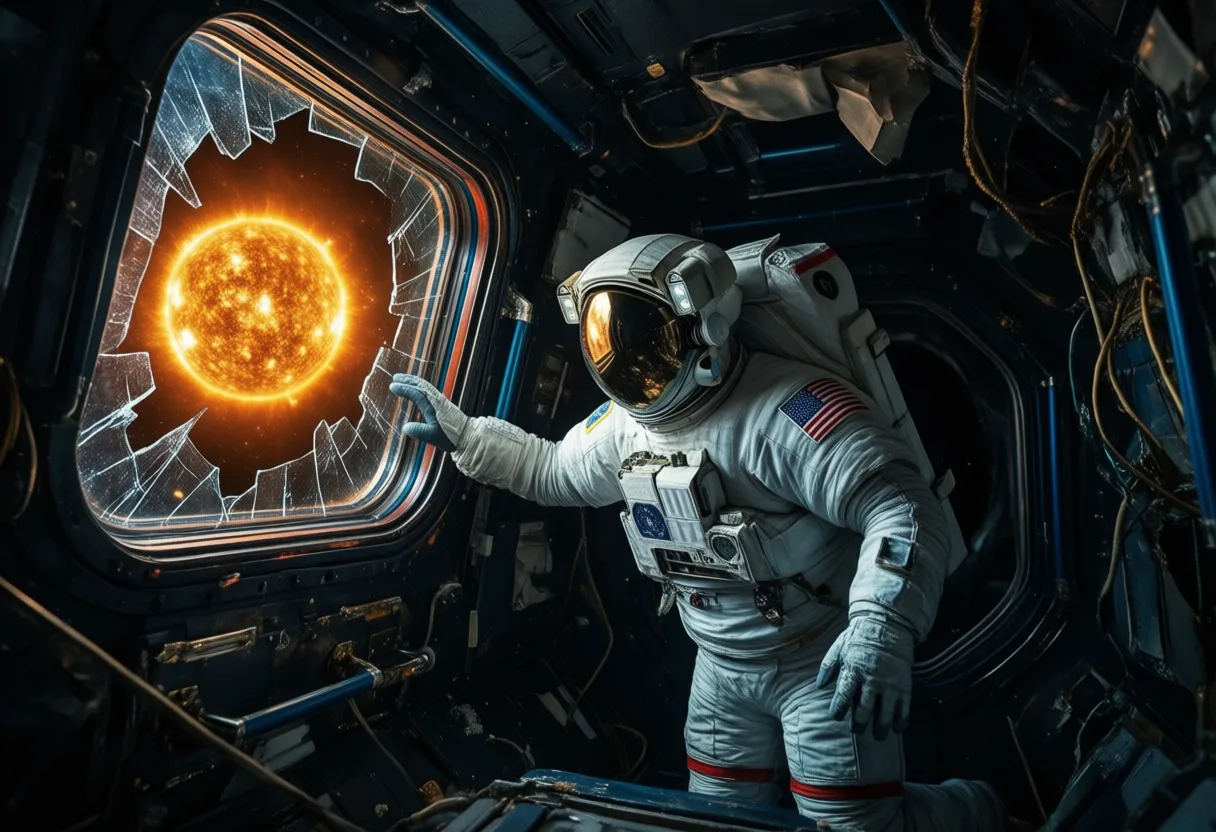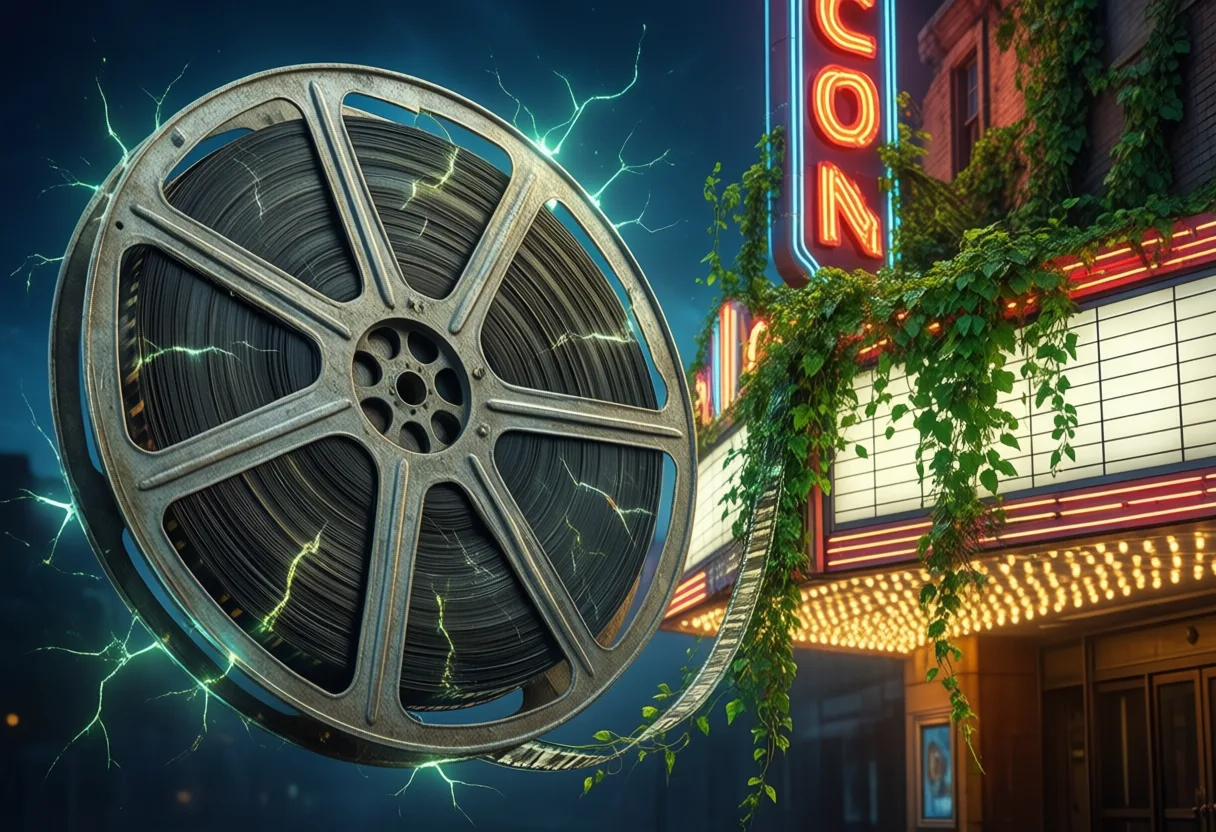
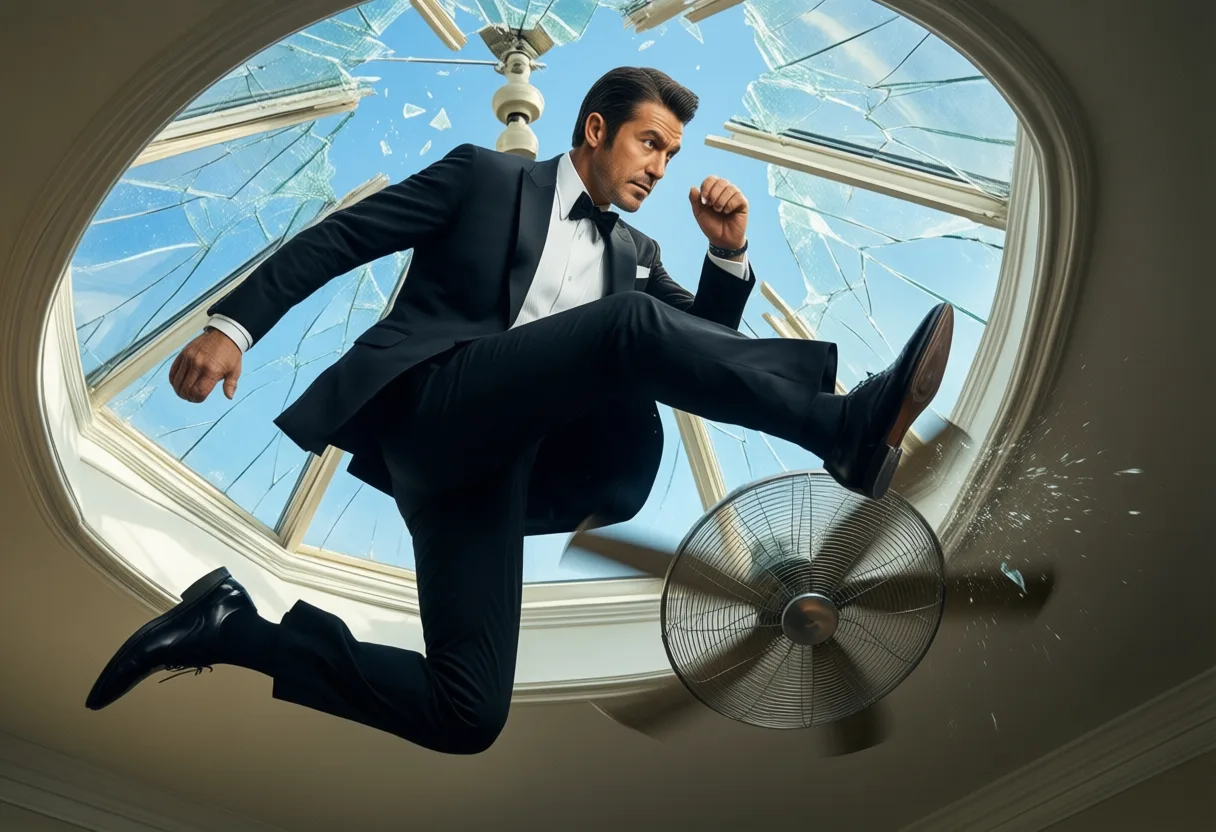
There’s a moment in every Great action Film when time seems to fold in on itself-when the roar of engines, the crack of gunfire, or the silence between two fighters feels less like spectacle and more like revelation. It’s not just movement; it’s meaning made visible, choreographed not for shock but for resonance.
These are the films that linger long after the credits roll, not because of how much was destroyed, but because of what was revealed. In the hands of True craftsmen, action becomes a language-one that speaks in glances, timing, and tension as much as in explosions.
When Action Meets Artistry: The Films That Redefined the Genre
Action cinema Has long been dismissed as mere noise, a genre built on muscle and momentum rather than message. But beneath the surface of car chases and combat lies a tradition of meticulous design, where every frame is shaped by intention.
The best Action films Don’t just entertain-they evolve the form. They borrow from silent slapstick, samurai epics, and film noir, weaving visual storytelling into the DNA of their sequences. A well-placed cut, a lingering close-up before impact, the weight of a drawn weapon-these are decisions steeped in cinematic history.
Consider how a single tracking shot can build dread, or how the absence of music before a fight elevates its brutality. These choices reflect an artistry often overlooked, one that transforms chaos into clarity. It’s not about how fast the bullets fly, but why they’re fired-and who must live with the aftermath.
This synthesis of craft and content separates fleeting diversions from enduring masterpieces. When Action Serves story, when motion reveals character, the result transcends genre.
Why Some Blockbusters Leave You Breathless-And Others Flat
Not all high-octane films achieve the same effect, even when armed with identical budgets or star power. The difference often lies not in scale, but in control-the precision behind the spectacle.
A film that overwhelms with sensory assault may thrill momentarily, but rarely resonates. Without emotional stakes, without spatial coherence, the action devolves into abstraction. We see flashes of light, hear booms, register motion-but feel nothing.
In contrast, the most memorable sequences anchor us in place and purpose. We know where the hero stands, what she risks, and what failure would cost. This clarity comes from disciplined filmmaking: clean geography, consistent motivation, and a rhythm that allows breath between beats.
When filmmakers trust the audience to follow, rather than drown them in cuts, the result is engagement, not exhaustion. Consider the quiet before a storm-a loaded glance across a crowded room, fingers tightening on a grip. These moments do the heavy lifting.
Without them, even the most elaborate set piece feels hollow. Spectacle without substance is just noise dressed in fireworks.
Yet when emotion fuels the action, when every punch carries history and every escape feels earned, we don’t just watch-we participate.
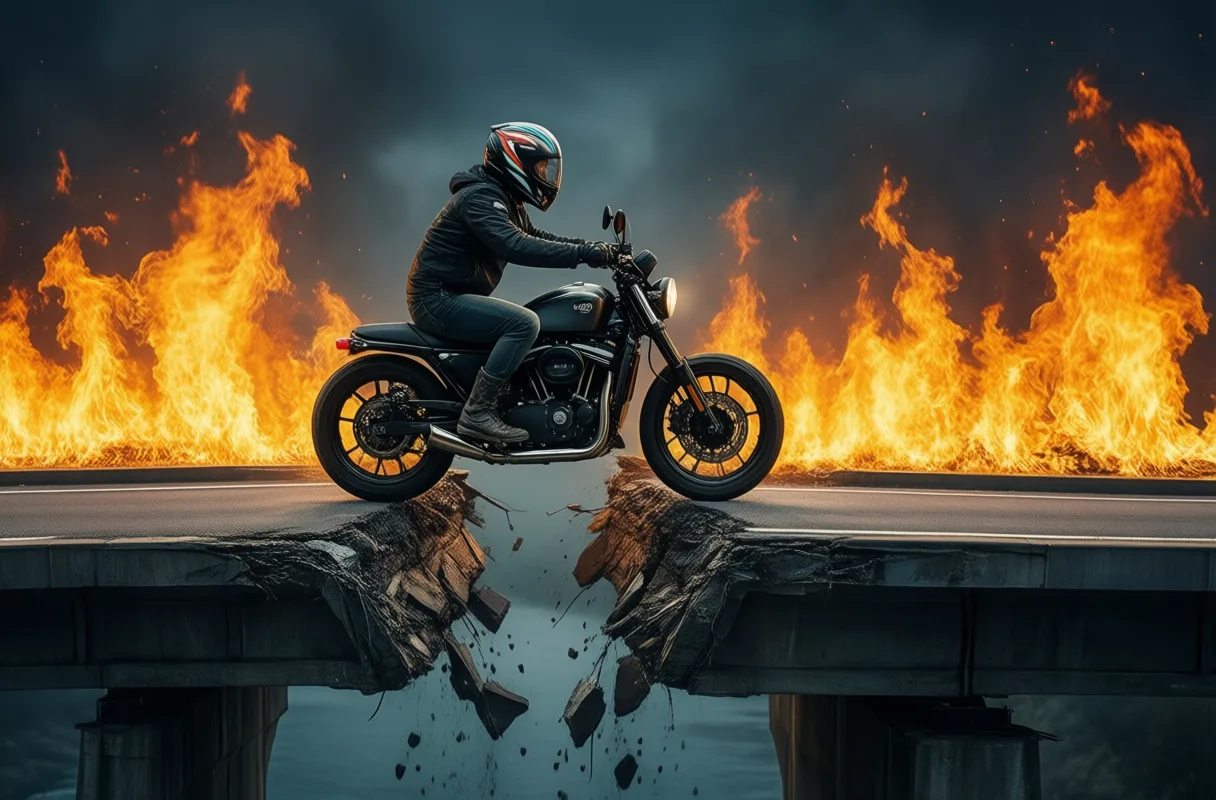
9 Action Movies That Mastered the Balance of Thrills and Precision
Certain films stand apart, not merely for their intensity, but for their intelligence. They treat action not as filler, but as narrative engine, advancing plot and deepening character with each sequence.
- Heat (1995) – The downtown Los Angeles shootout remains a benchmark, its realism rooted in sound design, choreography, and emotional gravity.
- The Raid: Redemption (2011) – A masterclass in escalating tension, where each floor climbed tightens the noose.
- Mad Max: Fury Road (2015) – A symphony of motion, where every vehicle, flame, and silhouette serves a mythic journey.
- John Wick (2014) – Revived the assassin genre with balletic gun-fu and a world governed by unspoken rules.
- Children of Men (2006) – Long takes during battle zones make survival feel immediate, fragile, and deeply human.
- Spiral (2021) – Though lesser-known, its psychological tension bleeds into physical confrontation with chilling effect.
- Oldboy (2003) – The hallway hammer fight is legendary not for its violence, but for its tragic inevitability.
- Zero Dark Thirty (2012) – The raid on bin Laden’s compound unfolds with procedural rigor, making triumph taste of ash.
- Parasite (2019) – While not a traditional action film, its climactic storm sequence merges class rage with visceral disaster.
Each of these films understands that precision isn’t just technical-it’s thematic. Their action scenes aren’t detours; they are the path.
For those eager to explore further, free action movies That Will Blow Your Mind Right Now offer a gateway into global styles and hidden gems beyond the mainstream.
What binds these works is not budget or origin, but belief in the power of motion to mean something. They refuse to separate feeling from force.
The Anatomy of a Perfect Chase Scene: More Than Just Speed
A chase scene lives or dies not by horsepower, but by heartbeat. The best ones don’t just move-they escalate, revealing new layers of danger, character, and consequence.
Think of the Paris pursuit in The Bourne Identity, where Jason Bourne uses environment like a scalpel-narrow alleys, sudden stops, improvised weapons. There’s no superhuman agility, only desperation and instinct honed by trauma.
Contrast this with the neon-drenched hovercraft flight in Akira, where Speed Becomes transcendence, physics bending under psychic strain. Both are thrilling, yet each derives power from internal logic.
A truly great chase builds geography in the mind. We map the route, anticipate dead ends, feel the narrowing odds. When the camera respects space-when we understand who’s behind whom, what barriers exist-the tension multiplies.
Too often, modern chases dissolve into shaky cam and rapid cuts, sacrificing orientation for faux intensity. But confusion is not suspense. True urgency comes from knowing exactly where you are-and how little time you have left.
The finest pursuits also deepen theme. In Baby Driver, the getaway drives are scored to music, turning crime into choreography, youth into rhythm. The car isn’t escaping cops-it’s chasing identity.
How Stunt Choreography Elevates a Fight Beyond Chaos
Fighting on screen should never be random. At its peak, stunt choreography functions as physical dialogue-a conversation in motion where every block, throw, and stumble conveys subtext.
Compare the brawls in The Wrestler To those in Crouching Tiger, Hidden Dragon. One is raw, clumsy, painful-the other fluid, poetic, airborne. Yet both are truthful, shaped by the worlds they inhabit.
In Police Story (1985), Jackie Chan swings through a mall lit with Christmas lights, shattering ornaments and bones alike. The humor and horror coexist because the stunts serve character-his persistence, his pain, his absurd courage.
Modern CGI often removes consequence, allowing bodies to fly without cost. But when performers risk real injury, when impacts echo in wincing silence, the audience leans forward. We believe because they believed enough to try.
Staging matters as much as impact. A fight in a cramped kitchen restricts movement, forcing ingenuity. A duel atop a moving train demands balance, timing, and nerve. These constraints breed creativity.
Precision in choreography doesn’t diminish spontaneity-it frames it. The illusion of danger thrives on discipline, not disregard.
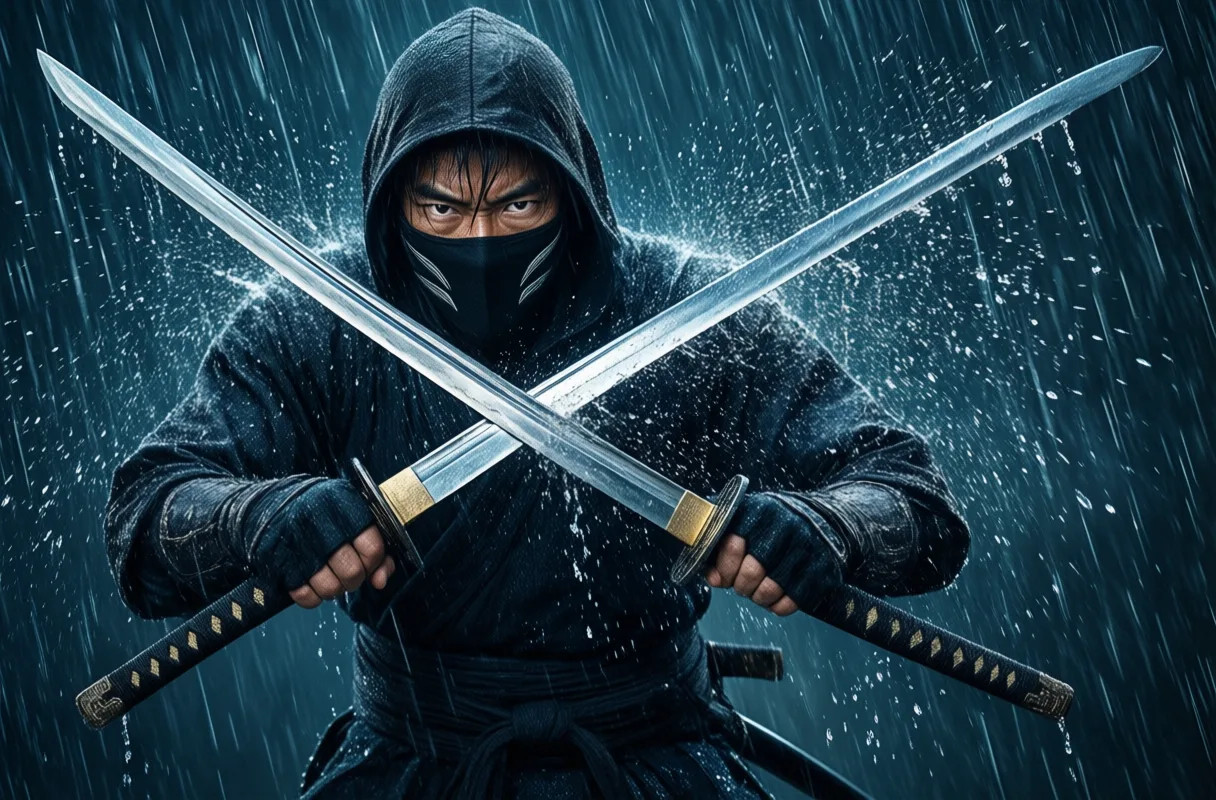
The Silent Power of Timing: Why Precision Outlasts Mayhem
In action cinema, timing is everything-even when no one speaks. The pause before a punch lands, the half-second hesitation before pulling the trigger-these silences scream louder than any explosion.
Watch the opening of No Country for Old Men. Anton Chigurh walks into a gas station, exchanges words, flips a coin. No music, no cuts, just stillness charged with threat. The action hasn’t begun, yet we’re paralyzed.
This mastery of tempo turns suspense into a physical sensation. Too fast, and we lose comprehension; too slow, and tension evaporates. The ideal rhythm mimics a pulse-rising, holding, breaking.
Consider the sniper sequence in Day of the Jackal, where every minute detail-the filing of a bullet, the assembly of a rifle-becomes part of the countdown. We don’t need gunfire to feel hunted.
Digital effects now allow infinite manipulation of time, yet many films forget its emotional weight. Speed ramps and slo-mo dazzle, but rarely disturb unless anchored in stakes.
When used with restraint, however, altered timing can elevate a moment into myth. Think of Trinity’s back-bend in The Matrix, dodging bullets not with flash, but with fatal grace.
That second of suspension-is it defiance? Destiny?-changes everything. Precision isn’t just technical excellence. It’s emotional calibration.
Behind the Lens: Directors Who Treat Action Like Ballet
Some directors approach action sequences as if staging opera-every gesture rehearsed, every lens chosen for tone, every shadow placed with intent. To them, violence is not indulgence, but expression.
David Leitch and Chad Stahelski didn’t just revive the hitman thriller-they codified a new grammar of gunplay, where reloads matter and cover is sacred. Their work insists that rules make freedom possible.
John Woo, in his Hong Kong prime, fused Catholic imagery with bloodshed, turning triad wars into sacraments. Doves fluttered through gunsmoke; double pistols blazed in cruciform poses. It was excess with soul.
Meanwhile, Park Chan-wook crafts vengeance tales where every act of brutality ripples outward, altering fate. His camera lingers not on gore, but on reaction-the face of a man realizing he’s become the monster.
Even Christopher Nolan, known for grand concepts, grounds his action in tactile reality. The rotating hallway fight in Inception Works because we understand the mechanism-it’s dream logic made concrete.
These filmmakers reject randomness. For them, action is architecture. You can’t build cathedrals with dynamite alone.
Their influence echoes in emerging voices-directors who study not just what happens on screen, but how it feels to witness it.
What Separates a Forgettable Shootout From a Cinematic Set Piece?
A shootout can be loud and empty, or quiet and devastating. The distinction lies in design, consequence, and context.
Too many films treat gunfire as wallpaper-background noise to keep energy high. Bullets fly, walls crumble, bodies drop, and no one asks why it matters.
But in a true set piece, every shot counts. The location has history-the diner where a deal went bad, the bridge where a father once walked his daughter to school. Setting becomes symbol.
Take the ambush in Sicario. Troops move through Ciudad Juárez, radios silent, night-vision glowing. Then-chaos. But the chaos is controlled, the disorientation intentional, placing us inside the fog of war.
Moreover, consequences endure. Characters bleed, panic, hesitate. Trauma isn’t edited away. The aftermath is shown-the cleanup, the silence, the guilt.
A cinematic set piece also advances the story. It changes alliances, reveals truths, destroys illusions. It’s not a break from narrative-it Is The narrative.
Great action doesn’t interrupt the story. It detonates it.
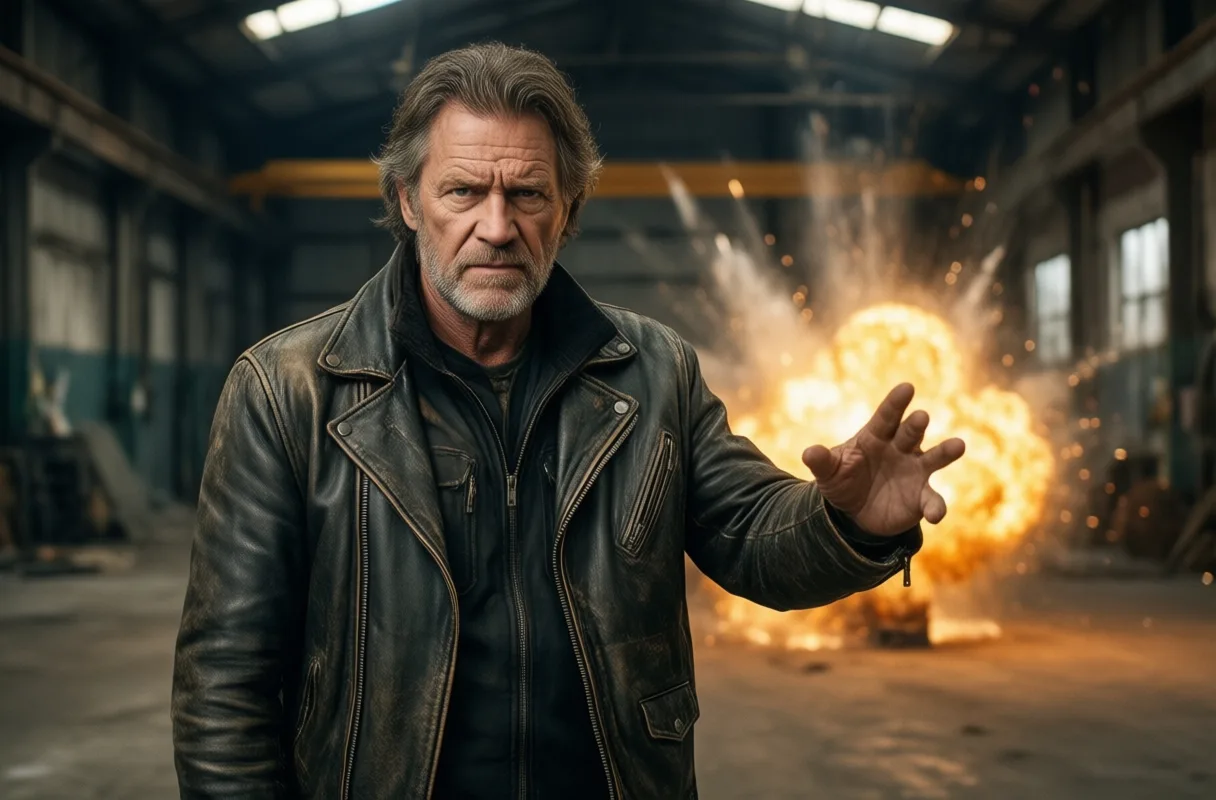
The Role of Editing in Making Action Feel Immediate and Real
Editing is the invisible hand guiding our eyes, shaping our breath, controlling the rhythm of panic. In action films, it can clarify-or confound.
The trend toward hyperkinetic cutting-dozens of shots per second-often sacrifices comprehension for sensation. We see fragments: a foot, a muzzle flash, a blur. But we don’t understand the whole.
Contrast this with the long takes of Children of Men Or the clean cross-cutting of The Godfather. Here, editing serves clarity. We know who’s in danger, where help might come, what’s at stake.
Rhythm matters as much as resolution. A sudden cut to silence after an explosion can be more jarring than the blast itself. Similarly, holding on a character’s face post-violence lets horror settle.
Thelma Schoonmaker, Martin Scorsese’s longtime editor, understands this instinctively. In Raging Bull, the boxing matches aren’t just fights-they’re psychological portraits, sculpted in montage.
Good editing trusts the audience. It doesn’t explain every beat, but guides us through the storm. It knows when to rush and when to rest.
Precision in the cutting room ensures that action isn’t just seen-it’s felt in the gut.
When Emotion Fuels the Explosions: Storytelling as the Core Engine
No amount of pyrotechnics can compensate for an empty heart. The most enduring action films are powered not by tanks or jets, but by longing, grief, love.
Tony Stark builds suits to atone. Furiosa drives west to redeem herself. John Wick kills to reclaim a shred of peace. Without these cores, the spectacle collapses into self-parody.
Audiences forgive implausible stunts if the emotional truth holds. We accept that James Bond survives impossible odds because his isolation makes survival ironic, even tragic.
Conversely, films that ignore inner life reduce characters to avatars. They move through plots without changing, suffering without growing. We cheer the destruction-but forget the film by morning.
The best scripts embed emotion in action. A rescue isn’t just a mission-it’s a father retrieving his child. A final punch isn’t closure-it’s release from years of shame.
When we care who lives or dies, the explosions matter.
Action cinema reaches its zenith when spectacle and sentiment orbit the same center. Then, the noise fades, and we see only the human condition-in motion, in peril, in hope.
Revisiting the Classics: Timeless Techniques Still in Play Today
The language of action was forged long before digital effects, in the silent era, where survival had to be communicated through gesture, pace, and image.
Harold Lloyd dangled from a clock tower in Safety Last! (1923), not with green screens, but with genuine vertigo captured on film. The danger was real, the comedy born of tension.
Classic westerns taught economy-two men facing off in dust, a twitch of the hand deciding life or death. No music, no cuts, just stare and consequence.
Sam Peckinpah slowed down bloodshed in The Wild Bunch, letting bullets tear through air and flesh in agonizing detail. He didn’t glorify violence-he mourned its inevitability.
These techniques endure because they respect the audience’s intelligence. They show, don’t tell. They build, don’t bombard.
Modern filmmakers who study these roots-those who value silence, geography, and emotional continuity-are the ones redefining the genre today.
The classics remind us that innovation doesn’t require erasing the past. True progress honors precision, embraces restraint, and remembers that every explosion begins with a choice.
When Action Meets Art
Hidden Details That Pay Off
Ever notice how the best action films make every bullet count-on screen and behind the scenes? In many high-octane chase sequences, filmmakers use real vehicles driven by precision drivers, not just green screens. Some stunt coordinators spend months rehearsing a single sequence to ensure timing is flawless, often shooting only a few takes due to the danger and cost. It’s not uncommon for actors to train for weeks or even months in martial arts, weapons handling, or high-speed driving to make their performances feel authentic.
One surprising trick? Practical effects often steal the show. Explosions are carefully timed using small, controlled charges rather than relying solely on CGI, giving the scene a visceral punch that digital effects sometimes miss. In some cases, sound designers record real firearms or vehicles to layer into the final mix, making every crash and gunshot feel bone-deep. These details might fly under the radar, but they’re what turn a good action scene into a memorable one.
Frequently Asked Questions
What makes a great action film stand out from typical blockbusters?
Great action films use motion to reveal character and advance story. They prioritize emotional stakes, spatial clarity, and intentional choreography over sensory overload.
Which films are considered masters of action and precision?
Heat, The Raid: Redemption, Mad Max: Fury Road, John Wick, Children of Men, Spiral, Oldboy, Zero Dark Thirty, and Parasite are highlighted for their intelligent, thematic action sequences.
How does stunt choreography contribute to storytelling in action films?
Stunt choreography functions as physical dialogue, conveying subtext through movement. Real risk, disciplined staging, and character-driven action deepen authenticity and emotional impact.
Why is editing important in action cinema?
Editing shapes rhythm, clarity, and emotional impact. Precise cuts or long takes guide audience understanding, while poor editing can confuse rather than thrill.
This article was produced with AI assistance. How Silver Screen Magazine uses AI.
Vivian Chukwu explores golden-age Hollywood with reverence and rigor, unearthing forgotten performances and cultural contexts. She connects archival footage to modern themes, making classic films feel immediate and vital through thoughtful analysis and vivid storytelling.