
A movie isn’t just a story-it’s a promise. The second a trailer drops or a title card appears, audiences and Critics alike Begin assembling expectations: this will be funny, that will scare us, the other will make us cry. And yet, the best reviews don’t just measure a film against its genre checklist-they measure it against what it Tries To be.
Critics don’t grade with a universal rubric. They weigh ambition, execution, and emotional truth, often judging a raucous comedy by standards wildly different from those applied to a brooding noir. Understanding how that works-why a messy indie drama might earn raves while a slick action sequel gets panned-is key to understanding not just film criticism, but cinema itself.
What Critics Really Watch For: Beyond the Genre Label
Critics don’t just watch movies-they decode them. The opening shot, the rhythm of dialogue, the color palette, the silence between lines-these are the clues that tell a reviewer what kind of film they’re in for. But Genre Is only the starting point, not the destination.
A horror film isn’t judged solely on how many jump scares it delivers. Instead, critics ask: does it build dread? Does it use fear to Explore Something deeper-grief, isolation, societal rot? A comedy isn’t just about laughs per minute; it’s about timing, character, and whether the humor feels earned or forced.
Consider the performances. In a biopic, authenticity is king-did the actor inhabit the role, or just mimic it? In a sci-fi epic, where everything is fabricated, the performance must feel Real Despite the unreality. The same actor might be praised in one context and dismissed in another, not because of skill, but because of How the genre frames expectation.
- A restrained turn in a war drama might be called “powerful.”
- That same restraint in a romantic lead might be labeled “distant.”
- A flamboyant performance in a musical? “Electric.” In a courtroom thriller? “Distracting.”
It’s not hypocrisy-it’s context. Critics assess not just what’s on screen, but what the film is Trying To do with it.
The Hidden Framework Behind Every Review
Behind every review is an invisible framework-a mental checklist shaped by decades of cinema, personal taste, and professional discipline. Critics don’t walk into Screenings With blank slates. They carry a lifetime of movies in their heads, and every new film gets measured against that internal library.
This framework includes three core elements: Intention, execution, and impact. Was the film clear about what it wanted to be? Did it achieve it? And did it leave a mark?
Take two films with Similar plots: one a low-budget indie, the other a $200 million studio production. The indie might be praised for its raw honesty and inventive solutions to technical limitations. The blockbuster might be criticized for squandering its resources on spectacle over substance-even if both tell the same basic story.
Critics also weigh originality. A genre film that follows the playbook perfectly might be called “solid” or “competent,” but rarely “essential.” Meanwhile, a film that bends or breaks the rules-like a western with no guns, or a rom-com where the couple never meets-can earn acclaim for reimagining the form.
And then there’s tone. A film’s mood-its atmosphere, pacing, emotional temperature-is often more important than plot. A thriller that’s too loud, too fast, might lose the tension it needs. A comedy that pauses for quiet reflection might gain depth. Critics are trained to notice when tone supports or sabotages a film’s goals.
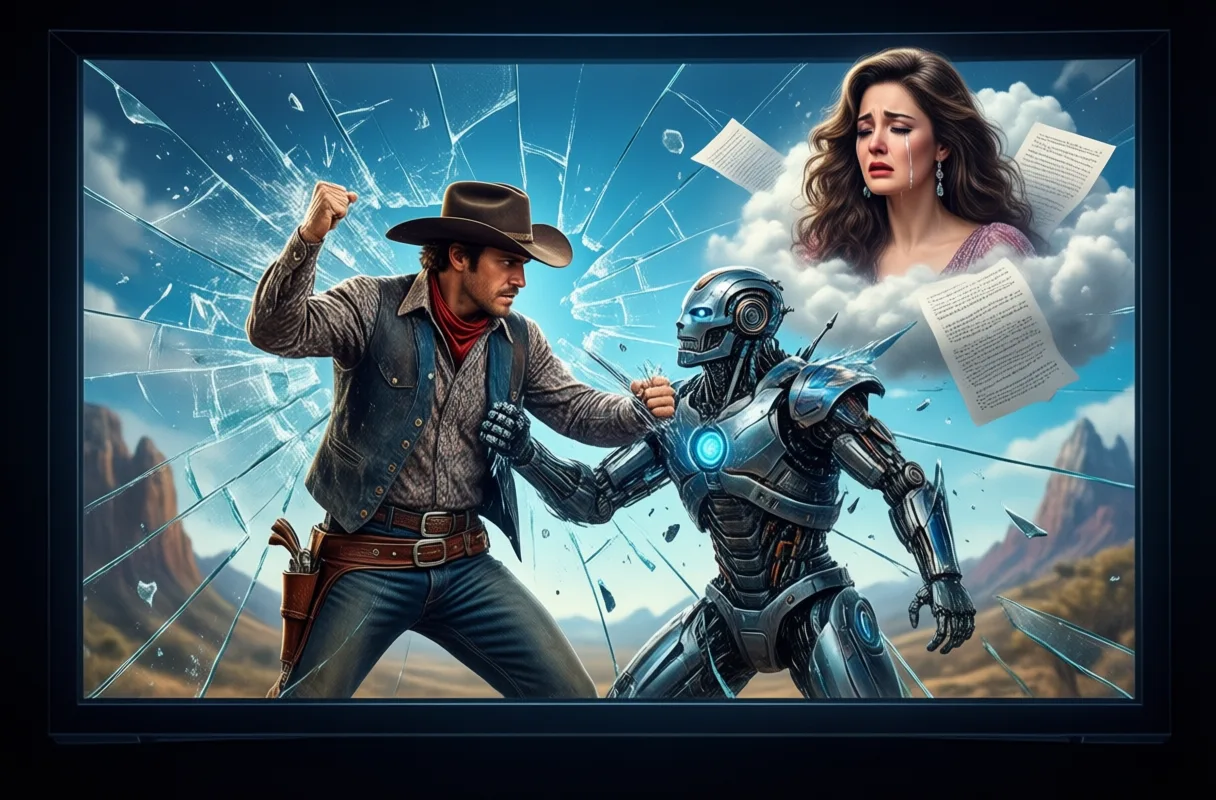
When Tone Overrides Type: Why a Thriller Isn’t Judged Like a Rom-Com
You can have two films with identical structures-meet cute, conflict, resolution-and one is a triumph, the other a flop. Why? Because Tone dictates judgment.
A romantic comedy lives or dies by charm, chemistry, and the illusion that love is both improbable and inevitable. Critics forgive plot holes if the leads spark. But in a political thriller, the same loose plotting would be called “implausible” or “lazy.” The genre sets the rules of believability.
Humor, too, is judged differently across categories. A slapstick gag in a family film is expected. The same gag in a psychological drama would shatter the mood. Critics don’t just ask “was it funny?”-they ask “did it belong?”
Even pacing is relative. A slow-burn horror film that takes 90 minutes to show the monster is often praised for building dread. A romantic drama with the same pacing might be called “draggy” or “underdeveloped.” The audience’s anticipation shapes the critic’s patience.
- In a musical, characters bursting into song must feel emotionally justified.
- In a documentary, the same moment would break reality.
- In a satire, it might be the whole point.
Critics are sensitive to these shifts. They know that a film’s success isn’t just about quality-it’s about Consistency of vision.
How Context Shapes the Critic’s Gaze
Context is everything. A film doesn’t exist in a vacuum-it arrives with baggage. The director’s reputation, the cultural moment, the state of the genre itself-all of it influences how a critic sees the screen.
A director known for gritty realism makes a superhero movie? Critics will watch for how they handle the shift. Do they bring depth to the genre, or get swallowed by it? A franchise film arriving after a string of sequels? The bar isn’t just “good movie”-it’s “does this move the story forward?”
And then there’s timing. A war film released during a global conflict is judged not just as entertainment, but as commentary. A comedy about AI might feel clever one year, dated the next. Critics are tuned to these frequencies.
They also consider the audience. A film aimed at teens isn’t held to the same thematic depth as an arthouse drama-but it Is Held to standards of honesty and respect. Condescension is a quick way to lose critical favor, no matter the genre.
Finally, there’s the weight of history. A new Western is measured against The Searchers, Shane, No Country for Old Men. A new musical stacks up against Singin’ in the Rain, Chicago, La La Land. Critics don’t just review the film-they review its conversation with the past.
What Makes a Masterpiece in One Category a Miss in Another?
A film praised as revolutionary in one genre might be dismissed as clichéd in another. Why? Because Expectations shift with category.
A plot twist that feels shocking in a mystery might seem obvious in a psychological thriller, where audiences expect deception. A love triangle that feels steamy in a romance might come off as melodramatic in a realistic drama. The same script, recategorized, could get entirely different reviews.
Originality is relative. The first found-footage horror film was groundbreaking. The fiftieth? Routine. Critics reward innovation-but only when it feels necessary, not just different for difference’s sake.
And emotional payoff matters more than plot mechanics. A sci-fi film with a flimsy time-travel explanation might still earn raves if the ending makes you cry. A tightly plotted legal drama might leave critics cold if it lacks human stakes.
- A horror film’s monster is only as strong as the fear it represents.
- A comedy’s punchline only lands if the setup respects the audience.
- A drama’s climax must feel earned, not manufactured.
A film that nails its emotional core often transcends its flaws. One that ignores it, no matter how polished, can feel hollow.
The Expectation Gap: Audiences, Genres, and Critical Standards
Here’s the tension: audiences want fulfillment. Critics want evolution. That gap explains why a film can be a box office hit and a critical dud-or vice versa.
Fans of a genre want the hits-the familiar beats, the tropes they love. Critics often want something more: a twist, a challenge, a fresh perspective. A film that delivers exactly what’s expected might thrill audiences but bore reviewers.
But when a film ignores genre rules entirely, critics can turn on it too. Abandoning convention without offering something in return isn’t bold-it’s careless. The best films balance Respect for tradition with a push forward.
This is why some sequels succeed critically while others don’t. It’s not about being different-it’s about being Necessary. Does this story need to be told? Does it add something?
And let’s be honest: critics aren’t immune to bias. Some roll their eyes at superhero films; others dismiss rom-coms as lightweight. The best reviewers recognize their blind spots. The worst let them dictate their verdicts.
Scoring the Unseen: Emotional Payoff vs. Plot Mechanics
Plot is structure. Emotion is soul. And in the end, critics care more about the soul.
A film can have every story beat in place-inciting incident, midpoint turn, climax-and still feel dead. Why? Because mechanics don’t create meaning. Emotional truth does.
Critics watch for moments that feel real, even in the most fantastical settings. A robot learning to cry. A villain revealing a childhood wound. A silent glance that says everything. These are the scenes that linger.
That’s why a messy, uneven film can get a positive review. If it stumbles toward something honest, critics often forgive its flaws. But a slick, polished film that feels emotionally hollow? That’s where the knives come out.
- A perfect script with no heart is a blueprint, not a movie.
- A flawed film with passion can feel alive.
- Critics are trained to spot the difference.
And sometimes, the most “correct” film is the least memorable. The one that takes risks, even if it fails, is the one we remember.
Why Some Films Transcend Their Category
Every now and then, a film escapes its genre entirely. It stops being “a great horror movie” or “a smart sci-fi” and becomes simply “a great film.”
These are the movies that make critics stand up. They don’t just play the game-they change it. Get Out Wasn’t just a horror film; it was a cultural reckoning. Parasite Wasn’t just a thriller; it was a class autopsy. Critics recognized them as events, not just entertainment.
What do they have in common? Ambition, clarity, and resonance. They use genre as a language, not a cage. They say something about who we are.
And they’re often the ones audiences initially resist. Too strange. Too dark. Too quiet. But time proves the critics right. The films that challenge us outlast the ones that merely please.
Transcendence isn’t about budget or stars. It’s about vision. And when a critic sees it, they don’t just review it-they bear witness.
Lessons from the Screening Room: What Reviewers Learn from Cross-Genre Analysis
Watching hundreds of films a year teaches critics more than taste-it teaches pattern recognition. They see how genres evolve, borrow, and collide.
A comedy with thriller pacing. A drama with horror lighting. A musical with documentary realism. These hybrids force critics to rethink their assumptions. They can’t rely on old rules.
Cross-genre films expose the mechanics of storytelling. When a rom-com uses the structure of a heist movie, critics notice how tension and romance feed each other. When a war film adopts the stillness of a tone poem, they see new emotional possibilities.
And they learn humility. A film they dismissed as formulaic might reveal depth on a second look. One they praised might feel shallow months later. Taste evolves. So should criticism.
The best reviewers don’t just judge films-they study them. And in that study, they find not just what works, but Why.
The Final Frame: How Evaluation Informs What We Remember
Criticism doesn’t just respond to culture-it shapes it. The films we remember, the ones taught in schools, celebrated at retrospectives, quoted for decades, are often the ones critics championed early.
Not every box office smash endures. But the films critics fight for-the risks, the oddities, the quiet masterpieces-often do. They become part of the conversation.
And in the clash between film reviews vs genre comparisons, one thing is clear: Greatness isn’t defined by category. It’s defined by impact.
So the next time you read a review, don’t just look for stars or scores. Look for the why. Because behind every judgment is a conversation-not just about a movie, but about what movies can be.
How Critics Judge a Thriller Differently Than a Rom-Com
The Genre Lens Shapes the Score
Critics don’t use a one-size-fits-all checklist. A horror film praised for its relentless tension might get dinged if it tried to be funny in the wrong moments, while a comedy relying on cheap gags often gets less slack than a drama attempting emotional depth. That’s because reviewers assess movies partly by the rules of their genre. A sci-fi epic gets extra credit for imaginative world-building, whereas a courtroom drama is expected to nail procedural accuracy and sharp dialogue. It’s not about favoring one genre over another, but recognizing that each has its own goals and traditions.
Oscar Bias? The Numbers Tell a Story
Over the decades, certain genres dominate awards season more than others. Dramas, especially historical or biographical ones, make up a huge chunk of Best Picture nominees and winners. Meanwhile, horror, sci-fi, and animated films-despite massive popularity and critical darlings-have often been overlooked in top categories. This doesn’t mean critics dislike them; many champion genre films passionately. But the gap highlights how evaluation can be influenced by long-standing cultural perceptions about what kind of film “deserves” prestige.
The Cult Classic Curveball
Some movies bomb with critics on release, only to become beloved genre icons later. Think of films initially panned for being too weird, violent, or over-the-top-traits that eventually define their cult appeal. Critics reviewing them at the time might have judged them against mainstream standards, missing how they’d later reshape or satirize genre conventions. That flip from flop to classic shows how context, audience reception, and time can reshape how we value a film’s place within its category.
Frequently Asked Questions
How do critics judge different film genres differently?
Critics assess films based on genre expectations, such as tension in horror or charm in rom-coms. They evaluate whether a film achieves its intended goals within its category.
Why might a comedy be praised while a thriller with the same plot is panned?
Tone and genre set different standards for believability and execution. A loose plot may be forgiven in a rom-com for chemistry but deemed implausible in a thriller.
What factors do critics consider beyond genre when reviewing films?
Critics weigh intention, execution, emotional impact, originality, and consistency of vision. They also consider context like director reputation and cultural timing.
Why do some films gain acclaim over time despite poor initial reviews?
Films once judged by mainstream standards may later be revalued as cult classics. Time and shifting context can reveal their influence on genre conventions.
This article was produced with AI assistance. How Silver Screen Magazine uses AI.
Rohan Kilpatrick dissects the personal lives of stars with wit and precision, balancing insider access with ethical awareness. He delivers the latest whispers and headlines with a sharp eye for irony, never sacrificing style for sensationalism.