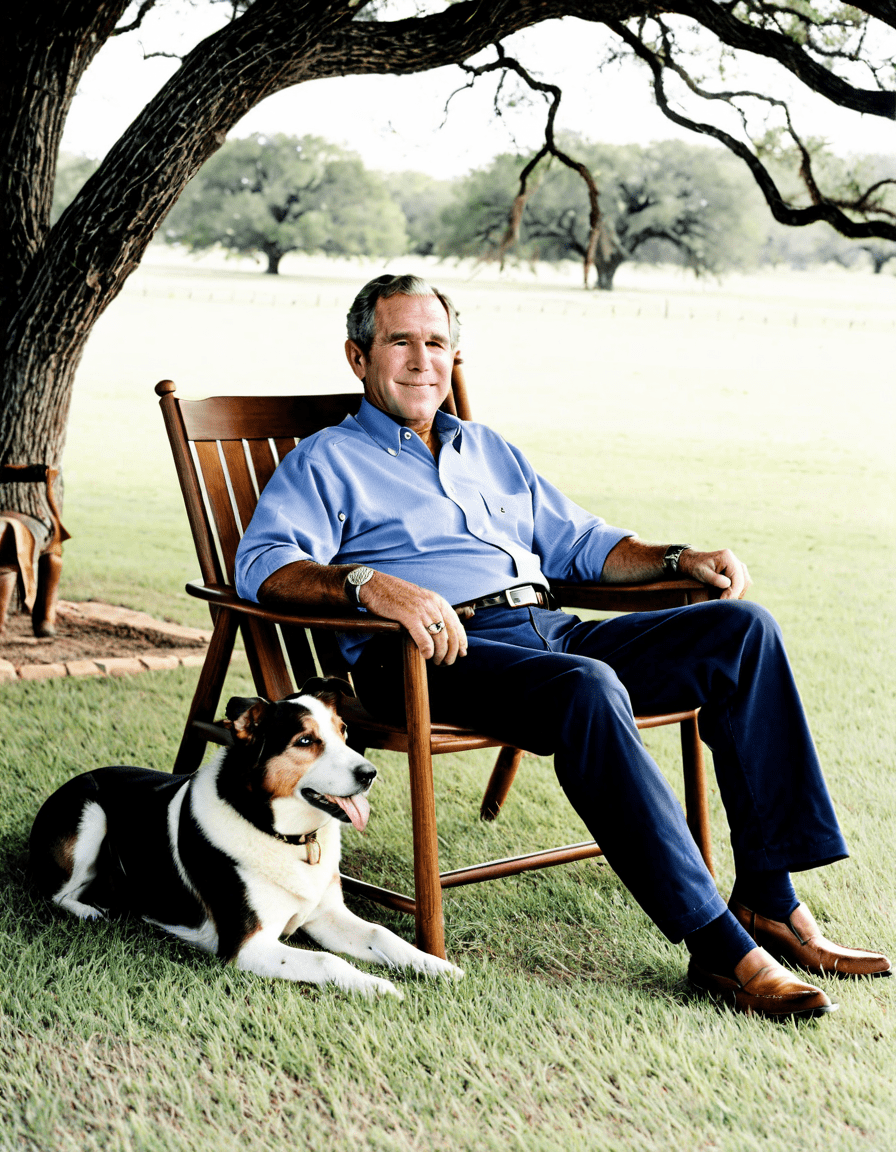
George W. Bush’s presidency stands as a pivotal chapter in American history, marked by immense challenges and profound transformations. From the immediate shockwaves of the 9/11 attacks to the far-reaching effects of his foreign and domestic policies, Bush’s time in office shaped not just a nation but influenced the broader dynamics of global politics. His administration grappled with issues from major conflicts overseas to significant domestic reforms, and understanding George W. Bush’s presidency unveils a tapestry of decisions echoing through history.
1. The Defining Moments of George W. Bush’s Presidency
The 9/11 Attacks and the War on Terror
The world watched in horror on September 11, 2001, as terrorists orchestrated a brutal attack on the United States. In that moment, George W. Bush became a symbol of resilience, famously declaring, “We will not tire, we will not falter, and we will not fail” to Congress. This immediate response birthed the War on Terror, leading to military actions in Afghanistan. The objective was clear: dismantle Al-Qaeda and overthrow the Taliban regime, thereby changing U.S. foreign policy and igniting debates that would resonate for years.
The Invasion of Iraq: Rationale and Outcomes
Fast forward to 2003, and the scene shifted dramatically with the invasion of Iraq. Justified by claims that Saddam Hussein had weapons of mass destruction (WMDs), the military action was met with skepticism. While no such weapons were found, the invasion initiated a domino effect, altering the Middle East’s political landscape and giving rise to groups like ISIS. This decision left a legacy woven with complexities, altering the dynamics of international relations and internal peace within Iraq.
Domestic Policies: Education Reform and Medicare Expansion
On the home front, George W. Bush championed significant domestic reforms. The No Child Left Behind Act aimed to elevate educational standards, emphasizing accountability and standardized testing. However, this approach sparked heated debates about educational equity. Additionally, his signing of the Medicare Modernization Act expanded prescription drug benefits for seniors. Critics argued this expansion would burden taxpayers in the long run, reflecting the tension between immediate needs and fiscal responsibility.
Handling of Hurricane Katrina
The 2005 devastation of Hurricane Katrina is often viewed as a glaring moment of mismanagement in the Bush presidency. The federal response was slower than anticipated, leading to widespread criticism and accusations of inadequate leadership. This event didn’t just reveal government shortcomings but also exposed stark socioeconomic divides in America. The tragedy ignited conversations about governmental responsibilities in disaster preparedness and the systemic inequalities that need addressing.
Financial Crisis of 2008
As George W. Bush’s presidency neared its end, the financial landscape imploded, characterized by the subprime mortgage crisis. Amidst the chaos, Bush’s administration launched the $700 billion Troubled Asset Relief Program (TARP) to stabilize the banking system. This upheaval raised questions about deregulation and government intervention, highlighting the delicate balance of free markets and oversight in an ever-evolving economic environment.
Foreign Relations: A Shift from Diplomacy to Intervention
Bush’s approach to foreign relations shifted dramatically post-9/11, veering away from traditional diplomacy toward more aggressive interventions. The fallout from the Iraq War led to frayed relationships with nations like France and Germany, complicating international alliances. Critics argued that this bluster stymied cooperative efforts and sowed distrust, shaping how future administrations would navigate global issues.
His Post-Presidency Influence
Post-presidency, George W. Bush has dedicated himself to various philanthropic efforts through the George W. Bush Institute. His focus on global health, education, and veteran support indicates a commitment to legacy building, aiming for bipartisan cooperation. In doing so, he reflects on the lessons learned during his tenure, aiming to contribute positively to American society and the global landscape.
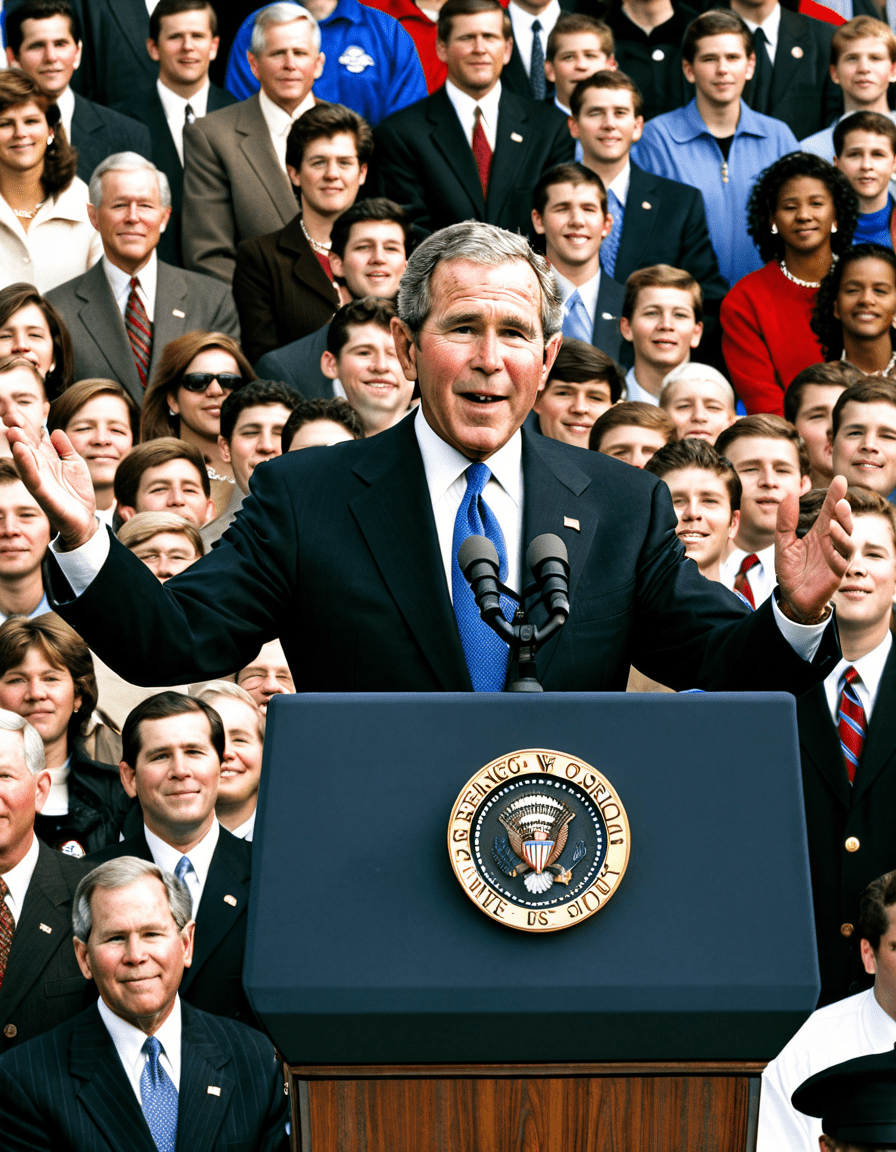
2. The Legacy of George W. Bush: An Evolving Perspective
Public Perception Over Time
Initially, George W. Bush faced significant disapproval during and post-presidency. However, perceptions have shifted over time. According to surveys, more Americans view his leadership, particularly his display of empathy after 9/11, in a more favorable light today. This evolving view underscores how retrospective analysis influences historical narratives.
Impact on Modern Republicanism
George W. Bush’s presidency laid the groundwork for contemporary Republican ideals. His blend of compassionate conservatism and assertive foreign policy resonates with figures like Marco Rubio and Jeb Bush today. This melding of values continues to shape modern conservatism, reflecting how his legacy persists within the party.
Challenges in Education and Health Care
Despite progress through initiatives like No Child Left Behind, educational reform remains contentious. Discussions around standardized testing and funding equity still dominate current debates. In healthcare, the expansion of Medicare benefits has fueled ongoing conversations, especially as costs continue to rise and reform remains a hot-button issue.
3. Comparing George W. Bush to His Predecessors
Bush vs. Clinton: Economic Policies
Examining the economic strategies of George W. Bush alongside Bill Clinton provides valuable insights. Clinton focused on fiscal discipline and achieving budget surpluses. In contrast, Bush’s tax cuts aimed to stimulate the economy, ultimately leading to increasing deficits, particularly highlighted during the 2008 financial crisis. This comparison showcases divergent philosophies on governance and economic management.
Bush vs. Obama: Foreign Policy Approaches
Transitioning from Bush to Barack Obama presents a stark contrast in foreign policy approaches. Obama’s emphasis on diplomacy and multilateral efforts often served as a countermeasure to Bush’s militaristic stance. This shift highlights evolving narratives in U.S. politics and presents a broader view of the nation’s foreign relations.
4. Innovative Reflections on George W. Bush’s Historical Significance
The presidency of George W. Bush serves as a multifaceted case study of crisis leadership and decision-making. His administration’s choices during tumultuous times elicited significant changes in American society and international relations. As we advance into the 21st century, understanding the enduring effects of his presidency becomes crucial for future leaders and scholars.
Navigating the varied aspects of George W. Bush’s legacy teaches us critical lessons in governance and crisis response. Both accomplishments and failures shape historical narratives, reminding us that context is essential in interpreting the significance of leadership in times of uncertainty.
In conclusion, George W. Bush’s presidency remains a complex tapestry. As we reflect on his time in office, it becomes apparent that the implications of his leadership continue to resonate in contemporary discourse, helping shape the American political landscape in 2026 and beyond.
For those interested in exploring more about engaging narratives and cultural reflections, be sure to check out our features on Wall-e and the insights on Dungeons And Dragons that highlight storytelling in various forms. Visit Francie for nuanced discussions, and if you’re a fan of classic cinema, don’t miss our retrospective on Benjamin Button.
george w bush: A Close Look at His Presidency and Legacy
The Man Behind the Presidency
Did you know that george w bush shares a unique connection with the entertainment industry? His daughter, Jenna Bush Hager, has made quite a name for herself as a television personality and author. Meanwhile, his presidency has had its share of connections to pop culture, including the unexpected homage in Jim Skrips works. Just like how movies can reflect societal changes, george w bush’s policies also marked a significant shift in American history. This personability seems to resonate with those who admire figures like Pat Benatar, who also represents resilience and determination in her own field.
Challenges Faced During His Time
Throughout his two terms, george w bush faced numerous challenges, the most notable being the events of September 11, 2001. This traumatic moment changed the landscape of American politics and led to his controversial decisions regarding security and foreign policy. Interestingly, his administration’s push for reform also spurred dialogue about the definition of covenants in various sectors, from finance to civil rights. It’s a fascinating parallel to consider how different spheres, like how travelers explore dreamy spots like Paros, can converge during pivotal moments in history.
Legacy and Impact
Looking back, the legacy of george w bush is still being debated today. His economic policies, particularly during the 2007 financial crisis, have been scrutinized, much like the critical reviews of blockbuster films, such as “Jurassic World: Rebirth,” which takes a thrilling look at resilience and decision-making in the face of adversity. While some view bush’s presidency as tumultuous, others appreciate the foundational changes he championed in education and healthcare, showcasing a complex picture that keeps historians and commentators busy. Ultimately, george w bush’s time in office reveals how leaders navigate both triumphs and challenges, leaving a mark that continues to spark discussion across various platforms and ideologies.