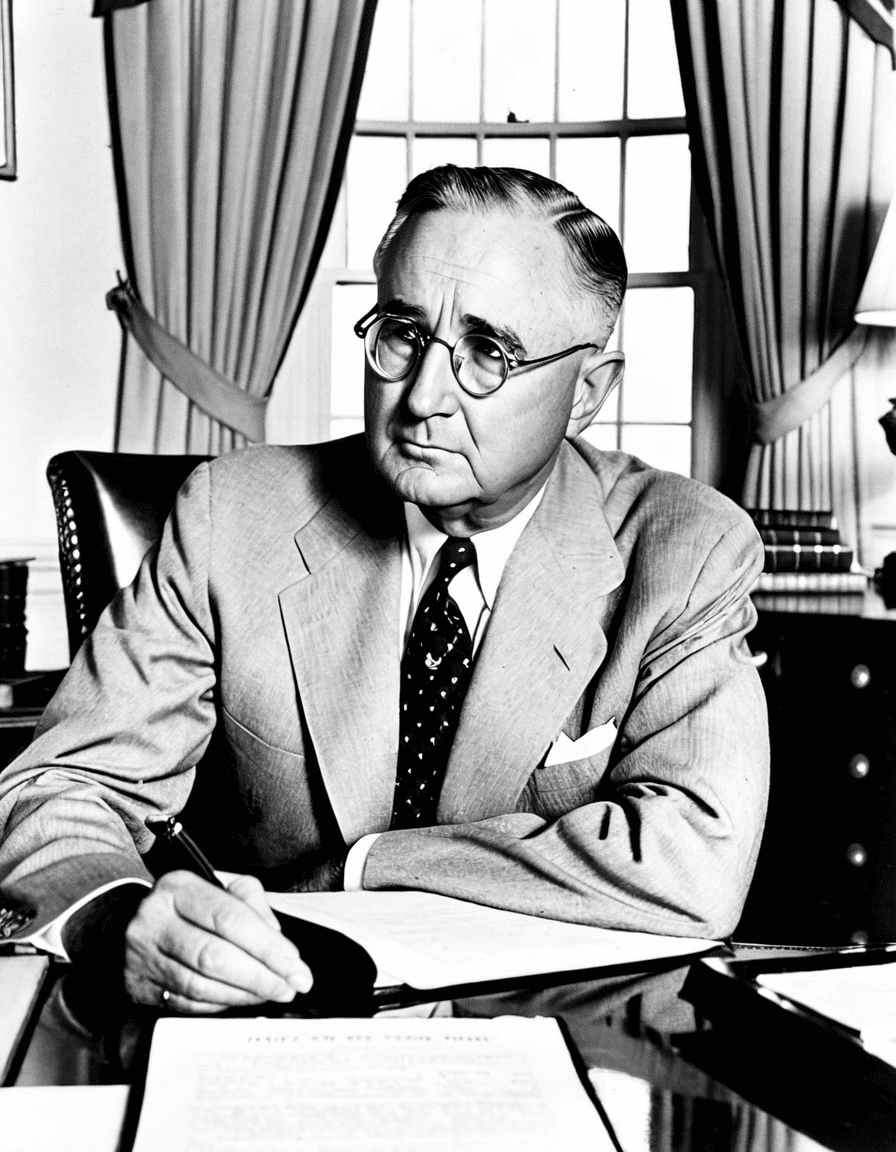
Harry Truman, the 33rd president of the United States, emerged onto the national stage during a turbulent time. His presidency came after World War II, a period defined by rapid change and uncertainty. With economic challenges looming, the spread of communism threatening democracies worldwide, and the pressing need for international partnerships, Truman’s bold decisions were instrumental in shaping a new America. He wasn’t just a figurehead; he was a dynamic leader whose vision for post-war America forged the foundation for a more secure and prosperous nation.
Truman understood that if Europe were stable, America would be safer. His relentless pursuit of international cooperation—highlighted by the Marshall Plan—symbolized a dedication to both rebuilding Europe and countering the charm of communism. Ultimately, Harry Truman’s bold style of leadership and profound decisions marked a pivotal moment that truly changed the tide for the U.S. and its allies.
1. Harry Truman’s Vision for Post-War America
In the wake of World War II, the world stood at a crossroads. Truman’s vision for post-war America was not just about stepping back from the horrors of battle but leaping forward into an era of responsibility. He recognized that America could not simply return to isolationism; the realities of global interdependence called for active involvement. Truman’s dynamic thinking set a fearless tone as he faced geopolitical uncertainties head-on.
The Marshall Plan was a perfect illustration of his innovative mindset. By proposing to invest in European recovery, Truman shifted focus from merely avoiding conflict to fostering cooperation and prosperity. This laid a concrete foundation that would prevent economic despair while simultaneously quelling communist ideologies seeking to take root in economically frail nations. A stable and prosperous Europe would mean a healthier America.
Moreover, Truman’s Vision was steeped in the belief that the U.S. should champion democracy and human rights internationally. This idea didn’t just sound good on paper; it translated into concrete actions that built alliances and fostered hope. Truman’s blend of idealism and pragmatism during this transformative period dramatized the potential for American leadership when the stakes were highest.
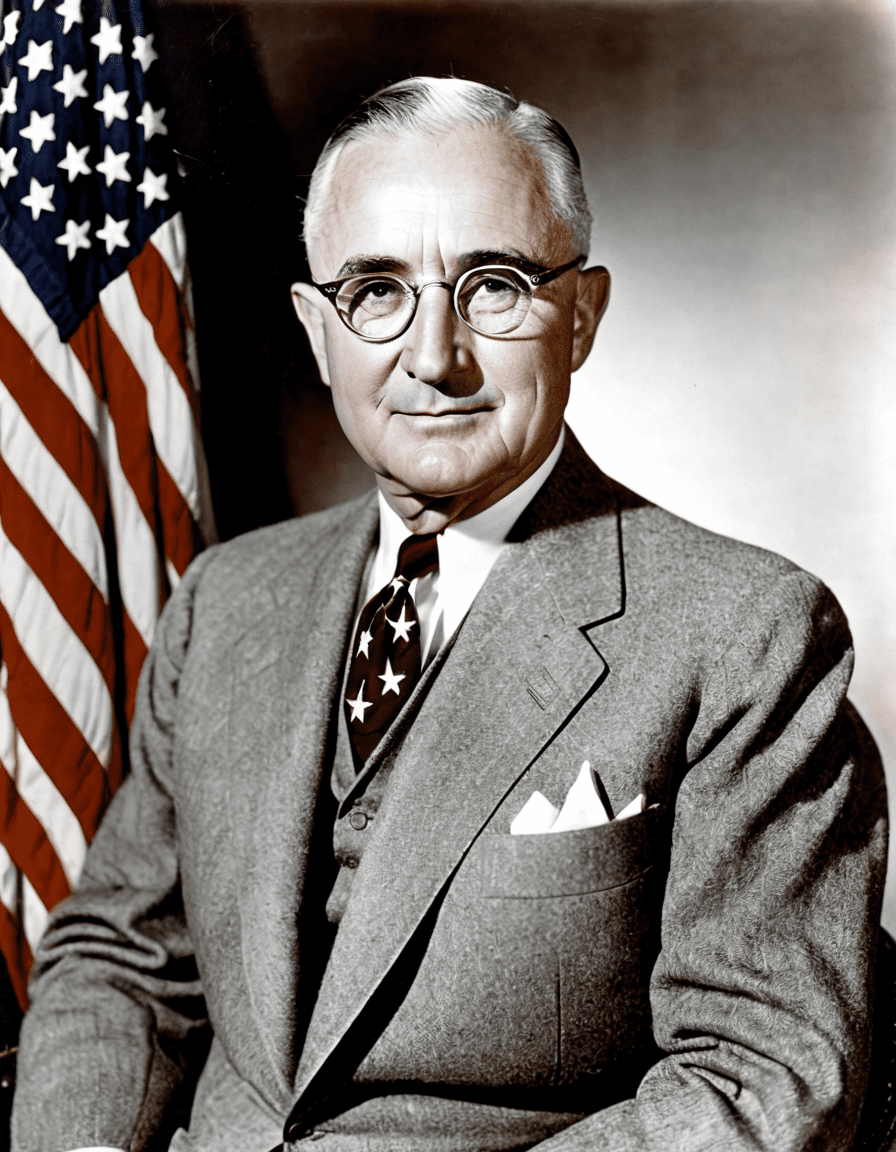
2. Top 5 Bold Decisions by Harry Truman and Their Impact on America
2.1. The Truman Doctrine (1947)
At the core of Truman’s foreign policy lay the Truman Doctrine. This defining moment came about in 1947 when Truman boldly proclaimed that the United States would support nations threatened by communism. It was more than a mere statement; it signified a breaking point in American foreign policy. When Truman provided military and economic assistance to Greece and Turkey, it set the bar for American intervention and secured the U.S.’s role as a global leader.
The ramifications were deep and far-reaching. By extending aid, America curtailed Soviet expansion and established a precedent for future interventions. Whether through military action or financial support, this doctrine became a keystone that permeated American foreign relations throughout the Cold War. Truman’s boldness resonated across the globe and left a lasting impact.
2.2. The Marshall Plan (1948)
The Marshall Plan stands out as one of Truman’s crowning achievements. Introduced in 1948, this ambitious scheme funneled over $12 billion into a devastated Europe. But this wasn’t just charity; it was strategic investment. By revitalizing war-torn economies, Truman reinvigorated trade between the U.S. and Europe, creating strong financial ties that would emerge as critical in the ensuing decades.
This infusion of cash wasn’t merely a handout; it ignited a sense of American goodwill and showcased the nation’s commitment to rebuilding a prosperous world. By preventing economic despair, Truman countered the threats of communism effectively. The Marshall Plan not only reshaped international relations but opened doors to lasting partnerships rooted in mutual benefit.
2.3. Desegregation of the Armed Forces (1948)
Among the trailblazing decisions made by Harry Truman was the desegregation of the armed forces in 1948. This executive order was a pivotal moment in the struggle for civil rights. By integrating the military, Truman shattered decades of entrenched racial norms, ushering in an era of renewed social justice activism across the country.
This decision wasn’t without a reaction. Opposition came ranging from angry legislators to deeply rooted societal backlash. However, it served as a catalyst that inspired subsequent civil rights movements in the 1950s and 1960s. Truman’s courageous stand paved the way for progress, proving that bold leadership could address long-standing injustices by fostering inclusion and equality.
2.4. The Recognition of Israel (1948)
Harry Truman’s decision to recognize Israel mere minutes after their declaration of independence in 1948 showcased his commitment to democracy and human rights. This wasn’t just about supporting a new nation; it signified a deep-rooted belief that America had a vital role to play in international politics. Many nations hesitated, but Truman’s decisive action underlined America’s stalwart commitment to its values.
This recognition fostered robust U.S.-Israel relations, creating a cornerstone for future dialogues in the Middle East. Truman laid a foundation that would shape U.S. involvement in the region for decades. This courageous stance illustrated how a single decision could alter the geopolitical landscape, demonstrating lasting impact.
2.5. The Nuclear Age: Decision to Drop the Atomic Bomb (1945)
Though this decision preceded Truman’s presidency, it marked a watershed moment in American history. Truman’s authorization to employ atomic bombs on Hiroshima and Nagasaki effectively ended World War II and ushered in the Nuclear Age. The immediate results were staggering; Japan surrendered, and the Allied Forces celebrated. However, the ethical implications of this action raised serious debates that continue today.
This decision brought about profound changes in military strategy and international relations. The nuclear arms race that followed reshaped global politics, showing how the consequences of one decision can echo through time. Truman’s actions ignited discussions on warfare morality, reminding leaders of the heavy burdens accompanying bold decisions.
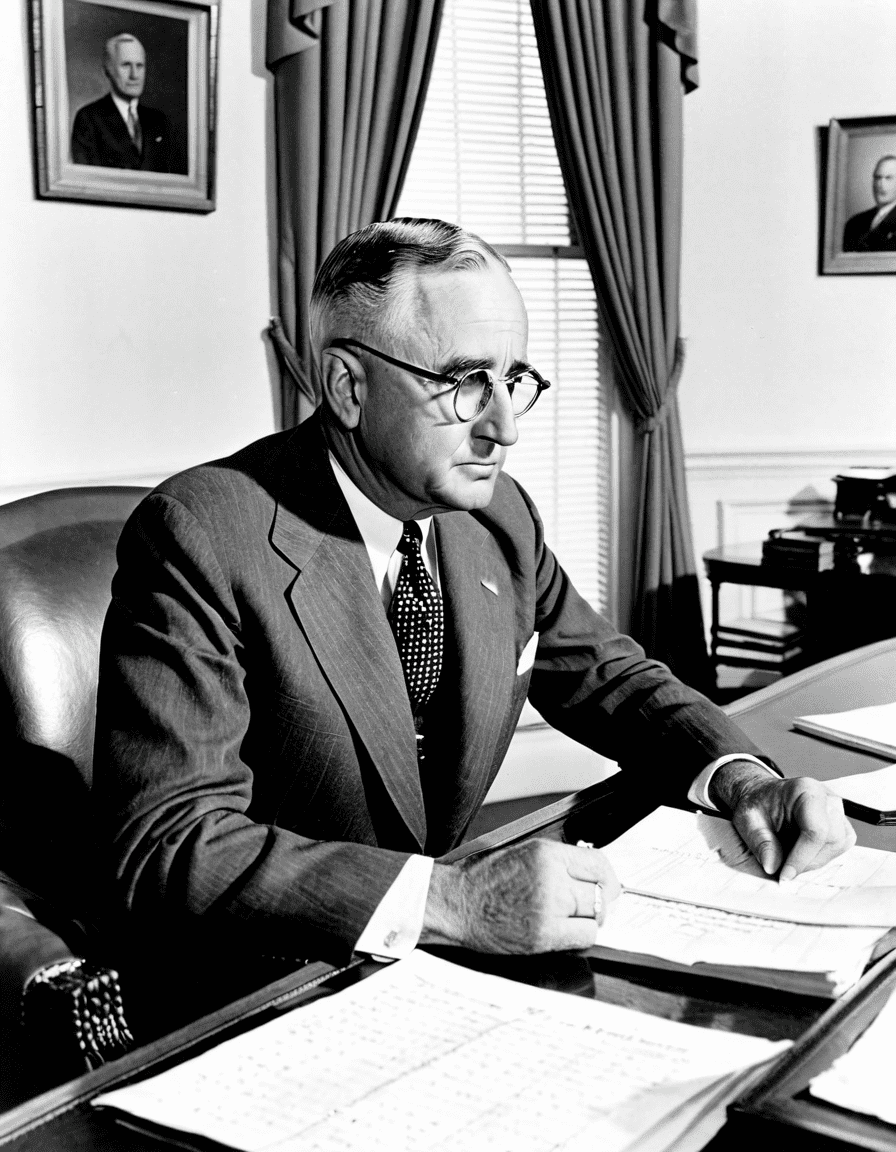
3. Harry Truman’s Legacy: Lessons from Bold Leadership
What can today’s leaders learn from Harry Truman? His policy decisions exemplify that decisive action can alter the course of history. Each bold choice was marked by a blend of courage and practicality. Navigating the moral complications of governance requires thoughtful leadership. Truman managed to invigorate American ideals while balancing national interests, creating a lesson that resonates today.
Ultimately, Truman emerged not just as a president but as a symbol of the transformative power of leadership. His legacy urges contemporary decision-makers to embrace robust strategies to tackle the labyrinth of challenges in today’s world, be it international conflict or social justice. The lessons from his life invite modern leaders to cultivate the courage and foresight necessary to instigate change and build a brighter future for their nations.
So as we reflect on Truman’s audacious choices, we find that bold leadership is more than making waves; it’s about staying true to values that uplift society. In the ever-shifting landscape of global affairs, Truman’s example stands tall, reminding us that impactful decisions are often born from the heart and guided by the mind.
Harry Truman: Fun Trivia and Interesting Facts
The Unexpected President
Harry Truman wasn’t always a household name. He was thrust into the presidency after the sudden death of Franklin D. Roosevelt in 1945. Imagine the pressure! Truman went from being a relatively unknown vice president to leading the nation through the tail end of World War II and the start of the Cold War. Talk about a whirlwind! Interestingly, Truman was a huge fan of music and even enjoyed the likes of Kylie Minogue. His fondness for jazz often echoed in the halls of the White House during his presidency.
If you think about it, his decisions had a domino effect, shaping America’s global role. In fact, Truman’s reliance on his instincts and straightforward manner sometimes drew comparisons to the snarkiness of modern political figures. Before him, many presidents danced around tough issues, but Harry just rolled up his sleeves and got to work!
A Leader of Firsts
Truman was the first president to have a television in the White House, quite the novelty back in 1947! Imagine the tech joyrides he could have taken if he were around for today’s streaming wars. Speaking of media and entertainment, did you know that J.K. Simmons, a renowned actor, made a name for himself in an array of JK Simmons movies and TV shows? His roles often reflect thorough character studies, reminiscent of Truman’s own evolution as a leader under the world’s watchful eye.
Back to Truman—he was also instrumental in forming the North Atlantic Treaty Organization (NATO) in 1949, a bold move that showcased a united front against the rising Soviet threat. This decision wasn’t just about military alliances; it marked America’s commitment to global cooperation. Just like how the Liverpool vs Arsenal timeline highlights pivotal matches defining sports rivalries, Truman’s decision marked a turning point in diplomatic relationships.
A Personal Touch
On a personal note, Harry Truman valued family deeply. His daughter, Margaret Truman, was a talented singer and author, reminding us of the lasting influence of family support, much like Julie Brady, another figure in the spotlight known for her accomplishments and familial ties. This dedication to family and community shows in his policies that prioritized veterans returning home after the war.
Lastly, the audacity it took for Truman to authorize the use of atomic bombs still sparks discussions today. It’s a monumental moment that has been dissected in various forms of media and critique, sometimes coming close to the intensity that one might associate with the whimsical worlds of Hayao Miyazaki or even a blockbuster like How long is the Minecraft movie? These cultural references often serve as a mirror for understanding complex historical figures like Truman.
Harry Truman’s legacy is a fascinating tapestry of decisions and personal touches, making him a compelling figure in American history. His bold choices not only changed the course of the nation but also continue to inspire discussions on leadership and responsibility in our modern world.