
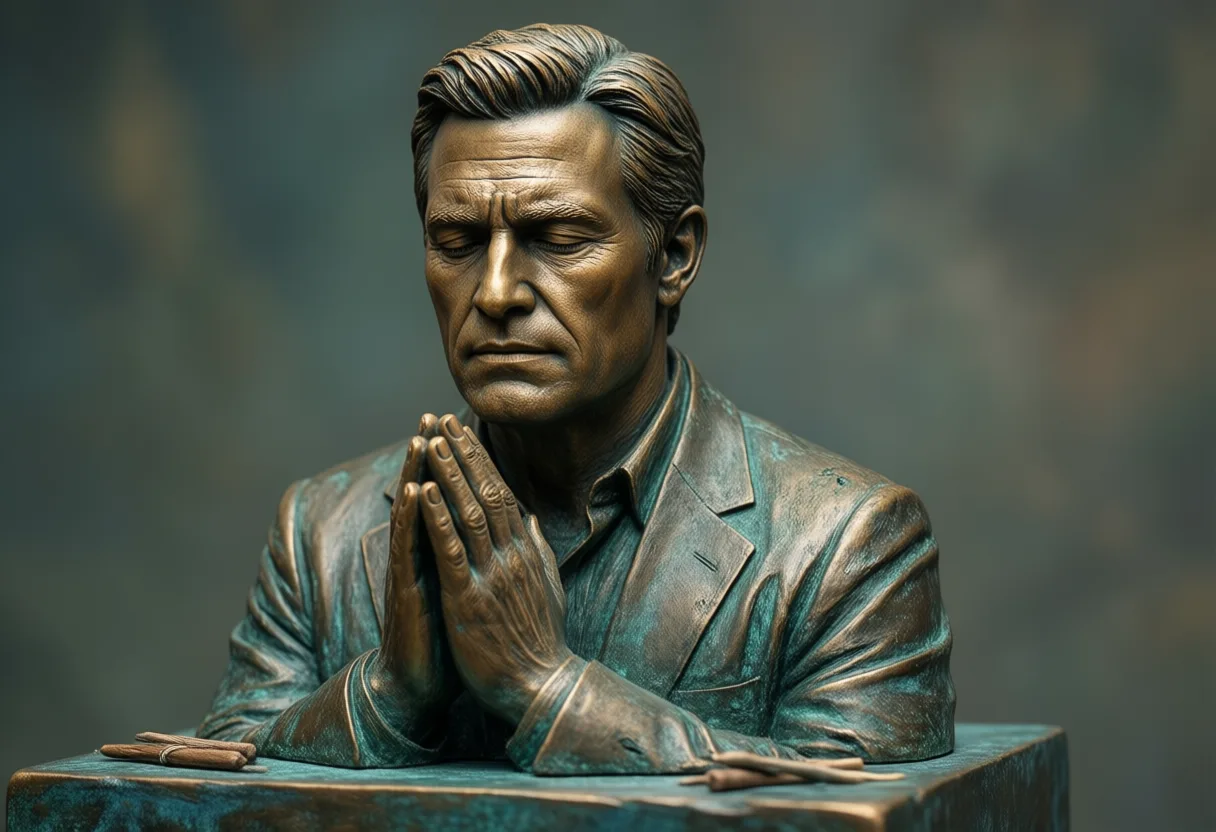
A quiet intensity has always defined Jim Caviezel’s Screen presence-a stillness that suggests depths not immediately visible. He doesn’t command attention with volume, but with conviction, stepping into roles that demand moral weight and emotional restraint. His career, marked by both spiritual gravitas and genre reinvention, reflects an actor who chooses substance over spectacle.
A Career Forged in Fire: The Roles That Defined Jim Caviezel
Jim Caviezel’s filmography is less a collection of performances than a journey through identity, sacrifice, and resilience. Early roles positioned him as a leading man with classical features and a contemplative gaze, but it was his willingness to embrace complexity that set him apart. He didn’t chase box office highs; instead, he gravitated toward characters wrestling with purpose, often standing at the crossroads of faith and duty.
In Films like The Thin Red Line, Caviezel portrayed soldiers not as heroes or victims, but as men caught in the philosophical storm of war. His performance as Witt was meditative, almost spiritual-a soldier who sees beauty amid chaos. This role, though ensemble-driven, signaled his affinity for material that questioned the human condition rather than simply advancing plot.
Later, in Frequency, he balanced emotional sincerity with genre mechanics, playing a son communicating across time with his deceased father. The film blended science fiction with heartfelt drama, and Caviezel anchored it with quiet sincerity. It became a cult favorite, proof that Audiences Responded to his ability to make the improbable feel intimate.
From Stage to Screen: Early Breaks and Theatrical Roots
Before cameras captured his nuanced expressions, Caviezel trained in theater, where the discipline of live performance shaped his approach to character. That foundation is evident in his precise diction and physical control-qualities that serve both dramatic intensity and understated realism. His early television appearances were brief but telling, revealing a Young actor Comfortable in his skin, even when the material wasn’t.
He arrived in Hollywood during the 1990s, a Decade defined By stylistic excess and antiheroes, yet Caviezel stood apart with a demeanor that felt almost anachronistic. Roles in P.I. Private Investigations And Tales from the Crypt Showcased his range, though they offered only glimpses of his potential. He wasn’t playing for camp or shock; even in genre fare, he sought truth in the margins.
It was clear from these early appearances that Caviezel wasn’t interested in being merely seen-he wanted to be Felt. This distinction would come to define his career, especially as he began to attract roles that required not just acting skill, but personal investment. Like Zendaya Movies and shows That Redefine stardom, his path reflects a commitment to roles with cultural and emotional resonance.
The Role That Changed Everything
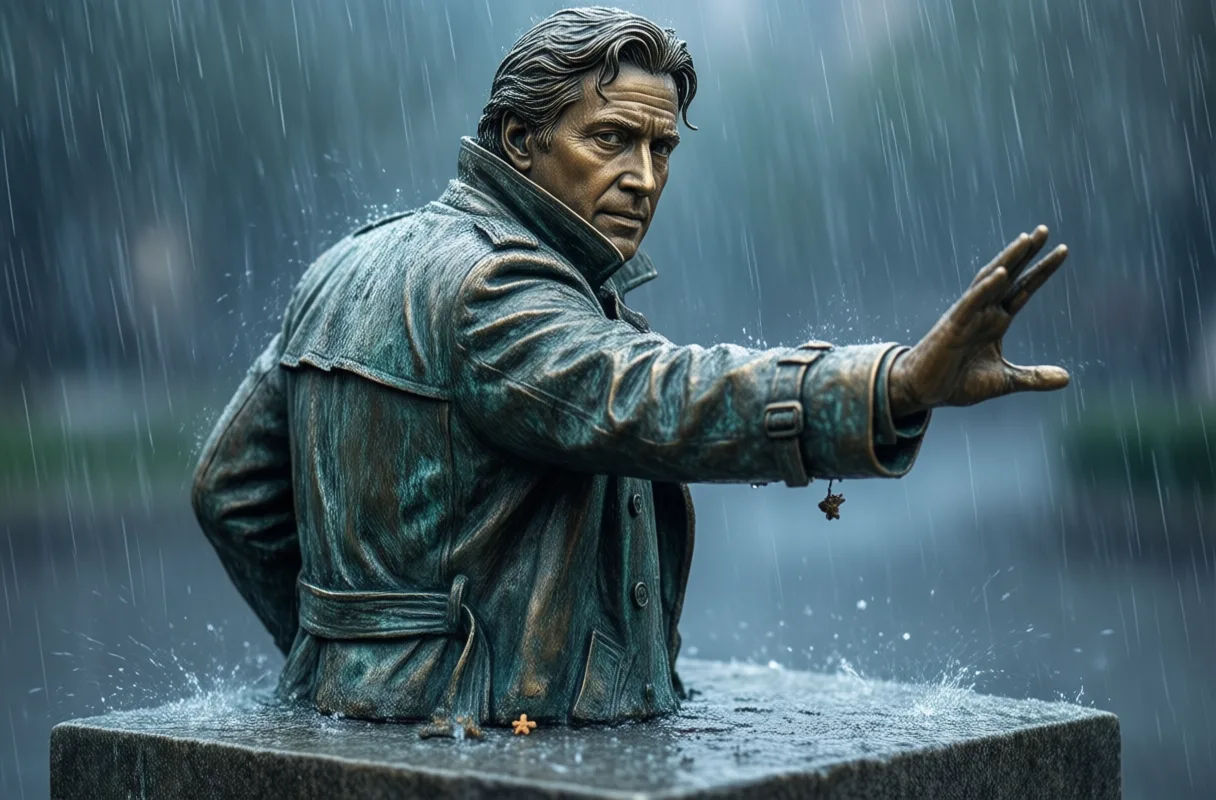
No role altered the trajectory of Caviezel’s life as profoundly as Jesus Christ in Mel Gibson’s The Passion of the Christ. The film was a cultural earthquake, polarizing audiences and critics alike, but Caviezel’s performance stood at its still center. He carried the weight of centuries of devotion, skepticism, and artistic interpretation-without uttering more than a few lines in Aramaic and Latin.
His portrayal was raw, unflinching, and deeply physical. The scourging scene, in particular, remains one of the most harrowing in modern cinema, not for its violence alone, but for the dignity Caviezel maintained throughout. He didn’t dramatize suffering-he embodied it, making the spiritual tangible. Critics debated the film’s message, but few questioned the sincerity of his performance.
This role transcended acting; it became an act of personal conviction. Caviezel has spoken openly about the spiritual impact of the experience, describing moments on set that he believed were divinely guided. Whether one shares his beliefs or not, the commitment was undeniable-and it changed how audiences saw him. He was no longer just an actor; he was a vessel.
A Star’s Burden: Life After an Iconic Performance
Fame after The Passion of the Christ Came with a unique burden. Caviezel was no longer just associated with a role-he was inseparable from it in the eyes of many. Offers poured in, but often for projects with overt religious themes, limiting his range in the public imagination. Hollywood, which often rewards reinvention, seemed unsure what to do with an actor so deeply tied to a singular, sacred image.
He faced professional backlash, too. Some in the industry viewed his vocal faith as incompatible with the secular nature of mainstream entertainment. Roles that might have come easily to others were harder to secure. Yet Caviezel remained selective, prioritizing integrity over opportunity-a stance that echoes the quiet defiance seen in Cristin Milioti movies And Tv Shows : 10 Shocking Roles You Won ’ T Believe.
Rather than retreat, he adapted. He returned to independent films and faith-based projects, where creative control and thematic alignment mattered more than box office. In doing so, he carved a space where his principles and profession could coexist. It wasn’t the traditional path to stardom, but it was his.
Stepping Into the Shadows: The Evolution of a TV Lead
Television offered Caviezel a new kind of freedom-one where he could disappear into a character over time, away from the spotlight’s glare. His role as John Reese in Person of Interest Marked a dramatic shift: from the sacred to the surveillance state, from silence to relentless action. Reese was a ghost, a former CIA operative living off the grid, driven by guilt and a need for redemption.
The series, created by Jonathan Nolan, blended noir sensibilities with futuristic paranoia, imagining a world where an AI predicts violent crimes before they happen. Caviezel’s performance was minimalist but magnetic-his eyes doing much of the work, conveying pain, precision, and purpose. He wasn’t just an action star; he was the moral compass of a machine-driven narrative.
Reese became one of television’s most compelling antiheroes-not because he was ruthless, but because he was Measured. Every fight, every decision, carried emotional weight. Fans of complex protagonists might draw parallels to the layered characters portrayed in Zendaya Movies and shows That Captivate Audiences Everywhere, where depth and evolution define stardom.

When Action Met Intellect
Person of Interest Succeeded not just as a thriller, but as a philosophical exploration of free will, privacy, and human agency. Caviezel’s role demanded more than physicality-he had to embody the tension between instinct and calculation. Reese trusted his training, but the show’s AI, known as “the Machine,” operated on data. Their partnership became a metaphor for the balance between heart and mind.
The series evolved over five seasons, growing darker and more intricate, and Caviezel evolved with it. He portrayed a man slowly relearning how to connect-with his partner Finch, with victims he saved, with the idea of a future. His chemistry with Michael Emerson was understated but profound, built on silence as much as dialogue.
This era of his career proved that A performance can be both physically demanding and emotionally restrained. Caviezel didn’t need monologues to convey inner conflict; a glance, a pause, a shift in posture could say everything. It was a masterclass in economy, reminding viewers that Less can be more when the craft is precise.
The Price of Principle in Hollywood
Caviezel’s career underscores a truth often unspoken in Hollywood: Standing by one’s beliefs can come at a cost. In an industry that prizes adaptability and image management, his openness about his Catholic faith and opposition to certain cultural trends has made him a target of criticism. Some see him as courageous; others, as controversial.
He has spoken about being blacklisted, about roles drying up after The Passion of the Christ. Whether or not those claims are fully substantiated, the pattern is clear: actors who step outside the mainstream narrative often find fewer doors open. Yet Caviezel has continued to work, choosing projects that align with his values, even if they reach smaller audiences.
His choices reflect a deeper philosophy-that Art should serve something greater than entertainment. This isn’t unique to him; actors like Kristen Johnston have navigated personal convictions in public careers, as seen in Kristen Johnston movies And Tv Shows You Need To See. But Caviezel’s path is distinct in its fusion of faith, craft, and quiet resistance.
Beyond the Script: Choosing Roles With Conviction
What separates Caviezel from many of his peers is his Intentionality. He doesn’t appear to act for fame or acclaim, but for alignment-with his beliefs, his craft, his sense of purpose. Whether in October Baby, a film about abortion and adoption, or Sound of Freedom, a thriller based on child rescue operations, his choices carry a moral dimension.
These films have sparked debate, not just for their content, but for the conversations they provoke. They aren’t neutral entertainment; they’re invitations to consider difficult truths. Caviezel doesn’t shy from controversy-he walks into it, believing that Storytelling can be a form of witness.
His filmography may not be the most commercially celebrated, but it is Cohesive in its vision. Each role, whether on screen or streaming, feels like part of a larger journey-one where the actor and the man are not easily separated.

The Quiet Power of a Resilient Career
Resilience isn’t always loud. In Caviezel’s case, it’s in the steady pace of his work, the refusal to be defined by a single role or setback. While others burn bright and fade, he has endured, not through reinvention, but through consistency. He returns to themes of redemption, sacrifice, and justice like a composer returning to a central motif.
He has worked with major directors, from Terrence Malick to Roland Emmerich, yet never seems consumed by the machinery of fame. There’s a humility to his presence, even in action sequences or dramatic climaxes. He doesn’t perform At The audience; he invites them into the character’s experience.
This quiet power-rooted in discipline, faith, and craft-has allowed him to sustain a career that many thought would be derailed by controversy or typecasting. Instead, he has outlasted trends, proving that Longevity in Hollywood isn’t just about talent, but about character.
Why He Still Matters on Screen
In an age of algorithm-driven casting and franchise fatigue, Caviezel represents something increasingly rare: An actor whose presence carries weight beyond the plot. When he steps on screen, there’s a sense that something consequential is at stake. It’s not just about what his character will do, but what he Stands for.
Younger audiences raised on superhero sagas and streaming marathons might overlook him, but his influence lingers in the rise of morally complex protagonists-characters who grapple with ethics, faith, and consequence. Reese from Person of Interest Paved the way for a new kind of vigilante, one driven by conscience rather than vengeance.
He matters because He reminds us that acting can be an act of conviction. Not every role needs to be universally praised to be meaningful. Sometimes, the most impactful performances are the ones that stay with us not for their spectacle, but for their sincerity.
Where Character and Craft Converge
Jim Caviezel’s career is a testament to the idea that True artistry lies at the intersection of personal truth and professional discipline. He doesn’t disappear into roles so much as he Inhabits Them-with his whole self. That kind of commitment is rare, and it doesn’t always win awards, but it earns something more lasting: respect.
From the silent agony of Christ to the calculated precision of John Reese, he has explored the extremes of human experience with the same unwavering focus. He doesn’t rely on charm or quips; his power is in his stillness, his gaze, his willingness to sit in discomfort.
In the end, his legacy isn’t defined by box office numbers or viral moments, but by The quiet resonance of his performances. For those who value depth over dazzle, Jim Caviezel remains a quiet force-one who proves that in the right hands, even the simplest gesture can carry the weight of a thousand words.
From Biblical Epic to Gritty Drama: The Journey of Jim Caviezel
A Star Forged in Fire and Faith
Jim Caviezel’s portrayal of Jesus Christ in The Passion of the Christ (2004) wasn’t just a career-defining role-it came with real sacrifice. During filming, he was struck by lightning, suffered hypothermia, and even dislocated his shoulder during the brutal scourging scene, all while wearing a real crown of thorns. The physical toll was immense, but his commitment to authenticity left a lasting mark on audiences worldwide. Before that, Caviezel had already built a solid reputation in smaller, powerful roles, like the doomed Private Witt in The Thin Red Line (1998), showing his range long before he became a household name.
Beyond the Screen: The Man Behind Reese
While The Passion Brought him global fame, many fans know Caviezel just as well as the quiet, intense John Reese from the CBS series Person of Interest. The show, which ran for five seasons, turned him into a TV action icon, playing a former CIA operative fighting crime with the help of a mysterious AI. Off-screen, Caviezel is known for his deep Catholic faith, which influenced his decision to take on spiritually meaningful roles. He’s also an accomplished pianist and once considered pursuing music seriously before turning to acting. Despite his intense on-screen personas, friends describe him as thoughtful and deeply committed to his family and beliefs.
Frequently Asked Questions
What is Jim Caviezel best known for?
Jim Caviezel is best known for his role as Jesus Christ in The Passion of the Christ. He is also widely recognized for his performance as John Reese in the TV series Person of Interest.
How did Jim Caviezel prepare for his role in The Passion of the Christ?
During filming, Caviezel endured real physical hardships, including being struck by lightning, suffering hypothermia, and dislocating his shoulder. He wore a real crown of thorns, contributing to the role's authenticity.
What was Jim Caviezel's role in Person of Interest?
He played John Reese, a former CIA operative living off the grid, who partners with a mysterious AI to prevent violent crimes. His performance was marked by emotional restraint and moral focus.
How has Jim Caviezel's faith influenced his career?
His deep Catholic faith has led him to choose roles with spiritual and moral significance. He has spoken about the personal and spiritual impact of portraying Jesus and remains selective about projects that align with his beliefs.
This article was produced with AI assistance. How Silver Screen Magazine uses AI.
Simone Reyes tracks shifts in film distribution and digital platforms with clarity and foresight, translating complex trends into accessible insights. She bridges the gap between corporate moves and viewer experience, illuminating how the business shapes what we watch.