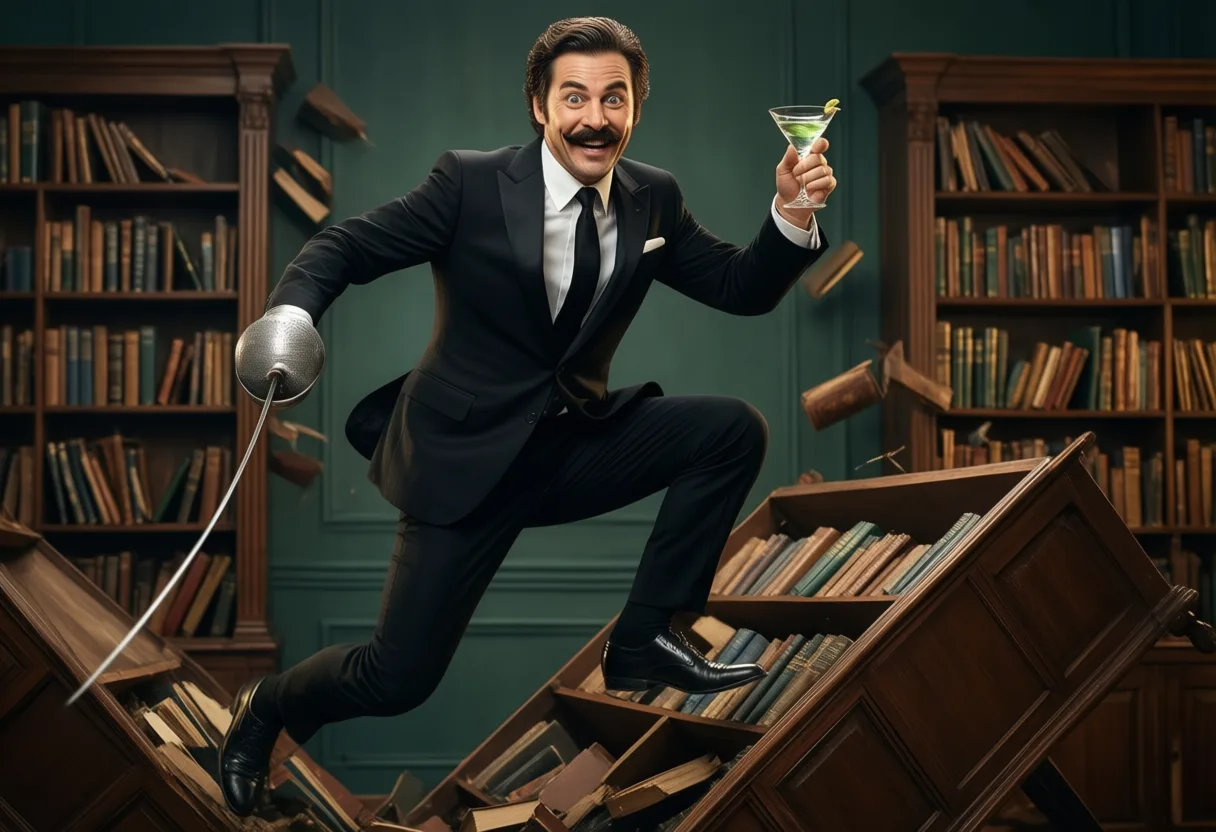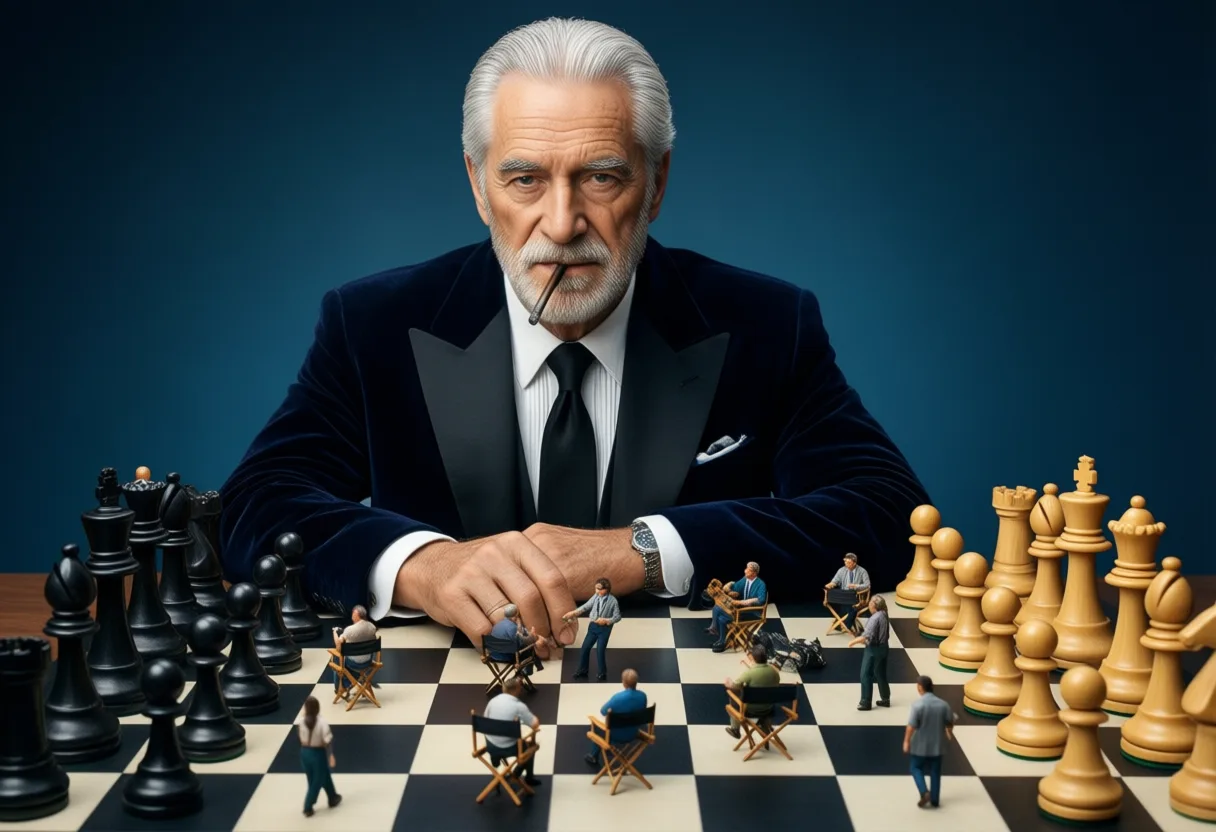

There’s a certain kind of charm that doesn’t age-just mellows, like a fine wine left too long in a teenager’s locker. It’s mischievous, quick-witted, and disarmingly sincere. You see it in the flicker of a grin before the lie slips out, the cocked eyebrow that says, You’re not really mad, are you? That’s the magic Matthew Broderick Mastered early and carried like a passport across decades of film, stage, and television.
He Didn’t Just play the golden boy-he redefined him. Not with brute force or brooding intensity, but with a wink, a dance move, and the kind of timing that makes rebellion look like a party. From high school hallways to Broadway marquees, Broderick carved a niche so specific, so enduring, that even now, decades later, you can’t hear the opening notes of “Twist and Shout” without picturing a red Ferrari and a kid who shouldn’t be having that much fun.
And yet, for all the iconic roles, the Awards, the cultural staying power, Broderick never chased the spotlight like a hungry wolf. He stepped into it, did his thing, and stepped back-graceful, unbothered, always in control.
The Rise of a Boyish Icon
Broderick’s Career Didn’t explode overnight-it simmered, then caught fire at just the right moment. Born in New York City on March 21, 1962, he grew up surrounded by the rhythms of theater and storytelling. His mother, Patricia Broderick, was a playwright, and the arts weren’t just encouraged-they were the family business.
He started small, as most do, cutting his teeth in off-Broadway productions in the early 1980s. These weren’t splashy debuts or viral moments. They were quiet, disciplined years of craft-learning how to hold a Stage, how to land a line, how to make silence speak. It’s the kind of foundation that doesn’t show in headlines but shows in every performance.
Then came Brighton Beach Memoirs. A Neil Simon play. A breakout role. Broderick didn’t just step into it-he owned it, winning a Tony Award at just 21. That’s rare. That’s lightning in a bottle. And he did it again the next year with The Producers, securing his second Tony before most Actors Have even booked their first national tour.
It’s easy to reduce Broderick to Ferris Bueller. But by the time he played that role, he was already a Broadway prodigy. The transition to film wasn’t a leap-it was a natural extension of a talent that thrived on energy, precision, and emotional transparency.
His stage work proved he could carry a show. His film roles proved he could carry a generation’s imagination.
And let’s be honest-there aren’t many actors who could go from reciting monologues in a dimly lit theater to lip-syncing on a float in a parade and make both feel equally iconic.
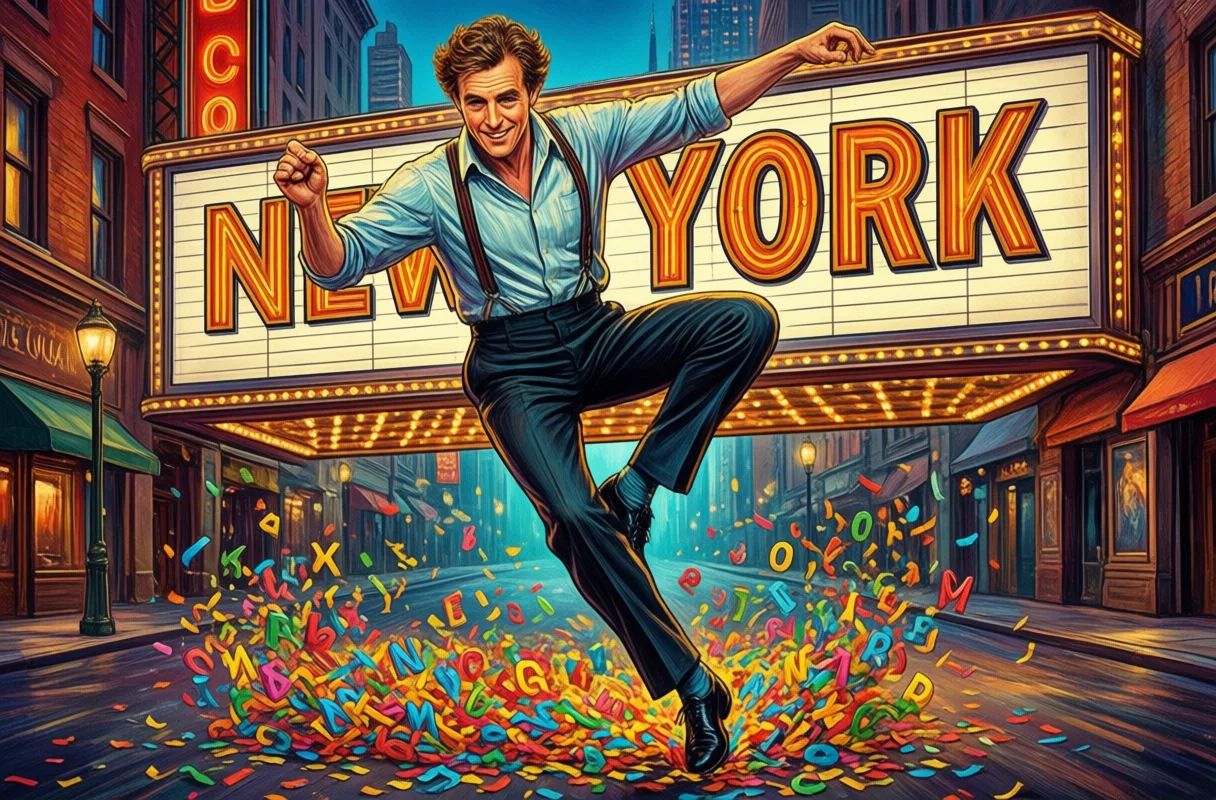
Defining a Generation: Ferris Bueller and Beyond
When Ferris Bueller’s Day Off Hit theaters in 1986, it didn’t just become a hit-it became a cultural reset. Directed by John Hughes, the film was a love letter to teenage audacity, and Broderick was its perfect messenger. As Ferris, he wasn’t just skipping school. He was rewriting the rules, one smirk at a time.
The role was tailor-made for Broderick’s strengths: charm that borders on criminal, intelligence that never feels smug, and a physicality that turns everyday actions into performance art. Whether he’s faking illness, stealing a car, or leading a parade dance, Ferris never feels like a jerk. He feels like the kid we all wished we had the guts to be.
And that’s the genius of it. Broderick didn’t play a rebel. He played a Conductor-someone who orchestrates joy, who turns chaos into harmony. The famous parade scene isn’t just funny. It’s euphoric. It’s pure cinematic alchemy.
Other roles followed, each adding dimension to his range. In WarGames (1983), he played David Lightman, a teenage hacker who nearly starts World War III. The film tapped into Cold War anxieties, but Broderick kept it human-curious, nervous, just a kid in over his head. It was a performance that balanced tech-savvy cool with genuine vulnerability.
Then there was Godzilla (1998), where he played Dr. Niko “Nick” Tatopoulos, a scientist caught in the middle of a monster-sized disaster. The film had its critics, but Broderick brought his trademark wit and relatability to a role that could’ve been buried under special effects.
He never relied on spectacle. He relied on connection.
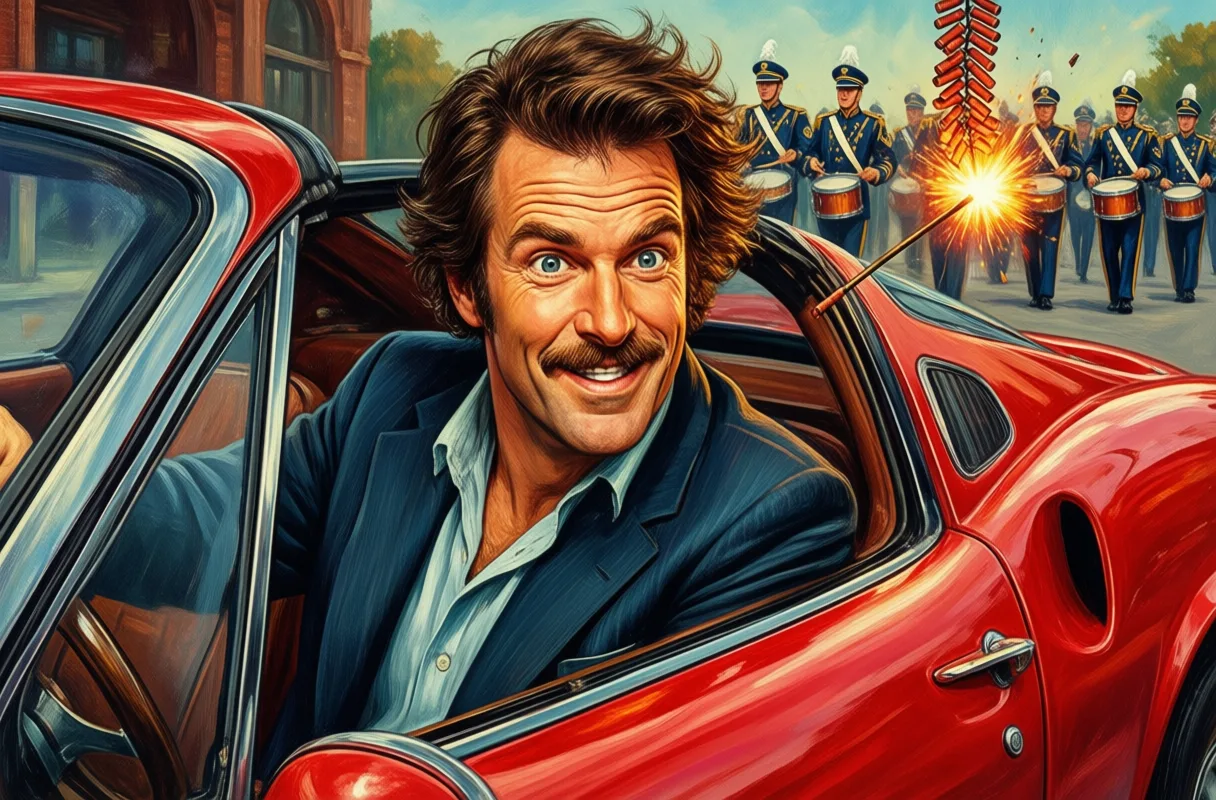
Mastery of the Stage: A Theatrical Legacy
While Hollywood celebrated him as a film star, Broderick never abandoned the stage-the place where he first proved his worth. His return to Broadway wasn’t a nostalgia trip. It was a reaffirmation.
In 2001, he took on the role of J. Pierrepont Finch in the revival of How to Succeed in Business Without Really Trying. The show was a throwback, a satire of corporate ladder-climbing from the 1960s. But with Broderick in the lead, it felt fresh, sharp, and strangely relevant.
His performance earned him another Tony nomination, proving that his stage presence hadn’t dimmed with time. If anything, it had deepened. The boyish charm was still there, but now layered with irony, maturity, and a touch of world-weariness.
Broadway audiences didn’t just see a movie star slumming it. They saw a craftsman at work-someone who understood timing, lyrics, and the unspoken contract between actor and audience.
Broderick’s stage career also includes acclaimed performances in The Music Man (2000), where he played the slick con man Harold Hill, and Plaza Suite (2022), a Neil Simon revival that showcased his versatility across multiple characters.
He doesn’t perform for awards. He performs for the craft.
And that’s why, even after four decades, he’s still invited back-both to the stage and to our screens.
Accolades and Influence: A Career That Resonates
Broderick’s impact isn’t just measured in box office numbers or viral clips. It’s etched in awards, nominations, and the quiet respect of his peers.
He has won Two Tony Awards, a rare feat for any actor, let alone one who also found massive success in film. His nominations extend beyond theater-he’s been recognized with nods for a Primetime Emmy, a Grammy, a Golden Globe, and a Screen Actors Guild Award.
These aren’t just trophies. They’re proof of range. Of staying power. Of an artist who refuses to be boxed in.
His voice work, stage recordings, and television appearances have all contributed to a body of work that’s both consistent and surprising. He’s not the loudest actor in the room, but he’s often the most memorable.
And influence? Try turning on any teen comedy made after 1986. See how many protagonists owe a debt to Ferris-those fast-talking, fourth-wall-breaking, rule-bending kids who believe, just for a day, that they’re invincible.
Broderick didn’t invent the charming rogue. But he perfected it.
He showed that sincerity and mischief aren’t opposites-they’re partners in crime.

A Lasting Presence in Film and Culture
More than four decades into his career, Broderick remains a fixture-not because he’s chasing trends, but because he helped define them.
His filmography spans genres: comedy, drama, sci-fi, musicals. He’s played heroes, nerds, con men, and scientists. But there’s a thread that runs through all of them: A belief in the power of wit, timing, and emotional honesty.
He never needed explosions or catchphrases. His weapon was always his face-the raised eyebrow, the suppressed laugh, the look that says, I know what you’re thinking, and yeah, I’m way ahead of you.
And yet, for all the acclaim, Broderick has maintained a rare kind of humility. He’s not on every red carpet. He’s not launching fragrances or streaming shows. He works when he wants to, where he wants to-on his terms.
That kind of restraint is its own kind of rebellion.
In an industry obsessed with reinvention, Broderick’s greatest trick might be staying, well, Broderick. The same guy who danced down Michigan Avenue, who stared down a computer named WOPR, who sang about succeeding with a wink and a shuffle.
Only now, he’s done it all twice-on stage and on screen-and made it look easy.
A Star Who Stole Hearts on Stage and Screen
From Broadway Debut to Hollywood Icon
Matthew Broderick didn’t just stumble into fame-he earned it, one performance at a time. Born in New York City on March 21, 1962, he cut his teeth in off-Broadway shows before making a splash on the big stage. His breakout came in the 1983 play Brighton Beach Memoirs, which earned him his first Tony Award. He followed it up the next year with another win for The Producers, proving he wasn’t a one-hit wonder but a true stage talent with serious comedic timing and depth.
The Face of a Generation
Ask most people what role made Broderick a household name, and they’ll say Ferris Bueller-hands down. As the effortlessly cool high schooler skipping class in 1986’s Ferris Bueller’s Day Off, he became the ultimate fantasy of teenage freedom and charm. That role wasn’t just a hit-it became a cultural touchstone, quoted and imitated for decades. But long before Ferris, he played a teen hacker in WarGames (1983), a film that not only launched his film career but also sparked real-world conversations about computer security and youth in the digital age.
Accolades and Lasting Appeal
Broderick’s talent stretches far beyond one iconic role. He’s been recognized with two Tony Awards and has earned nominations for an Emmy, Grammy, Golden Globe, and a Screen Actors Guild Award-an impressive feat that shows his range across mediums. Whether he’s leading a Broadway musical, voicing characters in animated films, or playing quirky roles in indie comedies, his boyish charm and sharp delivery keep audiences coming back. With a career spanning over 40 years, he’s not just a nostalgic figure-he’s a lasting presence in American entertainment. Explore more stories, videos, and creators on Loaded.
Frequently Asked Questions
What was Matthew Broderick's breakout role?
Matthew Broderick's breakout role was in the 1983 play Brighton Beach Memoirs, which earned him his first Tony Award.
How many Tony Awards has Matthew Broderick won?
Matthew Broderick has won two Tony Awards, one for Brighton Beach Memoirs and another for The Producers.
What is Matthew Broderick best known for in film?
Matthew Broderick is best known for playing Ferris Bueller in the 1986 film Ferris Bueller’s Day Off, a role that became a cultural touchstone.
Has Matthew Broderick been recognized with awards outside of theater?
Yes, Matthew Broderick has received nominations for a Primetime Emmy, a Grammy, a Golden Globe, and a Screen Actors Guild Award.
This article was produced with AI assistance. How Silver Screen Magazine uses AI.
Rohan Kilpatrick dissects the personal lives of stars with wit and precision, balancing insider access with ethical awareness. He delivers the latest whispers and headlines with a sharp eye for irony, never sacrificing style for sensationalism.