
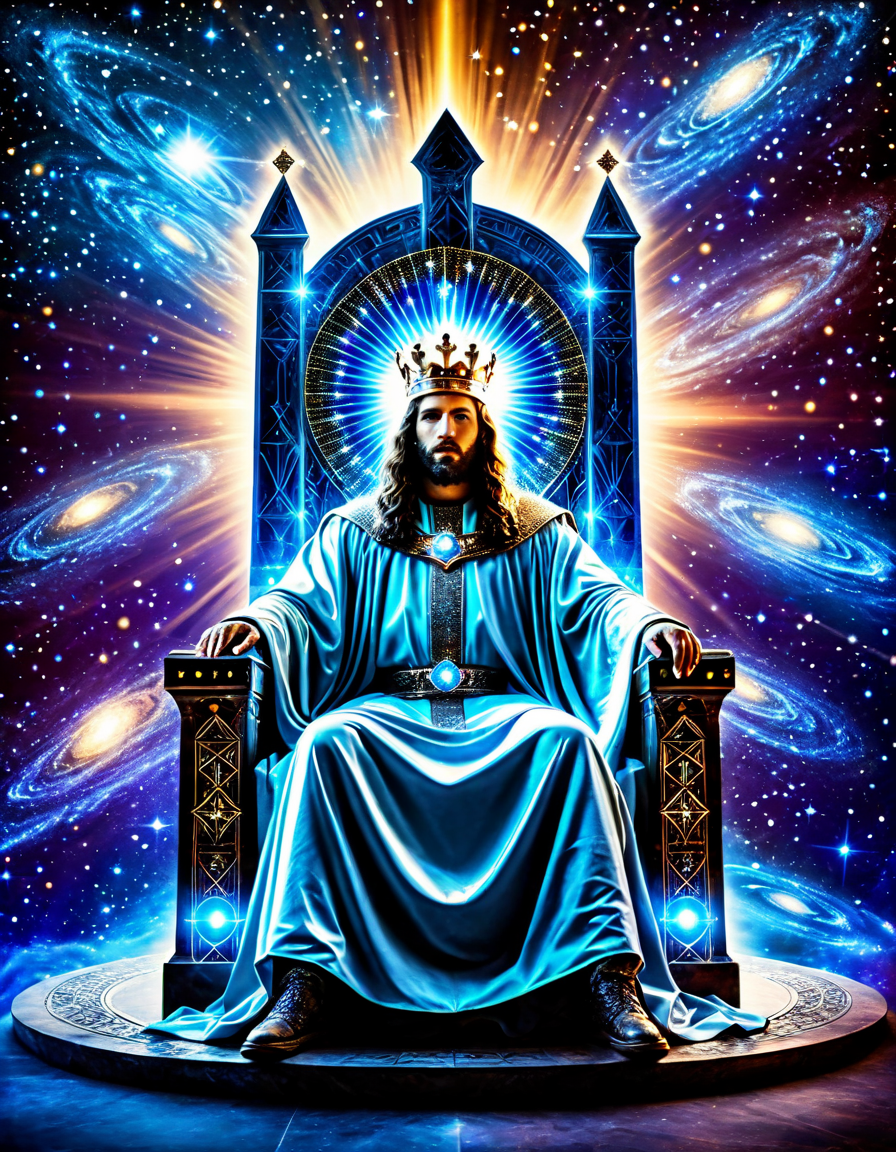
The title “King of Kings” has echoed through history, symbolizing not just a figure of authority but a complex fusion of leadership, spirituality, and cultural beliefs. This article delves into the rich tapestry of kingship, examining its portrayal in film and media, including the iconic Prince of Egypt. Exploring the divine ruler’s legacy sheds light on how these narratives shape our perceptions today. By drawing connections between ancient cultures and contemporary ideas, we uncover the enduring symbolism of authority across various platforms, including films such as the King of Kings movie.
The Symbolism of Kingship in Different Cultures: From King of Kings to Prince of Egypt
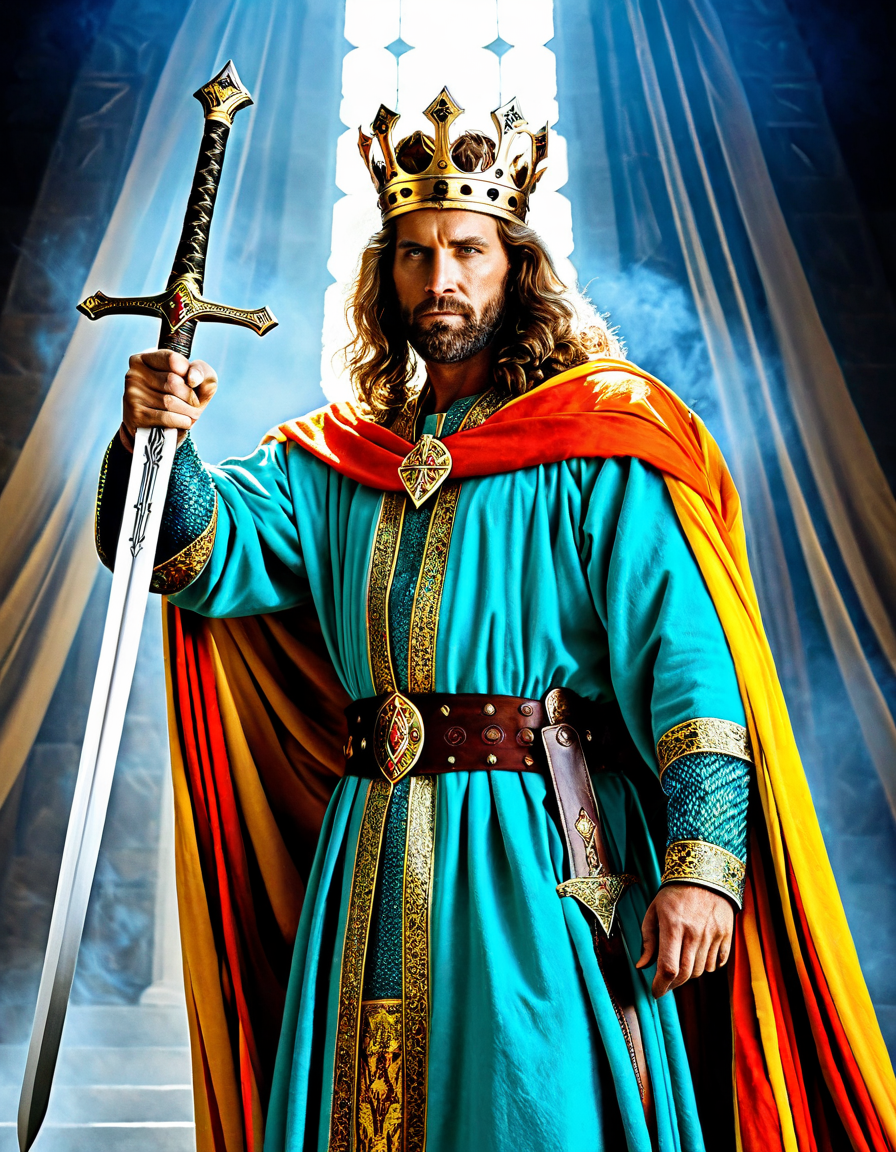
Kingship has always had profound meanings across cultures. In ancient Egypt, Pharaohs were viewed as the living embodiment of divine will, enforcing order and justice. Animated films like Prince of Egypt Capture this perspective beautifully, focusing on themes of power, freedom, and destiny through Moses’ compelling story. Through Moses, we see how leadership can transform individual lives and shape entire societies.
As the tale unfolds, we witness the conflict between earthly authority and divine purpose. This tension resonates with audiences and prompts us to question the responsibilities that come with power. The Prince of Egypt Does not shy away from depicting the weight of leadership, reminding viewers that being a ruler involves moral choices that have far-reaching implications.
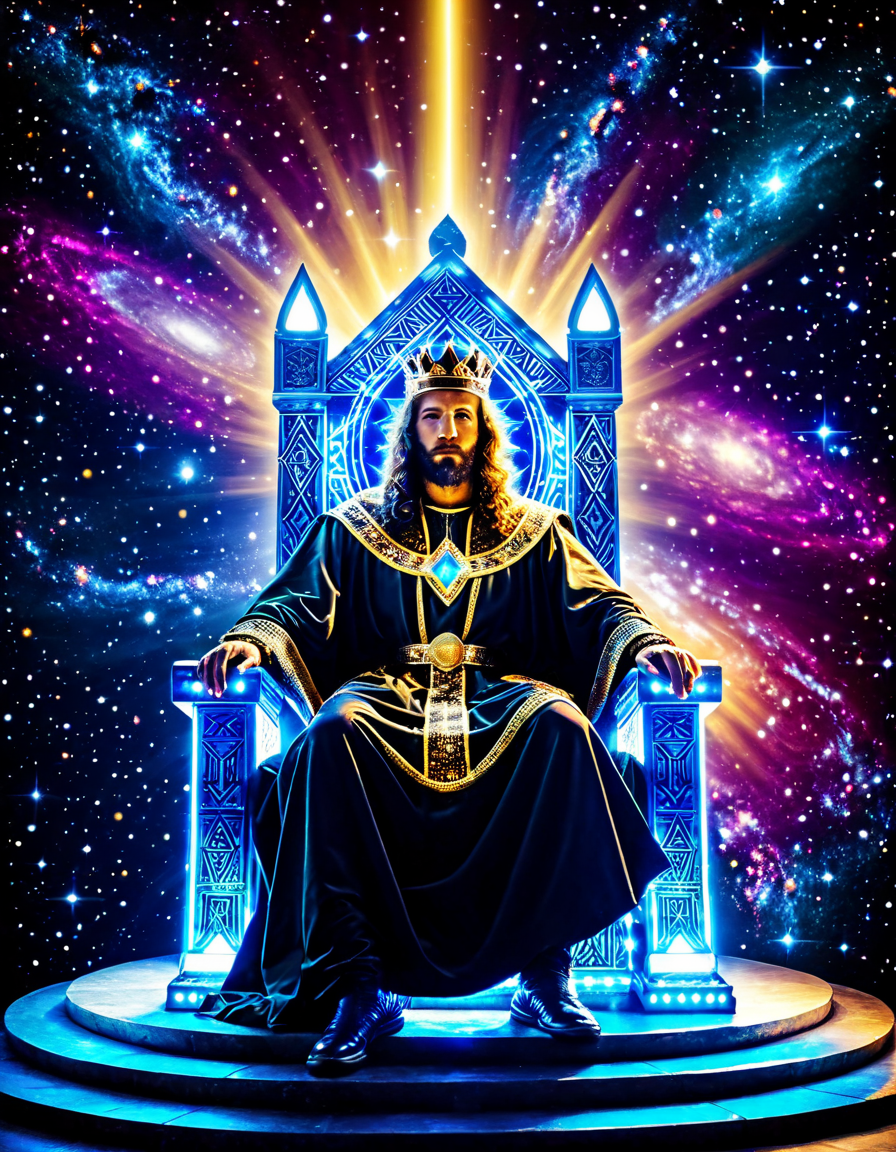
Whether it’s through the lens of religion or personal conviction, the theme of kingship is foundational in storytelling. For example, the visual portrayal of the Red Sea parting in Prince of Egypt Showcases not just a miraculous event but a demonstration of divine authority that challenges the existing social order. Such narratives invite reflection on how culture influences the understanding of leadership across ages.
The “King of Kings” in Faith and Film: A Closer Look at Cinematic Representations
Shifting our gaze to religious narratives, we find King of Kings, a film that presents Jesus Christ as a king unlike any other. This portrayal reflects not just religious beliefs but the broader cultural attitudes towards leadership and divinity. As we explore pivotal scenes, such as His Sermon on the Mount, we grasp the transformative power of Christ’s message advocating for love, compassion, and justice.
The cinematography in King of Kings Amplifies the weight of its themes, illustrating how visual storytelling impacts our understanding of faith. Contrast this with modern adaptations of biblical stories, such as those found in contemporary television series. By analyzing these interpretations, we see how filmmakers adapt sacred narratives to align with current societal values, inviting new generations to engage with age-old questions about power and authority.
These modern interpretations also serve to broaden our understanding of kingship in the digital age. As social media shapes narratives, directors and writers are compelled to frame divine figures in ways that resonate with today’s audiences. From the King of Kings movie To current adaptations, we witness an ongoing dialogue between the past and the present, revealing how the essence of leadership remains relevant across generations.
The Role of the “God of War”: Divine Leadership in Modern Contexts
In a starkly different portrayal of kingship, video games like God of War Complicate our understanding of divine authority. Characters like Kratos showcase a ruler’s inner turmoil, emphasizing the battle between personal demons and the mantle of power. This multifaceted portrayal resonates deeply, as it mirrors real-life struggles faced by those in positions of leadership.
Kratos embodies a male figure navigating a world filled with challenges, echoing the vulnerabilities and imperfections of real leaders. By drawing parallels between this digital king and historical figures, we can analyze how modern storytelling reflects evolving perceptions of authority. Instead of presenting kingship as an absolute ideal, these narratives encourage us to acknowledge the complex human emotions that accompany leadership.
The juxtaposition between older films and modern video games illustrates a significant shift in how we engage with stories about rulers. As newer narratives emerge, there’s a pressing need to explore the intersection of power and personal accountability. This exploration offers valuable insights into how today’s audience perceives strength, vulnerability, and what it truly means to be a ruler in a complex world.
Kingship Beyond Borders: “King of the Hill” and Its Reflection on Leadership Dynamics
Turning our attention to television, King of the Hill Offers a satirical spin on American leadership. Through the life of Hank Hill, viewers witness the challenges faced by an everyday ruler, living in a seemingly mundane suburb. This show critiques the archetype of kingship, showcasing that even the small-scale rulers have their battles and responsibilities.
The characters in King of the Hill Humorously reveal the absurdities of seeking authority in a rapidly changing society. Each episode serves as a microcosm of wider social dynamics, illustrating that leadership isn’t just about grand gestures but an ongoing process of negotiation, compromise, and community involvement. In a sense, Hank Hill embodies the heart of traditional leadership, caught between personal responsibility and societal expectations.
Furthermore, the satire in the series dissects American values, shining a light on how individuals construct their identities around notions of power and prestige. Just as historical kings faced public scrutiny, Hank grapples with the expectations of his family and neighbors, reinforcing that modern leadership extends beyond mere titles to encompass genuine community engagement.
The Lessons of Kingship: Legacy, Power, and Responsibility throughout History
Looking back at historical figures like Alexander the Great, we see a rich legacy that informs our understanding of rulership today. Kingship often comes with a heavy burden, one that can lead to great triumphs or catastrophic failures. These figures illustrate how leadership styles evolve, impacting future generations and the societal frameworks that emerge from their reigns.
Throughout history, the interplay of power and responsibility has created complex narratives that continue to resonate. Alexander’s quest for expansion raises questions about the moral implications of conquest and governance, prompting us to reflect on how past leaders define what it means to rule. What lessons can we uncover as we navigate our understanding of modern kingship?
As we dissect these legacies, we can appreciate the moral weight they carried. Leaders are often both revered and reviled, reminding us that the legacy they leave shapes the future in profound ways. The essence of what it means to be a “king of kings” merges historical authority with the responsibilities of ethical leadership, compelling us to consider what qualities we value in our leaders today.
Modern-Day Kings: Leadership Lessons from Contemporary Figures
In the current landscape, figures like Jacinda Ardern and Malala Yousafzai reflect the spirit of the “king of kings.” Their transformative leadership illustrates how personal conviction can challenge the prevailing narratives, driving significant change in their respective fields. Ardern’s focused approach during crisis situations echoes the resilience once required of historical rulers.
Similarly, Malala’s relentless advocacy for girls’ education showcases a modern warrior spirit that challenges deeply entrenched societal norms. Analyzing their leadership styles encourages today’s audiences to recognize the diverse forms of authority and influence. These contemporary figures remind us that true kingship can manifest through compassion, integrity, and a commitment to justice.
As we consider these modern leaders, the essence of kingship continues to morph. Today’s rulers extend the idea of leadership to communities globally, harnessing the power of social media platforms to amplify their messages. This shift challenges traditional power structures, inviting more inclusive dialogues about authority and influence.
Reflecting on the multifaceted representations of kingship across various cultural narratives reveals an enduring fascination with authority and its divine connections. As we critically evaluate the legacies of these leaders-anchored in both history and modernity-we recognize the Complexity of power, its Responsibilities, and the Evolving nature Of what it means to be truly regal in today’s society. Whether through film, television, or real-world figures, the stories of kings continue to resonate, offering timeless lessons on the nature of leadership.
In this exploration of the King of kings, we’ve journeyed through different cultural lenses, each contributing to a richer understanding of what it means to lead and inspire. So, where do we go from here? As we navigate our own landscapes, let’s reflect on the lessons learned from both historical and modern rulers, forging our paths in an increasingly interconnected world.
King of Kings: Fun Trivia and Interesting Facts
Rulers and Their Impact
Did you know that the term “king of kings” has been used to signify leaders who exercise power over others? Historically, it’s often linked to empires that ruled various sub-kingdoms, like the Persian Empire which spanned vast regions. This title isn’t just a relic of past monarchies; it still resonates in pop culture today, even showing up in films and games like Resident Evil 4, which draw inspiration from grand narratives of power and authority. It’s fascinating how such titles echo through time, isn’t it?
A Modern Take on the Title
On a lighter note, some of today’s opinion-makers, including tech moguls, have nicknamed themselves the “kings” of their industries. Take Elon Musk, for instance; his audacious Elon Musk tweet Antics stir quite the conversation across social media. In politics, many leaders aspire to a grand title, reflecting their ambition for dominance on a global stage. Similarly, the realm of entertainment showcases this ambition in various creative ventures, such as A Simple Favor 2, which is all about power plays and unexpected twists. It’s a testament to how the concept of the “king of kings” transcends time, evolving alongside society’s narratives.
History and Symbolism
Moving beyond pop culture, the symbolism tied to the “king of kings” is quite profound. In many cultures, it embodies divine authority or celestial power. Take the famous Oceangate Expeditions, for instance; they seek to uncover the mysteries of our oceans, much like searching for the hidden truths of kings from the past. On a more grounded level, places like Ft. Lauderdale Show how modern cities can embody the ambitions of rulers from days gone by by becoming cultural hubs where art and commerce collide. Isn’t it intriguing how the past influences our present and future?
In summary, the title “king of kings” isn’t just a historical reference; it’s woven into the fabric of today’s society. Whether in political aspirations, entertainment narratives, or even facilitated through social platforms, the legacy of powerful rulers lingers, sparking enthusiasm and curiosity. So next time you encounter this term, think about its vast implications and how it continues to shape our understanding of leadership and dominance in the world.
This article was produced with AI assistance. How Silver Screen Magazine uses AI.
Silver Screen Magazine writes for Silver Screen Magazine - classic cinema, film reviews, industry updates and hollywood gossip.