
The 2002 film “Minority Report” isn’t just a sci-fi thriller; it offers a bold prediction of future justice systems driven by predictive technology. Fast forward to 2026, and we find ourselves in a time where predictive justice is not merely a figment of Hollywood’s imagination but an evolving framework in modern law enforcement. With the unprecedented growth of data analytics, artificial intelligence (AI), and machine learning, society is increasingly looking at ways to preemptively identify crime and allocate essential resources. As we explore these themes, we’ll see how advancements inspired by “Minority Report” are both awe-inspiring and fraught with moral dilemmas.
Today’s law enforcement agencies, like the Los Angeles Police Department, utilize predictive policing software such as PredPol. This system analyzes historical crime data to forecast potential hotspots, sidelining traditional methods of policing. Sure, it has shown efficacy in reducing certain crime rates, but it raises eyebrows regarding algorithmic bias and the ethics of arresting individuals based on predictive analysis. Can we truly trust our future to models that may propagate societal inequalities? The film “Minority Report” vividly explored these questions and echoed them in the ongoing discussions today about predictive systems powering the justice landscape.
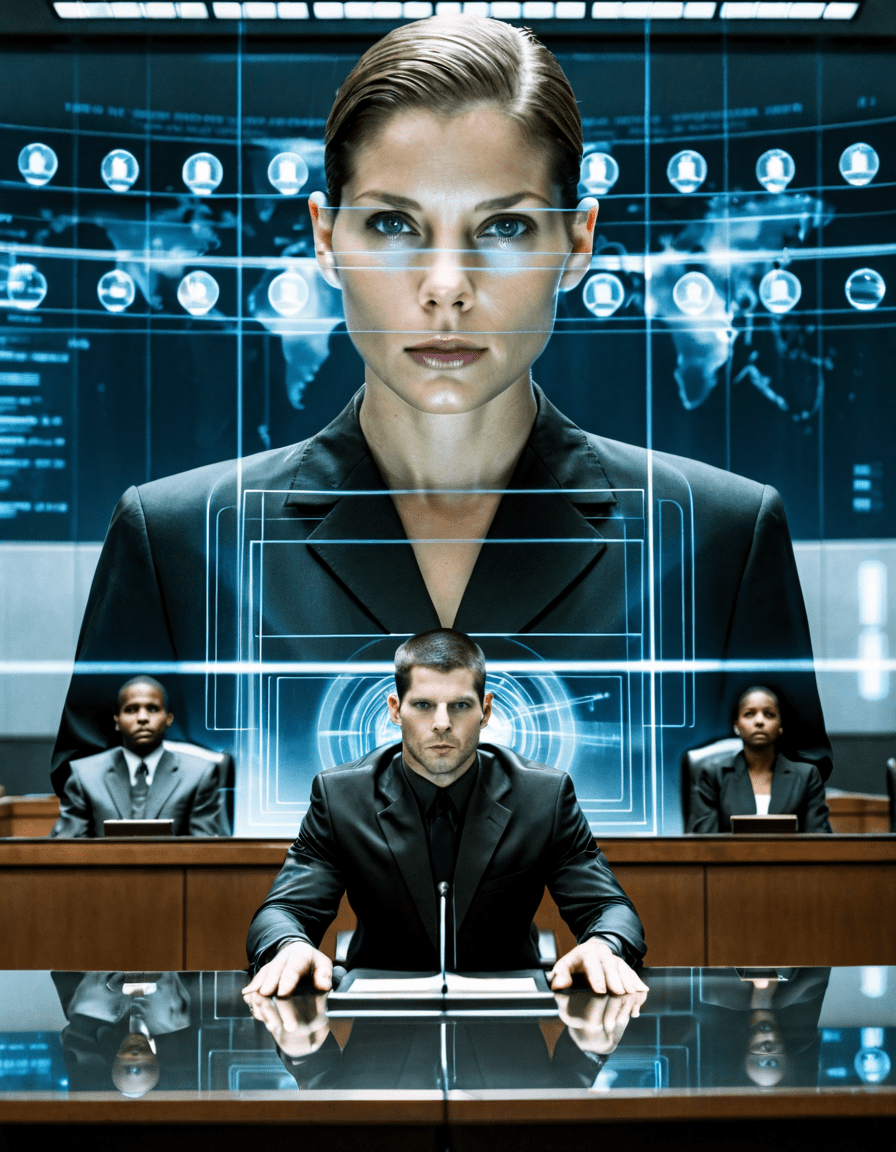
The Role of Predictive Justice in Modern Society
The Evolving Landscape
Predictive justice today is a far cry from the ideas first showcased in “Minority Report.” As technology shapes our lives, courts and law enforcement agencies are embracing predictive tools to enhance their capabilities. Imagine a world where algorithm-driven insights can identify potential crime before it occurs. This futurist fantasy is inching closer to reality.
The Georgetown Law Center recently noted how major cities are implementing these technologies. In places like Chicago, where shootings have plagued communities, predictive analytics have led to significant drops in violent crime. Yet, this success comes at a cost. The very fabric of our society could fray under the weight of increased surveillance and policing, leading to fears of racial profiling and civil rights violations.
High-Tech Innovations
As we immerse ourselves in 2026, several trends emerge to reshape predictive justice:
Community-Allied Policing
Another interesting trend is the rise of community-based predictive models. Initiatives such as the “Candid Girls” project in New York City challenge conventional policing norms by involving women in underprivileged neighborhoods to share observations about their communities. This grassroots approach brings citizen engagement to the forefront, aiding law enforcement in better predicting crime patterns with insights from those with a finger on the pulse of their neighborhoods.
Together, these trends paint an optimistic view of the future yet spotlight the stark need for balance between innovation and ethical considerations.

Top 5 Innovations Shaping Predictive Justice Today
AI tools are finally maturing to a stage where they act as true partners in policing. IBM’s Watson, for instance, is undergoing trials that analyze enormous datasets of criminal activities, adding another layer of understanding to law enforcement’s approach.
Partnerships between law enforcement agencies and tech companies create a synergy that improves predictive models. By auditing algorithms for bias, they aim to mitigate inherent discrepancies, paving the way for fairer policing.
In today’s world, the proliferation of digital trails means police now analyze social media patterns actively. For instance, the behavioral data harvested from online interactions has helped disrupt planned offenses before they materialize.
Programs that foster community input, like the “Candid Girls” initiative, empower citizens while enhancing crime prediction. By listening to those directly affected by crime, law enforcement can gain unique insights.
The “Dateline Project,” merging academia with law enforcement, focuses on developing ethical guidelines for AI usage in policing. This movement strives to intertwine legality and morality in an era dominated by predictive analytics.
The Ethical Implications of Predictive Justice
As exciting as these advancements are, they invite serious ethical inquiries. Privacy concerns dominate the discussion. When law enforcement employs algorithms that sift through personal data, the line between safety and surveillance blurs. Critics often argue that these predictive tools could perpetuate systemic biases, leading to racial profiling and increased scrutiny where it’s least warranted—an echo of the moral complexities painted in “Minority Report.”
Furthermore, the constant monitoring of citizens raises alarms. Are we sacrificing our civil liberties for the sake of a statistical drop in crime? Each time a police officer relies on data-driven forecasts, we inch closer to a reality where judgment rests in the hands of machines rather than human discretion. The intricate balance between technology and humane policing isn’t just pivotal; it defines our society’s ethos.
Case Studies in Predictive Justice Implementation
Real-world examples offer invaluable insight into the capabilities and shortcomings of predictive justice. Chicago’s predictive policing initiative achieved a staggering 30% reduction in violent crime in targeted areas by 2025. However, this drop led to increased protests from communities. Critics emphasized the heightened police presence and the risk of singling out specific neighborhoods as “high-risk,” prompting conversations about the very essence of justice in a modern context.
The recent suspension of a predictive tool in San Francisco serves as another cautionary tale. The tool faced backlash due to revelations about its potential racial bias, inciting debates on the implications of technology in policing. Such instances underline the need for ongoing dialogues between technologists, community members, and law enforcement.
The Future of Predictive Justice
Looking ahead, the trajectory of predictive justice intertwines closely with advancements in technology and societal attitudes towards privacy. As we embrace these innovations, transparency becomes crucial. Citizens opt for systems that promote their safety while honoring their rights.
Community engagement will remain essential. When police departments involve residents in decision-making processes, they cultivate trust. This partnership can bridge the gap between technology and humanity, mitigating fears associated with predictive policing.
The coexistence of safety and civil liberty remains a pressing challenge. As we navigate this transformative landscape, we must ponder: how can we harness these powerful technologies while keeping justice, ethics, and public faith in focus? The essence of predictive justice lies not in fear of the future but in shaping a fairer world for everyone.
In this dynamic landscape, we reflect upon the questions inspired by the minority report — urging us to grapple with the balance of foresight and fairness as we tell our justice stories, recognizing the transformative potential that lies ahead. The key to success, much like in its story, isn’t just predicting the future but ensuring that justice remains just.
Minority Report: A Daring Journey Into Predictive Justice
A Glimpse Behind the Scenes
“Minority Report,” directed by Steven Spielberg, isn’t just a thrilling sci-fi experience; it also offers some fascinating behind-the-scenes trivia that might surprise you. For instance, the film features a stellar cast, including actors like Tom Cruise and Colin Farrell, but did you know that the talented Diane Ladd also played a pivotal role? Her performance showcased the depth of character that adds weight to the film’s exploration of morality and free will. If you’re curious about more of her work, check out her profile on diane ladd.
Moreover, the film’s unique concept of preemptive justice raised deep philosophical questions that resonate even today. This futuristic perspective on crime prevention can be paralleled with real-world debates, such as those explored in movies like kursk, where the human element in life-or-death situations is brought sharply into focus.
Trends and Technology
What’s more intriguing is the tech behind “Minority Report.” The film predicted several technologies that are now becoming a reality, like personalized advertising and gesture-based interfaces. It’s interesting to ponder how much of this film’s vision could soon be part of our daily lives. For example, consider what it might be like to have a tailored experience in your choices, much like what people advocate in bold And The beautiful Spoilers today; it connects us to a future where decisions are influenced by algorithms, not just chance.
And let’s not overlook the ethical implications of such predictive systems. “Minority Report” asks profound questions about justice and liberty, much like the newer conversations surrounding topics such as those featured in the documentary Donde Votar, which explores voting rights and participation in democracy.
Pop Culture Impact
The influence of “Minority Report” extends beyond film, echoing in pop culture as well. The movie helped shape the way we visualize dystopian futures, similar to the horror genre films like Scary Stories To Tell in The Dark, which tackle human fears through imaginative storytelling.
And while you might not think of a film about predictive justice when you hear the name Paige Spiranic, her influence in sports shows how storytelling connects with our lifestyles, further reflecting on how perceptions of justice and actions can affect societal views. Just like the film, real life continuously invites us to question our direction—an intriguing thought for cinephiles and fans of stories, illustrated perfectly in broad Shoulders.
“Minority Report” isn’t just a speculative piece; it magnifies humanistic concerns wrapped in a thrilling narrative. Its trivia, reflections, and connections to real-world issues illustrate just how relevant this film remains today.