What’s Haunting the Big Screen This Season?
Fall has always been the season of shadows. Not just because the days shorten and the wind picks up, but because something in us leans into the Dark When the air turns crisp.
Hollywood knows it. The studios don’t roll out their spookiest fare in July-they save it for now, when a chill down your spine feels earned. This year, the lineup isn’t just about blood and boogeymen. It’s about unease that lingers, Stories That coil around your thoughts like smoke from a blown-out candle.
You’ll find ghosts both literal and emotional, creatures born from folklore and others forged in trauma. And yes, there are still plenty of things that leap out with gnashing teeth-but they’re smarter this time. They’ve read the room.
A Fresh Wave of Fear: This Year’s Most Anticipated Horror Releases
The Horror slate This fall doesn’t play by old rules. Directors aren’t just revisiting haunted houses-they’re building new ones with blueprints no one’s seen before.
One standout follows a family moving into a Mid-century modern Home where the walls hum at 3 a.m. Nothing overtly violent happens-just a slow unraveling of trust, of memory, until you’re not sure who the real threat is. It’s less about what’s under the bed and more about what’s inside your head.
Another centers on a remote Alaskan town where the sun hasn’t risen in weeks-and neither have certain residents. The isolation isn’t just setting; it’s a character. You can feel the cold seep through the screen, and the dread builds like frost on a windowpane.
Then there’s the film everyone’s whispering about: a single-take thriller shot entirely through the lens of a baby monitor. No score, no cuts, just escalating tension as the parents downstairs argue while something flickers in the nursery upstairs. Minimalist? Yes. Forgettable? Absolutely not.
Why Modern Horror Is Evolving Beyond Jump Scares
Jump scares still work-don’t get me wrong. That sudden crash in the attic will always make popcorn fly. But today’s best Horror films Treat fear like a slow drip, not a splash.
They understand that anxiety lives in anticipation. The creak on the stairs means more when you’ve spent ten minutes watching someone hesitate at the bottom. Modern directors are trading shock for suspense, trading gore for guilt.
Think of it like jazz versus pop. Both can move you, but one demands you listen closer. Films now explore grief, identity, systemic rot-all wrapped in genre packaging. You leave not just startled, but stirred.
And audiences are responding. Box office numbers may ebb and flow, but streaming data shows people rewatching these films, dissecting them, treating them like puzzles. Horror isn’t just disposable anymore-it’s discussion-worthy.
The Art of Atmosphere in Contemporary Chiller Films
Atmosphere isn’t decoration. In the best chiller films, it’s the engine. It’s the reason you keep the lights on after the credits roll.
Lighting plays a huge role-especially the use of negative space. A hallway stretching into darkness, lit only by a flickering bulb, says more than any monster monologue ever could. What you don’t see becomes the star.
Sound design has also stepped up. It’s not just about eerie music. It’s the hum of a refrigerator, the distant thump from the basement, the way silence itself starts to feel loud. These details build a world that feels lived-in-and therefore, more dangerous.
Color grading matters too. Muted palettes-slate grays, sickly greens, washed-out blues-create a visual unease before a single scare lands. One Recent film Used only natural light sources: candles, flashlights, moonlight. The result? Every frame felt fragile, temporary, like the darkness could swallow it whole.
How Streaming Platforms Are Shaping the Genre
Streaming didn’t just change how we watch horror-it changed what gets made. Studios used to demand broad appeal. Now, niche ideas can thrive if they find their audience.
Midnight screenings have moved to living rooms. Binge culture rewards serialized terror-think slow-burn hauntings that unfold over episodes, each ending on a note that makes you click “Next.”
And because algorithms reward completion rates, creators are crafting stories that hook early and hold tight. No more waiting an hour for the first scare. The tension starts in minute three.
Platforms also allow risk-taking. A film might be too strange, too quiet, too unsettling for theaters-but if it finds 500,000 true believers online, it’s a win. International titles get a wider stage, experimental formats get greenlit, and first-time directors get a shot.
Where Supernatural Stories Meet Psychological Depth
The most memorable horror films today blur the line between the supernatural and the psychological. Is the ghost real-or is she a manifestation of unresolved trauma?
One film this season follows a woman returning to her childhood home after her mother’s death. The house seems altered-the staircase longer, the doors in different places. But is it haunted? Or is grief reshaping her perception?
Another uses possession as a metaphor for generational silence. The demon speaks in languages no one remembers, uttering names buried by time. The exorcism isn’t just spiritual-it’s cultural.
These films don’t offer easy answers. They invite discomfort. They ask: What if the thing haunting you isn’t outside? What if it’s the part of you you’ve never dared name?
That ambiguity is powerful. It turns a night at the movies into something closer to therapy-with better lighting and worse outcomes.
The Return of Practical Effects in Fright Cinema
CGI hasn’t vanished, but practical effects are back in vogue-and thank God. There’s a tactile horror to something you know is real, built by hands, filmed in camera.
When a mask peels back to reveal muscle beneath, and you can see the sweat on the actor’s brow, it hits differently. Digital blood looks fake. Real latex tears? That stays with you.
Filmmakers are embracing puppetry, animatronics, prosthetics-the kind of craftsmanship that made The Thing And Hellraiser Iconic. One director this year used a full-scale mechanical creature that required six operators. No green screen. Just pure, clanking nightmare fuel.
Audiences notice. Behind-the-scenes reels of makeup applications and rig tests go viral. People don’t just want to be scared-they want to know how it was done. The artistry is part of the thrill.
Behind the Rise of International Horror Influence
American horror is getting lessons from abroad-and it’s about time. Global cinema has long treated fear with sophistication, blending folklore, politics, and poetic imagery.
Korean thrillers taught us pacing and precision. Japanese horror brought stillness and sorrow. Spanish filmmakers showed how family dynamics can be more terrifying than any ghost.
Now, those influences are woven into domestic releases. You’ll hear chants in forgotten dialects, see rituals rooted in real traditions, encounter monsters born from myths most Americans have never heard of.
It’s not appropriation-it’s evolution. Horror, more than any genre, thrives on cultural specificity. The more authentic the belief system, the deeper the fear.
And with subtitles no longer a barrier, audiences are hungry for stories that don’t follow the same three-act exorcism plot. The world is wide. So are its nightmares.
What Truly Makes a Film “Too Scary to Finish”?
We’ve all been there-palm on pause, heart racing, unable to watch the next five minutes. But what actually pushes a film past endurance?
It’s rarely the gore. It’s the feeling of helplessness. When a character is trapped, when escape seems impossible, when the rules of reality bend just enough to make hope feel naive-that’s when viewers tap out.
Some films weaponize empathy. You care too much. You can’t bear to see the protagonist suffer one more second. Others exploit primal fears: confinement, drowning, losing your child in the dark.
The scariest moments often happen in silence. No music, no screams-just a stare, a gesture, a realization dawning. That’s when the brain takes over, filling the void with worst-case scenarios. And once it does, you’re not watching a movie anymore. You’re in it.
How to Choose Your Next Nightmare Wisely
Not every scary movie is for every viewer. Know your limits. If body horror makes you queasy, skip the ones with melting faces. If isolation freaks you out, maybe avoid the Antarctic research station flick.
Check tone before diving in. Some films are grim and unrelenting. Others balance dread with wit or warmth. A little humor doesn’t ruin horror-it humanizes it.
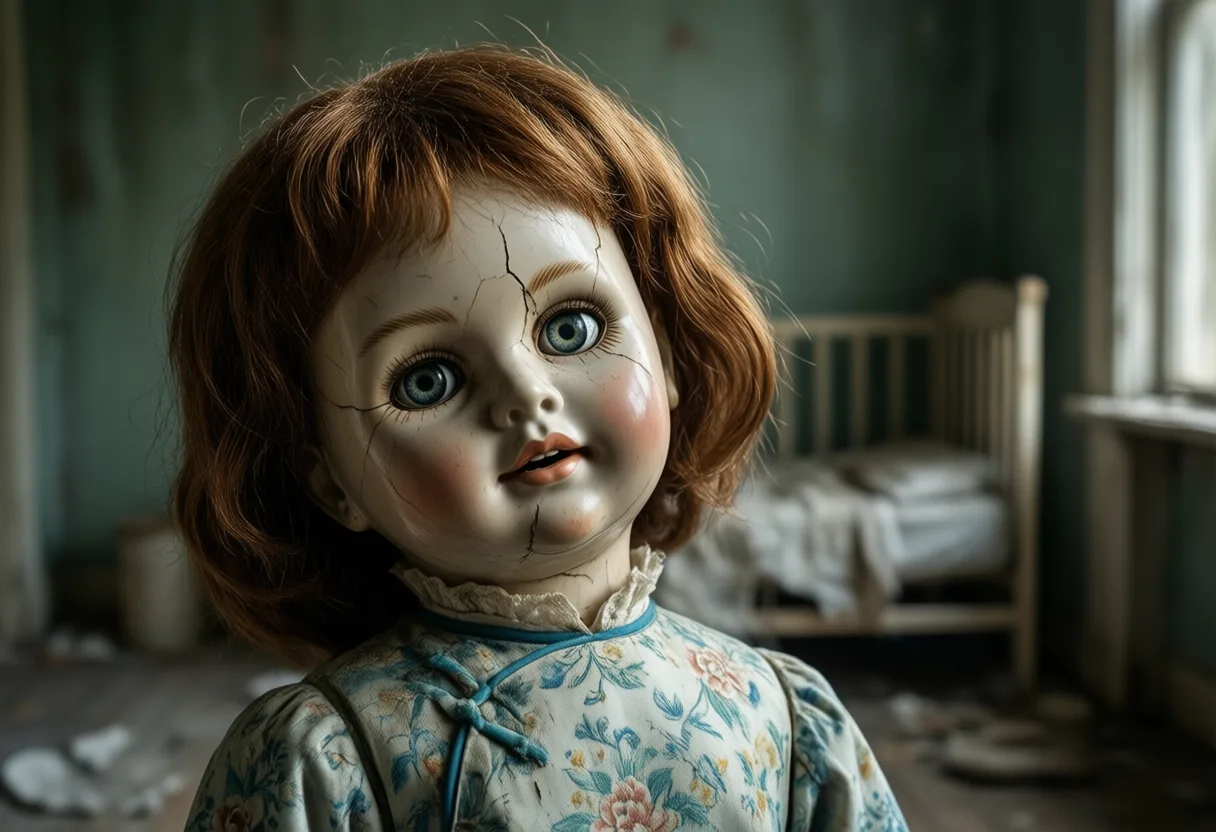
Read summaries, not spoilers. Get the premise, the mood, the setting. Does it involve hospitals? Dolls? Forests? Depending on your phobias, that could be a red flag or a siren call.
And remember: turning it off isn’t failure. It’s self-awareness. The best horror respects its audience enough to let them decide when to look away.
Final Frames: What Lingers After the Lights Come Up
The screen goes black. The credits roll. You breathe again. But the feeling? That sticks around.
Great horror doesn’t end when the film does. It echoes-in dreams, in quiet hallways, in the way you glance at your phone a little too fast when it buzzes at midnight.
It exposes the fragility we usually ignore. The idea that control is an illusion, that safety is temporary, that something ancient and indifferent might be watching.
But there’s power in facing that. Sitting through a story that terrifies you isn’t masochism-it’s proof you can endure. And sometimes, in the shared darkness of a theater or the glow of a laptop at 2 a.m., you realize fear can be its own kind of communion.
So this fall, lean into it. Let the shadows stretch. Let the stories unsettle you. Because horror, at its best, doesn’t just scare you. It reminds you you’re alive.
What’s Brewing in the World of Chills
This fall, horror fans are in for a wild ride with some truly inventive new spooky movies hitting screens. One standout uses practical effects for its creature design, bringing a throwback feel to a modern ghost story-think eerie prosthetics and atmospheric lighting over heavy CGI. The film’s director actually studied vintage horror techniques, which gives the scares a tactile, grounded quality that’s been getting buzz at early screenings.
Behind the Screams
A surprising number of this season’s horror scripts were inspired by real local legends, not just made-up myths. One movie set in rural Appalachia pulls from regional folklore about shadow figures seen near old mining tunnels-tales that have been passed down for generations. Another film shot on a tight budget found its unsettling soundscape by recording audio in abandoned buildings, turning creaks and distant echoes into a haunting score. It just goes to show that sometimes, the scariest stuff doesn’t need a big studio-it just needs a good story and a willingness to lean into the dark. Explore more stories, videos, and creators on Loaded.
Frequently Asked Questions
What makes this fall's horror movies different from past years?
This year’s horror films focus more on psychological depth and atmosphere than jump scares. They explore themes like grief, trauma, and isolation, using slow-building tension and minimalist techniques to unsettle viewers.
Are practical effects making a comeback in horror films?
Yes, practical effects are returning with filmmakers using prosthetics, animatronics, and mechanical creatures instead of relying on CGI. One film used a full-scale creature operated by six people, shot without green screen.
How are streaming platforms changing the horror genre?
Streaming allows niche and experimental horror to find audiences without needing broad appeal. Creators build tension early to retain viewers, and serialized stories thrive in binge formats with cliffhangers that drive engagement.
Why are international horror influences becoming more common in U.S. Films?
Global horror brings sophisticated storytelling rooted in folklore, cultural rituals, and real belief systems. American films now incorporate myths and styles from Korean, Japanese, and Spanish cinema for deeper, more authentic fear.
This article was produced with AI assistance. How Silver Screen Magazine uses AI.
Rohan Kilpatrick dissects the personal lives of stars with wit and precision, balancing insider access with ethical awareness. He delivers the latest whispers and headlines with a sharp eye for irony, never sacrificing style for sensationalism.