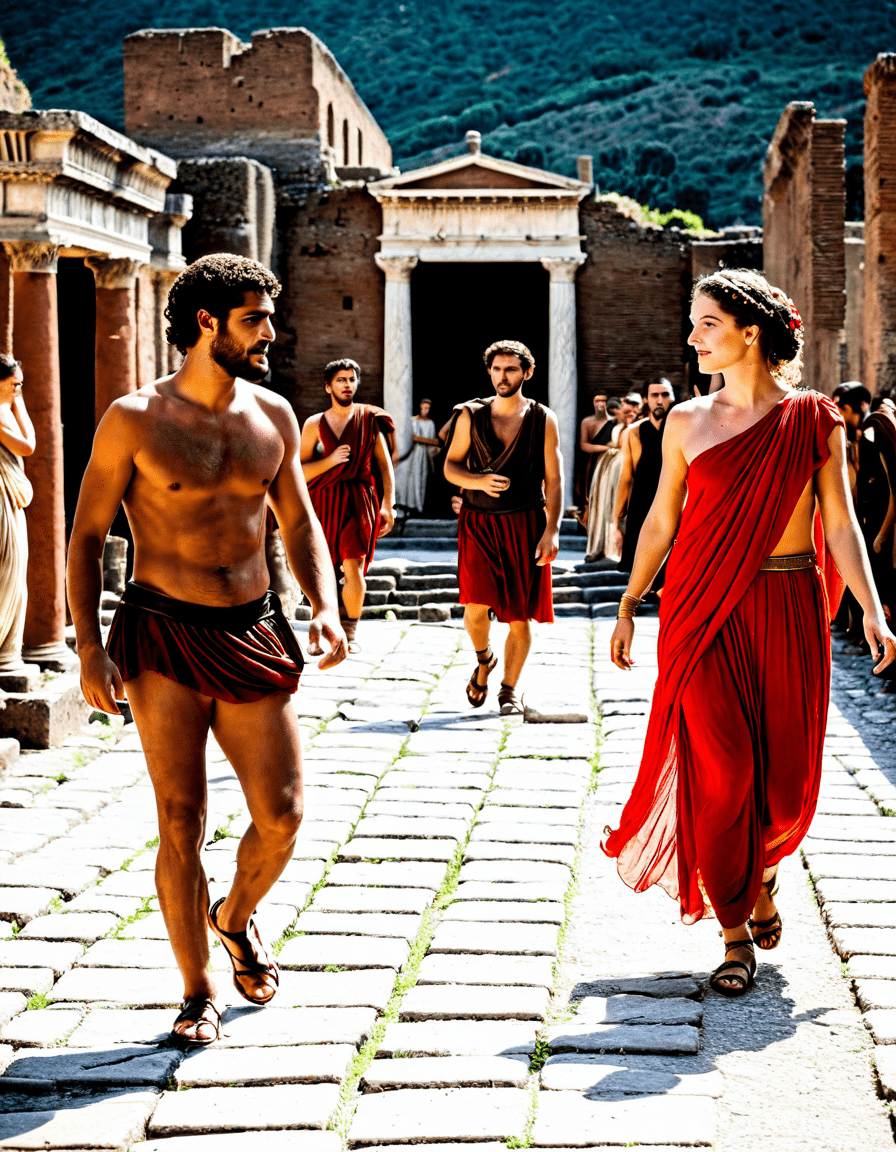
Pompeii, the iconic city buried under volcanic ash in 79 AD, remains a powerful snapshot of ancient Roman life. This stunning locale tells tales of art, domestic life, and the stark realities of disaster. Time seems to freeze here, offering a window into the past that captivates historians and film enthusiasts alike. From the moment you set foot in this archaeological wonder, you can’t help but feel the pulse of a civilization long gone but vividly preserved in its remnants.
Moreover, Pompeii has sparked countless cinematic adaptations, inspiring filmmakers to recreate its drama and tragedy on the big screen. Movies like Paul W.S. Anderson’s 2014 adaptation of “Pompeii” unveil the awe and horror of the volcanic catastrophe, blending fact and fiction to capture audiences’ imaginations. With layers of history and excitement unfolding before our eyes, let’s explore some of the top astonishing discoveries from Pompeii that continue to enchant visitors and scholars.
Top 7 Astonishing Discoveries from Pompeii
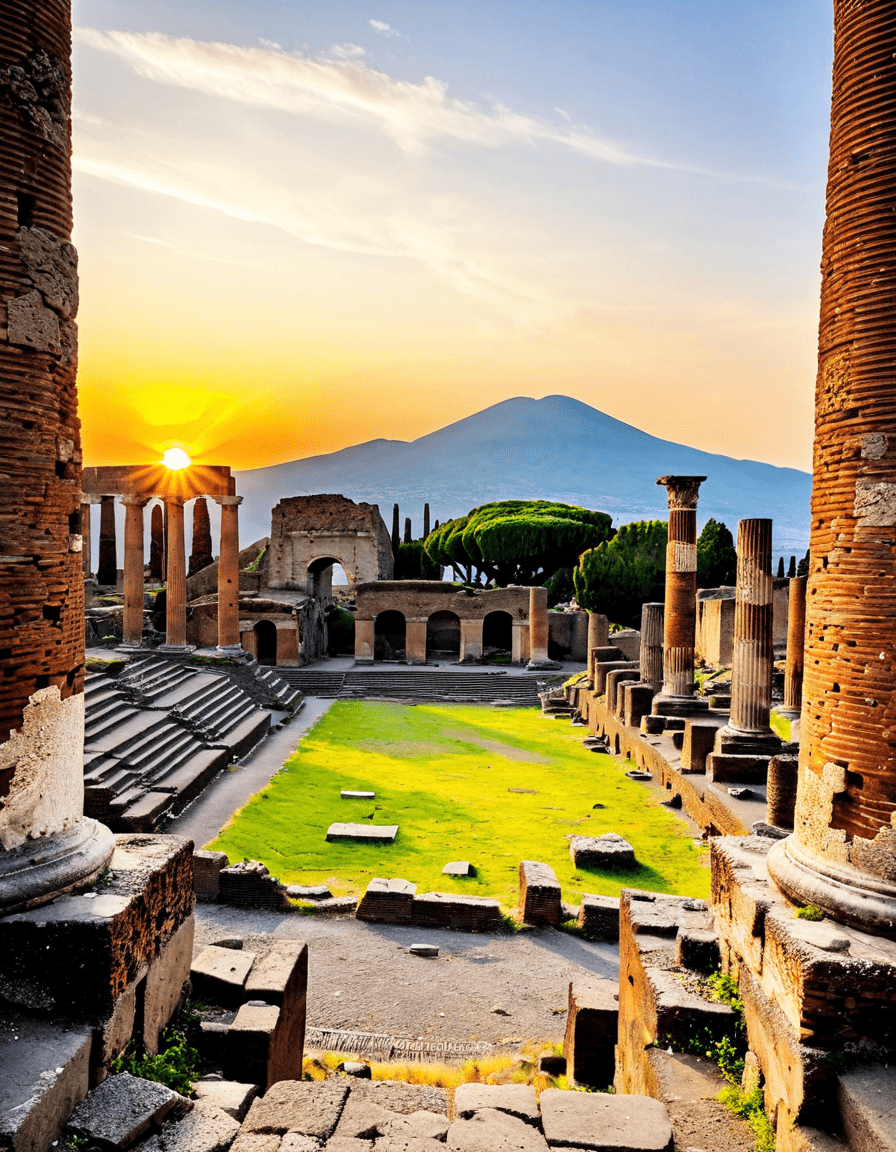
1. The House of the Faun
The House of the Faun is a remarkable testament to Pompeii’s affluence. As one of the largest and most lavish homes, it features stunning mosaics, such as the “Battle of Alexander.” These artworks reveal the cultural and artistic influences prevalent during its time, reflecting the social stature of its inhabitants. Visitors can walk through its extensive gardens, marveling at how it embodies the luxury of ancient Roman life.
2. The Forum
The lively Forum served as the city’s beating heart. This gathering place witnessed not just commerce but also political debates and religious ceremonies. Recent discoveries of graffiti and inscriptions provide a snapshot of everyday life, showcasing how citizens interacted and expressed themselves. It’s a poignant reminder that despite the passage of centuries, human connections remain universal.
3. Pompeii’s Amphitheater
Built in 80 BC, Pompeii’s amphitheater is one of the oldest in the Roman world. Its design laid the groundwork for future arenas, demonstrating the architectural prowess of the era. The roar of crowds and the adrenaline of gladiators resonate within its walls, illustrating the fervent love for spectacles. It’s fascinating how this space once brought communities together, united in a shared love for dramatic entertainment.
4. The Villa of the Mysteries
Famed for its striking frescoes, the Villa of the Mysteries invites visitors into ancient rituals possibly linked to the cult of Dionysus. The extensive use of vibrant colors and intricate symbolism continues to baffle scholars. These wall paintings lead us into discussions about the spiritual life of Pompeiians, offering a compelling glimpse into initiation ceremonies that remain shrouded in mystery.
5. The Plaster Casts
One of the most haunting aspects of Pompeii is the plaster casts of its victims. Created by pouring plaster into voids left by bodies in the volcanic ash, these casts capture the last moments of human life before disaster struck. Each figure tells a heartbreaking story, serving as a vivid reminder of the eruption’s devastating impact. They invoke empathy as they encapsulate individual lives within the broader tragedy of the eruption.
6. Pompeii’s Bakeries
The preserved bakeries of Pompeii unfold a delicious chapter of daily life. Archaeological research reveals not just cooking methods but also insights into the dietary habits of its citizens. Some bakeries had bricks ovens, showcasing advancements in culinary technology. They’re a sweet reminder of a thriving community where bread was central to both culture and sustenance.
7. The Garden of the Fugitives
The Garden of the Fugitives is a profoundly emotional site that highlights the human response to disaster. Here, you’ll find the remains of 13 individuals who sought refuge from the volcanic flow. Their positions depict the sheer panic they faced, prompting soulful reflections on how humans confront crises. This poignant discovery delves into the social networks and relationships that defined Pompeii—a powerful reminder of our shared humanity.
The Lasting Impact of Pompeii on Modern Culture
Pompeii’s resonance extends beyond archaeology and seeps into various aspects of modern culture. Filmmakers like Paul W.S. Anderson have tried to capture the raw drama and heartache of the eruption, wrapping historical fact in fictional thrill. These cinematic interpretations not only entertain but educate viewers, breathing new life into Pompeii’s stories for contemporary audiences.
Similarly, novels like “Pompeii” by Robert Harris have intricately woven historical fact with gripping narratives, encouraging younger generations to explore this ancient city. Through art—be it painting, sculpture, or installation—modern creators find a muse in Pompeii’s ruins. Each representation emphasizes the enchanting blend of beauty and tragedy, reminding us how this city continues to inspire creative minds.
In discussions surrounding climate change, Pompeii stands as a crucial symbol. The ongoing efforts to preserve its remains urge us to reflect on our responsibility toward historical sites. By prioritizing conservation, we safeguard our collective identity and cultural heritage, prompting us to consider how we navigate the intersection of history and modernity.
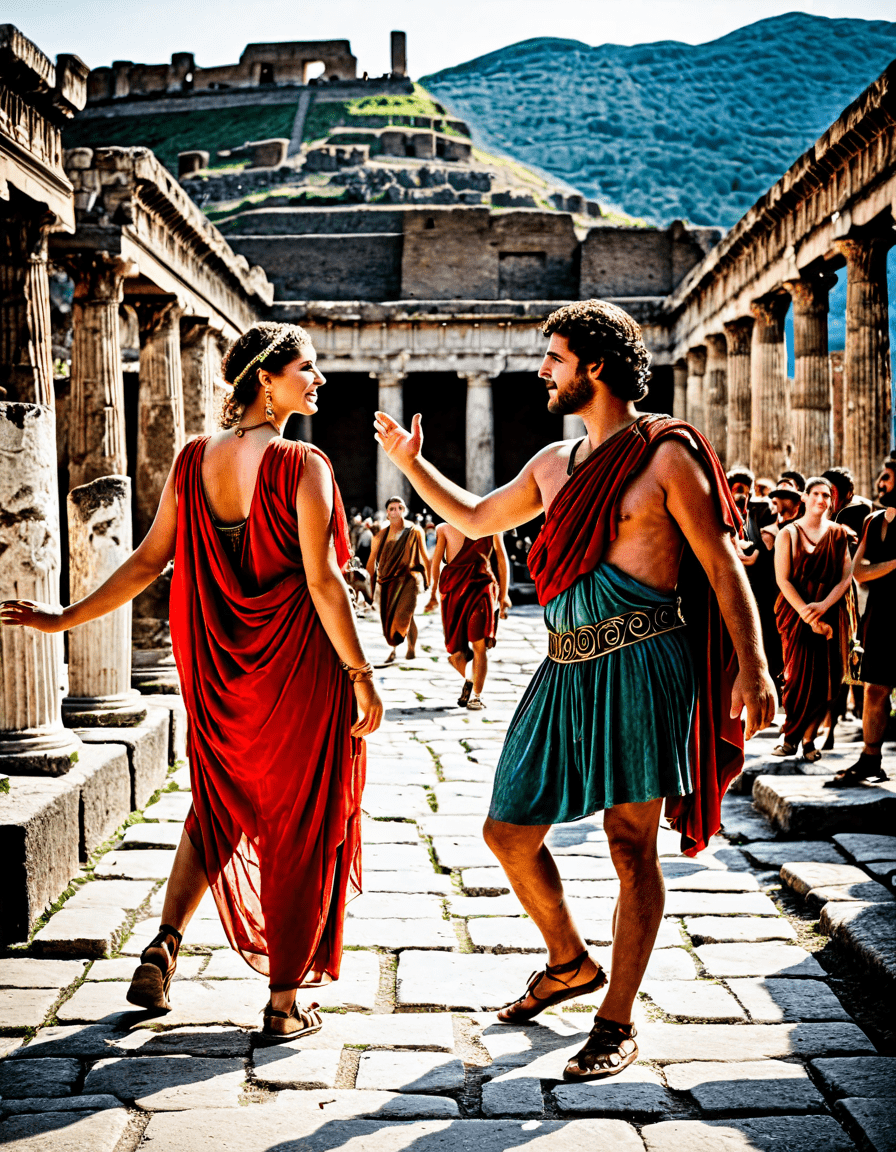
Resilience and Preservation: The Future of Pompeii
Looking ahead, Pompeii faces numerous challenges, from environmental risks to the pressures of mass tourism. The “Pompeii Sustainable Tourism Plan” represents a significant step towards balancing visitor experience with preservation needs. Such initiatives spark hope that this ancient city will continue to endure, offering insights for generations to come.
Moreover, technological advancements are revolutionizing archaeological practices, making it easier to manage and conserve Pompeii. These innovations enhance site management while maintaining the integrity of the archaeological narrative. Schollars and archaeologists are collaborating to ensure that Pompeii’s portrayal accurately reflects its rich history.
Ultimately, Pompeii serves as a powerful reminder. Its tragic past compels us to reflect on how we remember our histories, preserve our cultures, and uphold the human spirit amid adversity. The narrative of Pompeii, “frozen in time,” illustrates that while civilizations may crumble, their stories endure, shaping our understanding of resilience, community, and compassion for one another.
In this ever-connected world, may we reflect on the lessons of Pompeii and the stories it holds, nestled in history’s intricate tapestry. Each discovery has the power to ignite curiosity and understanding—a beautiful legend that time can’t erase.
Explore more about the impact and endless fascination surrounding cultures, historical tragedies, and humanity through films and artworks at Silver Screen Magazine.
Pompeii: The Astonishing Ancient City Frozen in Time
Discovering the Vibrancy of Pompeii
Pompeii isn’t just an ancient city; it’s a time capsule that shows us life in a bustling Roman society. Before the catastrophic eruption of Mount Vesuvius in AD 79, Pompeii was a lively hub, filled with shops, markets, and houses adorned with beautiful frescoes. Interestingly, archaeologists discovered a so-called manila folder of artifacts: intact frescoes, pottery, and even food preserved beneath layers of volcanic ash. This choice to freeze in time offers us a peek into daily life, from dining habits to leisure activities, which can be as captivating as a thrilling scene from John Wick 3.
However, Pompeii’s tragic history doesn’t only tell of destruction; it reveals a fascinating cultural melting pot. The city was multicultural, influenced by various civilizations. Take the amphitheater, for instance. It’s not just where gladiators fought; it also hosted theatrical performances and musical events. The melding of ideas and creativity here sheds light on concepts found in The Selfish gene, where societal behaviors and culture intertwine in unexpected ways.
Life and Death in Pompeii
When Mount Vesuvius erupted, it was more than just a natural disaster; it was a significant event that caught people in moments of mundane life. One of the most compelling discoveries was the tragic cast of victims, preserved in their final moments. You can almost imagine the shock in the air—the ancient residents were planning their day, perhaps even cherishing a laid-back afternoon, reminiscent of enjoying a slice of Georgia Pie strain. The fact that you can find these casts today truly evokes a range of emotions.
As you wander through the ruins, you might ponder what the townsfolk discussed at gatherings, perhaps about the latest dramatic tales, much like the escapades of Fluttershy from popular culture. Pompeii gives voice to the artists, traders, and everyday people, all frozen in time yet alive with stories that resonate with our current lives. Like the ongoing debate over sympathetic Vs parasympathetic responses in the human body, there’s a pulse within the ruins—the thrill of understanding and reflecting on human resilience in the face of fate.
In short, Pompeii stands as a grand testament to human life that was abruptly changed, serving up more than just ancient ruins. It dishes out the beauty and tragedy found in our collective history, while reminding us that every city has a story to tell—stories that echo down through the ages, waiting for us to listen.