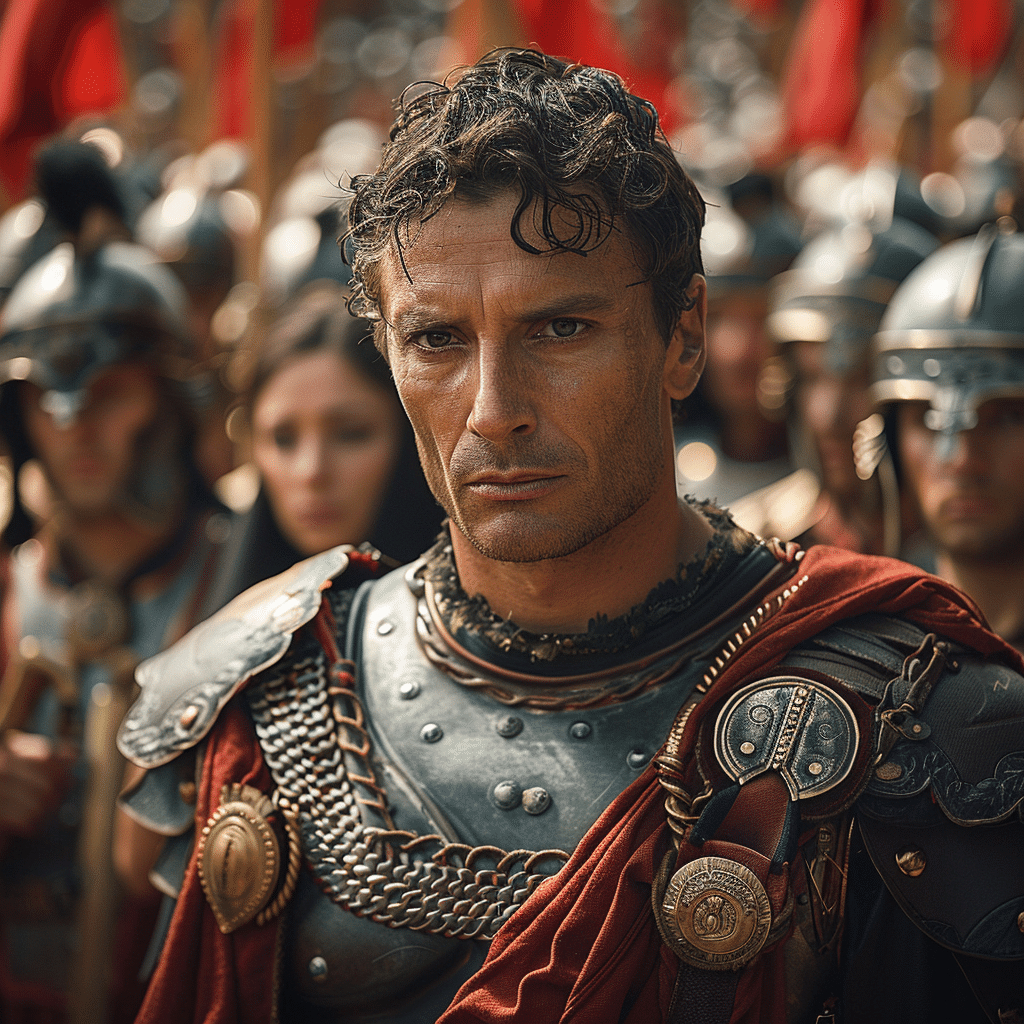
In the grand tapestry of television, historical dramas have always been a mainstay, luring audiences with the allure of bygone eras and the appeal of time-traveling from the comfort of our living rooms. But when the Rome TV show Hit the screens, it didn’t just add another period piece to the TV landscape; it redefined it. With an unmistakable blend of credibility and creativity, the Rome TV show Proved to be a heavyweight champion in the gladiatorial arena of television entertainment.
The Rise of the Rome TV Show: Redefining Historical Dramas
When Rome Came marching onto the HBO battlefield, it swept viewers off their feet faster than a chariot race at the Circus Maximus. Its launch was not just an introduction of a new series but a herald of change for an entire genre. Historians tipped their hats, students marveled, and drama enthusiasts got more than they could chew on-as savory as a feast on the Ides of March.
Paving the Way: How Rome TV Show Has Revolutionized the Genre
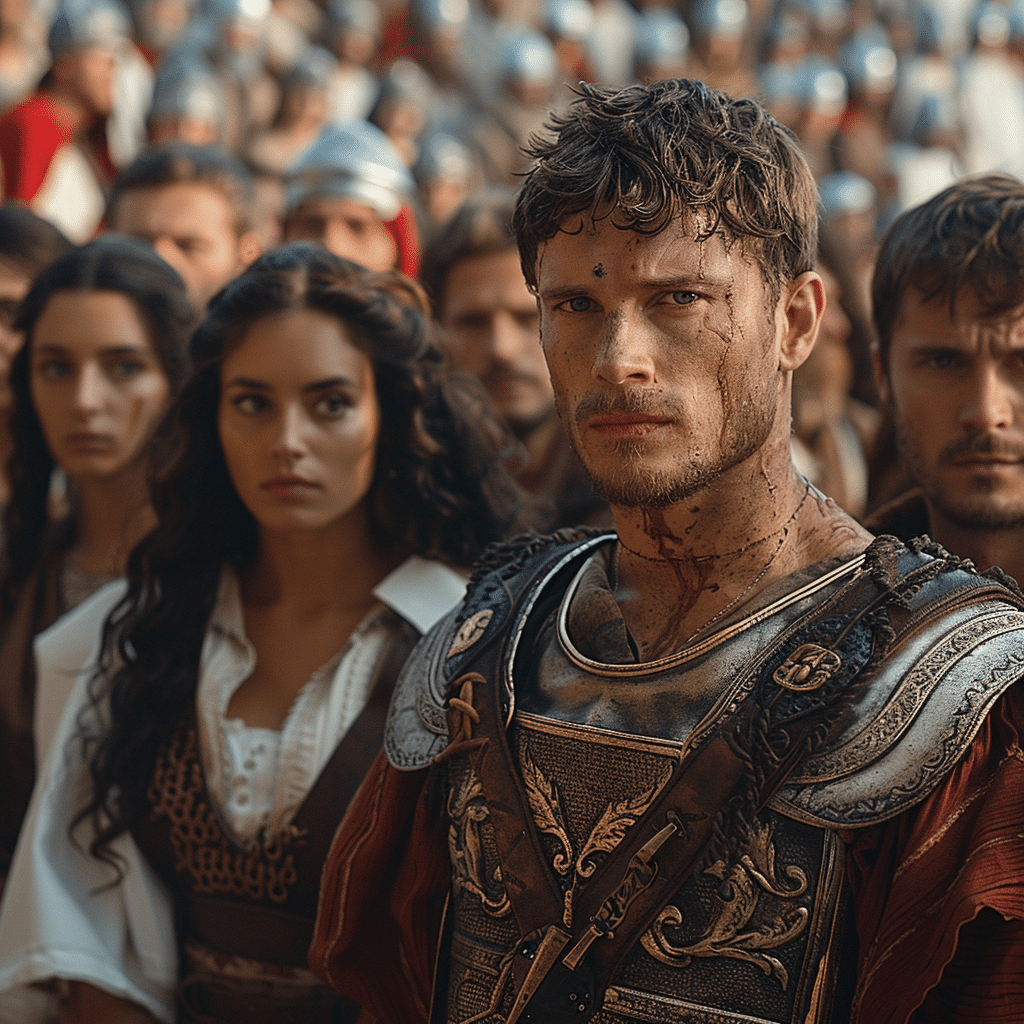
The Rome TV show Carved its name into the stone of television history by accomplishing what few in the genre had dared to dream. The series was a veritable DeLorean, transporting us to the cobblestone avenues and grand forums of ancient Rome with unparalleled authenticity-effectively setting a new colossus standard for historical accuracy in television.
The show’s commitment to this authenticity was marked by exhaustive research and collaborations with some of the sharpest scholarly minds, making sure that every element, from the schemes in the Senate to the banter in the barracks, resonated with the ring of historical truth. Such was the show’s impact that the term “historical drama” began to feel almost underwhelming-it was more like “history, animated.”
| Category | Details |
|---|---|
| Title | Rome |
| Genre | Historical Drama |
| Broadcast Network | HBO (US), BBC Two (UK), RAI (Italy) |
| Premiere Date | August 28, 2005 |
| Conclusion Date | March 25, 2007 |
| Seasons | 2 |
| Episodes | 22 |
| Created By | Bruno Heller, William J. MacDonald, John Milius |
| Main Cast | Kevin McKidd (Lucius Vorenus), Ray Stevenson (Titus Pullo), Ciarán Hinds (Julius Caesar), James Purefoy (Mark Antony), Polly Walker (Atia of the Julii), Kerry Condon (Octavia of the Julii), Ian McNeice (Newsreader), Tobias Menzies (Marcus Junius Brutus), etc. |
| Plot | The series chronicles the transition of the Roman Republic to the Roman Empire, from Julius Caesar’s rise to power to the reign of Octavian (Augustus), and is told through the eyes of two Roman soldiers, Lucius Vorenus and Titus Pullo, who find their lives intertwined with key historical events. |
| Historical Accuracy | Praised for its remarkable historical accuracy by scholars and history enthusiasts. |
| Production Cost | Expensive production, leading to show’s cancellation after the second season. |
| Cancellation | Announced midway through season 2 due to high costs. |
| Conclusion of Series | The story arc featuring Octavian and Mark Antony was hastened to conclude in season 2 with Octavian’s rise as Augustus. |
| Ratings | Increased during season 2, however, it was too late to reverse the cancellation decision. |
| Critical Reception | Acclaimed for writing, direction, acting, and production values. Challenged and respected audience intelligence. |
| Legacy | Considered a triumph in the historical drama genre. |
| Available on | DVDs, Blu-ray, and streaming services (as of last update). |
Exploring the Authenticity: A Close Look at the Set Design and Costumes
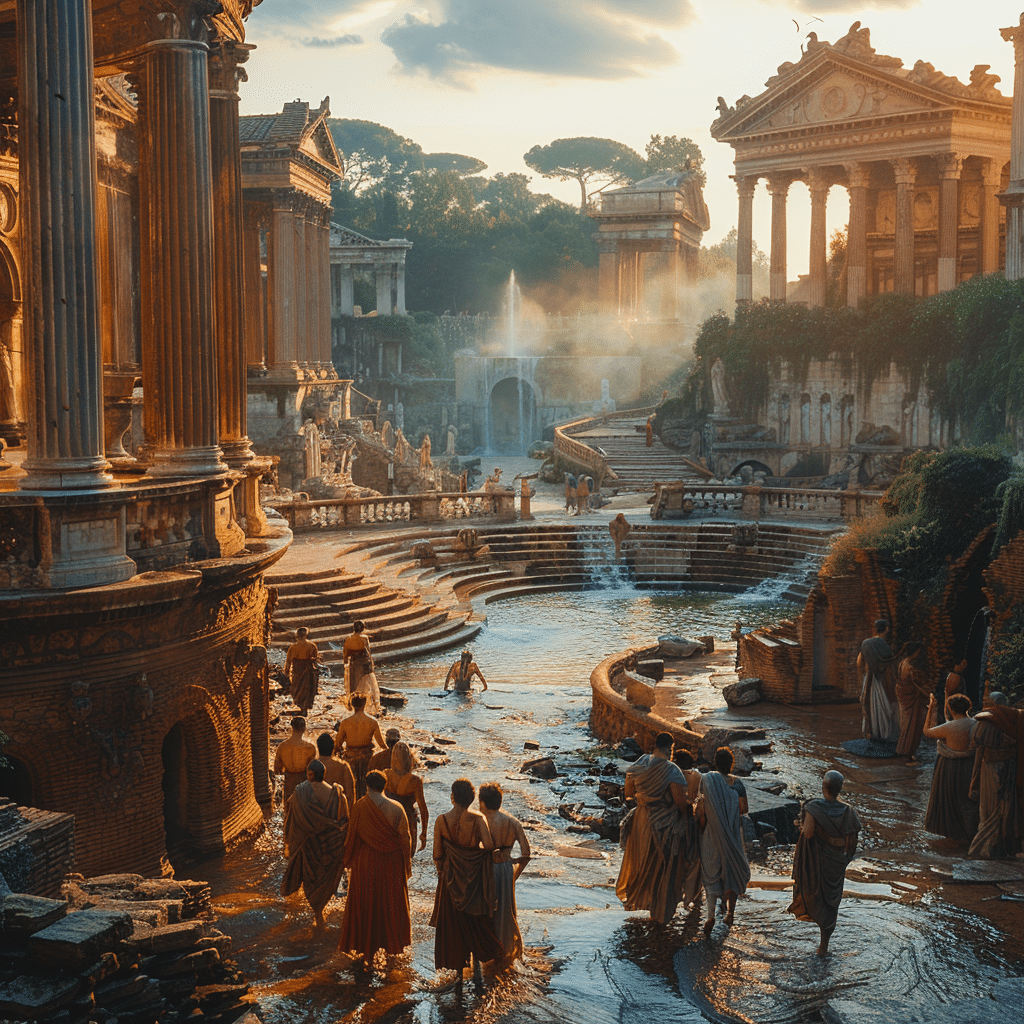
Behind the glory of Rome’s marble columns and the shadows of its bustling back alleys was a team of artisans who must’ve fancied themselves the reincarnations of Rome’s finest craftsmen. Each set, from the sprawling villas dripping with affluence to the smoke-stained plebeian abodes, was an Emerald green Gem-a masterclass in aesthetics. The dedication to detail was so staggering that it would have anyone wondering,Is it cake? Upon marveling at these edible-looking visuals.
And the costumes? By Juno’s peacock, were they a sight! Draped in togas and tunicas, the cast was dressed to the nines in garments spun not just from threads, but from the very fabric of history. Each intricate stitch beckoned to times past with such precision that one felt they could reach out and touch the era.
The Pillars of Rome: Meet the Distinguished Rome Cast
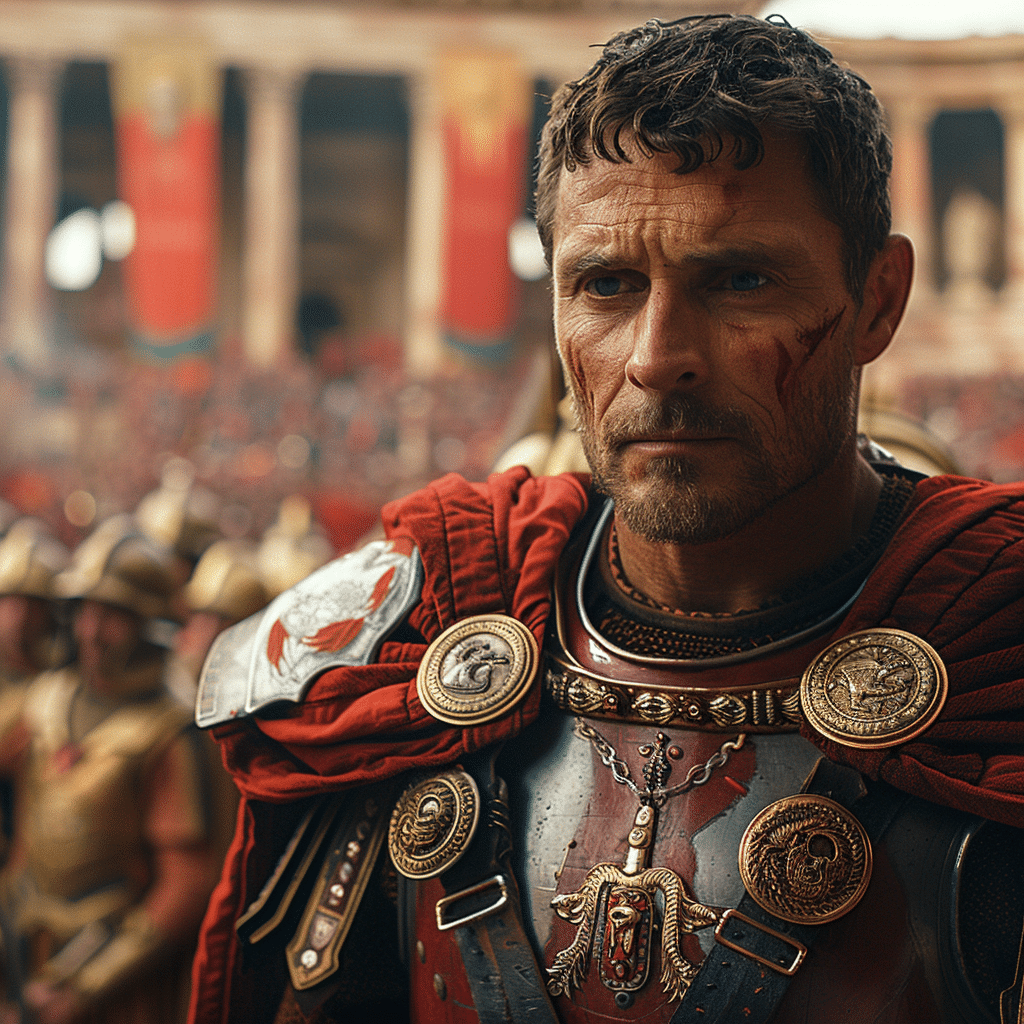
The Rome cast Was nothing short of a Pantheon of talent. With heavy hitters like Kevin McKidd as Lucius Vorenus and Ray Stevenson’s brooding rendition of Titus Pullo, the show was never in want of charisma or gravitas. The ensemble cast, featuring the likes of Ciarán Hinds’ stoic portrayal of Julius Caesar and James Purefoy’s magnetic Mark Anthony, guaranteed that the performances were as monumental as the aqueducts of yore.
These actors embodied their roles with such vigor and verisimilitude; they could have taught the Black panther Actors A thing or two about presence and poise. Their dedication went beyond the script-they lived and breathed their characters, consulting historical texts, and fully immersing themselves in the essence of classical antiquity.
Scripting History: The Writing and Storytelling of the Rome TV Show
The quills that scripted Rome’s Saga wielded the might of Mars and the wisdom of Minerva, architecting a narrative as rich and complex as a Roman mosaic. The showrunners wove a tight narrative that celebrated historical high points while adroitly injecting the plights and passions of fictional denizens. It was an enthralling dance of fact and fabrication that not only respected but challenged the audience’s intellect.
Even after the somber news of cancellation, slashing the potential for longer arcs, the writers’ ability to compress the Octavian-Mark Anthony story into the concluding second season was nothing short of a narrative triumph. The swift yet satisfying portrayal of Octavian’s rise as Augustus and the bittersweet end for Titus Pullo spoke volumes of the show’s narrative prowess.
Directing the Past: Visionaries Behind the Camera
Directing Rome Was akin to painting the Sistine Chapel ceiling of television-it required visionaries. The helm saw directors like Michael Apted and Allen Coulter etching their stories not on wax tablets but on the very soul of the audience. Their camerawork, capturing the grandiose and the grotesque of historic Rome, was a visual symphony epitomized.
The style imbued by these directors did more than depict history; they enlivened it with a cinematic quality that often left viewers wondering if Marty Scorsese had whispered in their ears. They, like the great orators of the Roman forum, knew the art of the visual speech, which held the audience captive until the credits rolled.
A Symphony of the Past: The Music and Sound Design of Rome
Every clink of armor and chant in the forum was meticulously molded to transport one’s auditory senses straight into the heart of ancient Rome’s bustling life. The show’s auditory allure was as meticulously crafted as a Flower lego set, with each piece placed to perfection creating a fragrant bouquet of sound that was as pleasing to the ear as the set designs were to the eyes.
Jeff Beal, the maestro behind this acoustic masterpiece, ensured that the strings, horns, and choral voices harmonized to conjure a soundscape that felt both timeless and immediate. Such was the evocative power of Rome’s score that it invited listeners to close their eyes and wander through the Capitoline Hill or find themselves rubbing shoulders with soldiers on the battlefield.
The Lasting Influence: How Rome TV Show Has Impacted Popular Culture and Education
Rome’s Impact echoed beyond the murmurs in the forum-its waves reached the shores of classrooms and living rooms alike. The show rekindled an interest in the study of history, with educators using it as a compelling visual supplement, sparking discussions about the Republic’s inner workings. It was more than entertainment; it became a catalyst for learning-a platform for debate and discovery.
Its cultural influence was evident. The series became a touchstone for authenticity in television history, proving that educational content need not sacrifice excitement for accuracy. Its storylines were as layered as a Roman road and just as enduring, leaving a legacy that other shows could follow but rarely match.
Closing Thoughts: Envisioning the Future of Historical Drama Through Rome’s Legacy
As the curtains draw on our exploration of the Rome TV show, it’s apparent that this series wasn’t just a fleeting spectacle-it was a groundbreaking force that would inspire legions of future historical dramas. One can only wonder how the genre will continue to evolve and what innovative portrayals await us on our screens. Still, if history has taught us anything, it’s that standards set by predecessors like Rome Pave the way for greatness.
The future should take cues from this colossal achievement-ensuring that historical accuracy and compelling storytelling walk hand-in-hand like the iconic friendship of Lucius Vorenus and Titus Pullo. As the Rome TV show Marches into the annals of television history, let its legacy remind us that to entertain, educate, and enlighten is the ultimate mark of a historic masterpiece.
Diving into the World of the Rome TV Show
Speaking of masterpieces, the “Rome TV Show” represents a triumph of historical drama, interweaving stories of love, betrayal, and the insatiable thirst for power. Did you know that while the show has a dedicated following, its budget could give Cleopatra’s famous pearl cocktail a run for its money? Indeed, at the time, it was one of the most expensive TV shows ever produced, with lavish set designs that would make even Olivia ColemanS queenly portrayals look modest by comparison.
Now, let’s get a bit quirky-imagine if the characters from “Rome” had their theme music. Imagine Vorenus walking into a scene to the tune of “Do You Want to Build a Snowman?” lyrics. Seems off, right? Well, that’s probably because the producers had a keen sense of historical accuracy and, thankfully, chose a more authentic soundtrack. But hey, it’s fun to imagine a Roman legion marching to a Disney tune!
Unusual Cameos and Casting Choices
Casting for “Rome” was no less significant; it intertwined well-known actors with fresh faces, creating a vibrant tapestry of talent. Take, for instance, Kenedi Anderson, who wasn’t even born when “Rome” first aired. Yet, if time travel were a thing, she’d surely captivate the audience with a voice that could believably echo through the halls of ancient palaces. And talking about time travel, if the centurions ever decided on a time-hopping sports day, seeing them as Hot Cheerleaders Would be a sight beyond the comprehension of any soothsayer!
Besides the intricate political plots, “Rome” boasted detailed costumes that could rival the wardrobes of Zendaya Movies, both in grandeur and style. And for a bit of a brain-twister, imagine if the show’s stately figures traded their togas for “Toy Story Mr. Potato Head” costumes-it would put a whole new spin on Roman disguise and deceit!
Extraordinary Extras and Historical Nuggets
Stepping away from the grandiose set and onto the bustling Roman streets, it’s worth noting that the background actors brought ancient Rome to life with authenticity that could stand up next to the most heartfelt performances in Movies by Emma watson. Yet, unlike Emma’s magical world, these extras didn’t need wands-just a hefty amount of grime and zeal for realism.
Moreover, while the show didn’t feature Christina Aguilera, imagine if her vocal prowess was behind the haunting melodies of “Rome.” Perhaps battles would have been fought with fierce notes instead of swords, and gladiatorial matches would feature Christina Aguilera Movies Style dance-offs! Not historically accurate, but undoubtedly a spectacle for the ages.
Why was the series Rome Cancelled?
How accurate is the TV show Rome?
Is Rome a good series to watch?
How many seasons does Rome series have?
Why did they change Octavian in Rome?
Did HBO regret canceling Rome?
Was the HBO series Rome any good?
Why was HBO Rome so good?
Did Lucius Vorenus really exist?
What is the number 1 must see in Rome?
Why is Rome so popular?
What should I watch after Rome TV show?
Where was Rome filmed?
What language is spoken in Rome?
Why was Rome only 2 seasons?
This article was produced with AI assistance. How Silver Screen Magazine uses AI.
Silver Screen Magazine writes for Silver Screen Magazine - classic cinema, film reviews, industry updates and hollywood gossip.