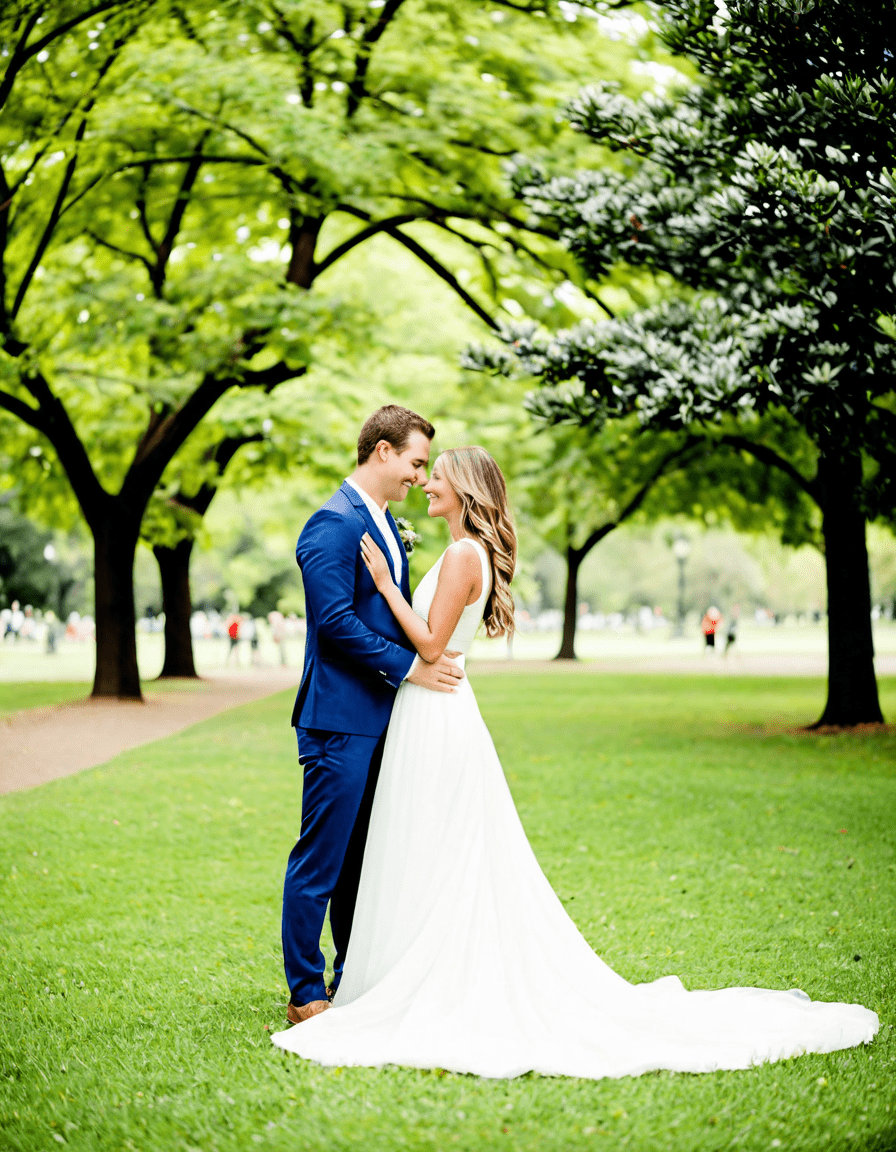
Photography is a dance of light, shadow, and composition. Within this art form, one principle reigns supreme: the rule of thirds. Understanding the rule of thirds is pivotal for photographers—participants in this grand narrative—aiming to elevate their skill set and produce compelling, balanced compositions. This basic yet powerful guideline involves dividing your frame into nine equal segments using two horizontal and two vertical lines, guiding you in placing your subject at the intersections or along these lines. Mastering this technique can supercharge the visual impact of your photographs, transforming everyday snapshots into artistic masterpieces.
While it might seem simplistic at first glance, the rule of thirds can turn any image into an eye-catching piece worthy of a magazine spread. It draws viewers in, compelling them to linger a bit longer on that frame. Each intersection is a potential powerhouse, a place where the eyes are naturally drawn. With this powerful tool in your arsenal, you’ll find yourself not just clicking a button but crafting a narrative—a snapshot of life that speaks volumes.

7 Secrets of the Rule of Thirds That Can Elevate Your Photography
1. Framing with Purpose
Effective framing is about intentionality. By positioning your focal point at the intersecting lines of the rule of thirds, you create a visual anchor that captures attention. Picture this: in landscape photography, placing majestic mountains or towering trees along these lines leads to a scene that feels more engaging and alive. National Geographic, renowned for its breathtaking photography, often utilizes this technique, guiding the viewer’s eye through beautifully laid-out compositions that whisper stories of wonder and exploration.
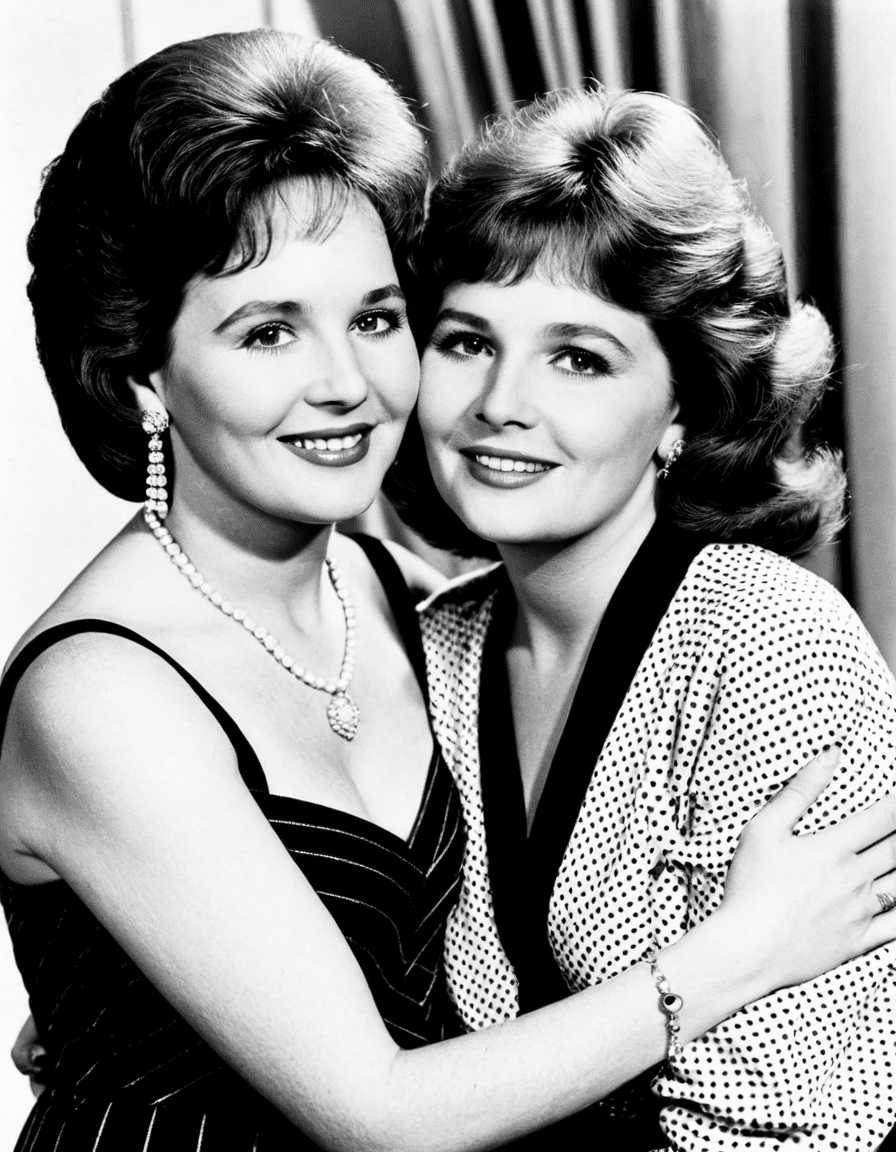
When shooting portraits, consider the famed Married with Children cast. Positioning characters off-center with thoughtfully chosen backgrounds takes the viewer on a journey, highlighting expressions and authentic relationships. This focused composition transforms your picture from just a snapshot into a compelling dialogue—one that invites the audience in rather than pushing them away.
2. The Power of Negative Space
Don’t underestimate the benefit of negative space, which can enhance the emotional weight of an image. Leaving ample space around your subject allows viewers to breathe and reflect on the scene. When you combine this with the rule of thirds, a simple portrait can evolve into a profound narrative. Negative space gives your images room to express emotions, resonating deeper with audiences.
Imagine capturing someone like Shakira in the frame. Left with surrounding space, her expression takes on a weight of its own, speaking beyond the surface. You create an invitation for viewers to not just look, but really see— to ponder the thoughts behind that moment.
3. Dynamic Movement
To convey motion, the rule of thirds can reveal where a subject is heading. For instance, photographing a runner positioned at the side of the frame adds a sense of direction and urgency. Big-name brands like Adidas make this approach their bread and butter, capturing athletes in action. Placing these individuals along the lines evokes feelings of speed and excitement, urging viewers to feel that rush.
Dynamic action photographs can transform ordinary movement into something intense. A moving subject gains character and drama when strategically placed at the intersections, enhancing viewer connection. This raw energy doesn’t just capture a moment; it embodies a feeling, a pulse of life that reverberates.
4. Balance and Symmetry
While the rule of thirds promotes asymmetrical designs, balance should not be overlooked. Consider how symmetry can play a powerful role in enhancing a composition. Think about Skeleton Crew, with its cinematography incorporating elements that contrast and complement each other. When a focal point is placed on a third, balanced symmetry brings a dynamic stability.
In film stills or photographs, ensuring certain elements reflect each other on either side fosters a cohesive sense of harmony. That balance doesn’t just offer a moment of ease but encourages the viewer to find their own center amidst the scene’s visual chaos.
5. Emphasizing the Horizon
In landscape photography, aligning the horizon line along the top or bottom third can radically change a viewer’s experience. Lowering the horizon raises the foreground into prominence, drawing attention to the details that enrich any photograph. Alternatively, gripping skies full of drama can emerge when you position that line higher. Many photographers have captured breathtaking sunsets using this technique, enveloping viewers in that warm, golden glow.
Imagine you’re standing at a sunset in a place that’s Back in Action— the hues spilling across the sky are only half the story. By capturing this horizon correctly, attendees feel as if they are part of the very scene you’re depicting, experiencing the beauty firsthand.
6. Creating Layers
Layering different elements introduces depth to your photographs. Comb through your image, using foreground, mid-ground, and background elements alongside the rule of thirds to guide the viewer’s eye. Prominent travel photographers, for instance, layer intriguing objects in the foreground while letting breathtaking mountain peaks loom in the back, amplifying clarity and depth.
The contrasts in layers give each image a story. When you master the rule of thirds, you have a tool to grasp the moments of life that deserve to be shared. Think about how a photo can encapsulate not just scenery but experiences, memories, and emotions, all within a single frame.
7. Paradigm Shifts with the New Pope and the Conclave
In photojournalism, pivotal events provides fertile soil for dynamic storytelling through the rule of thirds. Capture the essence of congregated crowds, the iconic papal balcony, and notable artifacts positioned off-center to forge emotional narratives. Iconic moments like the announcement of the new pope can tell deeper stories while maintaining compositional integrity.
The interplay of layers captures the unspoken energy of the crowd, the weight of history, and the symbolism that hangs in the air. Each photograph becomes a testament to time, urging viewers to contemplate what lies behind the lens’s focus.
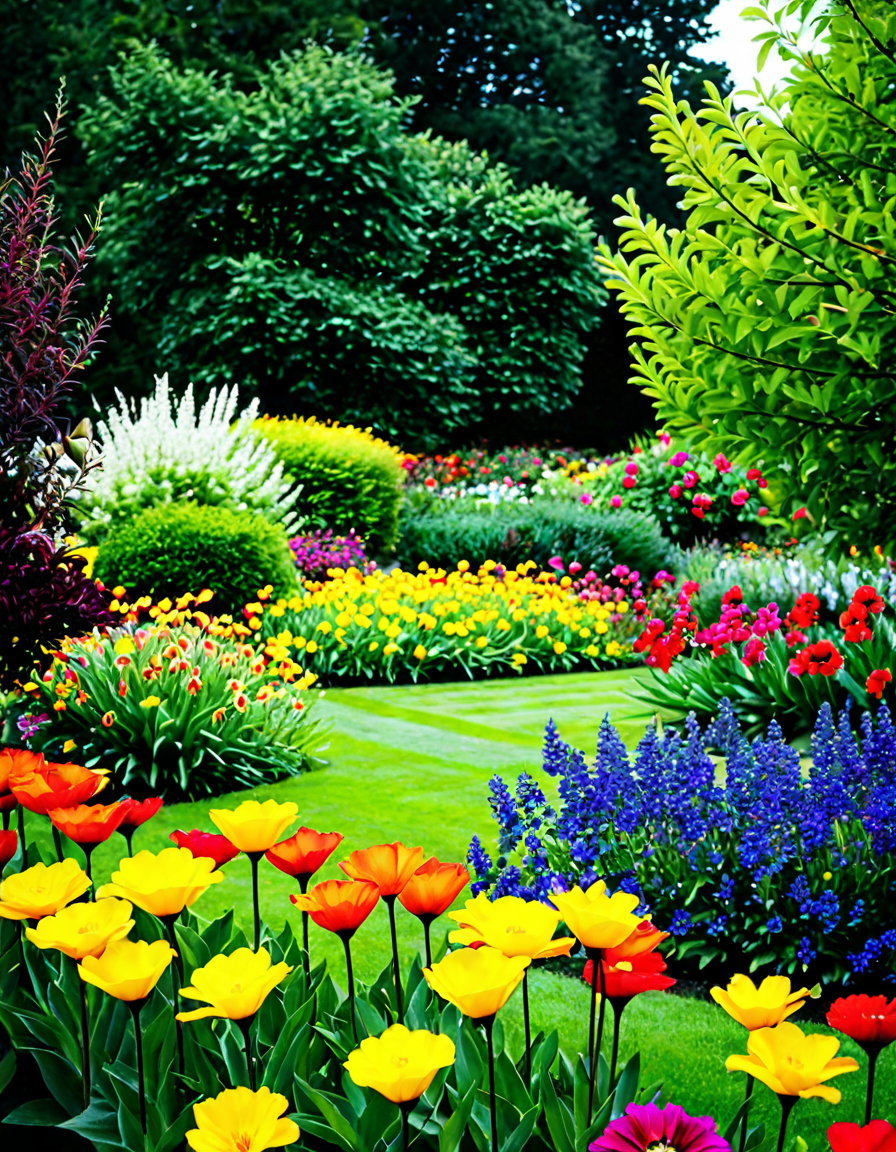
Crafting Unique Narratives with the Rule of Thirds
By integrating the rule of thirds, you’ve not only elevated your technical proficiency; you’ve started spinning rich narratives in each frame. This approach allows you to push creative boundaries while merging visual elements. The storytelling encapsulates the personal and the universal, resonating with audiences at a profound level.
Whether you’re just starting or you’ve handled a camera for years, embracing the techniques within the rule of thirds takes your artistry a notch higher. Your aesthetic sense will flourish, empowering you to attract and engage viewers effectively. Photography turns into a dance of emotions, where every shot you take not only captures but provokes thought. With practice and a keen eye for the transformative potential of the rule of thirds, you won’t just be a photographer; you’ll be an artist crafting moments of timeless beauty.
The Rule of Thirds: Secrets and Fun Facts
What Makes the Rule of Thirds So Important?
The rule of thirds is a photography principle that can truly elevate your images. Picture this: you’re capturing a stunning sunset, and by using the rule of thirds, you place the horizon along one of the horizontal lines instead of dead center. This technique creates a more dynamic composition, pulling in the viewer’s gaze. Speaking of compositions, did you know that even filmmakers like Jon Heder have utilized similar visual strategies in his projects? His knack for framing scenes lays a strong foundation for storytelling.
Fun Trivia to Spark Your Creativity
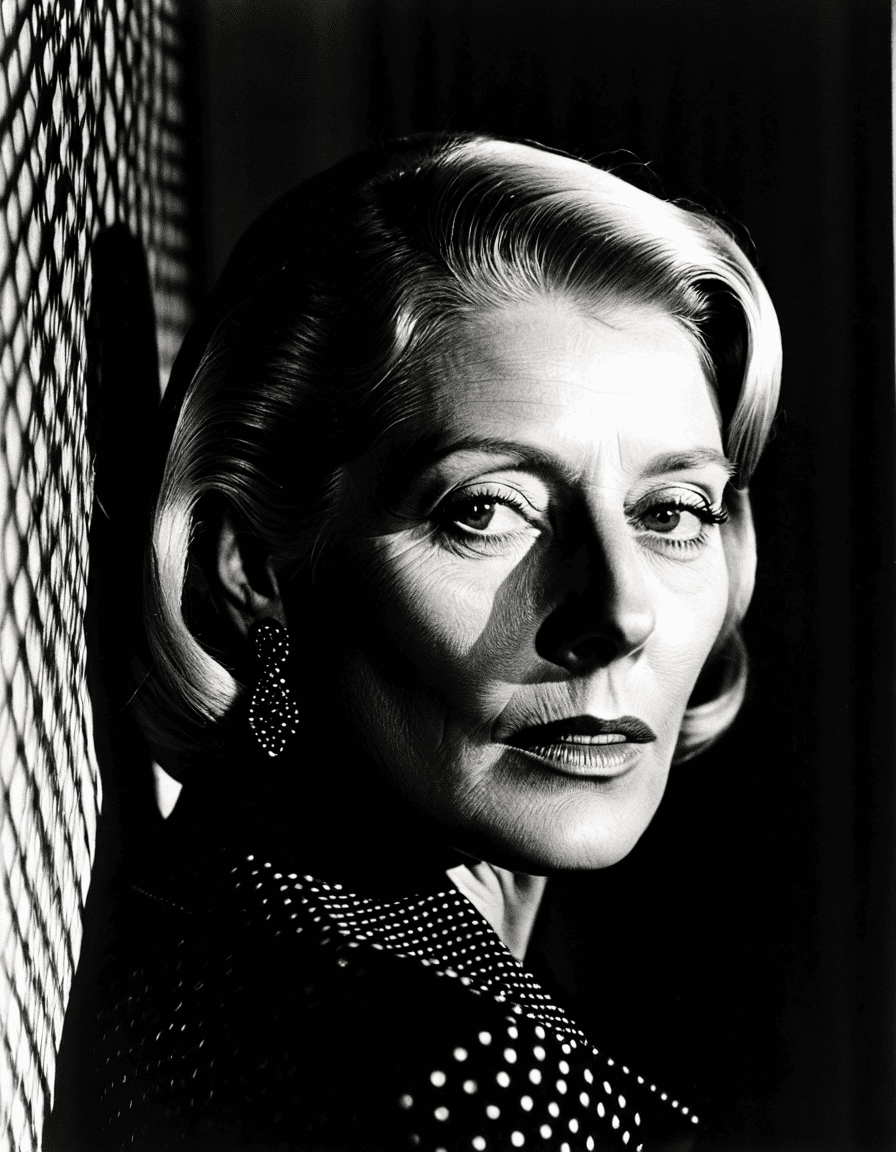
Now, let’s shift gears into some delightful trivia! Did you know that Diane Venora, known f or her stunning performances, often embodies characters whose strengths reflect symmetrically with their surroundings, similar to how the rule of thirds positions key elements in your frame? Whenever a shot feels balanced yet complex, it’s likely using these composition guidelines.
Another fun nugget: Mario and Luigi, aka the legendary plumbing duo, often appear in richly designed environments that leverage the rule of thirds. This adds dimension to their platforming adventures, ensuring every jump feels impactful. Anyone can master this technique with practice, and it’ll make you feel like a pro—even if you’re just snapping pics at a picnic with Nicole Anistons favorite camera!
The Everyday Application of the Rule of Thirds
Understanding the rule of thirds isn’t just for budding photographers or movie-makers; it can enhance anyone’s visual storytelling. It’s akin to how we easily define things, like when we explain what a fetus is or the diverse meaning of relationships. The trick is to think outside the box and apply this simple grid to everyday photos: whether it’s the local landscape or your child’s birthday bash. Just imagine the memories you’ll capture, much like the enchanting stories in Dandy’s World, where every image tells a tale. So get out there, and don’t forget to keep an eye on those third lines!