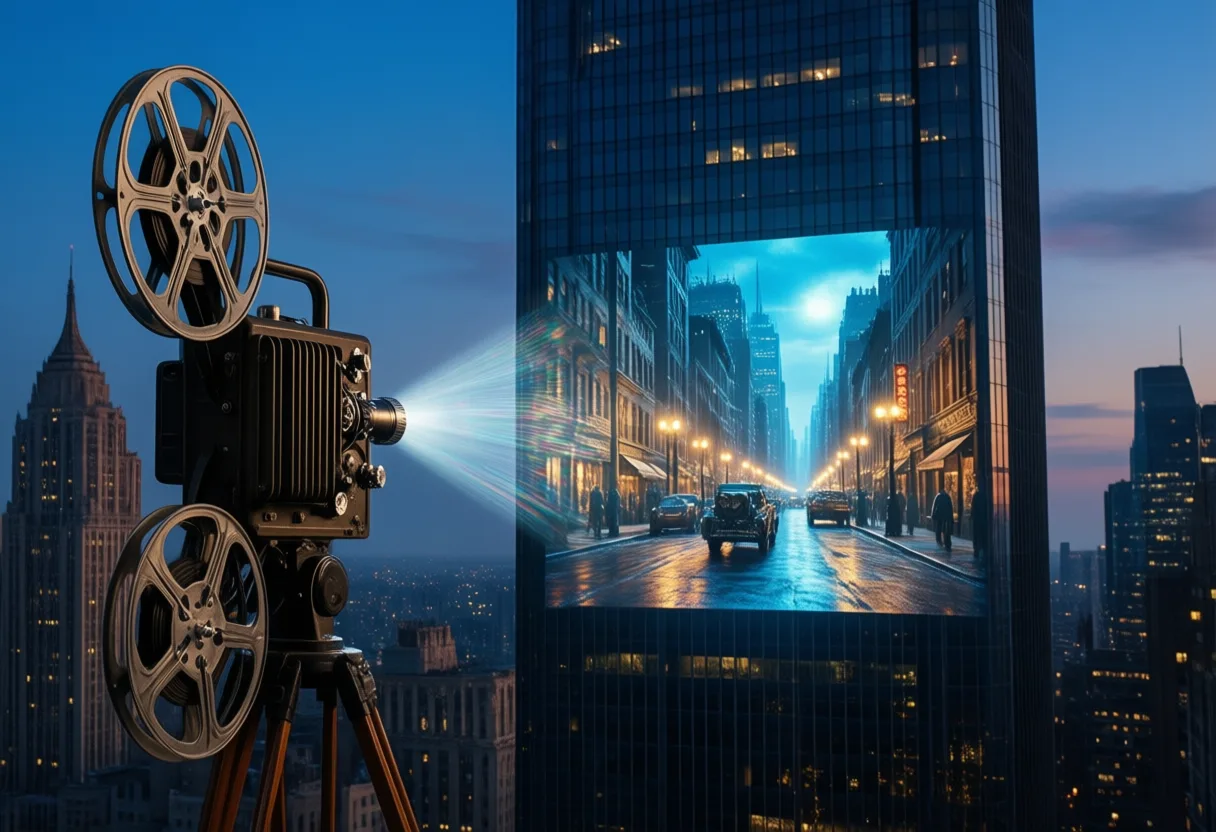
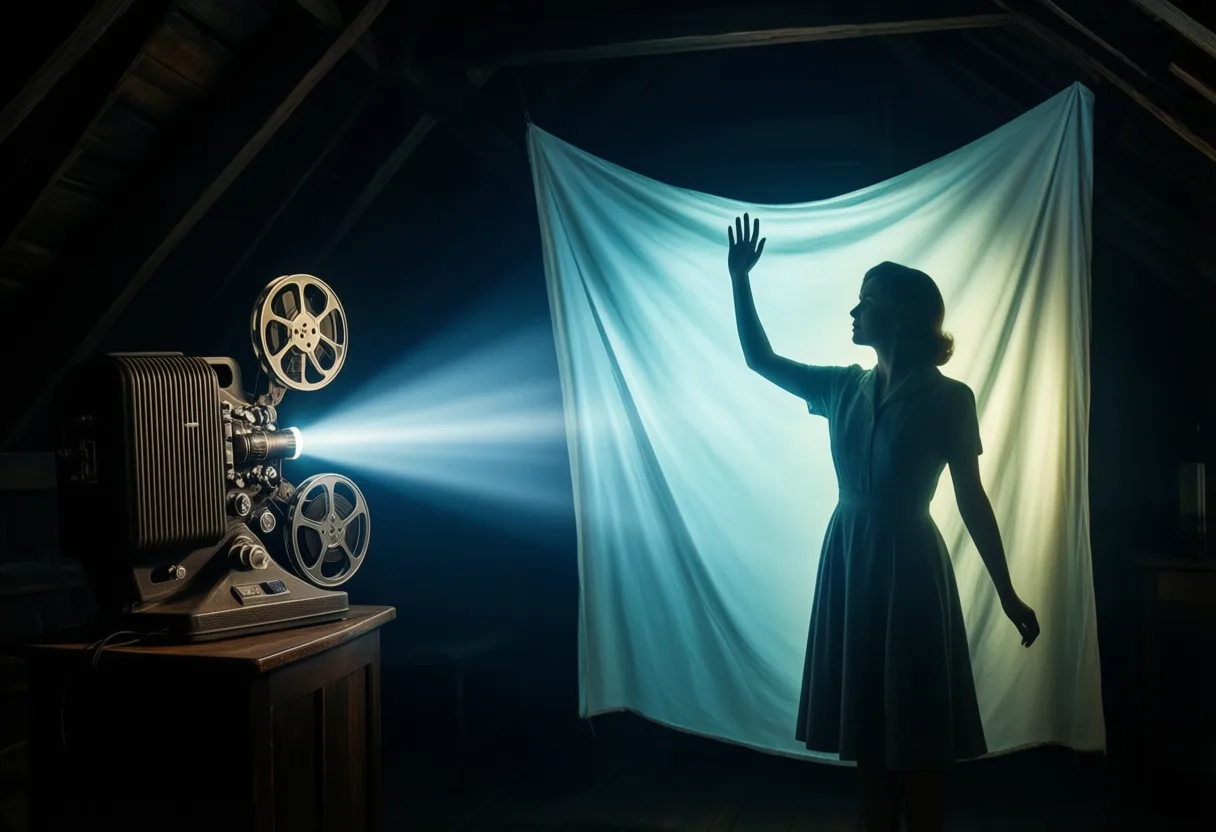
There’s a quiet revolution happening in living rooms across the country. While algorithms push the latest franchise installments, a growing number of viewers are turning backward-toward the flicker of black-and-white reels, the crackle of vintage soundtracks, the kind of performances that didn’t need CGI to feel larger than life. Something about Classic cinema Cuts through the noise, not as nostalgia bait, but as pure, unvarnished storytelling.
Why Classic Cinema Still Captivates Modern Audiences
Let’s get one thing straight: old movies aren’t relics. They’re blueprints. The best of them still pulse with the same urgency that made audiences gasp in 1948 or weep in 1955. These Films Didn’t just reflect their times-they shaped how we see emotion, tension, romance, and rebellion on screen.
Think of that moment in Sunset Boulevard When Norma Desmond descends the staircase, convinced the world is still waiting. It’s not camp. It’s tragedy, wrapped in glamour, delivered with terrifying precision. That kind of performance doesn’t age-it mutates, finding new relevance with every generation that discovers it.
And let’s not forget the craftsmanship. Without digital shortcuts, every shadow in a film noir was placed with intention. Every tracking shot in a Hitchcock thriller was a logistical ballet. These weren’t accidents. They were acts of obsession. Watching Them now isn’t just entertainment-it’s film school in motion.
Where to Find Time les Films Without Paying a Dime
You don’t need a basement full of VHS tapes or a subscription to every streaming service to dive into classic cinema. A surprising amount of film history is available right now, completely free, if you know where to look. The gatekeepers have loosened their grip, and the vaults are quietly open.
Many forgotten gems and even some well-known titles have slipped into the public domain. That means no studio is collecting royalties, and digital archives are free to host them. You won’t always get 4K remasters, but you will get access-sometimes raw, sometimes restored-to films that shaped the medium.
Platforms built around curated public domain content offer libraries that would’ve made film buffs of the 1980s weep with envy. Silent comedies, early talkies, Forgotten noir Experiments-all just a search away. No credit card required. No free trial countdown. Just cinema, unburdened.
The Rise of Free Streaming Platforms for Golden Age Movies
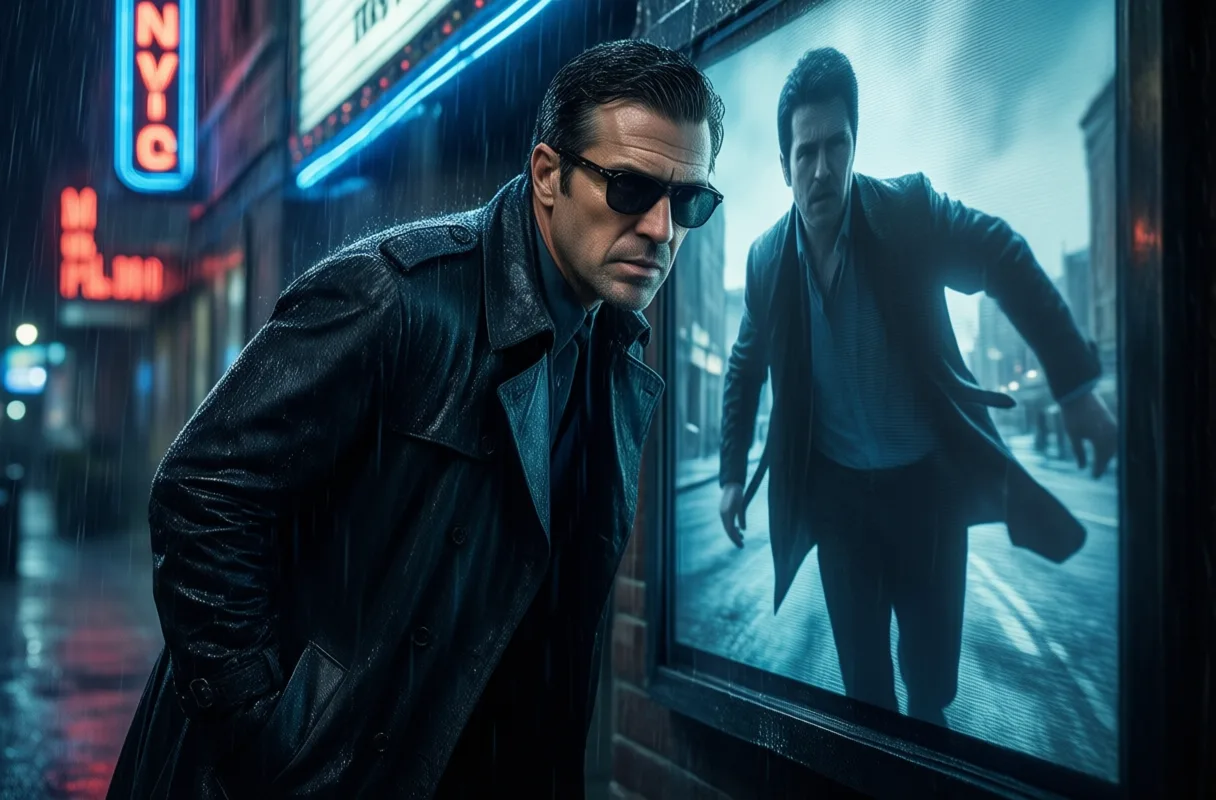
Free streaming isn’t just for reality TV reruns and forgotten sitcoms. A new wave of platforms has emerged with a specific mission: to preserve and present classic films without monetizing every second. These aren’t pirate sites. They’re often nonprofit-backed, library-affiliated, or built by cinephiles who believe film history should be public property.
What’s striking is how intentional these platforms feel. Unlike algorithm-driven giants that bury old films under endless content, these services organize by era, director, genre, or restoration status. You can follow a thread from German Expressionism to French Poetic Realism without being derailed by a pop-up for a reality dating show.
They’ve also become unexpected hubs for education. Film students use them for research. Teachers pull clips for classrooms. And casual viewers find themselves falling into rabbit holes-like how a 1930s pre-Code drama predicted modern gender politics, or how a B-movie from 1957 nailed suburban alienation decades before American Beauty.
Hidden Gems: Underrated Classics Now Available at No Cost
Everyone knows Casablanca. But what about Out of the Past, where Robert Mitchum smolders through a labyrinth of betrayal like a man already dead? Or The Asphalt Jungle, where every character is a clock ticking toward disaster? These aren’t deep cuts-they’re masterpieces that somehow never made it to the mainstream playlist.
Free platforms are where these films thrive. Unburdened by licensing fees, they can spotlight the underseen. A nurse in Cleveland discovers Cluny Brown And calls it “the anti-rom-com that cured her cynicism.” A college kid in Portland binges 1940s British kitchen-sink dramas and starts writing plays. These aren’t anecdotes. They’re the quiet victories of open access.
And then there are the oddities-the films that were too strange, too bold, or too ahead of their time. The ones that flopped on release but now feel eerily prescient. One 1950s sci-fi parable about conformity plays like a direct commentary on social media. Another, a low-budget courtroom drama, dissects systemic bias with surgical precision. They’re not perfect. But they’re alive.
How Public Domain Status Opens Doors to Vintage Favorites
Public domain is the great equalizer of film preservation. Once a movie’s copyright expires-or was never properly filed-it enters the commons. That doesn’t mean it’s forgotten. It means it’s free to be shared, restored, remixed, and rediscovered.
This is how a 1922 silent adaptation of Dr. Jekyll and Mr. Hyde Finds new life on a film student’s laptop. How a forgotten musical from 1933 becomes the centerpiece of a queer cinema lecture. These films aren’t just available-they’re malleable, open to reinterpretation.
Not every public domain title is a masterpiece. Some are rough, damaged, or poorly recorded. But even in their flaws, they offer something rare: authenticity. You’re not watching a corporate-approved version. You’re watching history, unfiltered. And sometimes, that crackle on the soundtrack is the sound of time collapsing.
Navigating Legal Free Archives with Curated Film Collections
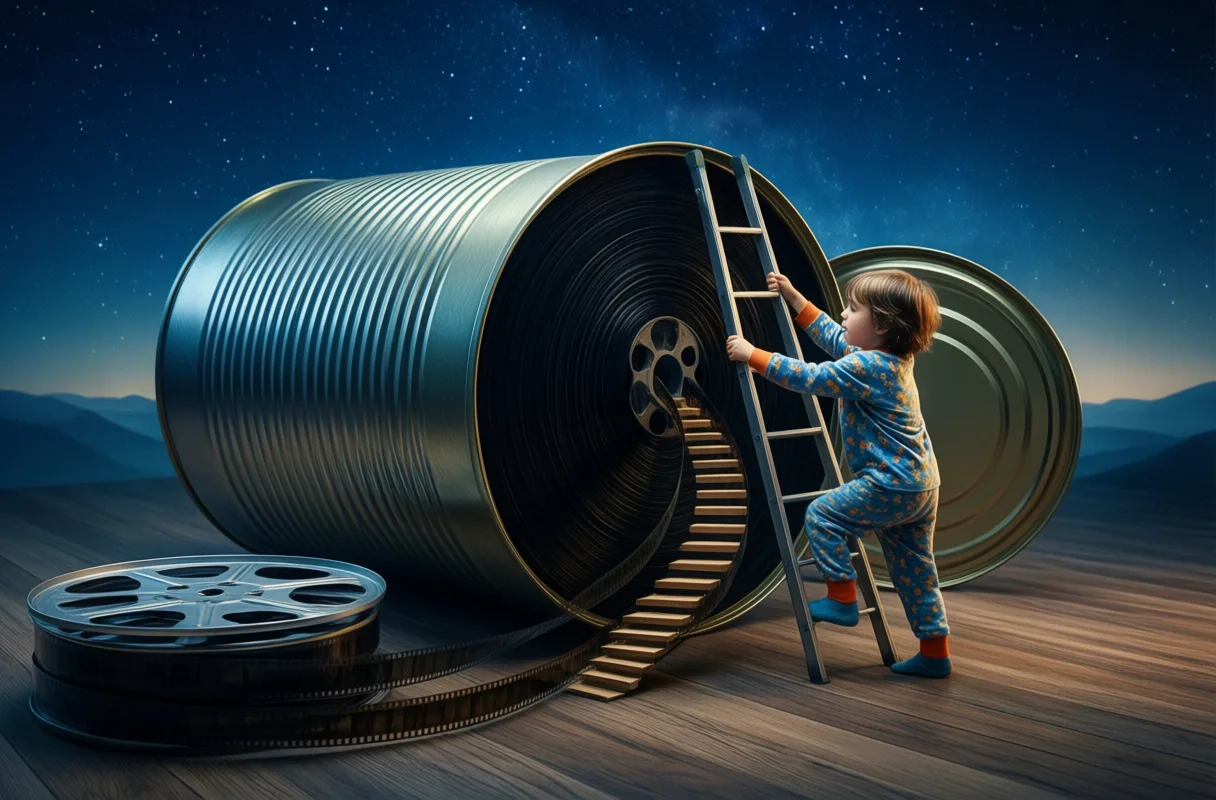
Not all free streaming is equal. The key is knowing which platforms respect the material. The best ones don’t just dump files onto a server. They curate. They restore. They credit. They treat film as art, not data.
These archives often partner with film labs, universities, or preservation societies. They’ll note if a version is incomplete, or if the score has been replaced due to lost audio. Transparency isn’t a bonus-it’s the foundation. You’re not just watching a movie; you’re engaging with a historical artifact.
Look for platforms that organize by theme or movement. A collection on “Women Who Directed in the 1930s” or “Noir Without Heroes” does more than entertain. It reframes history. It challenges the myth that classic cinema was a boy’s club or a parade of happy endings. The truth was always messier-and far more interesting.
What to Watch When You Crave Old Hollywood Glamour
When you want that golden glow-the satin gowns, the cigarette holders, the dialogue that snaps like a whip-Hollywood’s studio era delivers. And much of it is now free to stream, if you know where to look.
Start with the femmes fatales. Barbara Stanwyck in Double Indemnity Didn’t just break hearts-she rewrote the rules of female agency on screen. Her performance is all calculation and heat, a masterclass in controlled chaos. Then there’s Rita Hayworth in Gilda, swaying to “Put the Blame on Mame” like she’s daring the world to look away.
For men, it wasn’t about charm-it was about control. Humphrey Bogart didn’t smile much, but when he did, it felt earned. In The Maltese Falcon, he’s a man holding himself together by sheer will. No grand speeches. No heroics. Just a detective doing his job in a world that’s already lost its moral compass.
And let’s not forget the directors. Hawks, Sirk, Minnelli-each had a signature. One made masculinity a performance, another turned melodrama into social critique, the third draped emotional chaos in Technicolor. Their films weren’t escapist. They were diagnostic.
Balancing Quality and Accessibility in Free Movie Services
Let’s be honest: not every free stream looks like a Criterion release. You might get a soft print, a cropped frame, or a fan-uploaded version with a piano soundtrack. But imperfection doesn’t negate value. Sometimes, a flawed copy is the only copy-and that’s worth something.
The best free services invest in restoration. They clean frames, sync audio, and source the best available prints. They’ll even host multiple versions so you can compare. This isn’t about fetishizing quality-it’s about respecting the artist’s intent.
And accessibility isn’t just technical. It’s cultural. When a 1940s Mexican melodrama is subtitled and labeled properly, it’s not just available-it’s visible. When a Black-cast film from the 1920s is presented with context, it’s not just preserved-it’s honored. Free access means nothing if the context is missing.
Beyond the Big Names: Discovering International Classics for Free
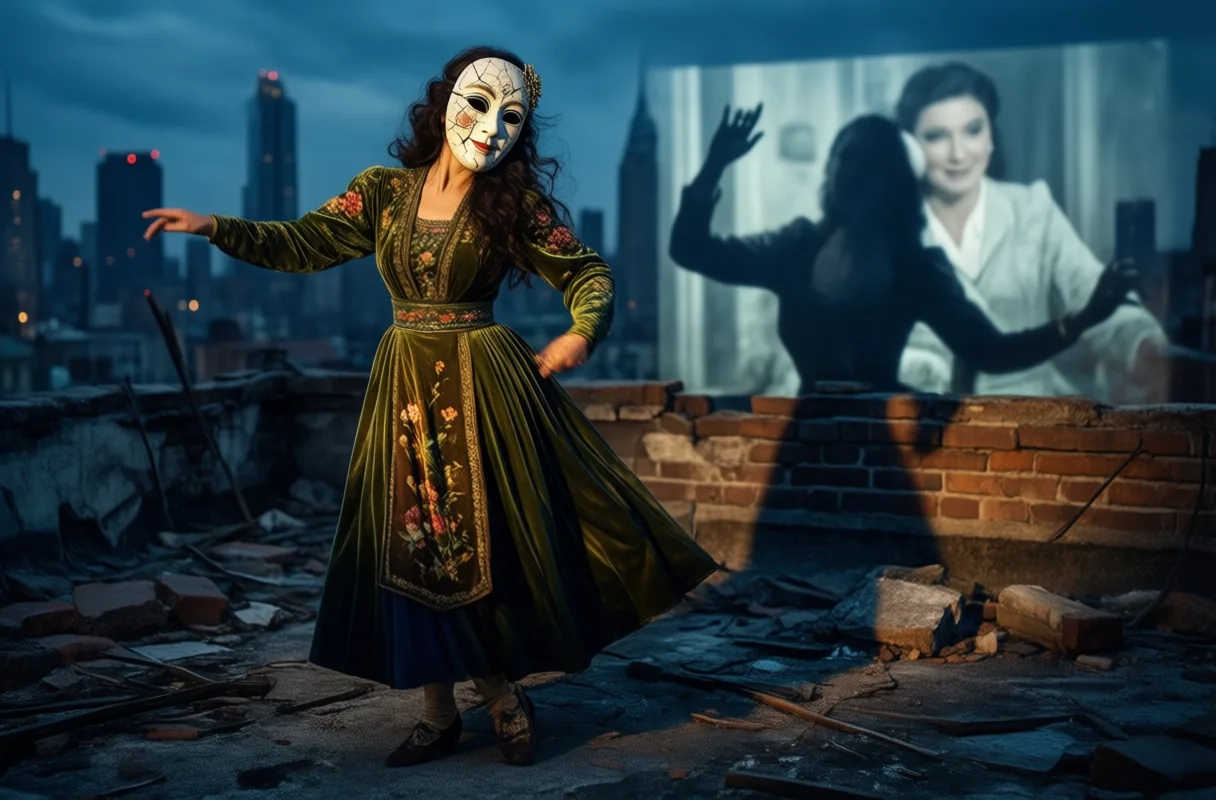
Hollywood didn’t invent cinema. It just marketed it better. The real revolutions happened in Paris, Tokyo, Berlin, and Calcutta. And many of those landmark films are now free to explore.
Imagine watching Bicycle Thieves For the first time-not as a film student, but as someone who just clicked play on a quiet Tuesday night. The simplicity, the heartbreak, the way it finds epic tragedy in a stolen bike. It doesn’t need explosions. It just needs truth.
Or Rashomon, where four versions of the same crime unravel the myth of objective reality. Kurosawa didn’t just influence directors-he changed how we think about storytelling. And now, his early work is just a few clicks away, no subscription needed.
These films don’t feel “foreign.” They feel essential. They remind us that great cinema speaks a universal language-one built on gesture, silence, and the weight of a single glance.
Practical Tips for Building a Personal Watchlist from Free Sources
Don’t just scroll. Strategize. Start with a theme: film noir, pre-Code Hollywood, postwar Italian cinema. Let one film lead to the next. Watch a movie by a director, then seek out their influences. Follow the crew-same cinematographer? Same writer? Connections emerge.
Use watchlists like mood boards. Mix the famous with the forgotten. Pair Sunset Boulevard With a lesser-known Billy Wilder script. Watch Psycho, then dig into the silent films that inspired its visual style. Context deepens enjoyment.
And don’t rush. These films weren’t made for bingeing. Let them sit. A day, a week. Come back to that scene you couldn’t shake. The one where the camera lingers just a second too long. That’s where the magic lives.
The Future of Free Access to Cinematic History
The past isn’t done evolving. As more films enter the public domain, more will become freely available. Restoration tech is improving. Archives are digitizing faster. The dream of a fully accessible film history is no longer science fiction-it’s underway.
But access alone isn’t enough. We need curation. Education. Context. A film without its history is like a song without lyrics. The sound is there, but the meaning is thin.
The future of classic cinema isn’t in vaults or private collections. It’s in homes, classrooms, and late-night viewings by people who just wanted to see what all the fuss was about. And when they do, they’ll find something unexpected: not dust, but fire.
Hidden Gems and Surprising Stories Behind Free Classic Cinema
How Budgets Shaped Big-Screen Legends
Some of the most iconic scenes in classic cinema came together with shockingly little money. Studios in the 1940s and 50s often worked under tight constraints, pushing filmmakers to get creative. That fog in so many old horror movies? It wasn’t just for atmosphere-it helped hide low-budget sets and keep production costs down. Clever tricks like rear projection and matte paintings gave the illusion of grandeur without the price tag, making films feel larger than life even when resources were limited.
Stars Who Almost Missed Their Breakthrough Roles
Casting choices that now seem perfect were often last-minute or even accidental. A well-known leading man in a 1950s noir classic wasn’t the first pick-the role went to him only after the original actor backed out days before filming. In another case, a now-celebrated actress was nearly passed over for a pivotal role because studio execs thought she looked “too ordinary.” Today, that performance is studied in film schools. These near-misses remind us how fragile film history can be-change one decision, and a classic might have looked completely different.
The Unexpected Lives of Public Domain Films
Many classic movies are free to stream today because they’ve entered the public domain-often due to a small paperwork error decades ago. A studio forgot to renew the copyright, and just like that, a 1930s mystery or a 1940s musical became free for anyone to share. That’s why you’ll find some lesser-known gems from the era available on multiple platforms. These films, once overlooked, now reach new audiences thanks to their legal status, giving curious viewers a chance to explore corners of cinema history that might otherwise have faded away.
Frequently Asked Questions
Why are some classic movies available to stream for free?
Some classic movies are in the public domain because their copyright expired or was not renewed. This allows digital archives and streaming platforms to host them legally at no cost.
Where can I find free classic films online?
Free classic films can be found on nonprofit-backed, library-affiliated, or cinephile-run platforms that curate public domain content. These services organize films by era, director, genre, or restoration status.
Are free streaming versions of classic movies high quality?
Not all free streams are high quality-some may have soft prints or fan-uploaded scores. However, the best services invest in restoration and offer the best available prints.
What makes classic cinema still relevant today?
Classic films offer masterful storytelling, intentional craftsmanship, and performances that remain powerful. They explore emotion, tension, and social themes with lasting impact.
This article was produced with AI assistance. How Silver Screen Magazine uses AI.
Rohan Kilpatrick dissects the personal lives of stars with wit and precision, balancing insider access with ethical awareness. He delivers the latest whispers and headlines with a sharp eye for irony, never sacrificing style for sensationalism.