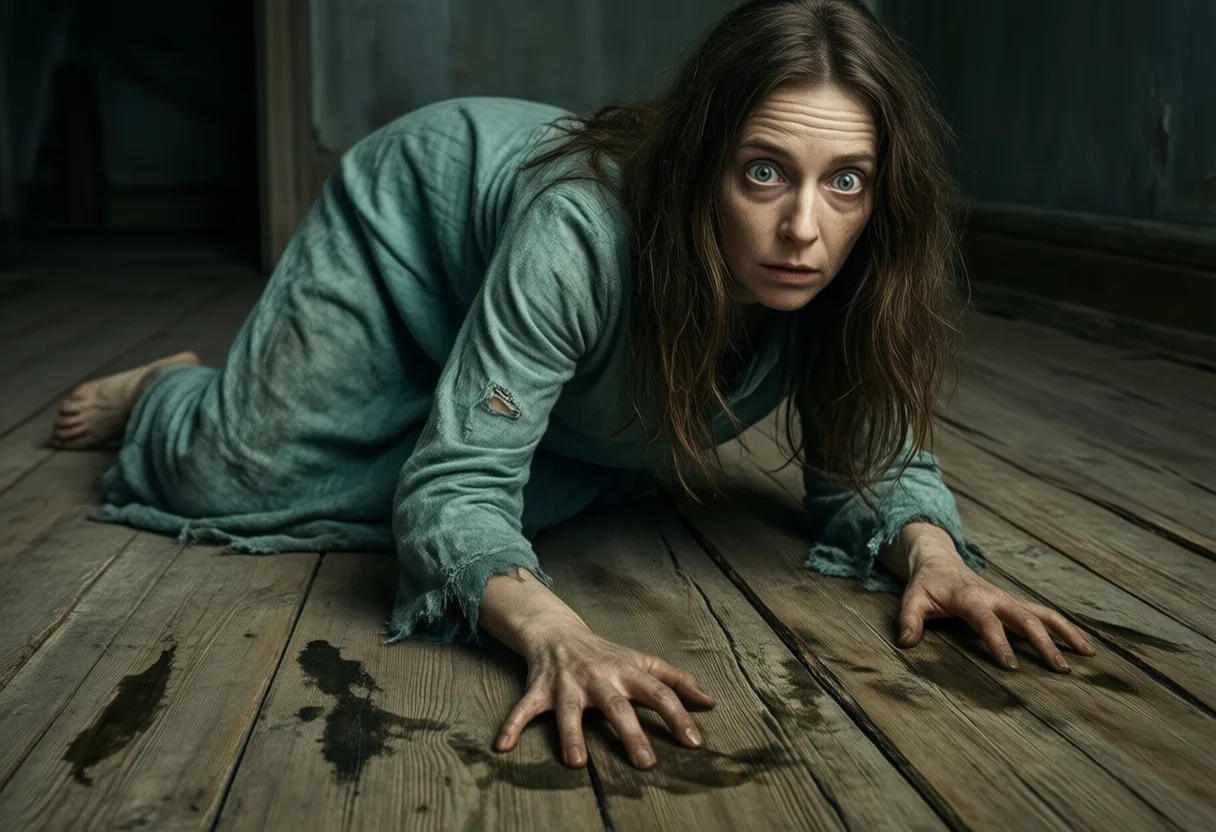
Fear has always been a mirror, reflecting not just what lurks in the shadows, but what festers beneath the surface of our waking lives. In the curated glow of our screens, Horror films Have evolved-no longer confined to midnight screenings or VHS tapes, they now pulse through algorithms, waiting in queues, ready to unsettle at a click.
Streaming Has changed how we encounter fear. The horror that sticks with us isn’t always the one that makes us flinch-it’s the one that lingers after the screen goes dark, the quiet dread that seeps into the edges of ordinary moments.
What Makes a Horror Film Truly Unsettling in the Streaming Age?
The convenience of streaming has made horror more accessible than ever, but it has also sharpened the genre’s ability to disturb. Without the communal safety of a theater, we face these stories alone, in dim rooms where the silence afterward feels heavier than before.
Horror films today exploit the intimacy of the medium. A whisper through headphones, a flicker in a bedroom monitor-these aren’t just scares. They’re invasions, made more potent because they unfold in the same spaces where we sleep, scroll, and seek comfort.
What separates the truly unsettling from the merely shocking is intention. It’s not the volume of the scream, but the precision of the silence that precedes it. The best horror understands that Terror lives In anticipation, in the knowledge that something is wrong-even if we can’t name it.
The Psychology of Fear: Why We Keep Watching
We return to horror not because we enjoy fear, but because we seek mastery over it. Each viewing is a rehearsal, a way to navigate the uncontrollable through the safety of fiction. The Heartbeat Racing, the breath held-these are not signs of weakness, but of engagement.
Fear triggers a primal response, but horror films offer something rare: a controlled descent. We walk the ledge willingly, knowing there’s a net. Yet the illusion of danger must feel real for the thrill to matter. That’s where atmosphere, pacing, and emotional investment come in.
The most enduring horror stories tap into universal anxieties-loss, isolation, the fragility of identity. They don’t just scare us; they reveal us. And in that revelation, there’s a strange comfort: we are not alone in our dread.
From Slow-Burn Dread to Jump-Scare Mastery
Modern horror thrives on contrast. Some films unfold like nightmares in slow motion, where every frame tightens the knot in your chest. Others weaponize sudden shocks, exploiting our reflexes with surgical precision. Both approaches can be effective, but they serve different kinds of fear.
Slow-burn horror relies on patience. It builds worlds where unease is ambient, where something feels off from the first shot. These films trust the audience to notice the details-the wrong shade of light, the too-long stare, the silence where sound should be.
Jump-scare horror, when done well, isn’t lazy. It’s rhythmic. The scare lands because of what came before-the lull, the false safety, the breath you didn’t realize you were holding. It’s a physical jolt, but the best ones leave a psychological echo.
- Slow-burn films often linger in memory for their mood, not their moments.
- Jump-scares dominate social media reactions, but rarely define a film’s legacy.
- The most effective horror blends both, using shocks to punctuate a growing sense of doom.
How Atmosphere Builds Inescapable Tension
Atmosphere is the invisible architecture of horror. It’s not a single element, but the fusion of sound, lighting, performance, and pacing into a cohesive sense of wrongness. A creak on the soundtrack, a shadow stretching too far-these aren’t just details. They’re invitations to dread.
Films that master atmosphere make the environment a character. A house breathes. A forest watches. The camera lingers just long enough to make you question what you saw. This is horror that doesn’t need monsters to feel monstrous.
Consider the weight of a hallway at 3 a.m., the way a door left ajar can feel like a threat. The best horror films turn the familiar into the foreign, making us question the safety of our own homes. That’s the power of atmosphere-it doesn’t just scare us. It changes how we see.
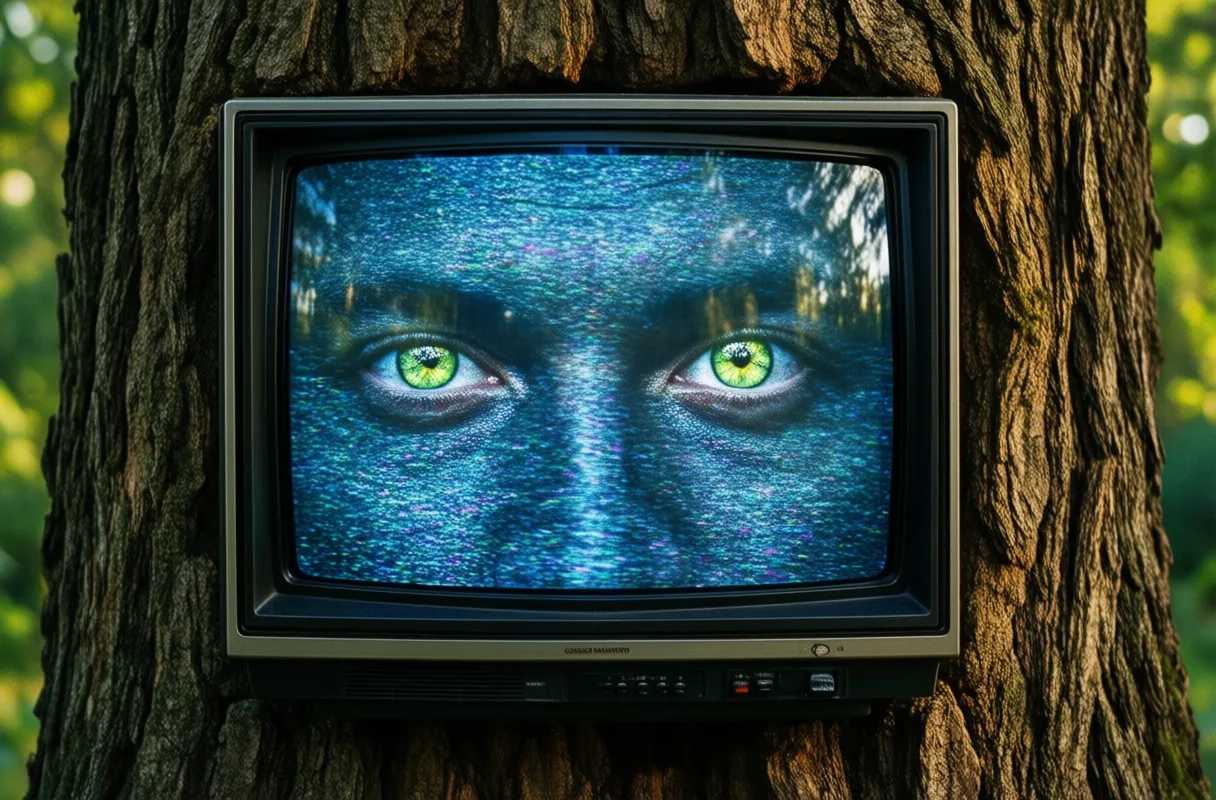
9 Terrifying Films You Can Stream Right Now
Streaming platforms have become treasure troves for horror, offering everything from arthouse chills to mainstream nightmares. The following films exemplify the range and depth of what’s available-stories that unsettle not just with what they show, but with what they imply.
Each of these selections operates on a different frequency of fear, from psychological unraveling to supernatural dread. They are not ranked, but grouped by the kind of terror they evoke-because the scariest movie for one viewer might barely register for another.
Whether you crave isolation, paranoia, or the slow erosion of self, there’s a film here that will find you.
A Haunting Tale of Isolation and Identity
One film lingers on the fragility of the self when cut off from the world. Set in a remote landscape, it follows a protagonist whose memories begin to slip, replaced by visions that feel too real to dismiss. The line between memory and hallucination dissolves, leaving only uncertainty.
There are no jump scares, no masked figures. Instead, the horror comes from the quiet realization that you can no longer trust your own mind. The environment-bleak, beautiful, indifferent-mirrors the internal collapse.
This is horror as introspection, a meditation on how easily identity can fray when left alone with its shadows.
When Folklore Turns Sinister in Modern Settings
Another film draws from regional myths, weaving ancient beliefs into a contemporary story. What begins as a cultural curiosity becomes a creeping nightmare, as rituals meant to protect instead invite something in.
The terror here is rooted in authenticity. The customs feel real, the fear of breaking taboos palpable. When the supernatural manifests, it doesn’t feel like invention-it feels like consequence.
By grounding the uncanny in tradition, the film makes the unbelievable feel inevitable. It’s a reminder that some stories were never meant to be told out loud.
The Chilling Power of Minimal Dialogue and Maximum Suspense
One standout relies almost entirely on visual storytelling. Characters speak rarely, if at all, forcing the audience to interpret meaning through gesture, expression, and environment. The silence becomes a pressure.
Every movement is weighted, every glance loaded with implication. Without exposition to guide us, we’re left to piece together the horror ourselves-and what we imagine is often worse than what’s shown.
This film proves that fear doesn’t need explanation. Sometimes, the most terrifying thing is not knowing why.
Supernatural Threats Rooted in Family Trauma
A deeply affecting entry explores how grief can open doors best left closed. A family, fractured by loss, moves into a home that seems to remember their pain-and respond to it.
The haunting isn’t just in the walls; it’s in the way each character carries their sorrow. The supernatural elements feel like manifestations of guilt, regret, and unresolved love.
This is horror with emotional weight, where the scariest moments aren’t the apparitions, but the quiet confessions between broken people.
A Descent into Paranoia with No Escape
One film traps its protagonist in a cycle of suspicion. Surveillance footage shows things they don’t remember doing. Voices whisper in empty rooms. Allies become threats. The world itself seems to conspire against them.
There’s no clear villain, no final reveal that ties everything together. The horror is in the uncertainty-was it real, or was it madness? And does it matter if the effect is the same?
This is a film that follows you into the quiet moments, making you question the reliability of your own senses.
Monstrous Realities Hidden Within Everyday Life
Another selection exposes the terror of normalcy. On the surface, a family, a neighborhood, a routine-everything appears fine. But beneath, something is deeply wrong.
The horror emerges through repetition, through the subtle wrongness of a smile held too long, a child’s drawing that shouldn’t exist. The monster isn’t under the bed. It’s sitting at the dinner table.
This film reminds us that the most dangerous threats often wear familiar faces.
The Unrelenting Grip of Psychological Manipulation
One story unfolds as a slow erosion of autonomy. A character is isolated, gaslit, and gradually stripped of their sense of reality. The villain isn’t a ghost or a killer, but a person who knows exactly how to break them.
What makes it chilling is its plausibility. The tactics are recognizable, the manipulation insidious. You see how easy it would be to fall.
This is horror as cautionary tale, a portrait of control so complete it feels inescapable.
Survival Against an Unseen, Relentless Force
Another film presents a threat that cannot be reasoned with, only endured. It doesn’t speak, doesn’t explain. It simply pursues. The characters’ survival depends not on bravery, but on silence, timing, and luck.
The tension is nearly unbearable, built on rules that must be followed to the letter. One misstep, one sound, and it’s over.
This is horror as pure survival instinct, a stripped-down game of hide and seek with no second chances.
When the Past Refuses to Stay Buried
A final selection deals with legacy-how the sins of the past return, not as ghosts, but as patterns. A character returns to their hometown, only to find that time hasn’t healed. It’s preserved.
Old secrets surface, relationships fracture, and history repeats with subtle variations. The horror isn’t in what happened, but in the realization that it was never really over.
This film understands that some hauntings don’t need spirits. All they need is memory.
Common Misconceptions About Modern Horror
Horror is often dismissed as shallow, a genre of shocks without substance. But this overlooks the depth of its craft and the intelligence of its best entries. The genre has long been a vessel for social commentary, psychological exploration, and artistic innovation.
Many assume that gore defines horror, but the most disturbing images are often the ones left unseen. It’s not the blood that lingers-it’s the implication. The genre’s power lies in suggestion, in what the mind conjures when given only a hint.
Modern horror is not a monolith. It includes quiet dramas, existential thrillers, and experimental narratives. To reduce it to jump scares and monsters is to miss its true potential.
It’s Not Just Gore - It’s About Control
Violence in horror is rarely about the act itself. It’s about power-the loss of it, the abuse of it, the desperate attempt to reclaim it. Gore, when used, is often a symbol, not a spectacle.
The most disturbing scenes are those where the victim has no agency, where resistance is futile. These moments reflect deeper fears: of helplessness, of violation, of being unseen.
Even in films with minimal bloodshed, the sense of control being stripped away is central. That’s the real horror-not the wound, but the surrender.
Contextual Fears: How Real-World Anxiety Shapes What We Find Scary
Horror doesn’t exist in a vacuum. It absorbs the anxieties of its time, refracting them through metaphor and nightmare. Pandemics, surveillance, climate collapse-these shape what we fear, even when they’re never named on screen.
A film about isolation might resonate more after years of distance. A story about misinformation feels urgent in an age of digital chaos. The genre evolves because our fears do.
What scares us says as much about us as it does about the film. The monsters change, but the fear remains personal.
The Role of Ambiguity in Lasting Impact
Some of the most powerful horror offers no answers. The creature’s origin is unknown. The rules are unclear. The ending is unresolved. This ambiguity isn’t a flaw-it’s a feature.
When a film refuses to explain, it forces the audience to sit with the discomfort. There’s no catharsis, no closure. The fear isn’t dispelled; it’s invited to stay.
Ambiguity lingers because it mimics real life. We don’t always get explanations. Sometimes, things just are. And that’s the scariest truth of all.
How to Choose Your Next Nightmare Wisely
Not all horror is for all viewers. Some films demand emotional resilience, others exploit primal reflexes. Knowing your tolerance-and your triggers-is part of the experience.
Streaming platforms make it easy to dive in, but also easy to stumble into something too intense, too personal, too close to home. A little intention goes a long way.
Consider what kind of fear you’re ready for. Do you want to be startled, or unsettled? To cry, or to think? The best horror matches your mood as much as your taste.
Matching Fear Profiles to Viewing Preferences
- If you prefer tension over terror, seek slow-burn films with strong atmosphere.
- If you enjoy adrenaline, look for well-crafted suspense with precise pacing.
- If you want depth, choose stories that explore grief, identity, or societal fears.
- If you’re sensitive to certain themes, check content notes-your peace of mind matters.
The right horror film doesn’t just scare you. It feels like it was waiting for you.
Beyond the Scares - What These Films Leave Behind
The best horror doesn’t end when the credits roll. It follows you, not as a fear of monsters, but as a question. What would I do? Could that happen? Do I already feel that way?
These films linger because they touch something true. They expose vulnerabilities, challenge assumptions, and sometimes, offer catharsis. Fear, in this context, becomes a kind of clarity.
You may never look at a quiet hallway the same way again. And perhaps that’s the point. Best Horror Movies Streaming That Will Terrify You aren’t just about the moment they scare you-they’re about what they make you feel long after.
| Film | Platform | Type of Fear | Key Themes |
|---|---|---|---|
| The Babadook | Netflix | Psychological unraveling | Grief, mental health, motherhood |
| The Witch | Hulu | Slow-burn dread | Isolation, paranoia, folklore |
| His House | Netflix | Supernatural trauma | Refugee experience, guilt, cultural loss |
Chills at Your Fingertips
Behind the Screams
You might not realize it, but some of the most unsettling films on Netflix and Hulu thrive on subtlety rather than jump scares. Take The Babadook, for example-what starts as a simple bedtime story spirals into a haunting exploration of grief and mental health. The creature design was intentionally low-tech, using practical effects and shadow play to stir unease, proving you don’t need flashy CGI to get under your skin. Fans often cite the film’s lingering tension as what makes it unforgettable, long after the credits roll.
Another standout, The Witch, dropped viewers into 1630s New England with period-accurate dialogue that took some time to adjust to-but that authenticity is part of what makes it so immersive. The isolation, the paranoia, the goat named Black Phillip-every element feeds the slow-building dread. It’s no wonder the film became a cult hit, with viewers still debating the final scene years later. On Hulu, it continues to draw in horror lovers looking for something deeply atmospheric.
Then there’s His House, a Netflix original that blends refugee trauma with supernatural horror in a way few films dare. The haunted house isn’t just old and creaky-it’s a manifestation of guilt and loss, tied to the protagonists’ harrowing journey from South Sudan. The spirits aren’t random; they’re rooted in Dinka folklore, adding cultural depth that elevates the scares beyond typical ghost story tropes. It’s a reminder that real-world pain can be the scariest thing of all. Explore more stories, videos, and creators on Loaded.
Frequently Asked Questions
What makes a horror film truly unsettling in the streaming age?
Horror films in the streaming age exploit the intimacy of watching alone in personal spaces, using whispers, flickers, and silence to create invasions that feel more potent. The most unsettling films build dread through atmosphere and anticipation rather than just jump scares.
How does atmosphere contribute to horror film tension?
Atmosphere combines sound, lighting, performance, and pacing to create a cohesive sense of wrongness. It turns familiar environments into threatening spaces, making the audience question the safety of their own surroundings.
What is the psychological reason people keep watching horror films?
People watch horror to gain mastery over fear in a controlled setting. The genre taps into universal anxieties like loss and isolation, offering a safe way to confront deep emotions and find strange comfort in shared dread.
Which horror films on Netflix and Hulu are known for psychological depth and cultural authenticity?
The Babadook explores grief and mental health through subtle, lingering tension. The Witch uses period-accurate dialogue and isolation to build dread. His House blends refugee trauma with Dinka folklore in a haunted house story rooted in real-world pain.
This article was produced with AI assistance. How Silver Screen Magazine uses AI.
Simone Reyes tracks shifts in film distribution and digital platforms with clarity and foresight, translating complex trends into accessible insights. She bridges the gap between corporate moves and viewer experience, illuminating how the business shapes what we watch.