There’s a quiet revolution happening in plain sight-Classic movies On Netflix are no longer buried beneath algorithmic noise or dismissed as relics of a bygone era. They’re being rediscovered, not as museum pieces, but as living, breathing works that pulse with urgency and emotional truth.
In an age where content moves at the speed of a scroll, these Films slow Us down. They ask for attention, not just consumption. And when we give them that space, they reward us with depth, craft, and performances that feel startlingly modern.
Why Classic Cinema Still Rules the Streaming Era
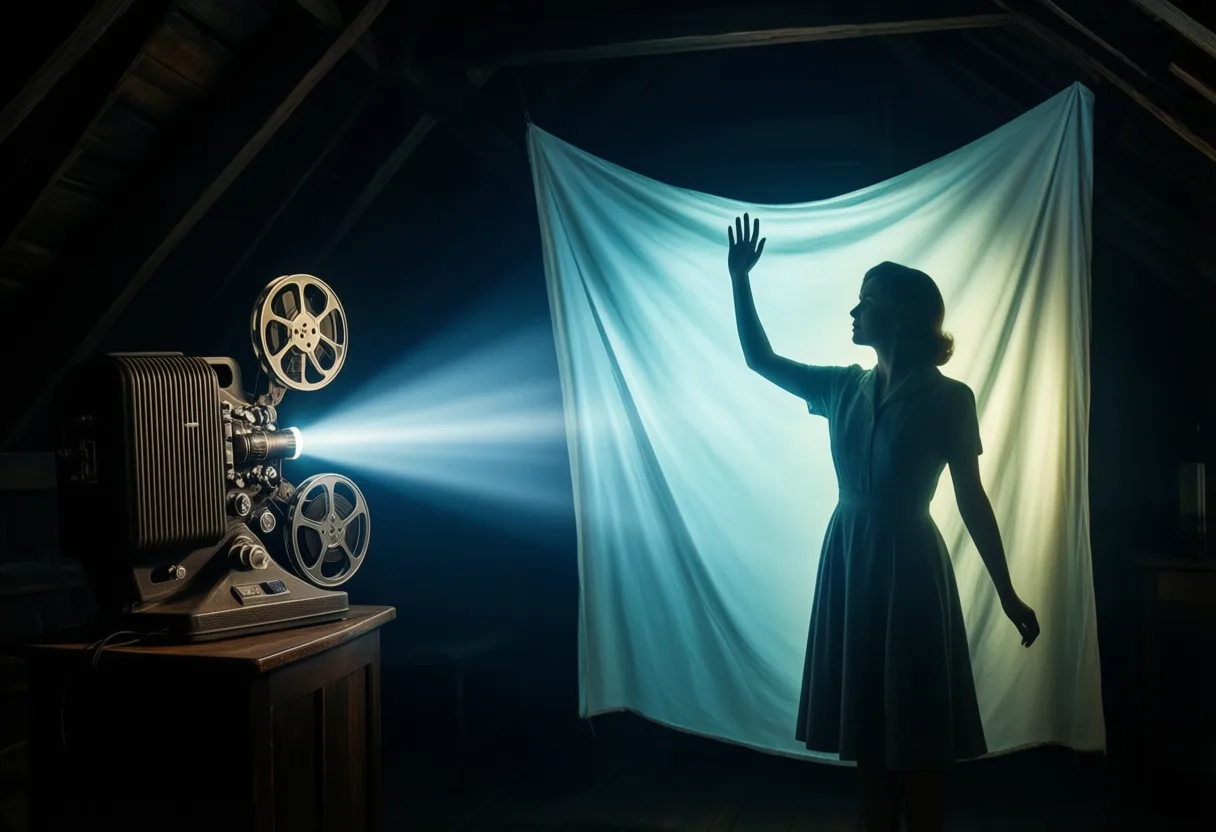
The flicker of celluloid has never truly faded-it’s simply found new life on our screens. What once played in grand movie palaces now Streams Into living rooms, bedrooms, and late-night binges, proving that time doesn’t diminish power, it refines it.
Streaming hasn’t replaced the theater; it’s democratized access to film history. A teenager in Portland can watch the same noir shadows that haunted postwar audiences, while a retiree in Miami might rediscover the musicals of her youth with fresh eyes. This isn’t mere convenience-it’s cultural continuity.
Classic films Offer something rare in today’s landscape: a sense of permanence. They weren’t built for virality or five-second hooks. They were constructed-frame by frame, performance by performance-to endure. And endure they do, often outliving the trends they once defied.
What Makes a Film "Classic" in the Age of Binge-Watching?
A classic isn’t defined by age alone. It’s not enough to be old, or black-and-white, or even critically acclaimed Upon release. A true classic earns its place through resonance-the way it continues to speak across decades, adapting to new viewers without losing its original voice.
Consider how some films vanish after their moment passes, while others grow richer with time. The difference lies in intention. These works were made with a kind of seriousness-about character, about society, about the human condition-that refuses to date itself.
They also possess a mastery of form. Whether it’s the precision of a Hitchcockian dolly zoom or the lyrical pacing of a John Ford landscape, technique serves story. That marriage of craft and content is what allows them to survive the churn of trend-driven platforms.
The Timeless Appeal of On-Screen Legends
There was a time when stars didn’t curate personas-they embodied roles so completely that their names became synonymous with the characters themselves. Think of Bogart’s weary integrity or Hepburn’s razor-sharp vulnerability. These weren’t performances measured in likes; they were transformations.
What separates legends from celebrities is staying power. Their faces, voices, gestures-etched into film history-still command the screen decades later. You don’t need to know their biographies to feel the weight they carry in every glance or pause.
And perhaps most importantly, they worked within constraints. Limited takes, live recording, studio oversight-yet they delivered nuance that feels more authentic than much of today’s hyper-polished output. Their limitations bred creativity, not compromise.
How Black-and-White Masterpieces Hold Up Today
Color didn’t invent mood-shadows did. The monochrome palette of early cinema wasn’t a technical shortcoming; it was a language all its own. Light and dark weren’t just visual choices-they were moral ones.
Watch any great black-and-white film and you’ll notice how every shadow seems deliberate, every highlight sculpted. There’s a purity in this aesthetic-an absence of distraction that forces us to focus on expression, composition, tension.
Modern audiences sometimes assume these films feel “distant” because they lack color. But the opposite is true. Stripped of chromatic noise, the emotions become clearer, sharper. The grief in a close-up, the menace in a low-angle shot-these aren’t relics. They’re revelations.

1. A Gritty Noir That Redefined Crime Dramas
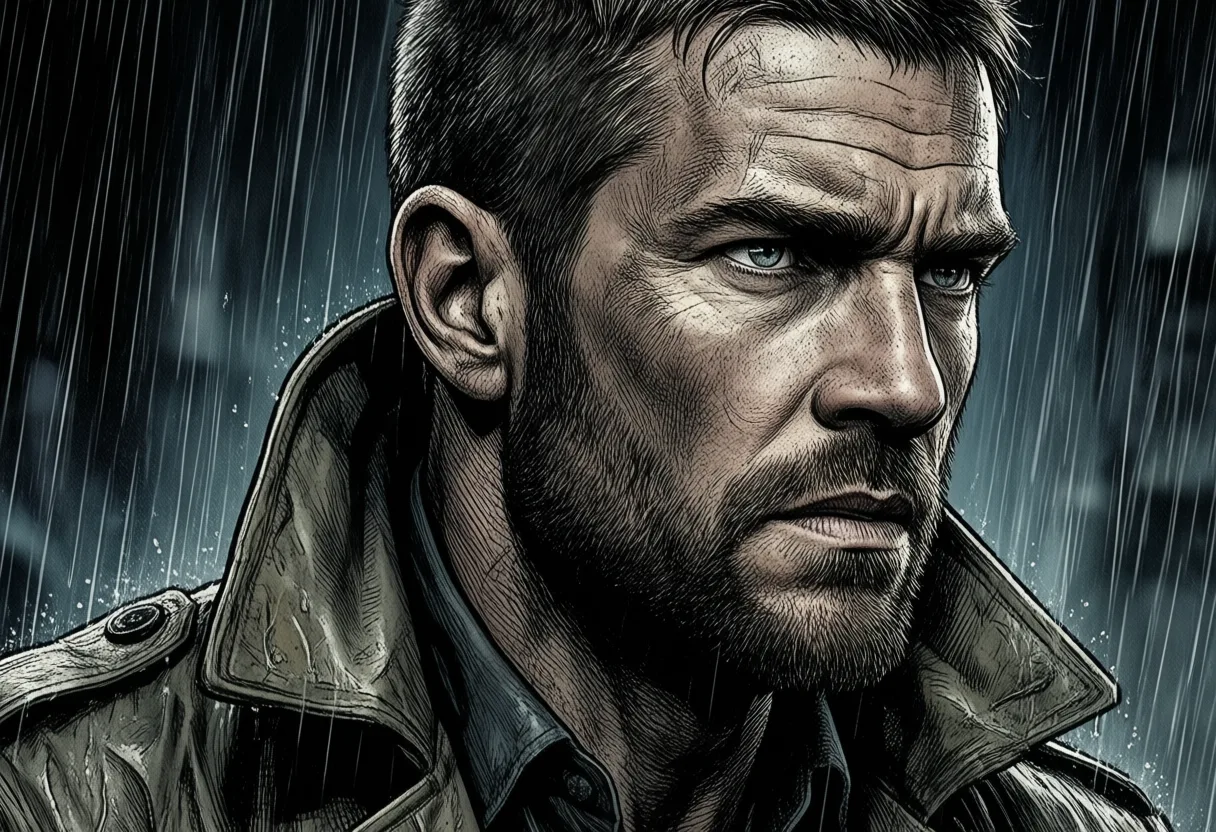
This is not a tale of heroes and villains, but of men caught in the gears of fate. The city looms like a character-wet pavement reflecting fractured neon, alleys whispering secrets no one wants to hear.
The protagonist isn’t noble. He’s flawed, compromised, drawn deeper into a web he helped weave. His downfall isn’t sudden; it’s a slow erosion, captured in tight frames and oblique angles that trap him visually long before the plot does.
Dialogue cuts like broken glass-terse, cynical, yet laced with poetry. Every line carries subtext, every silence speaks volumes. It’s a masterclass in how to tell a story where atmosphere is narrative.
2. The Western That Changed Hollywood’s Landscape
Forget galloping horses and white hats. This film tore up the myth and rebuilt it from dust and doubt. It asked uncomfortable questions about justice, expansion, and the cost of progress-questions America still wrestles with today.
The frontier here isn’t heroic-it’s brutal, indifferent. The hero isn’t triumphant; he’s haunted. And the land, vast and unforgiving, doesn’t care who wins, only who survives.
Its influence echoes in everything from No Country for Old Men To The Revenant. Directors cite it not just as inspiration, but as a turning point-a moment when the genre grew up.
3. A Romantic Comedy with Surprising Depth
Laughter rings through every scene, yes-but so does loneliness. Beneath the sparkling banter and mistaken identities lies a meditation on connection, timing, and the fear of being truly seen.
The leads spar like fencers, words flashing back and forth with precision. Yet in quiet moments-a shared look, a hesitation before a kiss-you glimpse real vulnerability. It’s not just chemistry; it’s recognition.
This isn’t escapism. It’s emotional intelligence disguised as entertainment. And its insights into love and independence feel more relevant now than ever.
4. An Epic Adventure That Pioneered Visual Storytelling
Long before CGI, filmmakers conjured wonder with practical effects, painted skies, and sheer audacity. This film didn’t just transport audiences-it redefined what cinema could show.
Every frame feels monumental. Sweeping desert vistas, colossal sets, battle sequences choreographed like symphonies. Yet amid the spectacle, there’s intimacy-a single face in the crowd, trembling with awe.
It proved that scale and soul aren’t mutually exclusive. An epic can make you gasp and break your heart in the same breath. Modern blockbusters would do well to remember that balance.
5. The Psychological Thriller That Still Haunts Viewers
Fear doesn’t always roar. Sometimes, it whispers. This film understands that the most terrifying thing isn’t what’s on screen, but what’s implied-what lurks just beyond the edge of vision.
It plays with perception, distorting reality until you’re unsure what’s real. The camera becomes complicit, guiding your eye, manipulating your trust. By the end, you question not just the characters, but yourself.
Its themes-identity, paranoia, control-feel unnervingly current. In an age of surveillance and digital doubles, its warnings aren’t historical. They’re prophetic.

6. A Musical With Unmatched Charm and Precision
Song erupts organically-from joy, from longing, from the sheer need to express what speech cannot. These aren’t interludes; they’re the emotional core, choreographed with geometric grace and boundless energy.
Dancers move like clockwork and wildfire at once. Every step, every spin, every leap is exact-yet feels spontaneous, alive. The music swells not to manipulate, but to elevate.
It reminds us that musicals aren’t frivolous. At their best, they’re celebrations of human resilience, artistry, and the irrepressible urge to dance even when the world is falling apart.
7. The Sci-Fi Vision That Predicted Modern Anxiety
Long before smartphones and social media, this film saw the future-not in gadgets, but in isolation. It imagined a world where technology connects us physically but severs us emotionally.
Its vision of urban life-cold, efficient, alienating-isn’t dystopian fantasy. It’s a mirror. The characters navigate systems larger than themselves, searching for meaning in a machine-built world.
Few sci-fi films earn the label “prophetic.” This one does. Its concerns about privacy, automation, and dehumanization aren’t retro-they’re headlines.
8. A Family Drama That Feels Strikingly Relevant
Nothing explodes here. No car chases, no last-minute rescues. Just conversations-over dinner tables, in hallways, during silences that stretch too long. And yet, everything is at stake.
It captures the quiet tragedies of ordinary life-the dreams deferred, the words unsaid, the love buried under routine. The family unit frays not from catastrophe, but from accumulation.
Yet within that realism lies grace. Moments of tenderness emerge unexpectedly-a hand on a shoulder, a shared joke, a look of understanding. These are the things that hold us together.
9. The Satire That Exposes Human Folly Like No Other
It laughs-and makes you laugh-even as it dissects hypocrisy, greed, and the absurdity of power. The genius lies in its tone: never preachy, always precise, swinging between farce and tragedy with balletic ease.
Characters embody types we recognize instantly-the self-important bureaucrat, the deluded idealist, the cynic who thinks he’s above it all. We laugh because we see ourselves, our neighbors, our leaders.
Satire ages poorly when it’s tied to fleeting politics. This one endures because it targets timeless flaws-the ego, the denial, the refusal to change.
10. A War Film Grounded in Emotional Truth
This isn’t about glory. It’s about mud, fatigue, and the unbearable weight of survival. The battlefield scenes are harrowing, yes-but the real war unfolds in the eyes of soldiers who’ve stopped believing in the cause.
There’s no jingoism, no easy patriotism. Only camaraderie forged in suffering, and the haunting question: Was it worth it? The film doesn’t answer-it insists we ask.
It honors the experience without glorifying the conflict. In doing so, it achieves something rare: a war film that feels deeply anti-war, not through slogans, but through empathy.
Behind the Scenes: How These Films Shaped Modern Directors
Today’s auteurs don’t just admire these classics-they study them. Frame by frame, cut by cut, they reverse-engineer the magic. Scorsese analyzes Welles’ deep focus; Del Toro reveres Lang’s lighting; Cuarón cites Lean’s long takes.
These older films weren’t constrained by technology so much as liberated by necessity. Without digital tools, filmmakers had to plan meticulously, rehearse relentlessly, and trust their instincts. The result? A clarity of vision often missing in today’s fragmented productions.
And perhaps most crucially, they understood pacing. A scene wasn’t shortened to retain attention-it was allowed to breathe, to build, to simmer. That discipline informs everything from Manchester by the Sea To Parasite.
Why These Stories Resonate Across Generations
Themes like love, loss, identity, and injustice don’t expire. They evolve, yes, but their roots remain constant. A film about betrayal in 1948 speaks to betrayal in 2024 because the wound is the same.
These stories endure not because they’re safe, but because they’re honest. They don’t offer tidy resolutions. They sit with discomfort, ambiguity, the unresolved. That’s what makes them feel real.
And in a world saturated with content, authenticity is the rarest currency. These films weren’t made to trend. They were made to matter.
How to Revisit Old Hollywood Without the Nostalgia Blinders
Nostalgia can be a filter-one that softens edges and erases flaws. To truly see these films, we must watch them not as artifacts, but as challenges. Ask: What did they risk? What conventions did they defy?
Look beyond the surface-beyond the hairstyles and dialogue rhythms-to the structures underneath. How is power shown? Who gets to speak? Whose story is centered, and whose is erased?
Engage critically, not sentimentally. Appreciate the craft, yes, but also interrogate the context. These films were products of their time-some transcended it, others reflected its limits.
Where Streaming Fits Into Film Preservation and Access
For decades, many of these films were locked away-rare prints, lost negatives, rights entangled in legal webs. Streaming has undone some of those barriers, bringing forgotten works into the light.
Platforms like Netflix have become accidental archives, offering global access to films that once played in only a handful of cities. That accessibility is revolutionary, especially for younger audiences.
Still, availability isn’t preservation. Digital files degrade. Licensing deals expire. The fight to save film history isn’t over-it’s just moved online. For curated picks beyond Netflix, explore Best Movies To Stream Right Now: Top Picks On Netflix, Hulu, And More to broaden your cinematic journey.
Final Reel: Why These Screen Gems Deserve Your Attention Now
We return to these films not to escape the present, but to understand it better. They reflect our fears, our hopes, our contradictions-with a clarity unclouded by the noise of the moment.
They remind us that storytelling is timeless, but never static. Each viewing is a conversation between then and now, between artist and audience, between past and future.
So press play. Let the opening credits roll. Allow yourself to be pulled into worlds lit by klieg lights and shaped by vision. Because the magic of cinema didn’t begin with streaming-and it won’t end there either.
What’s Old Is New Again
Hidden Gems and Happy Accidents
You might be surprised to learn that some of the most beloved classic films only became hits thanks to pure luck. Take The Wizard of Oz-while it’s now a cultural touchstone, it actually lost money during its initial 1939 release. It wasn’t until annual TV broadcasts in the 1950s that it became the phenomenon we know today. Now, seeing it in vibrant color feels essential, but audiences back then were still getting used to Technicolor, making Dorothy’s journey from sepia-toned Kansas to the rainbow world of Oz a genuine shock to the senses.
Many classic movie stars weren’t always cast in the roles they’re now famous for. Before Humphrey Bogart became the ultimate noir icon in Casablanca, he was mostly known for playing gangsters in B-movies. The studio didn’t even think the film would be a big deal-crew members reportedly joked on set that they were making “a stinker.” Yet today, lines like “Here’s looking at you, kid” are etched into cinematic history. It’s a reminder that greatness isn’t always obvious right away-sometimes it takes time to shine, just like these films now finding new life on streaming.
Frequently Asked Questions
Why are classic movies on Netflix worth watching today?
Classic films offer depth, craft, and performances that feel surprisingly modern. They were built to endure, with emotional truth and technical mastery that transcends trends.
What makes a film 'classic' in the streaming era?
A true classic resonates across decades through emotional and thematic staying power. It combines serious intent about the human condition with mastery of cinematic form.
How do black-and-white films hold up for modern audiences?
Black-and-white films use light, shadow, and composition to heighten emotion and focus attention. Their lack of color removes distraction, making performances and tension clearer.
Which modern directors are influenced by classic cinema?
Directors like Scorsese, Del Toro, and Cuarón study classic films closely. They draw from techniques in framing, lighting, and long takes to inform their own storytelling.
This article was produced with AI assistance. How Silver Screen Magazine uses AI.
Vivian Chukwu explores golden-age Hollywood with reverence and rigor, unearthing forgotten performances and cultural contexts. She connects archival footage to modern themes, making classic films feel immediate and vital through thoughtful analysis and vivid storytelling.