There’s a certain alchemy in the air when the opening chords of Grease Crackle through the speakers-a shimmering blend of leather, hairspray, and teenage longing that feels less like nostalgia and more like memory. It wasn’t just a film; it was a cultural combustion, a high-octane musical that captured the friction between innocence and rebellion, all set against the pastel-drenched backdrop of a world that never quite existed outside the studio lot. This is the magic of Classic cinema: not mere entertainment, but time travel wrapped in song and shadow.
The Pulse of Youth Rebellion on Film
Some movies arrive not as stories, but as declarations. They don’t whisper-they belt. And few have sung with the defiant joy of Grease, where every dance step was a dare and every love ballad a battlefield. The film Didn’t just reflect its era-it amplified it, turning high school hallways into mythic arenas where identity was forged in after-school specials and sock hops. There’s a reason audiences still lean in when Danny first spots Sandy at the beach: it’s the electric moment when fantasy collides with desire.
These Films thrive On transformation-on the idea that who you are today doesn’t have to be who you become tomorrow. The greasers, the cheerleaders, the misfits-they weren’t archetypes so much as avatars, each one wearing their heart like a letterman jacket. You could feel the tension between conformity and self-expression humming beneath the choreography, as real as the sweat on the dancers’ brows. It wasn’t just about looking cool. It was about surviving adolescence with your soul intact.
What makes these stories endure isn’t their perfection, but their pulse. They breathe. They stumble. They fall in love too fast and regret it too late. In their best moments, they capture the ache of growing up-the kind that lives behind your ribs long after the credits roll. These are not polished relics. They are raw, beating hearts preserved in celluloid.
When Music Became the Message
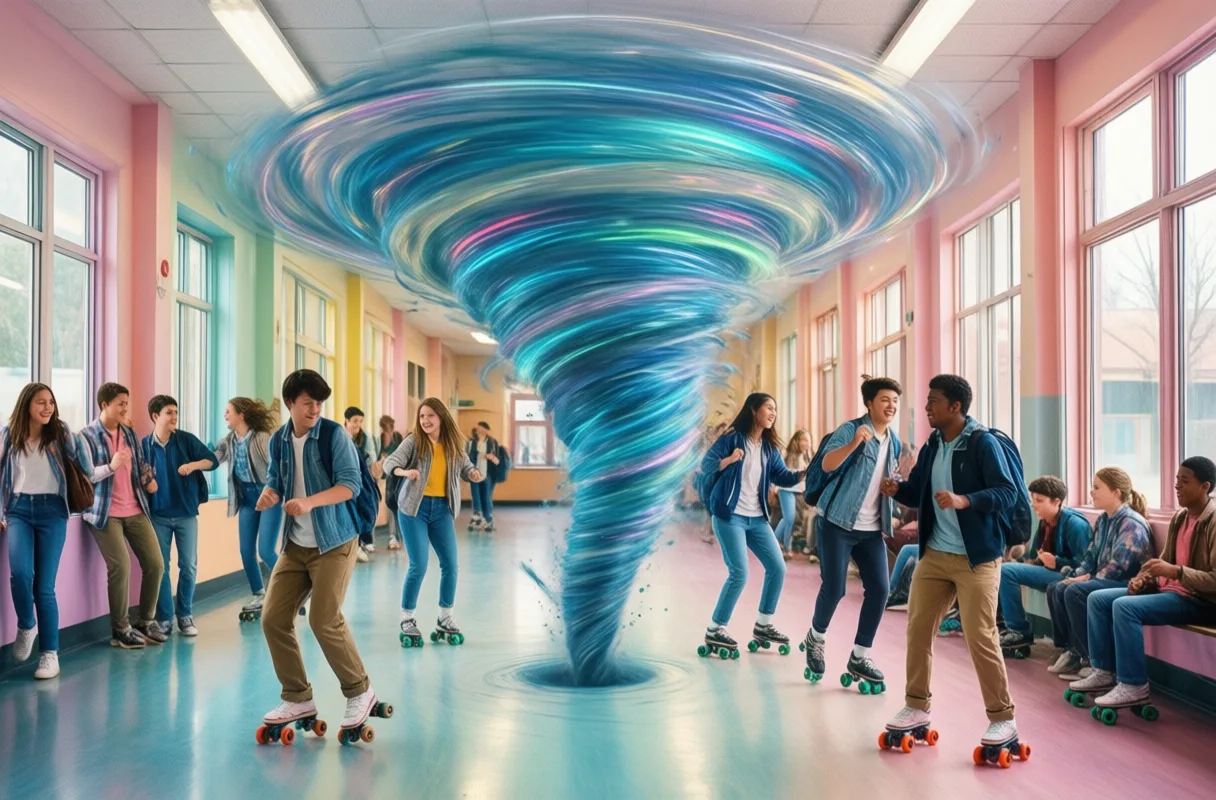
In the 1970s, something shifted. The soundtrack stopped being background noise and became the narrative spine. Songs didn’t just comment on the action-they drove it, shaped it, gave it rhythm and reckoning. Think of the way “You’re the One That I Want” erupts from flirtation into full-blown declaration, two voices locking in harmony as if sealing a pact with the universe. It’s not a performance. It’s a metamorphosis.
Musicals had always Danced along The edge of reality, but now they were grounded in something grittier, more immediate. The glitter was still there, yes-but so were the scuffs on the shoes. The music carried the weight of choice: do you change for love? Do you stay the same and risk losing everything? These questions weren’t tucked into subtext. They were belted out under strobe lights, backed by a full horn section.
And in that sonic explosion, a generation found its voice. The songs became anthems not because they were perfect, but because they were passionate-imperfect, urgent, alive. Whether it was the wistful ache of “Hopelessly Devoted to You” or the swagger of “Greased Lightning,” each number mapped an emotional territory that felt both foreign and familiar. The music didn’t just score the movie. It scored Us.
- The choreography pulsed with precision, yet never lost its sense of spontaneity
- Costumes functioned as character statements-tight jeans, bobby socks, rolled sleeves
- Dialogue often gave way to song not as escape, but as emotional necessity
Beyond the Pink Ladies: Films That Shaped a Cultural Moment
It would be easy to mistake Grease As a Lone phenomenon, a glittering outlier in the cinematic landscape. But it stood on the shoulders of other bold, youth-driven stories that dared to treat teenagers as epic protagonists. These were not side characters waiting to grow up. They were heroes of their own sagas, wrestling with loyalty, lust, and the terrifying freedom of choice.
Films like American Graffiti And The Breakfast Club Explored different corners of adolescence, yet shared DNA with the world of Rydell High. Each portrayed youth not as a prelude to life, but as life itself-intense, confusing, and blazingly important. The stakes weren’t war or politics, but something just as seismic: who am I, and who will I become?
There was a democracy to these stories. The jock, the brain, the rebel-they weren’t caricatures. They were mirrors. And in their reflections, audiences saw fragments of themselves: the lies we tell to fit in, the truths we sing when no one’s listening. These films didn’t preach. They witnessed.
What unites them is a deep empathy for the messy business of becoming. They understand that high school isn’t just a place-it’s a state of mind. One marked by insecurity and invincibility in equal measure. To watch them now is not to regress, but to remember: that ache, that hope, that dizzying sense of standing on the edge of everything.
The Lasting Imprint of Cinematic Adolescence
Decades later, the influence lingers-not in box office numbers or anniversary re-releases, but in the way we still speak the language of these films. A raised eyebrow, a leather jacket slung over the shoulder, a slow clap building into applause-these gestures carry meaning because of what they meant on screen. Culture absorbed them, repurposed them, made them myth.
These movies taught us that style has substance. That a song can be a shield. That love might not conquer all, but it sure makes the fight worth filming. They weren’t documentaries, but they told truths-emotional ones-that resonated deeper than facts ever could. You didn’t have to live in the 1950s to feel the pull of a drive-in romance. You only had to have wanted someone who seemed just out of reach.
Even now, new generations discover these films not as artifacts, but as invitations. To dance badly. To fall hard. To believe, if only for 110 minutes, that you can change your hair, your heart, your fate. That’s the legacy-not perfection, but possibility. The enduring power of a genre that looked young people in the eye and said: I see you.
When the Movies Were Rockin’
Born from the Drive-In Era
Before Grease Took over theaters, teen films lived in the world of drive-ins and B-movie double features. Movies like American Graffiti Didn’t just capture 1950s nostalgia-they helped create the blueprint for how studios could turn fond memories into box office gold. Shot on a modest budget, it proved that a story centered on teenagers, rock ‘n’ roll, and one life-changing night could resonate far beyond its initial audience. Its success showed Hollywood that youth-driven stories with strong soundtracks weren’t just passing fads-they were cultural touchstones waiting to happen.
More Than Just a Soundtrack
Few films blend music and storytelling as effortlessly as Grease, but it wasn’t the first to try. What set it apart was how it turned pop nostalgia into a full-blown phenomenon. The film’s soundtrack didn’t just top charts-it stayed there, becoming one of the best-selling of all time. Songs like “You’re the One That I Want” and “Summer Nights” weren’t just catchy; they became shared cultural moments, sung in schoolyards and at parties for decades. Other films of the era dabbled in musical storytelling, but Grease Made the music inseparable from the movie’s identity, proving that a killer soundtrack could elevate a film from popular to legendary.
Casting Against Type-And It Worked
John Travolta was already known from Saturday Night Fever, but casting Olivia Newton-John, an Australian pop singer with a wholesome image, as the transformed Sandy raised eyebrows. At first glance, she seemed too sweet for the leather-and-lipstick finale. Yet that contrast became part of the film’s charm-Sandy’s transformation mirrored the playful, exaggerated spirit of the genre. The casting gamble paid off massively, turning both leads into icons of 1970s cinema. Their chemistry sparked one of the most memorable on-screen pairings, reminding audiences that sometimes, the most unlikely matches make the biggest splash.
Frequently Asked Questions
What makes Grease a culturally significant film?
Grease captured the tension between innocence and rebellion, turning high school life into a mythic experience. It amplified its era with music, style, and emotional authenticity that resonated across generations.
How did music shape the impact of Grease?
The soundtrack drove the narrative, with songs expressing emotion and character choices. Tracks like 'You’re the One That I Want' and 'Summer Nights' became cultural anthems that extended the film’s reach.
Which other films share themes with Grease?
Films like American Graffiti and The Breakfast Club explored adolescence with similar depth. They treated teens as epic protagonists navigating identity, loyalty, and self-expression.
Why was Olivia Newton-John’s casting in Grease notable?
She was known for her wholesome image, which contrasted with Sandy’s bold transformation. That contrast became part of the film’s charm and highlighted the playful spirit of the genre.
This article was produced with AI assistance. How Silver Screen Magazine uses AI.
Vivian Chukwu explores golden-age Hollywood with reverence and rigor, unearthing forgotten performances and cultural contexts. She connects archival footage to modern themes, making classic films feel immediate and vital through thoughtful analysis and vivid storytelling.