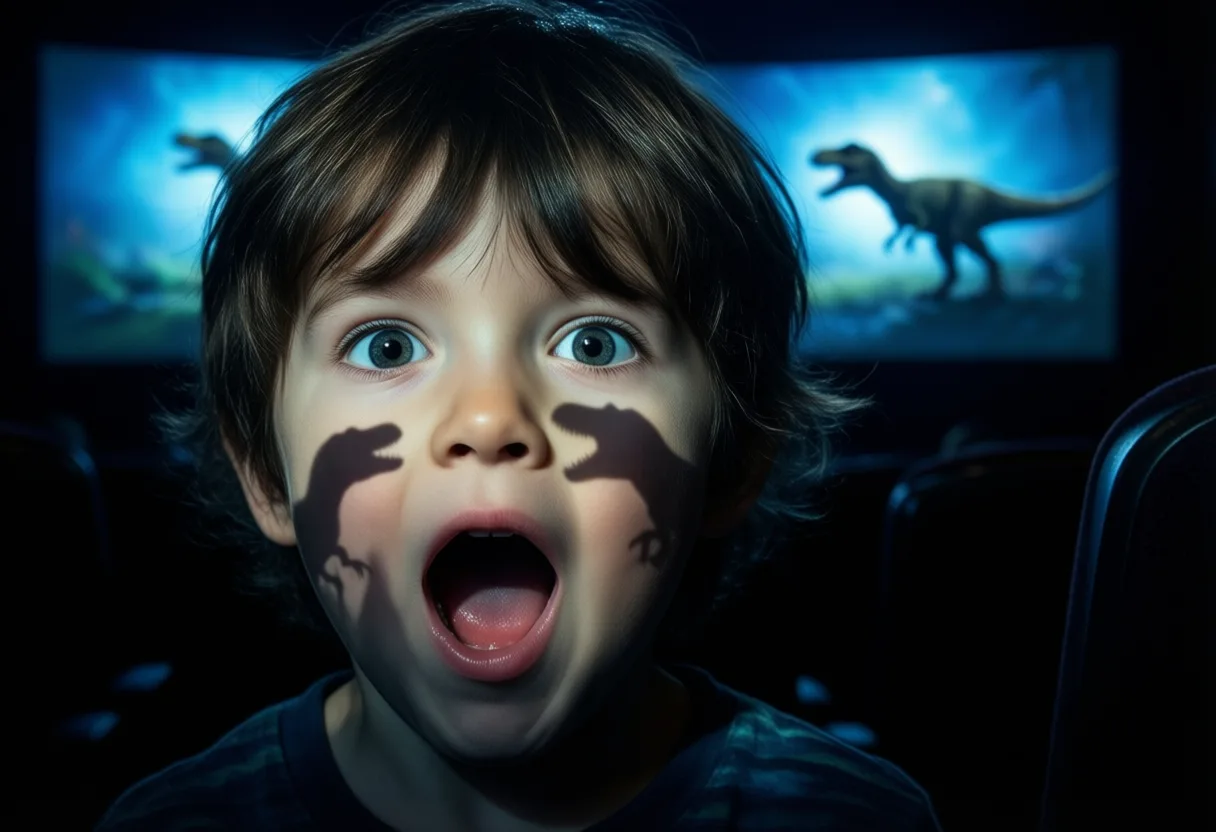
It wasn’t just a Movie-it was a seismic event disguised as entertainment. One summer, audiences walked into theaters expecting adventure and left with their understanding of what film could Do Completely rewritten.
The roar of the T. Rex in Jurassic Park Didn’t just echo through Cineplexes-it rattled the foundations of visual storytelling. For a Generation Raised on Saturday morning cartoons and VHS rentals, this was the moment cinema grew teeth, claws, and a heartbeat synced to cutting-edge innovation. And while we’ve seen plenty of blockbusters since, few have left footprints as deep.
When Technology Met Storytelling
Before Jurassic Park, dinosaurs existed in movies as stop-motion puppets or rubber suits wobbling under studio lights. Then came 1993, and suddenly, they were breathing, charging, Alive-not because we believed harder, but because the screen finally showed us something we couldn’t dismiss.
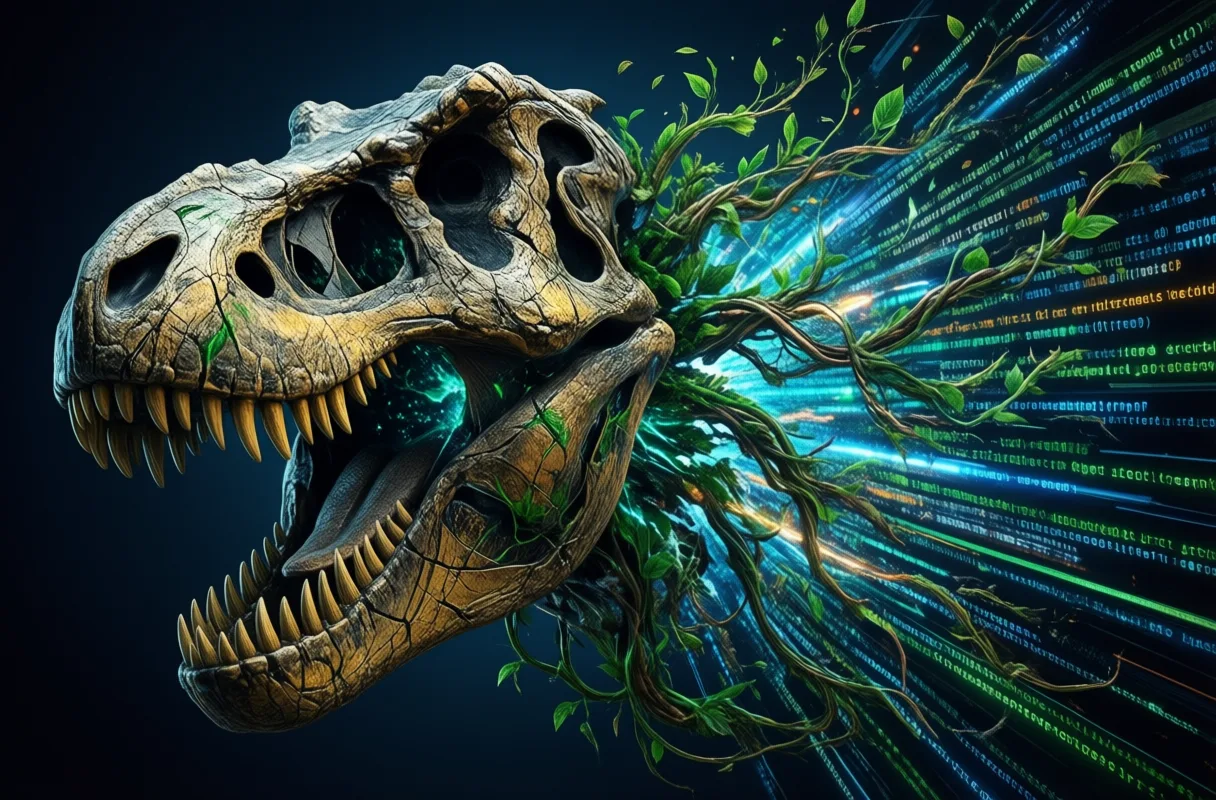
Jurassic Park Didn’t just use CGI; it rewrote its rulebook. The dinosaurs moved with weight, muscle, and menace-each step sent tremors through the industry. Directors blinked at the screen and realized: This changes everything. It wasn’t just about spectacle. It was about possibility.
Practical effects Blended with digital wizardry in ways no one had imagined. The kitchen raptors scene? Still studied in film schools. Not for the jump scares-though there are plenty-but for how tension is built frame by frame, shot by shot, like a symphony of dread. You don’t watch it. You survive it.
- The film proved that technology could serve story, not overshadow it.
- It made realism out of fantasy, grounding the impossible in tactile detail.
- Audiences didn’t just suspend disbelief-they forgot they ever needed to.
And behind it all was a quiet genius: a director who trusted silence as much as spectacle. The amber-lit glow of the mosquito in the opening sequence says more than dialogue ever could. This wasn’t just science fiction. It was mythmaking with a microscope.
More Than Just a Dinosaur Movie
Let’s be clear: Jurassic Park Isn’t remembered because it had cool lizards. It endured because it asked questions that still haunt us. What happens when humans play god with a smile and a credit card? Can control ever truly exist in a system built on greed and curiosity?
That theme-ambition unchecked-runs through the film like fault lines beneath an island. The characters aren’t just running from predators. They’re outrunning the consequences of their own arrogance. And in that, the film feels less like fantasy and more like prophecy.
Sam Neill’s Dr. Grant starts as a man who loves fossils, not children. By the end, he’s shielding two Kids From velociraptors with nothing but instinct and a flashlight. His arc isn’t spelled out in monologues. It’s etched in glances, in the way he holds a tiny hand during a thunderstorm. That’s filmmaking with emotional intelligence.
Laura Dern’s Ellie Sattler wasn’t just the “scientist girlfriend.” She fixed a computer, shut down a crisis, and demanded respect without raising her voice. In a genre often dominated by male saviors, she carved space with competence and calm. No cape. No grand speech. Just someone who got the job done.
And Jeff Goldblum? Malcolm wasn’t wrong. Chaos theory wasn’t a throwaway line-it was the spine of the film. Nature finds a way, yes, but so does truth. The park failed not because of dinosaurs, but because lies powered its foundation. Investors ignored warnings. Scientists cut corners. Everyone wanted the show without the responsibility.
The Ripple Effect on Cinema
After Jurassic Park, every studio wanted their own "event" film. But most missed the point. They copied the scale, not the soul. They poured money into effects but forgot to write characters worth saving.
What followed wasn’t just a wave of dinosaur knockoffs. It was a shift in how films were conceived. If you could make the unreal feel real, why settle for anything less? The bar had been raised-not just technically, but ethically. Audiences began to expect more than noise. They wanted meaning beneath the mayhem.
Think about the films that tried to capture that lightning in a bottle. Some came close. Others fizzled. But the ones that lasted-the classics that lingered-shared DNA with Spielberg’s masterpiece: a balance of wonder, danger, and human truth.
- They trusted silence over score.
- They let mystery breathe instead of explaining everything.
- They made us care before they made us jump.
You can see its fingerprints on everything from Avatar To Interstellar. Not in the creatures or spaceships, but in the way they make awe feel earned. No cheap thrills. Just slow-building reverence for the unknown.
Secrets Beneath the Surface
For all its polish, Jurassic Park Wasn’t flawless. It had seams-moments where the illusion flickered. But those cracks are part of its charm now. They remind us that even magic has machinery behind it.
There’s a reason fans still dig into its lore, chasing trivia and behind-the-scenes revelations. Jurassic The Park Shocking Secrets You Never Knew Exposed taps into that hunger-not for gossip, but for connection. We don’t just want to watch the film. We want to live inside it.
The animatronics weighed hundreds of pounds. The T. Rex’s head alone was a feat of engineering. Yet, when it first roared on set, crew members reportedly froze-not from fear, but from disbelief. It wasn’t acting. It was revelation.
Even the sound design was alchemy. Roars stitched together from tigers, alligators, and whales. The iconic jungle call? A blend of dolphin and horse. Nothing was real. Everything felt true. That’s the paradox that defines cinematic greatness.
And let’s not forget the novel’s darker tone. The film softened Michael Crichton’s cynicism, but never erased it. The warning remained: progress without wisdom is just another form of extinction.

Why These Films Stick With Us
Movies like Jurassic Park Don’t just entertain. They mark time. Ask anyone over thirty where they were when the T. Rex broke loose, and they’ll tell you-down to the sticky theater floors and buttered popcorn smell.
They become shared memory. Cultural landmarks. Not because they were perfect, but because they were Present-in our lives, our dreams, our conversations. They gave us something to talk about that wasn’t small.
These are the films that teach kids about extinction before they learn it in school. That make adults pause mid-commute and whisper, “Nature finds a way.” That turn scientists into rock stars and mathematicians into prophets.
And maybe, just maybe, they make us look at a lizard in the grass a little differently. Not as something small and simple-but as a survivor. A relic. A reminder.
We don’t just remember these movies. We carry them. Like fossils in amber, preserved not by sap, but by feeling.
When Dinosaurs Roared Back to Life
The Tech That Changed Everything
Jurassic Park Wasn’t just a hit-it reshaped how movies were made. Before its 1993 release, most creatures in film were either puppets, stop-motion models, or actors in suits. What set Jurassic Park Apart was its groundbreaking use of computer-generated imagery (CGI) for living, breathing dinosaurs that moved realistically. Industrial Light & Magic developed new software to make the T. Rex and raptors look like they truly belonged in the real world. This wasn’t just eye candy; it proved CGI could carry major scenes, paving the way for nearly every effects-heavy film that followed.
More Than Just a Movie-A Cultural Moment
The film’s impact spilled far beyond the theater. Kids everywhere started collecting dinosaur toys again, museums reported spikes in attendance, and paleontology programs saw renewed interest. The iconic image of a glass of water trembling as a T. Rex approaches became instantly recognizable, often parodied and referenced across TV, commercials, and other films. Even the soundtrack, with its deep, rolling theme, became synonymous with awe and danger. It wasn’t just entertainment-it was a shared experience that defined summers for a generation.
Behind the Roar
Not everything was digital. Director Steven Spielberg blended CGI with life-sized animatronics built by Stan Winston’s team, including a massive, fully functional T. Rex head and a full-scale Gallimimus. These practical effects grounded the film in reality, making the digital additions feel even more believable. The famous kitchen raptor scene? Mostly practical sets and clever camera work, proving that sometimes old-school tricks still had bite. The mix of real and digital created a seamless world where audiences didn’t just watch dinosaurs-they believed in them.
Frequently Asked Questions
What made Jurassic Park's dinosaurs seem so real?
Jurassic Park combined groundbreaking CGI with life-sized animatronics. Industrial Light & Magic developed new software, and Stan Winston’s team built functional models, making the dinosaurs appear lifelike.
How did Jurassic Park change filmmaking?
It proved CGI could realistically render living creatures and carry major scenes. This reshaped visual storytelling and raised the standard for effects-driven films.
Why is the kitchen raptor scene so memorable?
The scene builds tension through practical sets and camera work. It’s studied in film schools for its mastery of suspense and dread.
What themes give Jurassic Park lasting impact?
The film explores unchecked ambition, human arrogance, and the consequences of playing god. These themes make it feel prophetic and emotionally resonant.
This article was produced with AI assistance. How Silver Screen Magazine uses AI.
Rohan Kilpatrick dissects the personal lives of stars with wit and precision, balancing insider access with ethical awareness. He delivers the latest whispers and headlines with a sharp eye for irony, never sacrificing style for sensationalism.