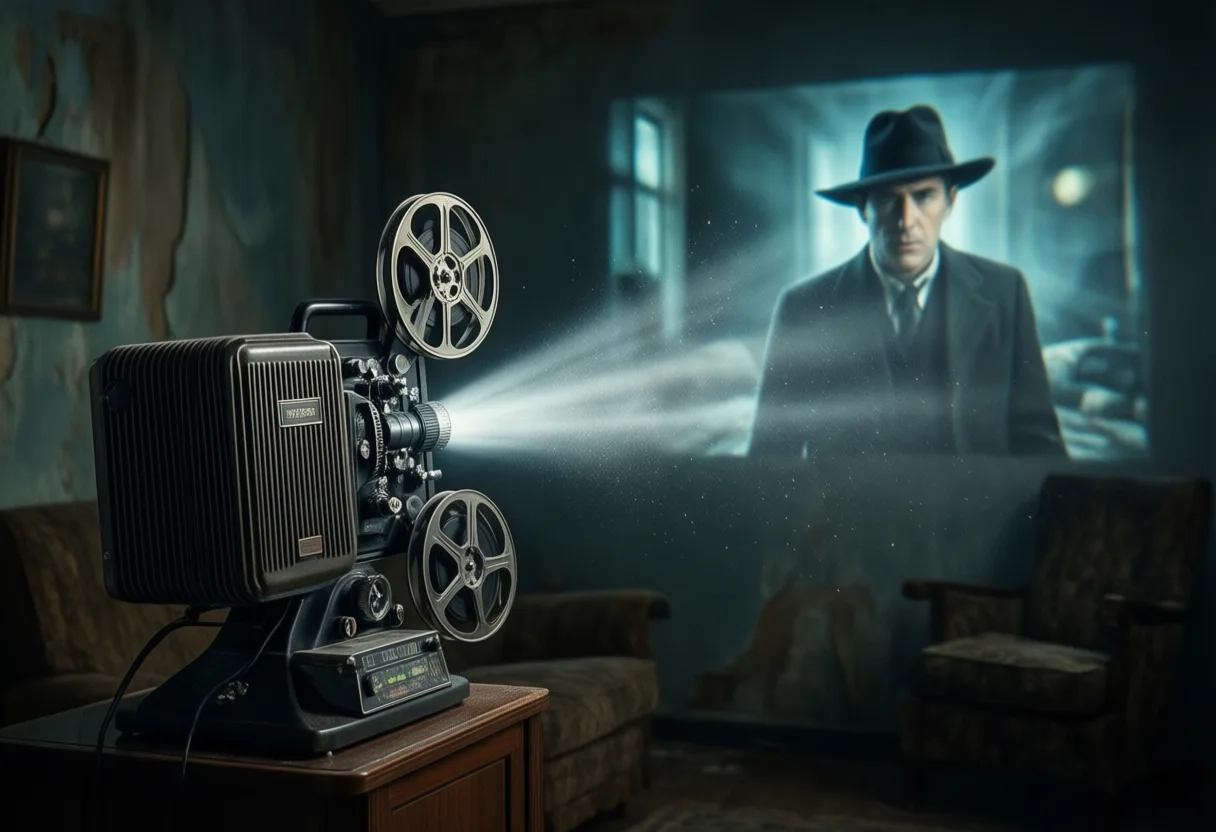

A Picture Is Worth a Thousand Reactions: How Stills Shape Viewer Expectations
A single frame can whisper the soul of a film before a single line of dialogue is spoken. It lingers in the mind like the first note of a symphony-haunting, suggestive, promising something just beyond grasp. These moments, frozen from motion, become our earliest companions in the journey toward understanding a story. They are not merely snapshots but invitations, offering glimpses that stir curiosity, dread, Longing, or awe.
Film stills possess an uncanny power to shape how we anticipate a movie’s emotional terrain. Before the score swells or the plot turns, we’ve already absorbed mood through composition-the slant of Light across A shoulder, the distance between two figures in a hallway, the way a character’s eyes avoid the camera. A rain-slicked street at night, reflected in broken glass, tells us more about isolation than any monologue might in the opening minutes. We begin to feel the weight of the world before we’ve been invited fully inside it.
Stills act as silent heralds, announcing tone with precision.
- The crumpled letter held in trembling fingers suggests regret.
- A child’s hand reaching into darkness implies innocence confronting the unknown.
- A wide shot of a lone figure on a desert highway speaks of exile and search.
These images don’t explain-they evoke. And in doing so, they prepare us not just for narrative, but for feeling. They are the overture to the opera, the brushstroke before the full canvas reveals itself.
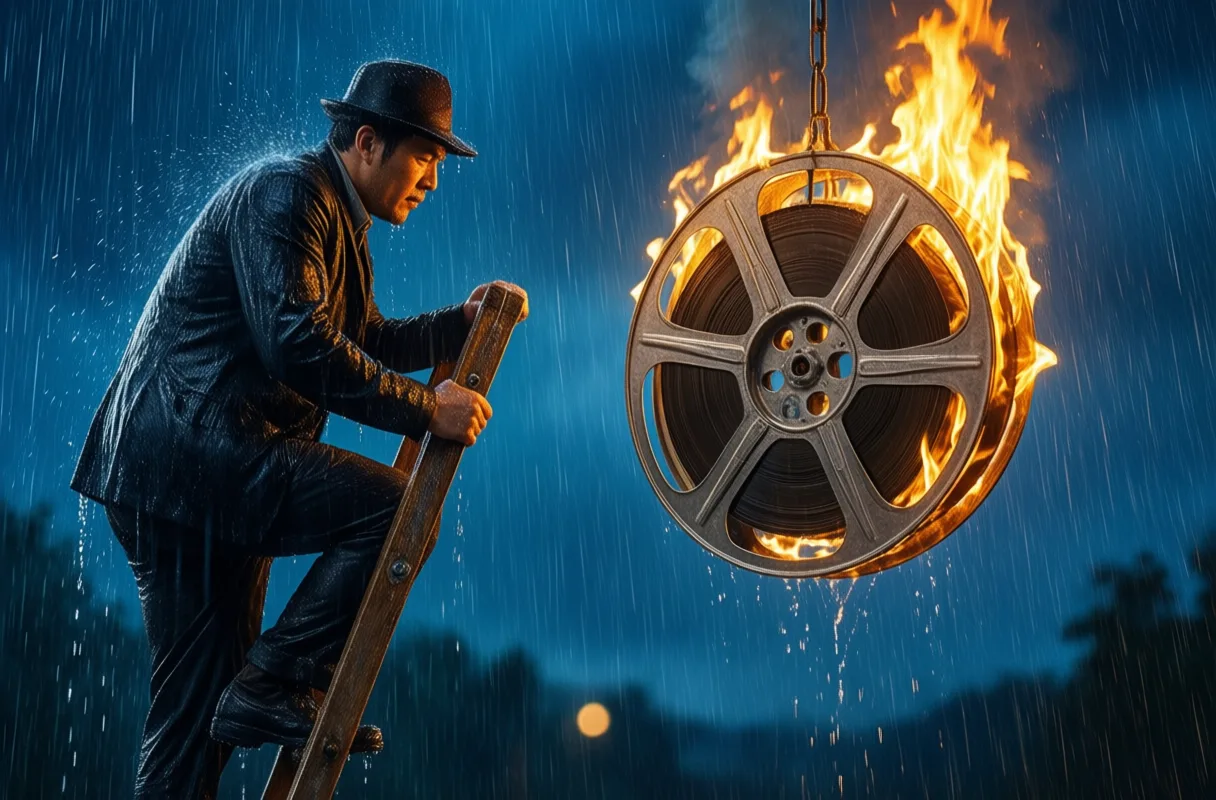
Framing the Drama: Why Single Images Stick in Our Minds
There is magic in the arrested moment-a defiance of time that cinema alone can conjure so completely. When movement stops, when breath catches in celluloid, we are given space to Look deeper. The drama doesn’t vanish; it concentrates, like sunlight through a lens, burning bright in one spot. It is here, in stillness, that emotion often finds its purest expression.
Consider the face caught mid-revelation-the slight tremor of the lip, the dilation of the pupil, the way light falls across a cheekbone as understanding dawns. In motion, we might miss it. But framed and fixed, it becomes monumental. These are the glances that outlive entire scenes, the gestures that echo long after dialogue fades. A hand withdrawn from another’s grip, a door left ajar, a silhouette against a window-each carries the gravity of unspoken history.
The best frames do not show everything-they reveal just enough.
They rely on negative space to suggest absence.
They use Shadow Not to obscure, but to deepen meaning.
And they trust the viewer to complete the sentence left hanging in silence.
Such images become icons not because they are loud, but because they are resonant. They speak in the language of memory, tapping into universal experiences: loss, desire, reckoning. Like photographs pulled from an old album, they feel both personal and timeless.
Not Just Action: Capturing Quiet Power in Still Form
We are often taught to expect spectacle-explosions, chases, confrontations-as the heart of cinematic impact. Yet some of the most unforgettable images in recent films have emerged not from chaos, but from stillness. A character sitting alone at a kitchen table, staring at a cold cup of coffee. A soldier folding a uniform with meticulous care. A mother watching her child sleep, knowing she must soon say goodbye. In these quiet moments, the soul of the film breathes.
Action sequences dazzle, yes-but it is in repose that identity forms. The still image excels at capturing interiority, giving form to thoughts too vast or fragile for words. There is courage in stillness: the decision not to look away, the choice to remain seated when flight would be easier. When the camera holds, when it refuses to cut away, we are forced to witness what we might otherwise turn from.
These frames endure because they mirror our own private instants.
- The pause before answering a life-altering question.
- The second after hanging up the phone, when grief settles.
- The morning light falling across an empty bed.
They remind us that cinema is not only about what happens, but about what is felt. And sometimes, the loudest truths are spoken in silence.
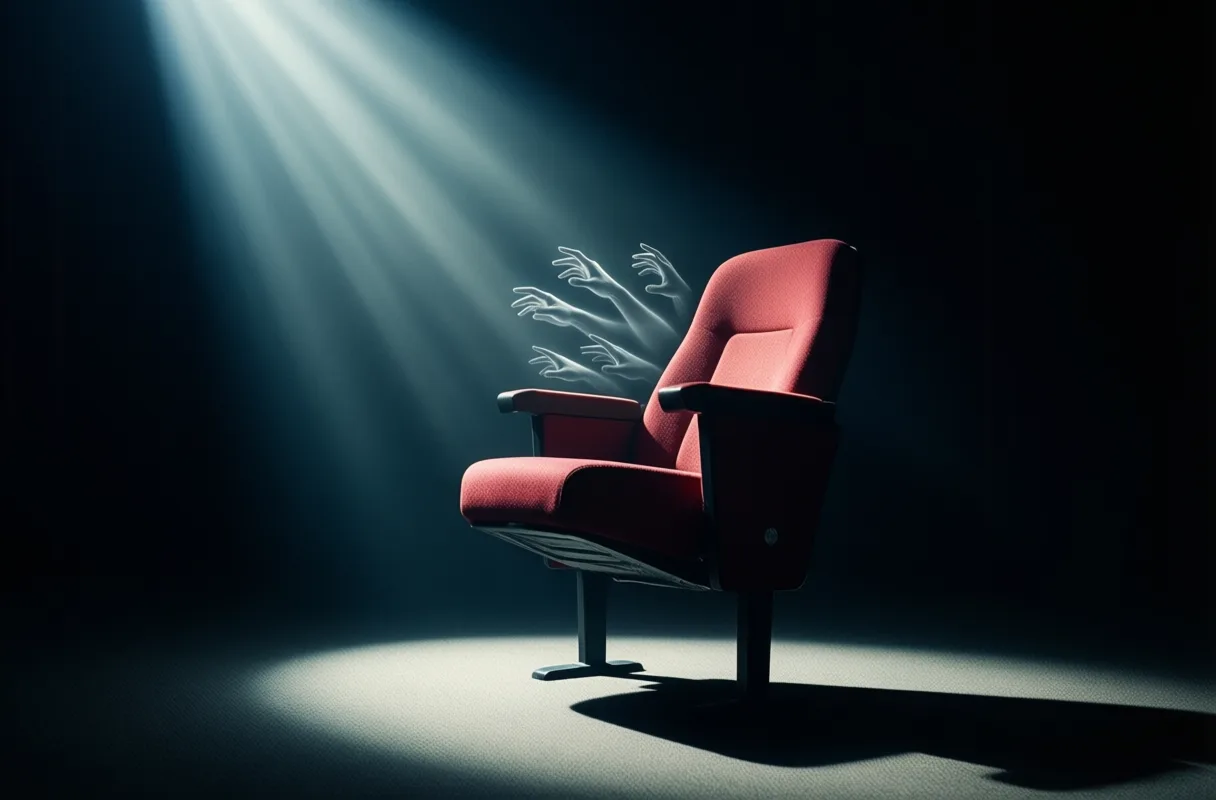
Beyond the Trailer: How Promotional Images Reveal Hidden Themes
Trailers shout; stills murmur. Where marketing campaigns often emphasize momentum and conflict, the most thoughtful promotional images hint at deeper currents beneath the surface. They do not sell plot-they sell atmosphere, inviting audiences into a mood rather than a sequence of events. A single photograph can carry the thematic DNA of an entire film, encoded in color, posture, and perspective.
Look closely at a well-chosen still: the muted palette suggesting decay, the symmetry implying control, the off-center framing betraying imbalance. These are not accidents. They are deliberate choices, echoes of visual storytelling traditions stretching back to German Expressionism and Italian Neorealism. The tilted horizon recalls Citizen Kane; the high-contrast lighting whispers of Sunset Boulevard. Even in modern marketing, the past lingers in shadow and angle.
Such images often foreshadow themes long before they unfold:
- A cracked mirror reflecting only Part Of a face hints at fractured identity.
- A garden overgrown with weeds suggests neglect, perhaps moral as well as physical.
- Two people standing back-to-back, neither touching, speaks volumes about emotional distance.
These are not spoilers-they are invitations to interpret. They ask us to lean in, to wonder, to feel before we understand.
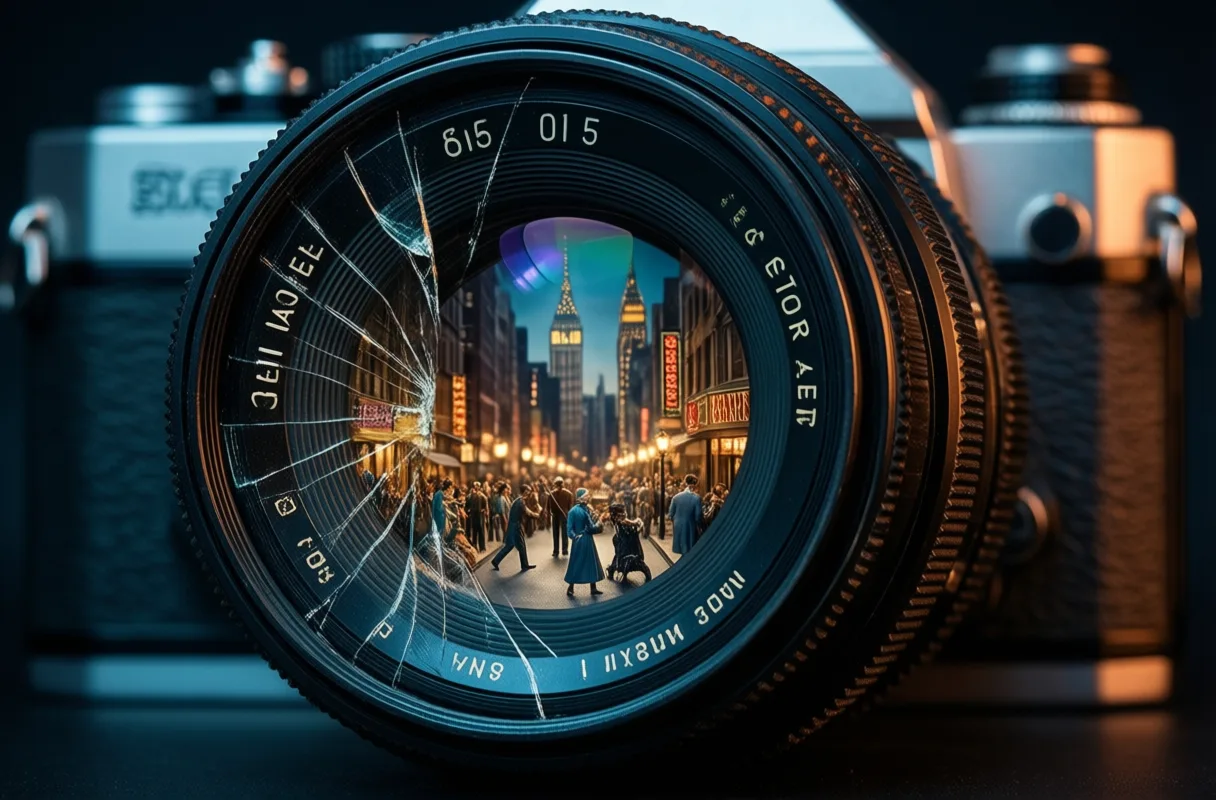
The Art of Selection: What Makes a Frame Review-Worthy
Not every moment captured on film earns the right to stand alone. The transition from moving image to still demands a kind of alchemy-what worked in motion may collapse without context, while a fleeting glance may ignite when isolated. The review-worthy frame is one that transcends its scene, becoming emblematic of the film’s essence. It carries weight, resonance, and a sense of inevitability, as if the entire story had been leading to that precise configuration of light and gesture.
Such frames balance clarity with mystery. They must be legible-emotion and setting apparent at a glance-yet retain enough ambiguity to provoke thought. A woman standing in a doorway, half in shadow, tells us she is at a threshold, but not which way she’ll step. A boy holding a broken toy signals loss, but not whether he will mourn or mend. The best stills are rich with possibility, open-ended yet definitive.
Criteria for enduring impact include:
- Emotional authenticity in performance, visible even in silence.
- Visual harmony that guides the eye without overwhelming.
- Symbolic depth, where objects, colors, or spaces take on metaphorical weight.
These are not merely pretty pictures. They are distillations-moments where form and feeling align so perfectly that stopping time feels necessary, almost sacred.
Why We Remember These Frames Long After the Credits Roll
Long after dialogue blurs and plots unravel in memory, certain images remain-etched not in logic, but in feeling. They return to us unbidden: a red coat in a black-and-white world, a hand pressing against glass, a field of shoes stretching into fog. These are the frames that transcend their films, becoming part of our collective visual language. They belong not just to the story, but to the audience’s inner landscape.
They endure because they tap into something primal-the fear of abandonment, the ache of love lost, the flicker of hope in darkness. A great still does not age; it evolves with us, gaining new meaning as life adds its own layers. The same image that once spoke of sorrow may later signify resilience. Context shifts, but the power of the frame persists.
And perhaps that is the true magic of cinema-not in the sweep of the epic, but in the precision of the pause.
In the breath between lines.
In the look that says everything.
In the single, perfect moment that continues to speak, long after the screen goes dark.
Behind the Frame: The Art of Movie Moment Capture
More Than Just a Screenshot
Film reviews Pics aren't random grabs from a movie-they’re carefully chosen moments that tell a story in a single image. Critics and editors pick stills that reveal character dynamics, highlight visual style, or capture a turning point without spoiling the plot. A great review picture might show a sliver of emotion in an actor’s eyes or a striking backdrop that defines the film’s world, giving readers a visual hook before they even read the first sentence.
The Silent Salesman
These images often do as much work as the written review. A well-placed still can convey tone instantly: a dimly lit close-up suggests drama, while a wide shot of chaotic action prepares viewers for thrills. Sometimes, the most talked-about moment in a review isn’t a line of dialogue-it’s a frozen second that lingers, like a character mid-laugh or standing alone in a crowd. Alt text like A lone figure silhouetted against a stormy sky, hinting at isolation Helps describe the mood for all readers, making the image part of the storytelling.
From Set to Screen to Review
Many of the stills used in reviews come from official press kits, created during filming specifically for promotion. These aren't afterthoughts-they’re planned during production, with dedicated still photographers capturing scenes under the director’s guidance. That means the image you see in a review might have been shot at the same time as the scene, preserving authentic lighting, costumes, and expressions. It’s a behind-the-scenes role that rarely gets a credit, but shapes how audiences first connect with a film.
Frequently Asked Questions
What is the purpose of film stills in movie reviews?
Film stills shape viewer expectations by conveying mood, tone, and emotion before the film is seen. They act as visual invitations that evoke feelings like curiosity, dread, or longing.
How do promotional stills differ from trailers?
Trailers emphasize action and plot momentum, while promotional stills focus on atmosphere and emotion. Stills often hint at deeper themes through composition, color, and lighting.
Why are quiet moments often more powerful in still images?
Stillness captures interiority and unspoken emotions, allowing viewers to connect with universal experiences like loss or decision-making. These frames resonate because they mirror private, personal instants.
How are film review stills selected and produced?
Review stills are carefully chosen from official press kits, often captured during filming by dedicated photographers under the director’s guidance. They preserve authentic lighting, costumes, and expressions.
This article was produced with AI assistance. How Silver Screen Magazine uses AI.
Vivian Chukwu explores golden-age Hollywood with reverence and rigor, unearthing forgotten performances and cultural contexts. She connects archival footage to modern themes, making classic films feel immediate and vital through thoughtful analysis and vivid storytelling.