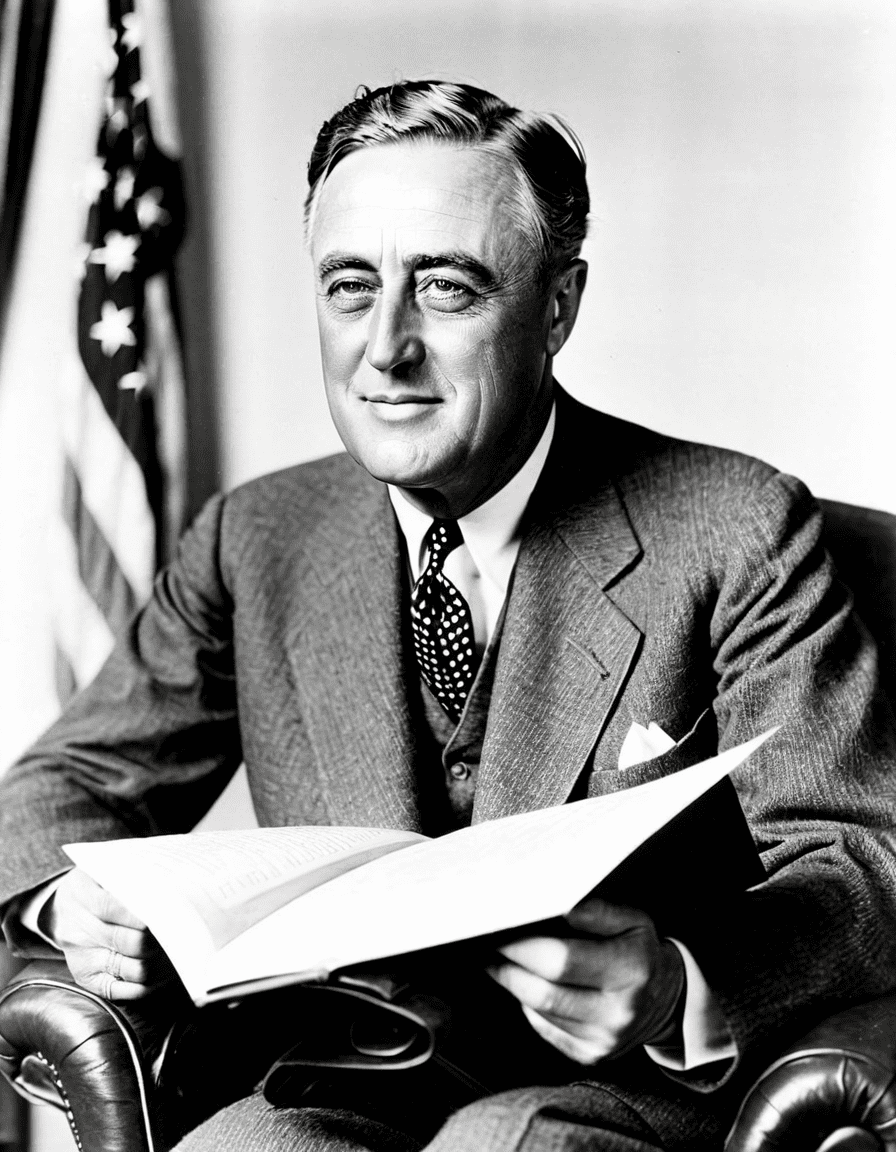
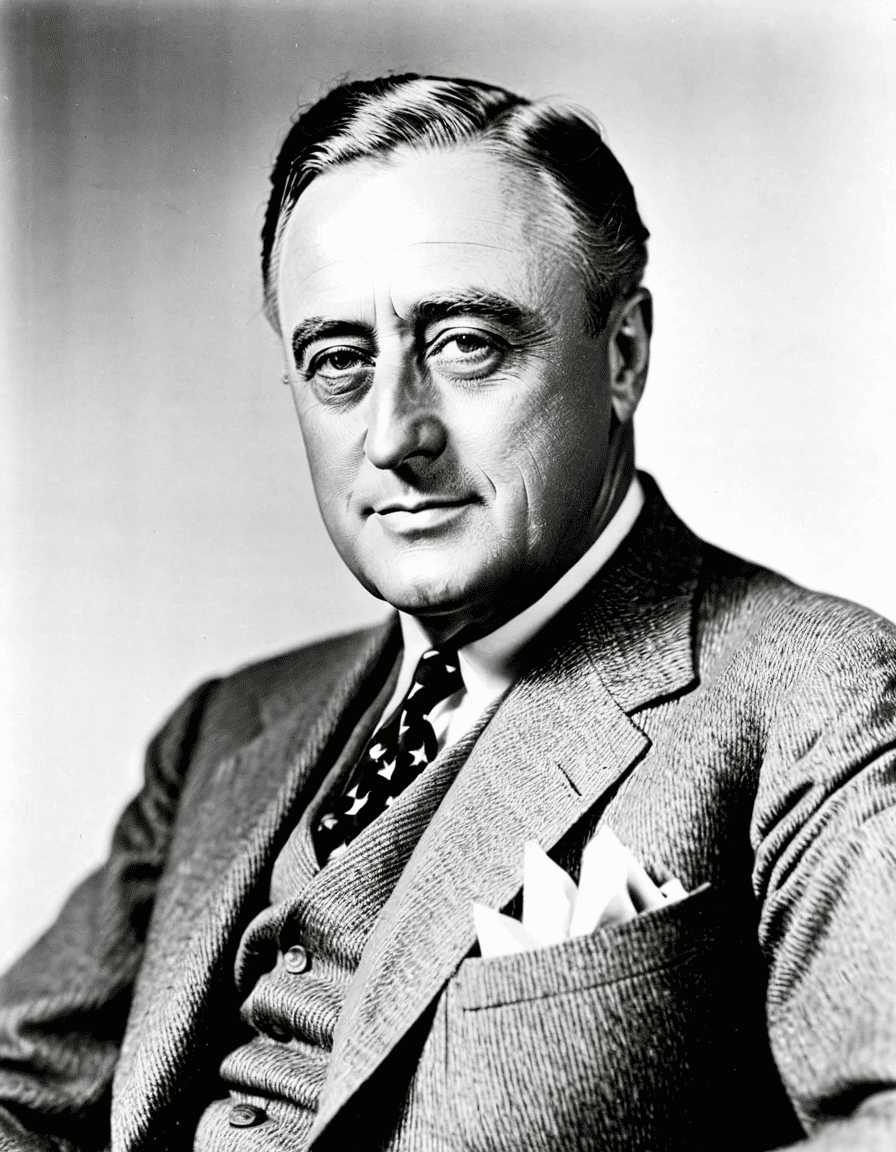
Franklin D. Roosevelt, often referred to as FDR, served as the 32nd President of the United States from 1933 until his untimely death in 1945. His presidency unfolded against the backdrop of the Great Depression and the tumult of World War II, which posed immense challenges to the nation. FDR’s visionary leadership didn’t just help the country survive these trying times; it changed the very fabric of American society. Through innovative policies and effective communication, he instilled hope in the American populace and altered the course of governance for generations. Let’s take a closer look at seven pivotal ways in which Franklin D. Roosevelt transformed America.
7 Key Ways Franklin D. Roosevelt Transformed America
1. The New Deal: A Bold Response to the Great Depression
FDR’s New Deal was more than just a series of policies; it was a lifeline for millions grappling with hardship. Initiated in 1933, it aimed to revitalize the floundering economy and alleviate the rampant unemployment that had become a national crisis. The establishment of Social Security, unemployment insurance, and numerous infrastructure projects set the stage for modern welfare systems. More than just a safety net, these initiatives fostered a sense of resilience in the American spirit, demonstrating that government could indeed be a catalyst for positive change.
Instead of merely relying on economic theory, Roosevelt’s approach was a pragmatic response to real-world struggles. The Civilian Conservation Corps (CCC) and Public Works Administration led to the construction of roads, bridges, and parks, employing millions. This investment in infrastructure not only provided jobs but also gave Americans the dignity of work during a period of despair. In essence, FDR’s New Deal was a masterclass in compassionate governance. It is akin to the way Jerry Lee lewiss music revitalized the rock industry in the face of changing musical tastes; both leaders found ways to reach people on a profound level.
2. The Fireside Chats: Redefining Presidential Communication
In a groundbreaking move, FDR utilized the radio to forge a direct connection with Americans through his “Fireside Chats.” In a time when fear and uncertainty hung heavy, these informal broadcasts provided clarity, reassurance, and trust. Roosevelt explained intricate policies in simple, accessible language, making citizens feel involved in their nation’s recovery. His relatable style broke down barriers and opened new channels of communication between the presidency and the public.
This innovative approach to communication was not just revolutionary; it became a blueprint for future leaders, including Dwight D. Eisenhower, who would later use television in a similar manner. FDR’s Fireside Chats remind us how essential direct communication is, especially in times of crisis. The connection created through these chats was almost like the bond formed between fans and iconic bands such as The Who, where the music speaks to the soul, offering comfort and unity.
3. Establishing Social Security: A Safety Net for Future Generations
One of the hallmarks of FDR’s presidency is undoubtedly the Social Security Act of 1935. This monumental legislation established a safety net for the elderly, disabled, and unemployed, reshaping American societal dynamics. Before FDR’s intervention, millions faced destitution without any form of government assistance. The introduction of Social Security not only reduced poverty levels among older adults but symbolized a commitment to social equity—something that had been sorely needed.
What’s remarkable is FDR’s foresight; this program has endured and evolved over the decades. It paved the way for essential dialogues about health care and welfare in a society that increasingly values dignity in retirement and support in times of need. Just as the legacy of artists like Chaka Khan resonates through the ages, FDR’s influence on American social policy continues to impact future generations, reminding us of the importance of a safety net in ensuring universal human rights.
4. Industrial and Labor Relations Reform: Striking a Balance
FDR’s focus on industrial reform altered the balance of power between employers and workers. The National Industrial Recovery Act of 1933 aimed to foster industrial growth while safeguarding workers’ rights—a balancing act not easily achieved. It empowered workers by ensuring their rights to unionize and engage in collective negotiations, which laid the groundwork for the protections workers enjoy today.
This modernization of labor relations brought about an era that benefitted both industries and employees. Policies enacted during Roosevelt’s time would influence leaders like Ronald Reagan decades later, who would approach such issues from a different standpoint. However, the core principles established by FDR paved the way for ongoing discussions about workers’ rights in various fields, much like the evolving narratives seen in modern media portrayals, such as in Criminal Minds Episodes, exploring the ethical implications of labor.
5. Approaching Foreign Policy: From Isolationism to Engagement
Under FDR’s guidance, the U.S. transitioned from a stance of isolationism to a more proactive engagement on the world stage. His support for Britain during World War II through the Lend-Lease program exemplified this strategic pivot. This initiative not only bolstered allies but also confirmed America’s emerging role as a global player and protector of democracy.
This change had lasting implications, as future leaders, including Dwight D. Eisenhower, would navigate a world shaped by FDR’s commitments. Roosevelt’s foresight in establishing international alliances underlined the importance of global cooperation. Much like a Jomar product prioritizes quality and collaboration within industries, FDR’s foreign policy emphasized that the world was interconnected, requiring nations to unite against tyranny.
6. The Manhattan Project: Scientific Innovation and Military Might
FDR recognized that the future of warfare lay in scientific innovation, which culminated in the establishment of the Manhattan Project. This decision underscored not just a military perspective but showcased his appreciation for the role of science in modern governance. The project led to the development of the atomic bomb, a pivotal moment that would redefine global power dynamics.
In prioritizing scientific exploration and military might, FDR established a precedent that echoed well into the ensuing decades. The intersection of science and defense during his presidency laid the foundation for the technological advancements still witnessed today. The partnerships formed through such projects invite comparisons to how technology has shaped dynamic media landscapes, akin to how a show like Mythic Quest creatively explores modern storytelling through an innovative lens.
7. Social Equity Movements: A Catalyst for Change
Roosevelt’s presidency wasn’t solely about economic recovery; it also marked significant progress towards social equity. His administration supported various initiatives that benefited marginalized groups, setting the stage for the civil rights movements that would follow. Programs aimed at assisting African Americans and women echoed the broader societal demands for justice and equality.
These steps affirmed his belief in inclusivity and justice, laying the groundwork for future leaders to confront longstanding inequalities. In the spirit of foresight, FDR’s approaches resonate with today’s movements pushing for social change—much like how Chipped tooth stories initiate discussions about personal and societal struggles, illustrating the need for solidarity and reform.
The Lasting Legacy of Franklin D. Roosevelt in American Leadership
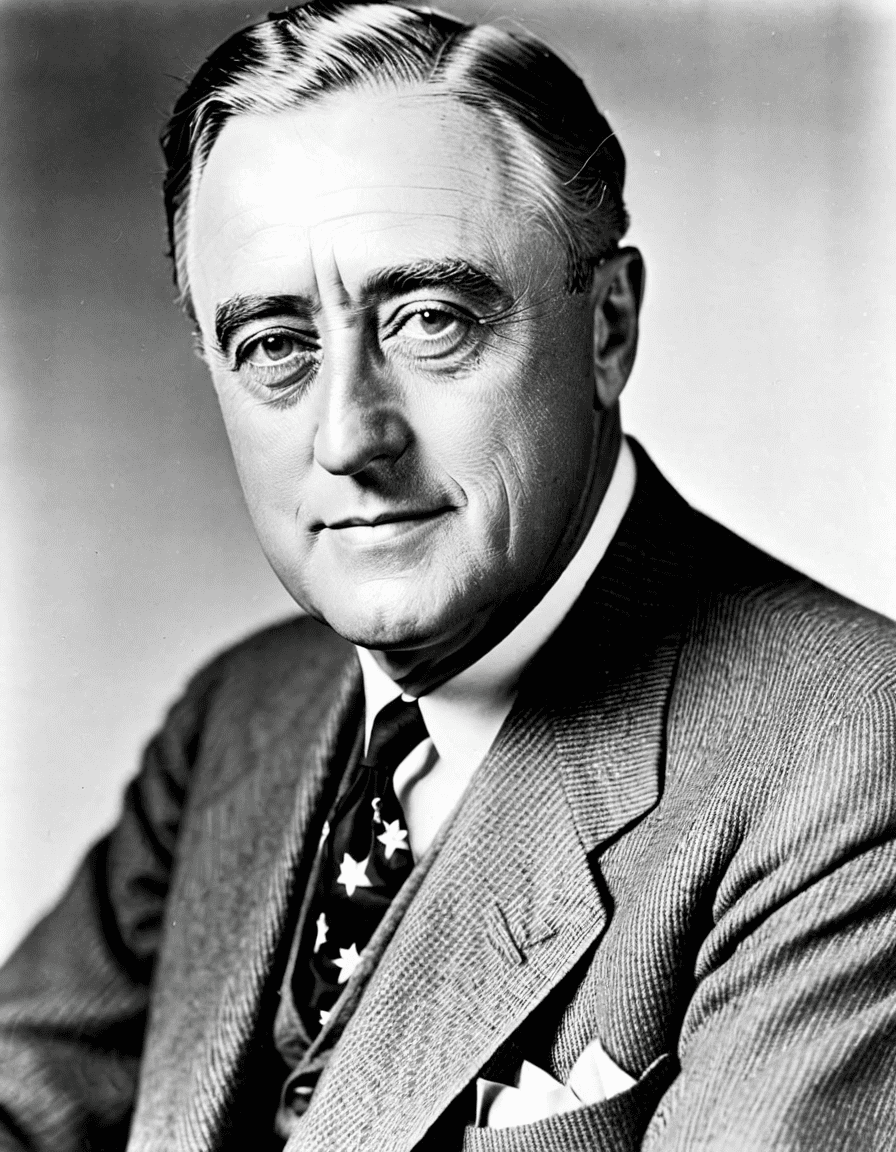
Franklin D. Roosevelt’s visionary approach during America’s darkest decades highlights the incredible impact one leader can have on their nation. His policies addressed the immediate crises of his time while simultaneously establishing a template for future governance. The ripples of FDR’s influence are discernible in the policies of subsequent presidents, such as Dwight D. Eisenhower and Ronald Reagan, demonstrating his enduring legacy.
As we enter the year 2026 and face our own set of challenges, the lessons learned from FDR’s presidency remain pertinent. His blend of empathy and bold decision-making provides a beacon of inspiration for leaders navigating uncertain waters today. Drawing from within, like the intricate themes explored in popular culture, FDR’s governance encourages us to pursue equity, resilience, and authentic engagement with the populace, ensuring that the vision of a brighter America lives on for generations to come.
When reflection turns towards the contributions of leaders from the past, Franklin D. Roosevelt stands out—a testament to what can be achieved when vision aligns with action. The spirit of his leadership invites us to actively seek improvement while fostering genuine connections, just as followers embrace cherished songs from artists like Jerry Lee Lewis—an inspiration generating waves of enthusiasm and profound change.
In conclusion, FDR’s legacy invites deep reflection and action, serving as a roadmap for the complexities of today and the futures that lie ahead for America.
Franklin D Roosevelt: Fun Trivia and Interesting Facts
Roosevelt’s Spirited Beginnings
Franklin D. Roosevelt, often called FDR, wasn’t just the 32nd President of the United States; he was also a big part of the American fabric. Did you know he was born into a wealthy family in Hyde Park, New York, back in 1882? His early life wasn’t all sunshine and rainbows, though. At the tender age of 39, he was struck down with polio, which left him paralyzed from the waist down. Instead of giving up, he turned this adversity into a driving force for change, ultimately leading to the establishment of various programs to support those in need. It’s this idea of resilience that reminds us about the resources meaning that underlie efforts to help others, like his New Deal programs.
A Legacy of Innovation
Now, let’s take a moment to appreciate FDR’s leadership style! He was known for his Fireside Chats—those informal radio addresses that made him feel like a friend to the American people. This was a game-changer in political communication. He made Americans feel involved and informed, as if they were sitting right next to him on their own cozy couches. Franklin D. Roosevelt was all about making connections, which is a lesson to us all about the importance of good communication. His ability to relate to the masses underscores the need for effective outreach—after all, understanding the resources meaning behind community buildings can facilitate tremendous change.
A Master of Transformation
FDR was a master at transformation, steering the country through both the Great Depression and World War II. It’s fascinating to think about how his policies reshaped the very landscape of America. The Social Security Act, one of his key achievements, is still in place today, helping countless families and individuals. This act exemplified his forward-thinking mind and his focus on long-term benefits. Franklin D. Roosevelt’s insistence on creating a safety net for citizens was groundbreaking and has echoed through generations, demonstrating that good leaders build systems designed to take care of the public first and foremost.